


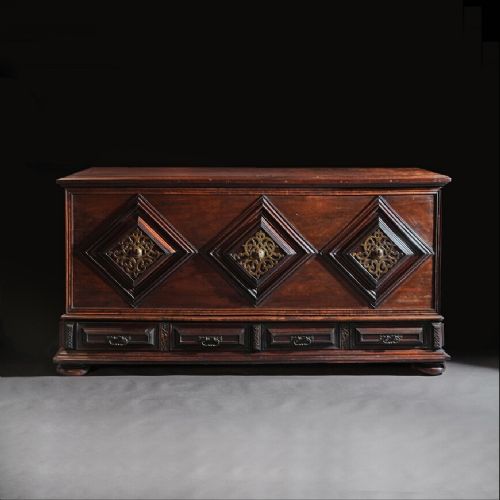
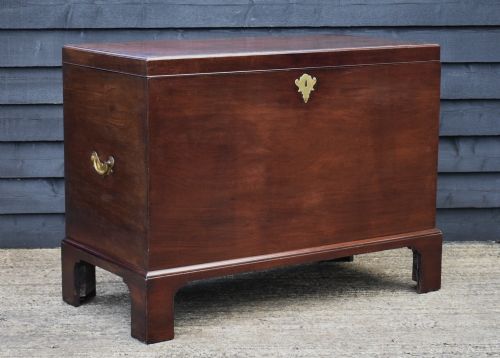
Brass Bound Blanket Box
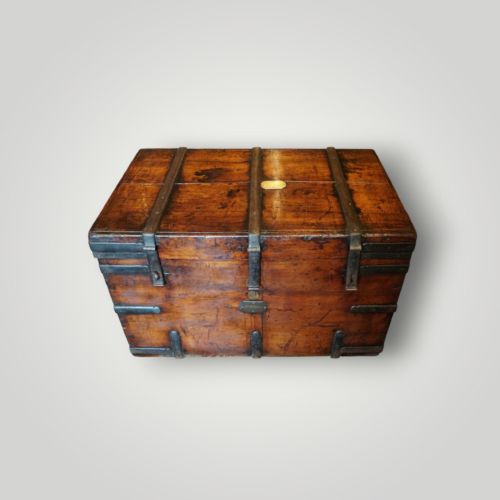
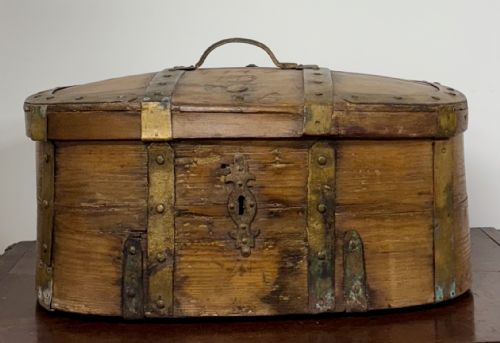
A brass bound blanket box is a sturdy travelling trunk built for movement, offering rugged timber construction secured by heavy metal hardware.
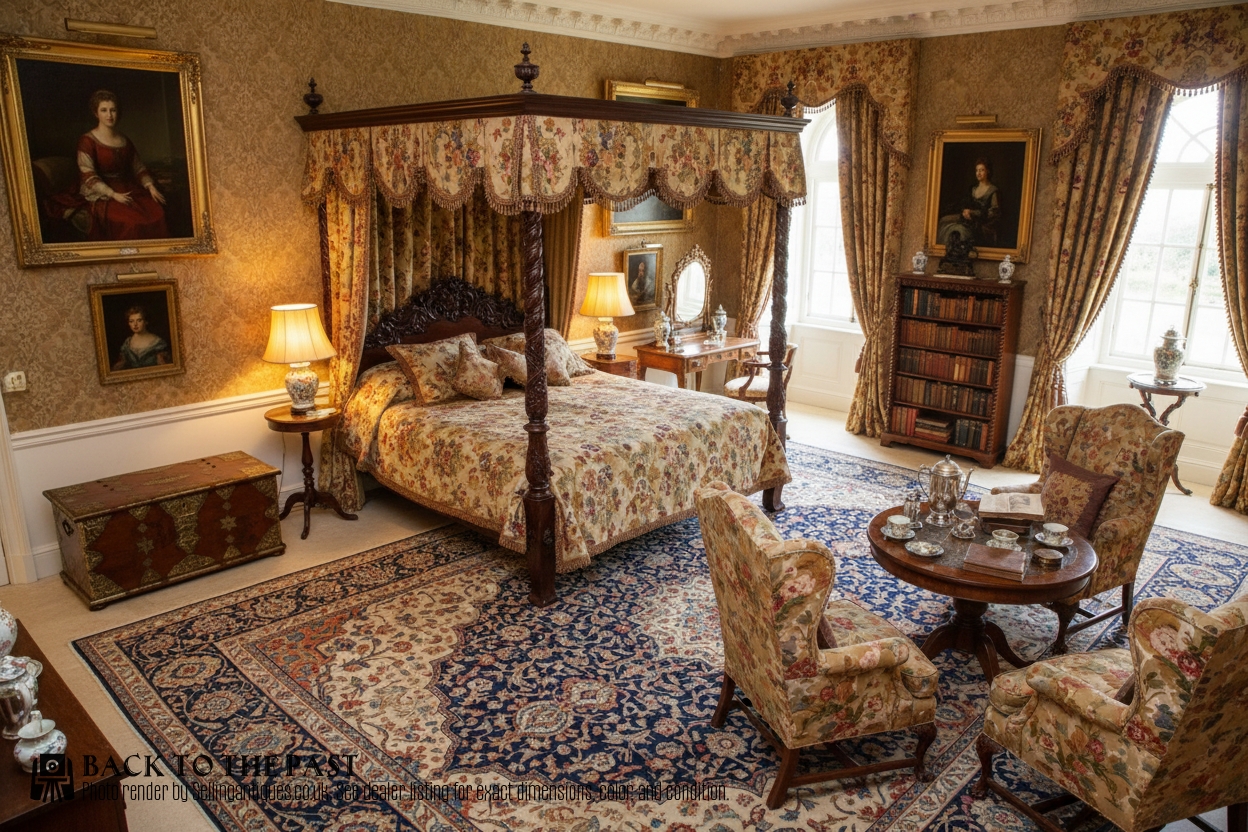
Brass Bound Blanket Box
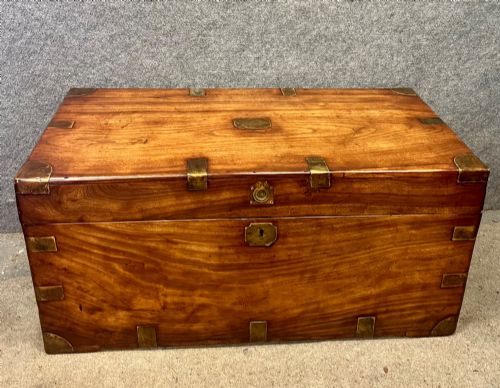
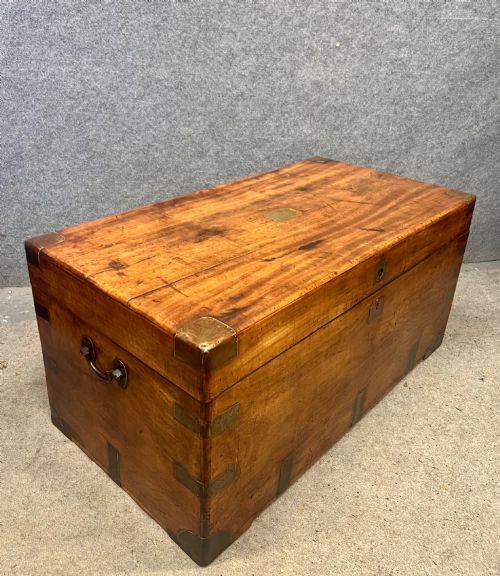
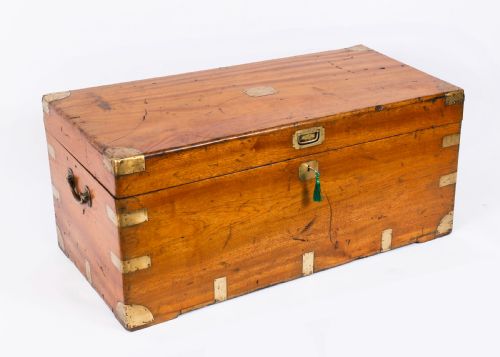
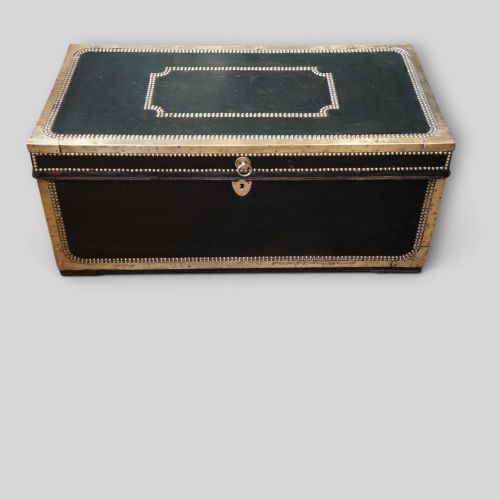
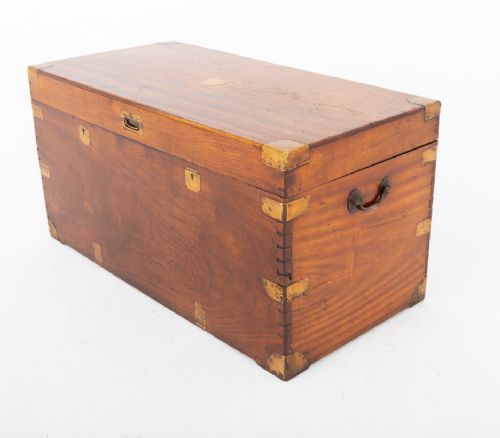
A brass bound blanket box primarily takes the form of a campaign trunk, military chest, or merchant storage box designed for transport across long distances. These pieces emerge from the 18th and 19th centuries, reflecting the travel needs of officers, colonial traders, and diplomats.
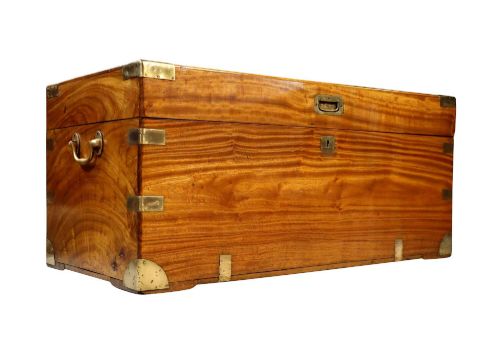
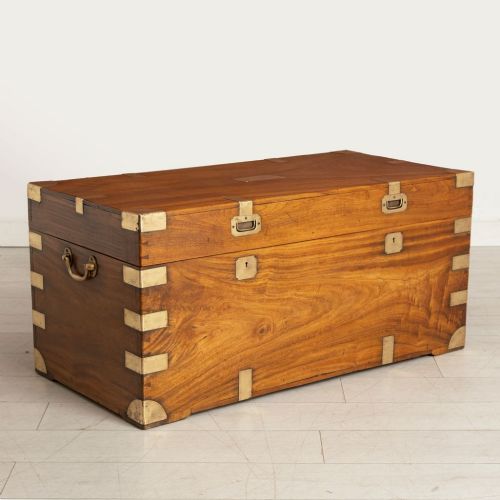
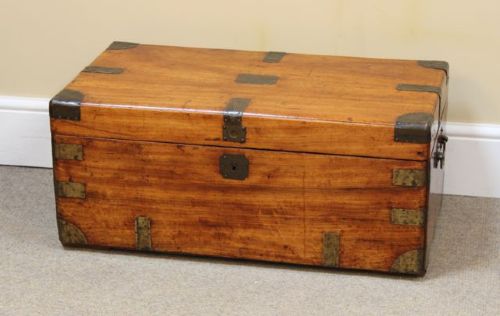
The most common examples on this page are constructed from fragrant camphor wood or dense teak, often originating from Anglo-Indian, Chinese export, or British military contexts. They function just as effectively today as living room storage or coffee tables as they did on nineteenth-century sailing ships.
Materials and Construction
Makers utilised resilient tropical timbers such as camphor wood, teak, padouk, and mahogany, selected for their ability to withstand humidity and deter insects. These durable woods were jointed carefully to handle the stresses of frequent travel.
Corners, edges, and lids are reinforced with brass plates, strapping, and protective corner pieces, secured firmly with countersunk screws or pins. Flush-mounted brass drop handles allow the heavy chests to be lifted and stowed efficiently in tight quarters.
Camphor wood trunks retain their distinct medicinal scent after two centuries, acting as natural mothballs for modern woollens.
Evaluating Craftsmanship
Quality rests in the integrity of the original hardware and the selection of timber. Heavy-gauge brass strapwork, intact recessed brass handles, and original working locks with matching keys distinguish superior examples from those with later replacements.
The choice of primary wood also dictates standard, with well-figured camphor wood, rich padouk, and dense teak holding more weight and presence than standard utility pine or plain woods. Subtle details such as dovetailed corner joints and intact leather linings separate standard transport trunks from finer officer pieces.
Samuel Pratt·Seabrook of St Pauls London
The Brass Bound Blanket Box Glossary
- Campaign trunk
- A heavy storage chest designed for military officers on the move, constructed with protective metal corners and recessed handles for transport.
- Camphor wood
- An aromatic timber native to Asia, prized for its distinct scent and natural insect-repellent properties, commonly used for nineteenth-century sea chests.
- Brass bound
- A method of reinforcing wooden trunk edges and corners with metal plates and straps to prevent splitting during transit.
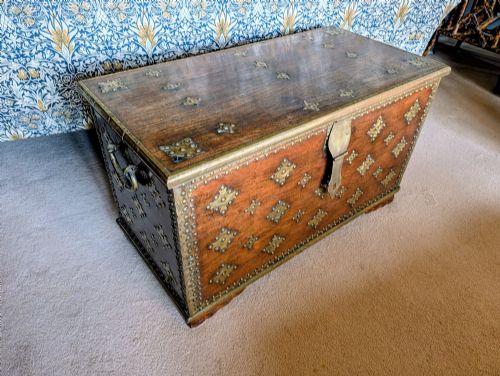
- Zanzibar chest
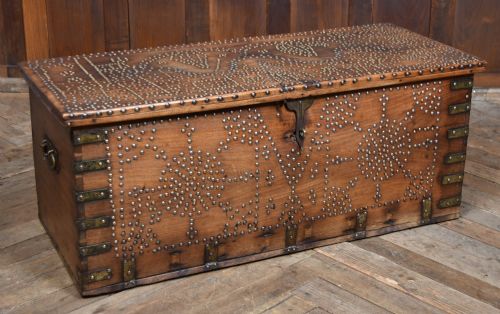
- A heavily decorated merchant box featuring brass studding and intricate strapwork, originating from trade routes connecting India and East Africa.
- Recessed handle
- A flush-fitting metal grip inset into the side of a chest so it does not project beyond the timber surface during stacking.
Brass Bound Blanket Box: Frequently Asked Questions
What is a brass bound blanket box?
A brass bound blanket box is a sturdy timber storage chest reinforced with metal banding and protective corners, originally built for travel.
These versatile trunks range from military campaign chests to merchant boxes, offering deep interior space for household textiles.
How were campaign chests used?
Officers and diplomats utilised these heavy chests to pack uniforms, books, and personal belongings safely during long sea voyages and land expeditions.
Their robust construction allowed them to withstand rough handling while keeping contents protected from moisture and insects.
How do I care for camphor wood?
Camphor wood requires minimal maintenance, needing only an occasional dusting and avoidance of direct, harsh sunlight to protect the natural finish.
Keep the interior clean and dry to preserve the aromatic qualities of the timber.
How can I tell the period?
Dating relies on examining the style of the brass hardware, the method of dovetailing, and the specific timber species used in construction.
Earlier eighteenth-century pieces often feature heavier leather or iron bindings alongside simpler box joints, while Victorian examples lean towards standardised brass strapwork.