



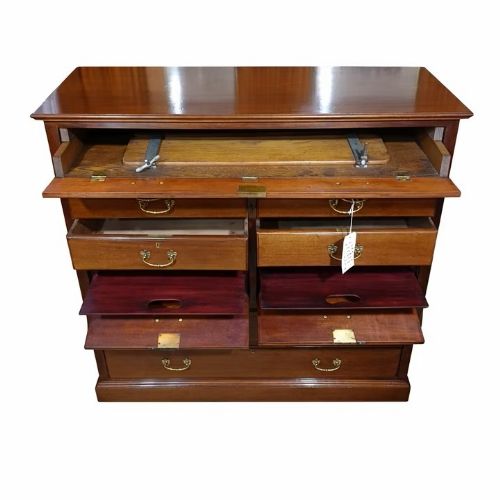
Military Sea Chest
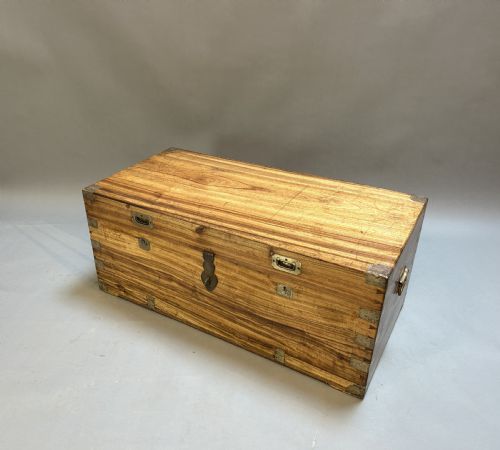
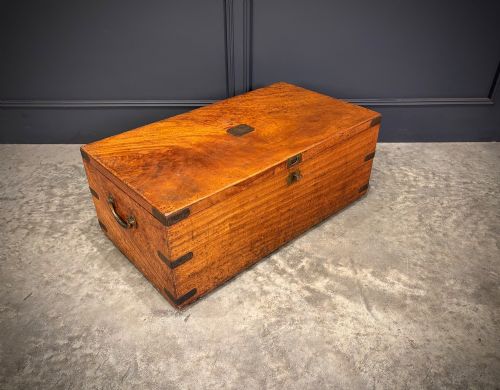
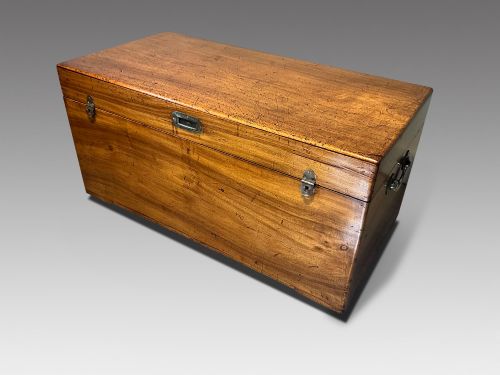
A military sea chest is a robust travelling trunk designed for officers and personnel, offering durable storage with practical brass fittings.
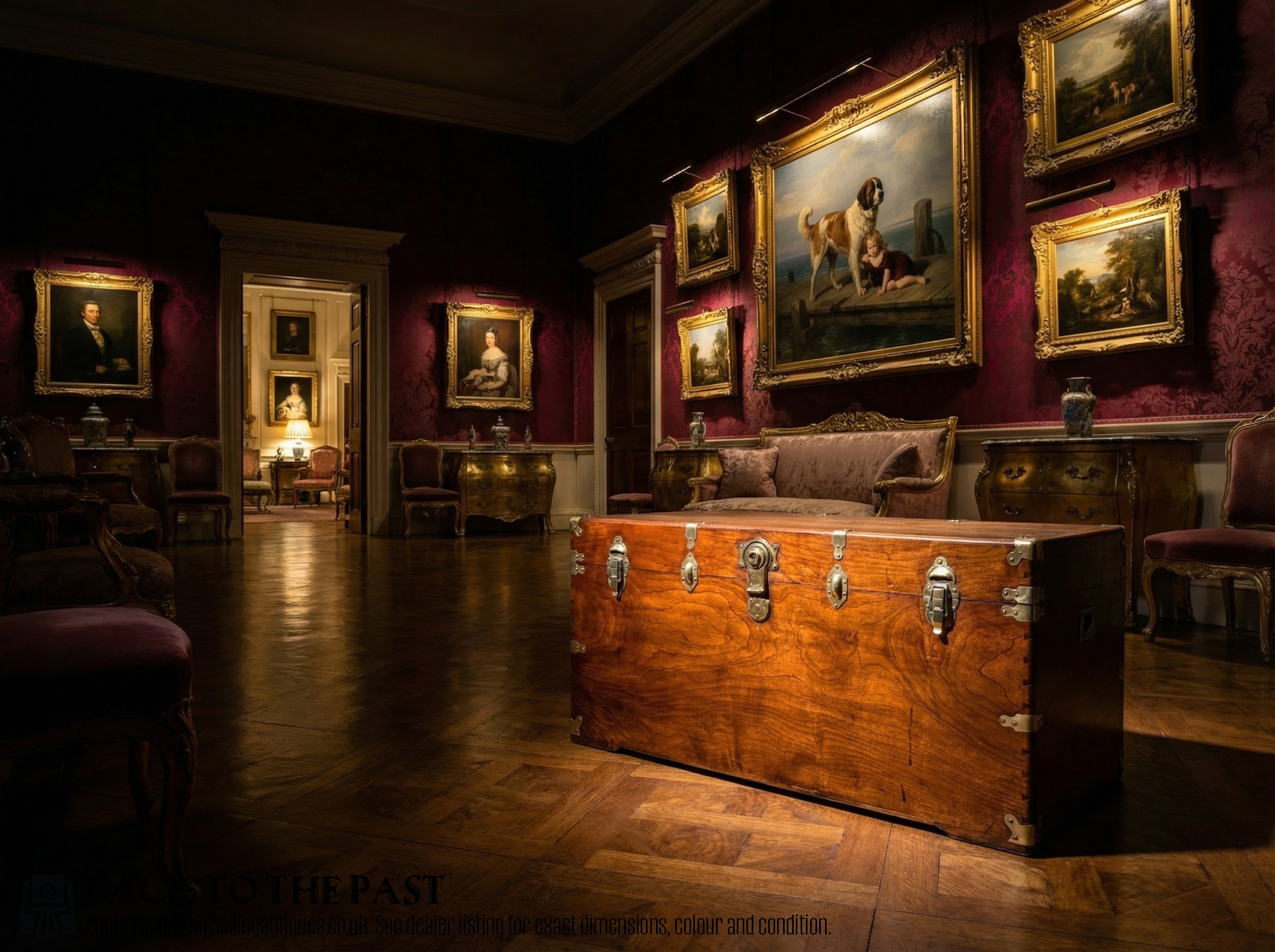
Military Sea Chest
A military sea chest provides heavy-duty storage designed for the rigours of travel, featuring sturdy construction suited for officers on the move. When searching for a military sea chest, buyers encounter practical trunks built to withstand maritime and field conditions.
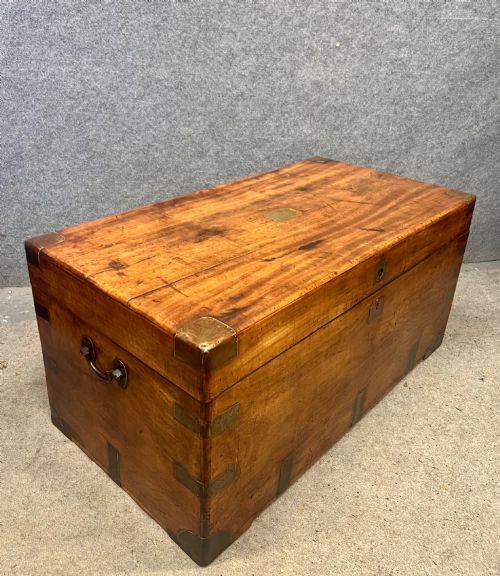
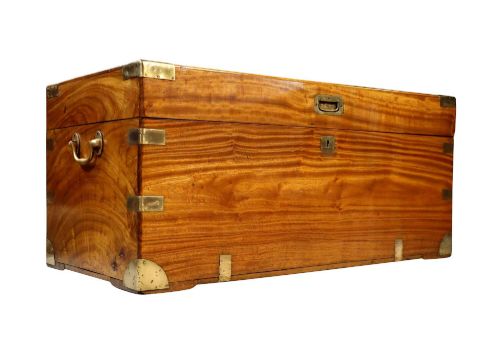
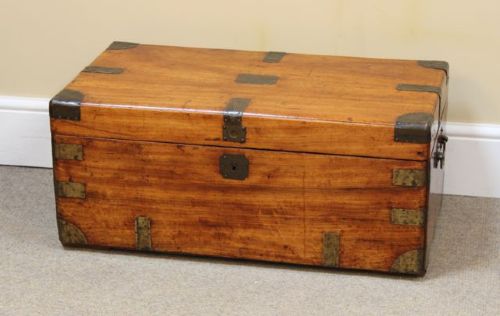
The majority of pieces seen on this page date from the nineteenth century, including specific years such as 1850, 1880, 1890, and the Edwardian period. These items typically manifest as camphor wood, pine, mahogany, teak, or walnut trunks equipped with protective metal hardware.
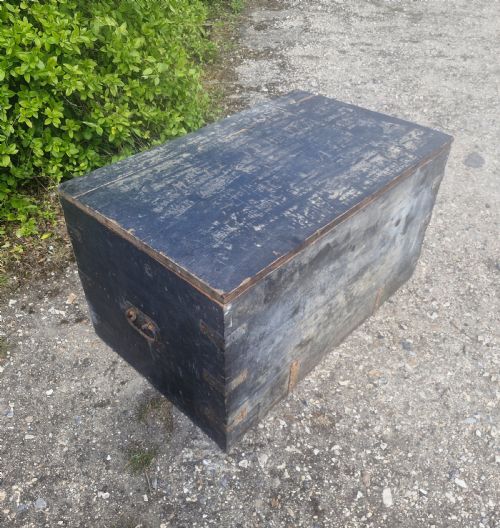
Common forms span straightforward storage trunks, blanket boxes, and fitted campaign trunks with interior compartments. Pieces often carry associations with specific conflicts or regiments, such as the Boer War or Waterloo commissary service.
How they were made
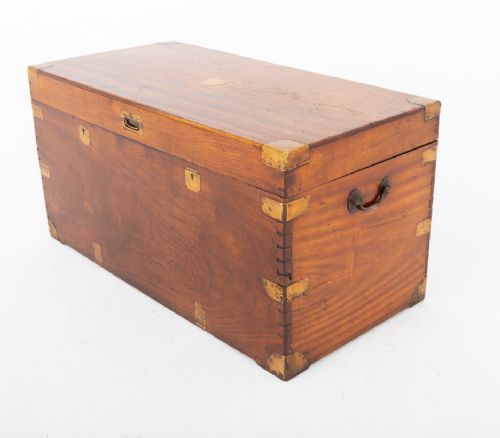
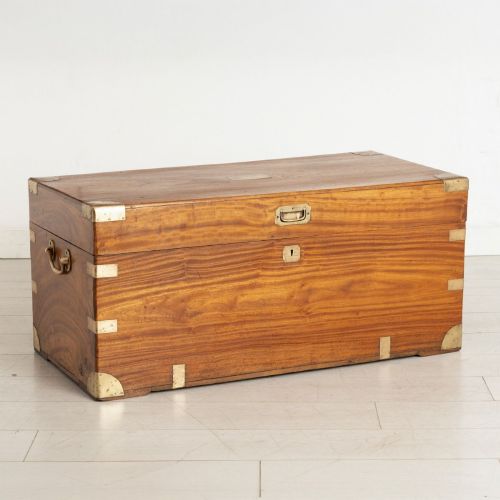
Constructed primarily from durable timbers such as camphor wood, mahogany, teak, walnut, and pine, these chests relied on solid woods capable of enduring damp environments and rough handling during transit. Camphor wood was particularly favoured for its insect-repellent properties, protecting uniforms and personal effects.
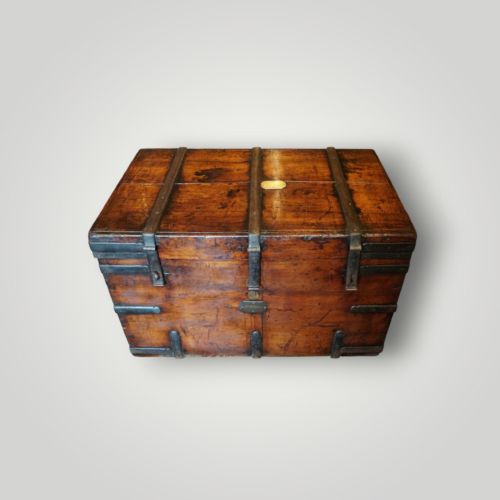
Metal reinforcement was essential to structural integrity, incorporating heavy brass corners, straps, and binding alongside iron mounts. These fitted metal elements protected edges from impact and secured joints against the strains of long voyages.
Listings feature camphor wood, mahogany, teak, walnut, and pine across nineteenth-century and Edwardian periods.
What varies in quality
The degree of refinement in the carpentry and the intactness of original hardware distinguish different examples. Superior pieces display finely dovetailed joints, robust secondary timbers, and well-preserved brass or iron mountings that remain structurally integrated with the box.
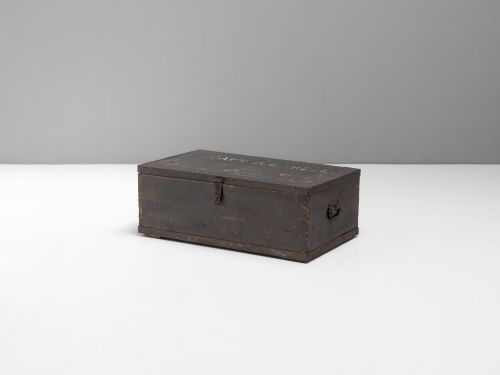
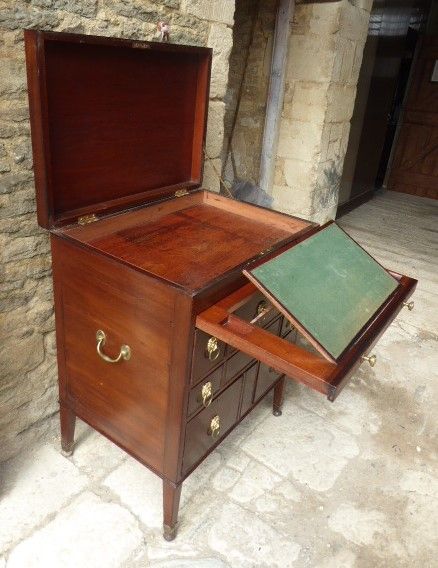
Fitted interiors with original compartments, working locks accompanied by keys, and documented historical connections add significant interest. Plain pine variants built for lower-ranking personnel differ noticeably from richly grained camphor wood or mahogany trunks commissioned by senior officers.
Sir Randolph Isham Routh KCB·69th Regiment
The Military Sea Chest Glossary
- Campaign trunk
- A portable chest designed for military officers on active service, featuring recessed handles and reinforced corners for easy transport. These pieces often dismantle or include internal compartments tailored for travel.
- Camphor wood
- An aromatic timber native to Asia, prized in nineteenth-century chest construction for its natural resistance to insects and dampness. Its distinct scent helps safeguard stored textiles.
- Brass bound
- A method of reinforcing wooden trunk edges and corners with metal strips and brackets fastened securely with screws or rivets. This detailing prevents splitting during rough handling.
- Ship's chest
- A heavy storage box utilised aboard naval vessels, typically constructed from robust woods like pine or teak to withstand maritime conditions.
Military Sea Chest: Frequently Asked Questions
What is a military sea chest?
A military sea chest is a heavily constructed travelling trunk used by officers and personnel to transport uniforms, equipment, and personal belongings during campaigns or sea voyages.
These chests prioritise durability and practical organisation, often featuring reinforced corners and secure locking mechanisms to endure arduous transport.
How were these chests used?
Owners utilised them as portable wardrobes and secure storage units while stationed in barracks, aboard ships, or in field tents during active military service.
The robust design ensured that contents remained protected from moisture, rough handling, and loss during frequent relocations.
How do I care for camphor wood?
Camphor wood requires minimal maintenance, benefiting from occasional dusting and avoidance of direct, harsh sunlight that can dry out the natural oils.
The wood naturally releases a protective aroma that repels pests, meaning strong chemical polishes should be avoided.
How can I date a campaign chest?
Dating relies on examining construction techniques, wood choices, fastening methods, and any engraved brass plaques or historical documentation associated with the piece.
Nineteenth-century examples frequently exhibit specific brass corner joinery and specific locking hardware characteristic of Victorian manufacture.