



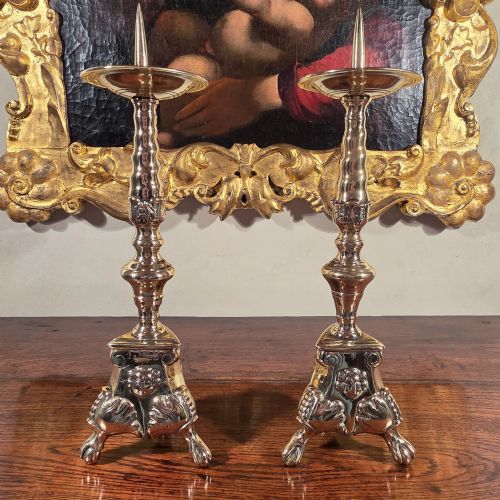


Brass Altar Candle Holders
These brass altar candle holders bring heavy ecclesiastical presence to a room, cast in brass, bronze, and gilt metal from the Victorian and later periods.
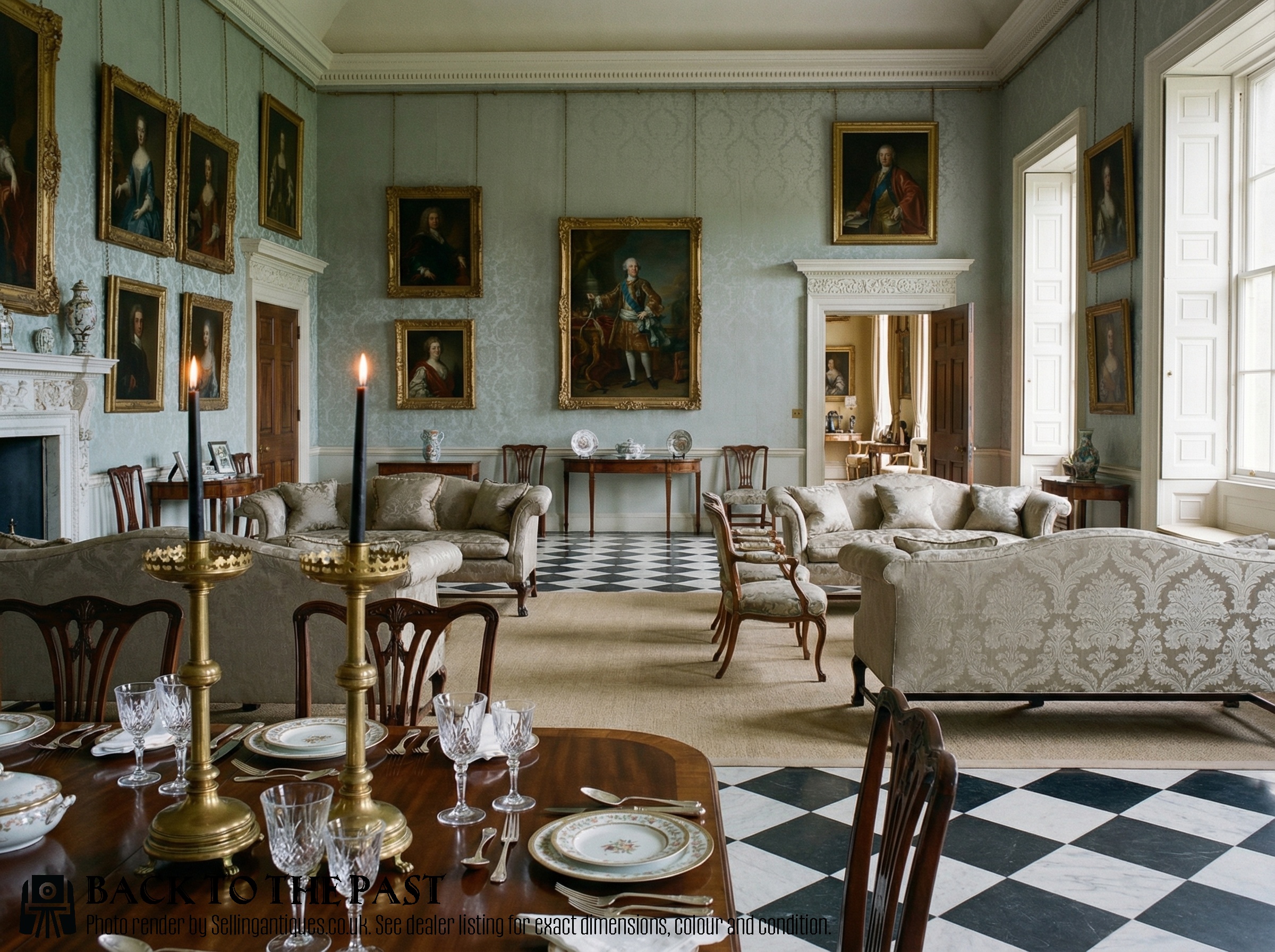
Brass Altar Candle Holders
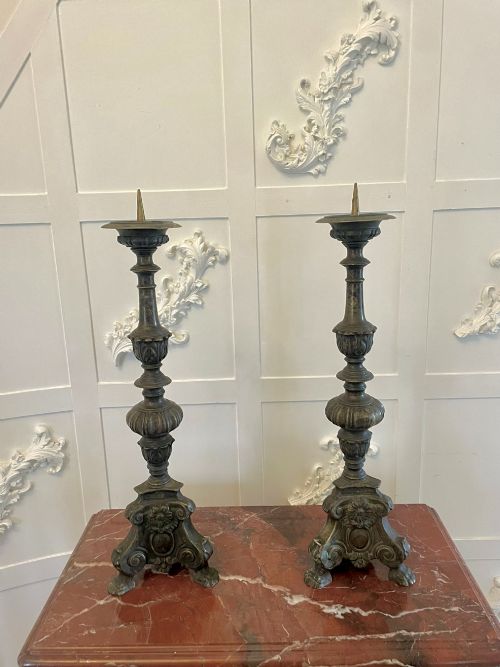
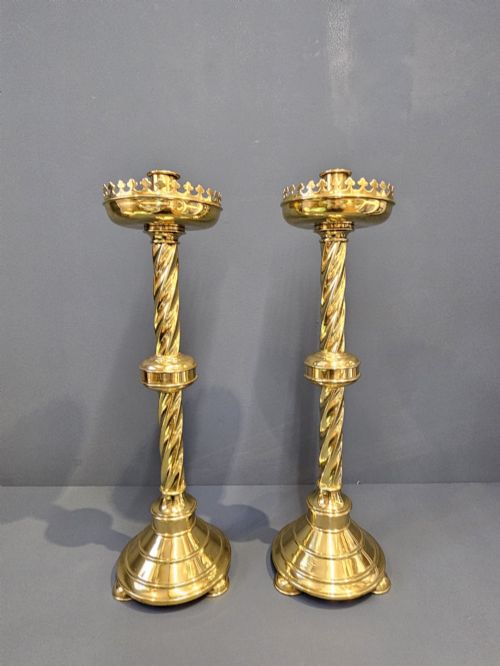
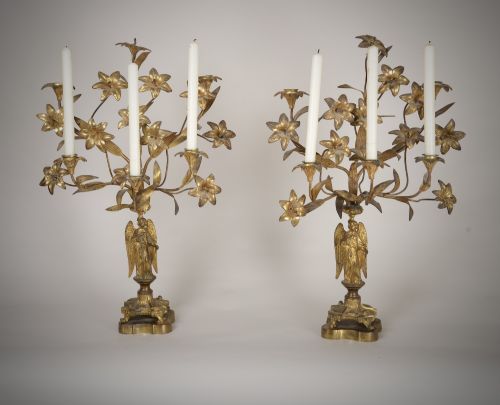
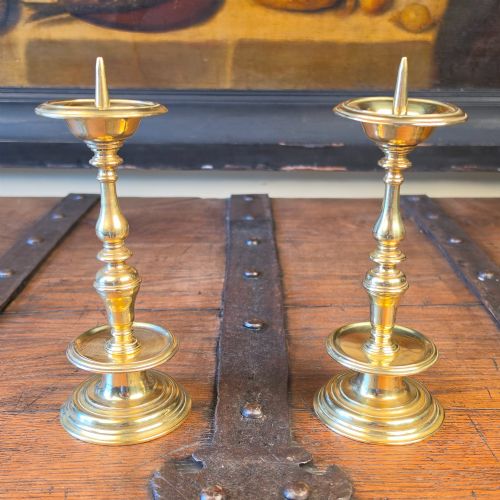
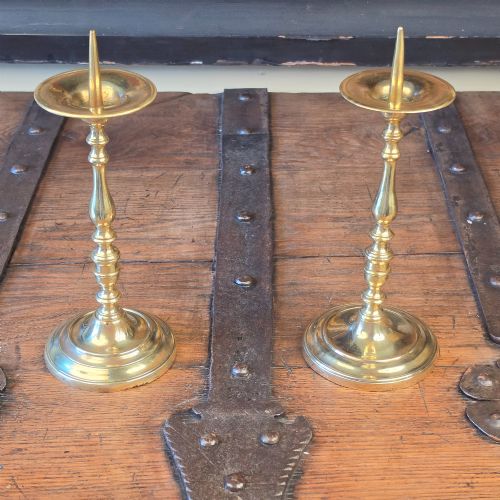
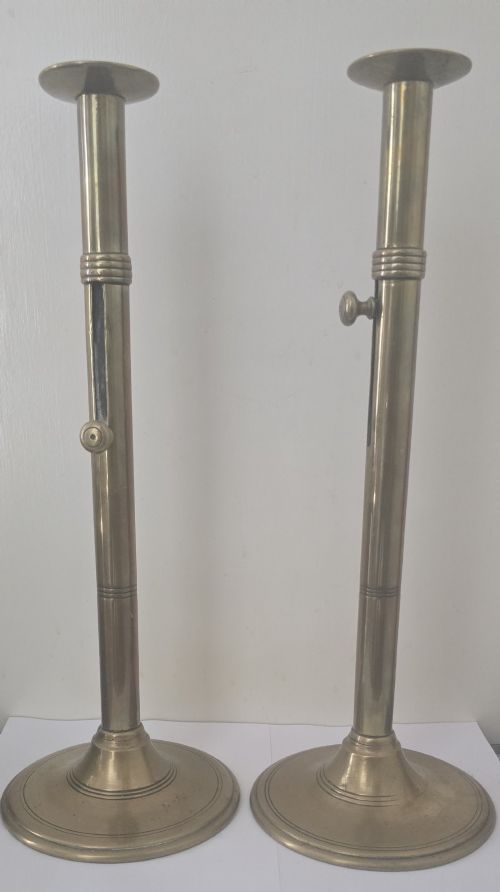
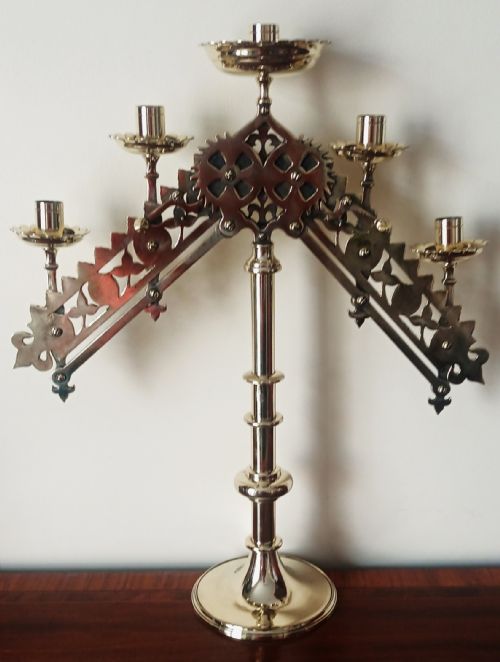
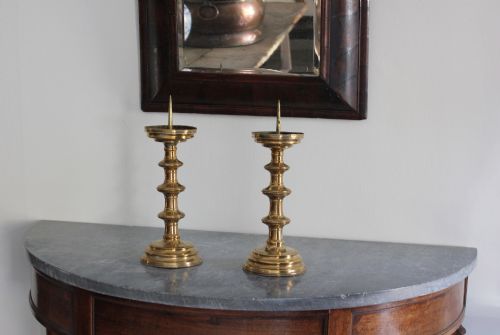
Brass altar candle holders include heavy church candlesticks, pricket stands, and tall ecclesiastical candelabra designed for religious settings. The pieces seen on this page span the Victorian era, the nineteenth century, and the early twentieth century, taking forms such as column candlesticks and graduated sets.
Buyers looking for these objects will encounter pairs of tall brass church candlesticks most frequently, alongside variants incorporating oak, wrought iron, and bronze. Styles range from Gothic Revival and Victorian ecclesiastical designs to Amsterdam School and seventeenth-century interpretations.
How they were made
These items rely primarily on cast brass, bronze, and gilt-brass, often combined with wrought iron or oak elements. Foundries utilised casting and turning techniques to produce substantial columns, pricket spikes, and weighted bases.
Decoration includes applied painted details, Corinthian column orders, and barley twist wooden shafts capped with brass tops. The construction prioritises heavy stability to support large church candles safely.
Brass Altar Candle Holders Retail Price Guide 2026
Typical asking prices for brass altar candle holders among the pieces listed under this phrase on Sellingantiques today, from the lower quarter to the upper quarter. They describe what is for sale here now, not the wider market.
Listings feature brass altar candle holders spanning the nineteenth century, Victorian period, and Edwardian era, alongside materials including cast brass, bronze, oak, and wrought iron.
What varies in quality
Quality rests in the weight of the metal casting and the crispness of the chased or turned detail. Substantial proportions and well-defined Gothic or classical enrichment distinguish superior examples from simpler production pieces.
The integrity of the construction, such as untouched original patination and the harmony of matched pairs or graduated sets, separates standard church items from pieces with greater decorative presence.
The Brass Altar Candle Holders Glossary
- Pricket candlestick
- A candle holder featuring a sharp metal spike at the top designed to impale the base of a large candle. This form is common in ecclesiastical settings.
- Gothic Revival
- An architectural and decorative style popular during the nineteenth century that imitates medieval forms. Pieces often display pointed arches and ecclesiastical motifs.
- Candelabra
- A branched candlestick holding multiple candles on separate arms. These objects provide greater illumination than single stands.
- Ecclesiastical
- Relonging or relating to a church or place of worship. Items described thus were originally made for liturgical use.
- Ormolu
- Finely ground high-carat gold applied to a bronze or brass base using mercury. This technique creates a rich decorative surface finish.
Brass Altar Candle Holders: Frequently Asked Questions
How were brass altar candle holders used?
These items stood upon altars or sanctuary furniture in churches to hold large tallow or wax candles for liturgical services. Their heavy construction prevented tipping when supporting tall candles.
Today, they function as decorative floor or table pieces in domestic interiors, maintaining their commanding vertical presence.
How do I style them at home?
Place tall pairs on sideboards, mantelpieces, or large tables to create height and focal points in a room. Their dark patinated metal works well against painted walls or wood panelling.
Keep the candles proportional to the height of the prickets or sockets to maintain the visual balance of the piece.
What periods do these pieces come from?
The selection spans from the nineteenth-century Victorian era into the early twentieth century, including Edwardian and Art Deco examples. Earlier stylistic influences, such as seventeenth-century Baroque and sixteenth-century designs, also appear through later revival pieces.
Dates range from original period church items to later interpretations of older liturgical forms.
Are they sold as pairs?
Many listings comprise matched pairs or graduated sets originally intended for symmetrical placement on church altars. Single pieces and larger sets of three or four also occur.
Matching pairs remain the standard format for most surviving ecclesiastical lighting.