
Bracket Table Clock
When you search for a bracket table clock, you are looking at portable mechanical timepieces designed to sit securely on furniture.
Bracket Table Clock
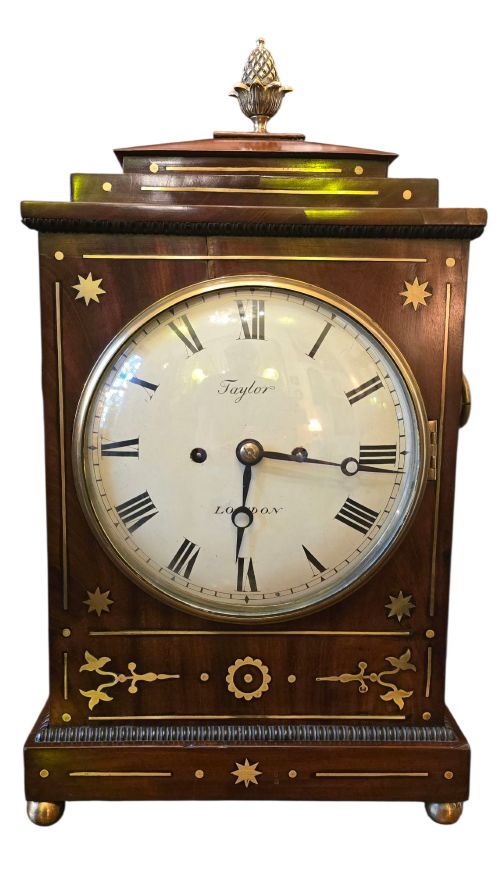
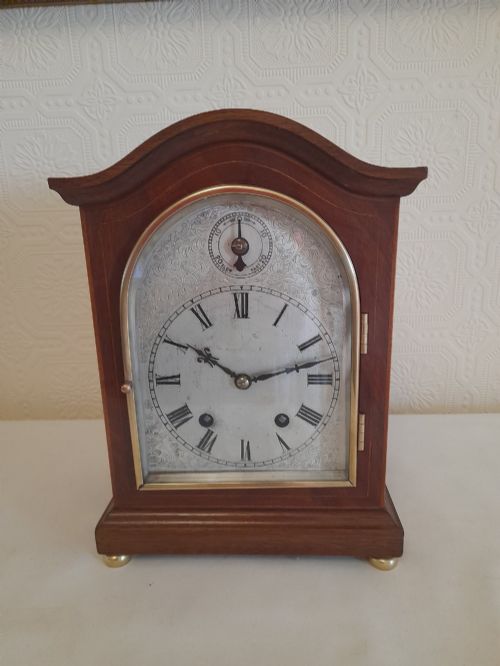
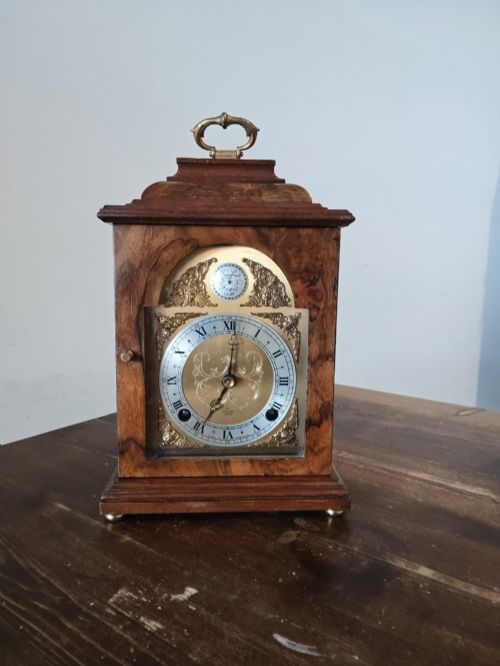
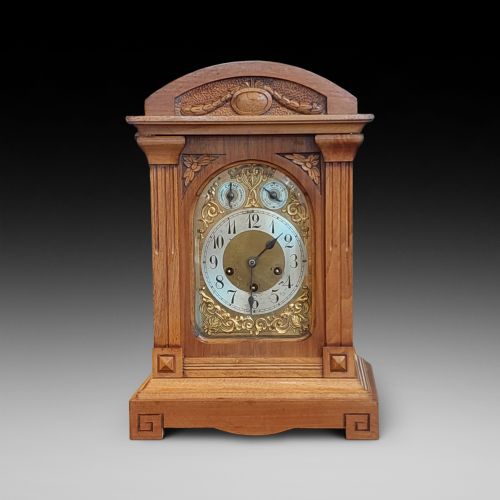
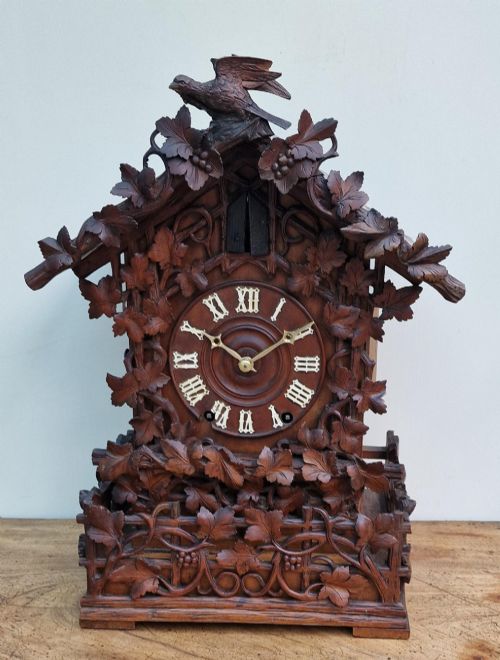
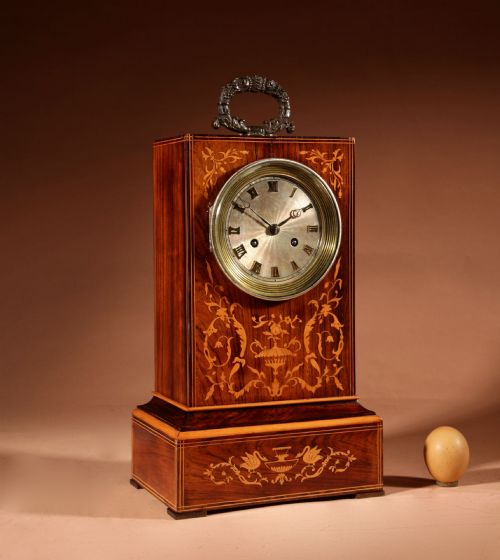
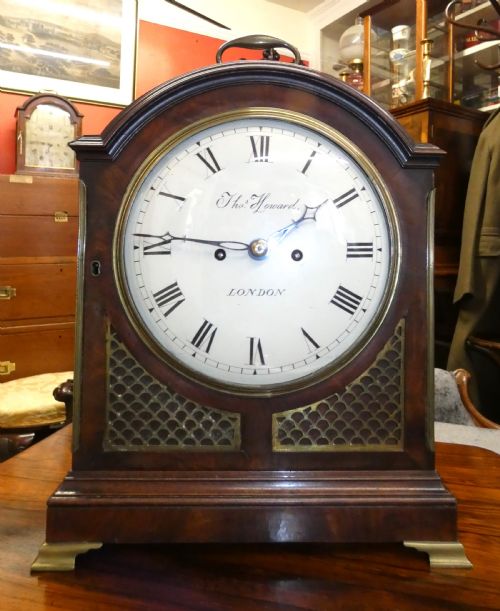
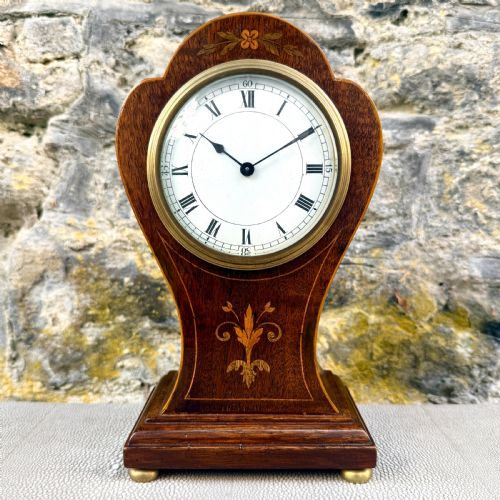
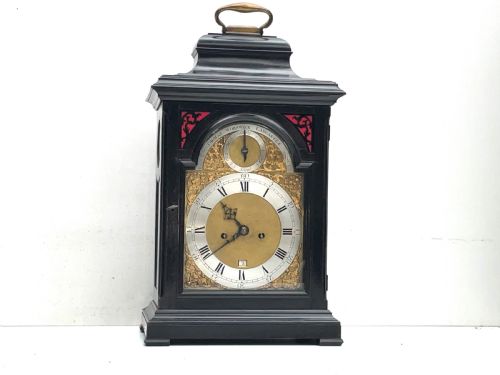
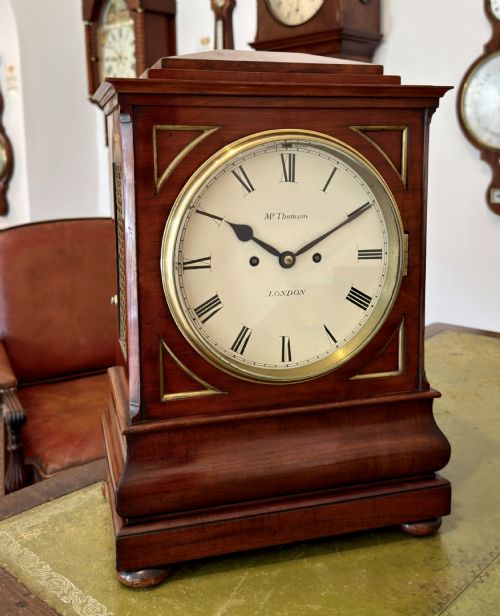
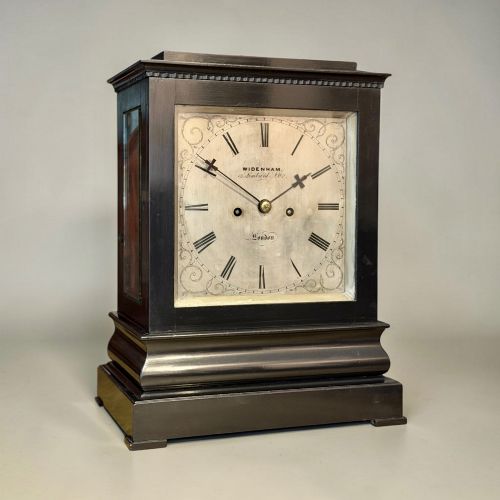
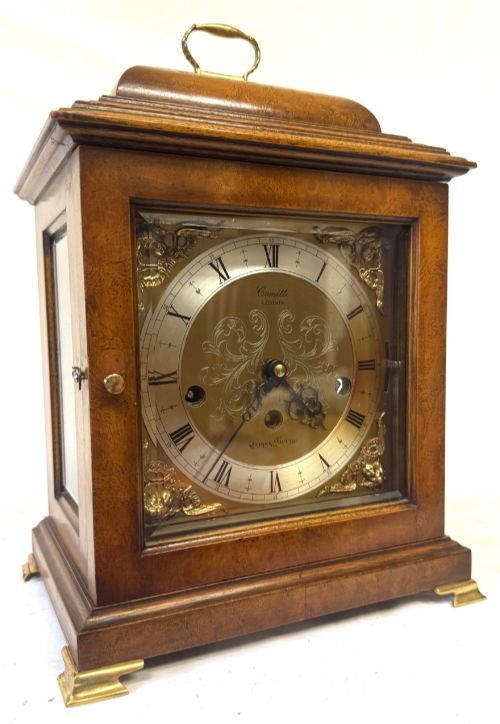
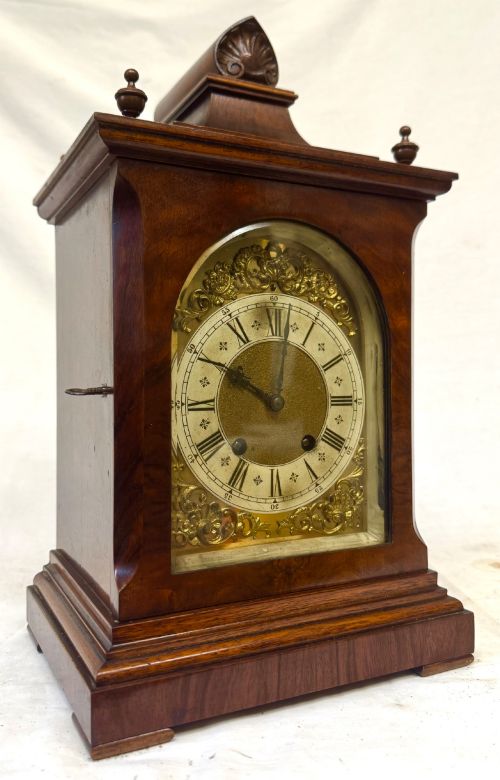
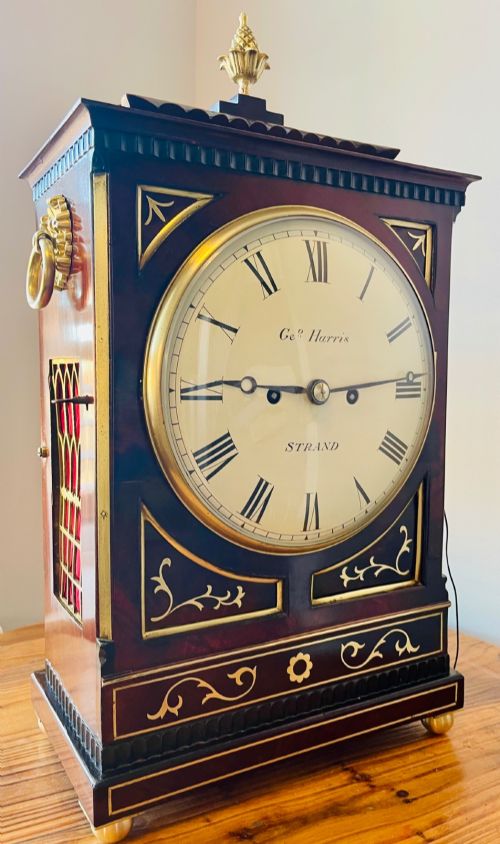
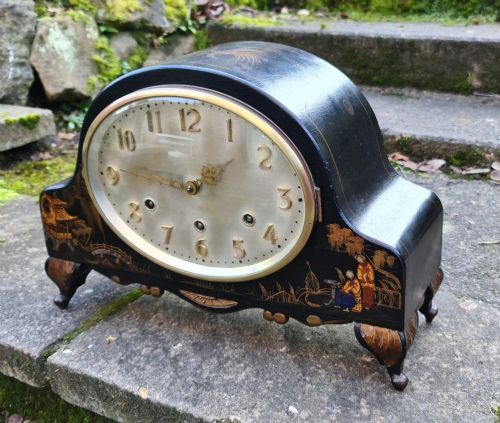
A bracket table clock is a portable mechanical timepiece designed to sit securely on furniture rather than hang upon a wall. When you browse this selection, you encounter pieces spanning from the Georgian era through the Victorian period and into the twentieth century. The forms range from traditional mahogany library clocks and architectural wooden cases to decorative French designs and inlaid balloon shapes.
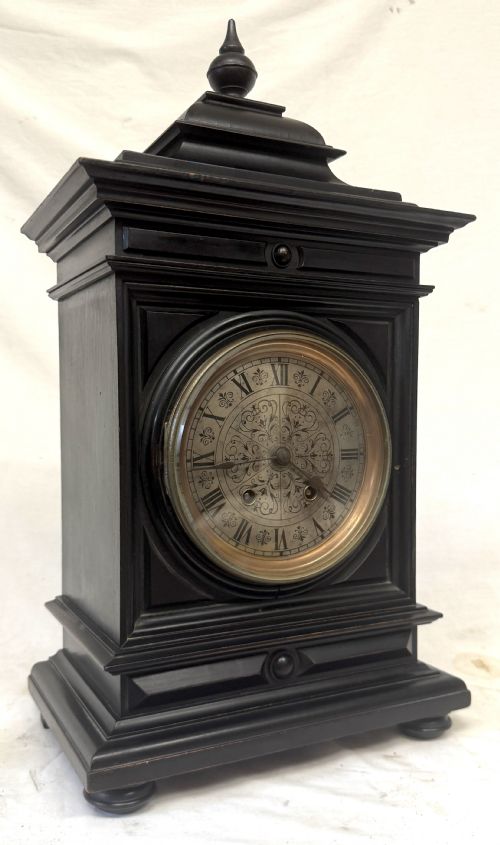
The versions you are most likely to meet on this page include nineteenth-century mahogany and ebonised wood examples alongside Edwardian and later variations. Makers housed these movements in durable woods like oak, walnut, rosewood, and tortoiseshell, often featuring brass dials and glass panels. They function as both functional timekeepers and decorative objects for mantelpieces and tables.
Materials and Construction
Clockmakers constructed these cases using dense hardwoods such as mahogany, walnut, and rosewood, frequently incorporating ebonised wood, oak, and tortoiseshell for decorative contrast. They housed intricate mechanical movements inside these enclosures, utilising brass for internal gears and dials, and glass for protective door panels and viewing windows.
Craftsmen applied specialised techniques like marquetry, lacquer work, and metal inlay to embellish the exterior wooden surfaces. Silvered dials and enamel plates provided clear faces for the hands, while integrated fusee or spring-driven mechanisms powered the striking and chiming functions.
Listings feature movements driven by fusee mechanisms alongside spring-driven systems across the eighteenth, nineteenth, and twentieth centuries.
Evaluating Quality
The distinction between standard examples and superior pieces rests upon the precision of the internal movement and the refinement of the case work. Finer mechanisms often feature complex triple fusee or quarter-striking arrangements that deliver reliable performance and intricate sound.
Cabinetwork quality separates ordinary items from exceptional ones through the selection of figured veneers, hand-cut inlay, and well-executed brass mounts. Original components and signed dials by established makers elevate an item above generic production.
Thomson of London·Widenham of London·Comitti Of London·Lenzkirch·George Wadham Bath·Thuret Paris·Brockbanks And Atkins·William Gard Exeter·Mappin And Webb·Webster London·Barwise London·Charles Pratt London·Ellicott And Smith·Winterhalder·Barber And North·Thomas Jackson London·J H Borrell·Parkinson And Frodsham·Frodsham London·P Le Gros·Gibson Of Royal Exchange·Archard London·Mortimer Strand·Thomas Iorns·John Partington
The Bracket Table Clock Glossary
- Fusee
- A conical pulley used in mechanical clocks to equalise the decreasing power of a driving spring as it unwinds. This mechanism helps maintain consistent timekeeping accuracy.
- Verge
- An early escapement type that controls the release of power in a clock movement. It creates a distinctive ticking rhythm.
- Enamel dial
- A clock face made by fusing powdered glass to a metal substrate at high heat. It provides a durable and smooth white surface for painted numerals.
- Ebonised wood
- Timber treated with a dark finish to imitate the appearance of solid ebony. Makers utilised this technique for dramatic contrast on nineteenth-century cases.
- Quarter-striking
- A mechanism that sounds the quarters of the hour on bells or gongs in addition to striking the full hour. It indicates the passage of time at fifteen-minute intervals.
Bracket Table Clock: Frequently Asked Questions
How do I wind a bracket clock?
Wind the clock using the appropriate key inserted into the winding holes on the dial. Turn the key gently until you feel resistance, ensuring you do not overwind the mainspring.
Different movements require winding at specific intervals, such as eight days or thirty hours. Consult the individual mechanism requirements to maintain proper operation.
Where should I place a bracket table clock?
Place the clock on a stable, level surface away from direct sunlight, drafts, and moisture. Heavy furniture like sideboards, desks, or mantelpieces provide ideal support.
Ensure the location allows the pendulum or balance wheel to operate without interference. A level surface prevents the escapement from stalling.
How do I tell the period of a clock?
Examine the case style, wood selection, and dial construction for period characteristics. Georgian and Regency pieces often feature simpler architectural lines and mahogany veneers, while Victorian examples introduce heavier ebonised cases and elaborate carving.
Inspect the movement style and any maker signatures inscribed on the dial or backplate. These details connect the piece to known production eras and workshops.
What maintenance does a mechanical clock need?
Professional cleaning and oiling every few years keeps the internal metal components operating smoothly. Dust the wooden case regularly with a soft, dry cloth.
Avoid using harsh chemical polishes on antique surfaces. Periodic inspection by a horologist ensures worn parts receive timely attention.