


Boxed Sterling Silver Spoons
Boxed sterling silver spoons combine precious metalwork with fitted presentation cases, offering practical utility and intact historical display.
Boxed Sterling Silver Spoons
Boxed sterling silver spoons encompass sets created for dining, tea, and formal presentation, preserved in protective cases. These collections emerge from periods spanning the Georgian era through the mid-twentieth century.
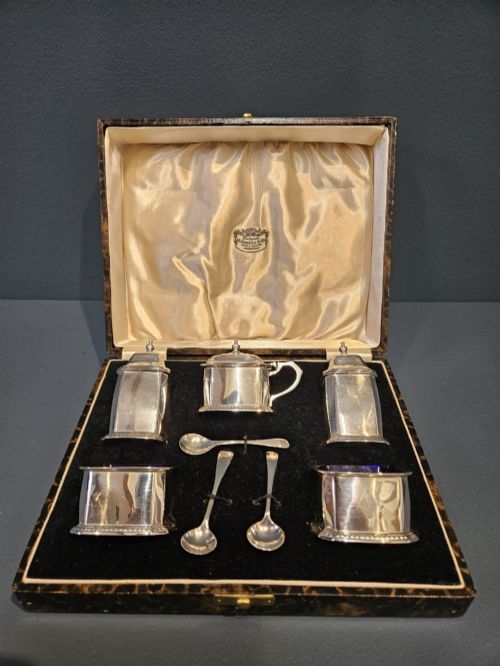
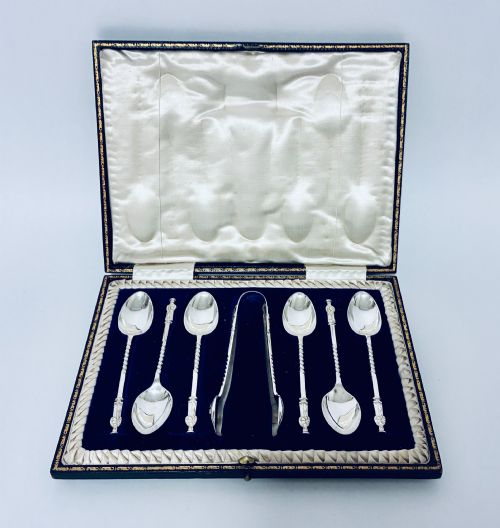
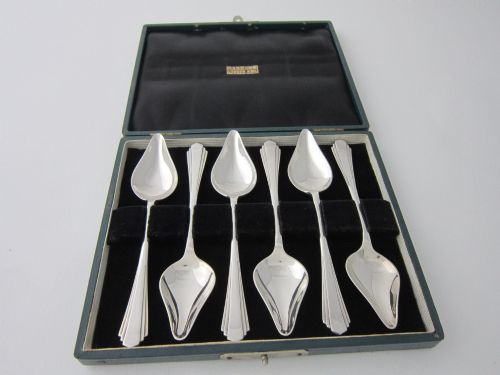
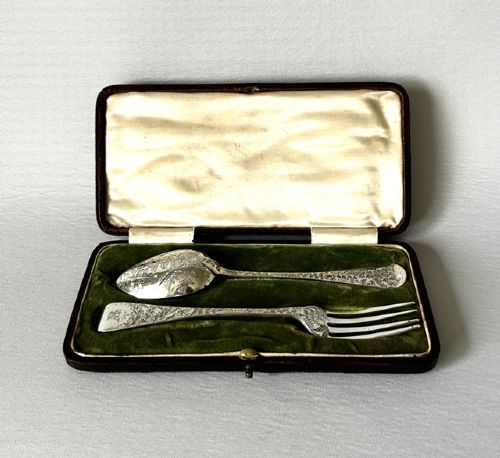
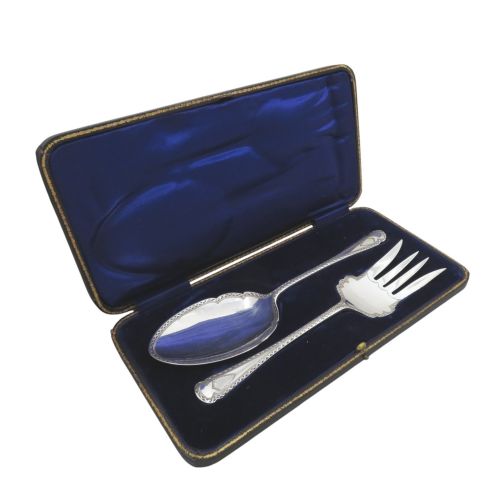
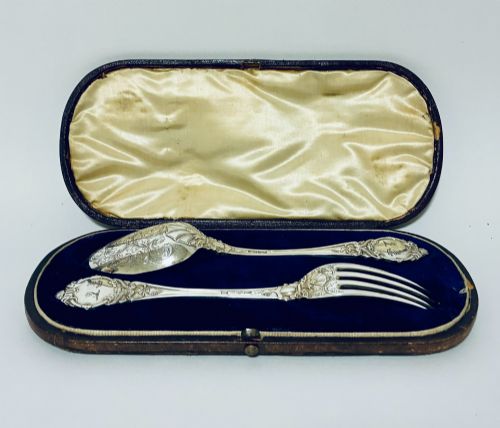
A buyer frequently encounters Victorian christening sets, Edwardian salt cellars with matching spoons, and Art Deco tea spoon collections. These items appear alongside specialised serving pieces and fruit or berry sets housed in fitted receptacles.
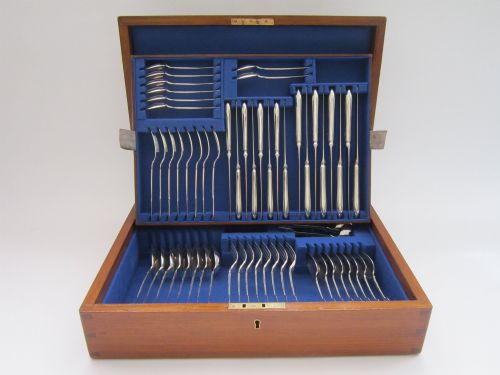
The contents range from single presentation pieces to large services for multiple persons, occasionally incorporating tongs, forks, or butter knives. Each configuration reflects the specific social dining and gift-giving customs of its respective period.
Materials and construction
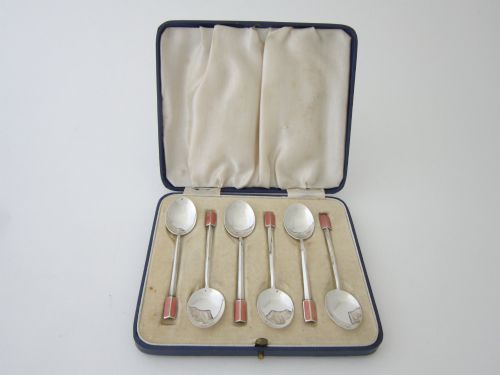
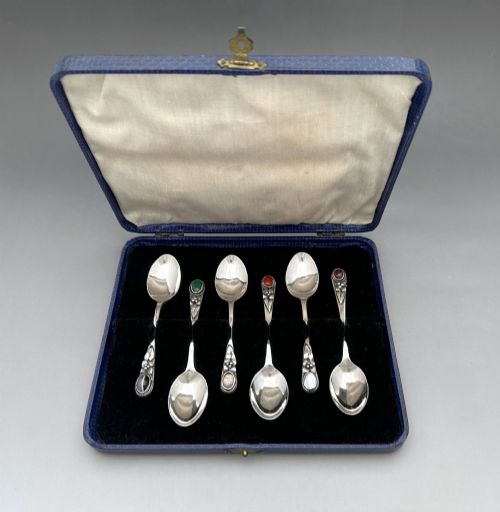
Makers shaped these items from solid sterling silver, frequently applying gold washes known as silver-gilt to the bowl interiors. Certain pieces incorporate decorative flourishes such as enamel work or semi-precious stones set into the handles.
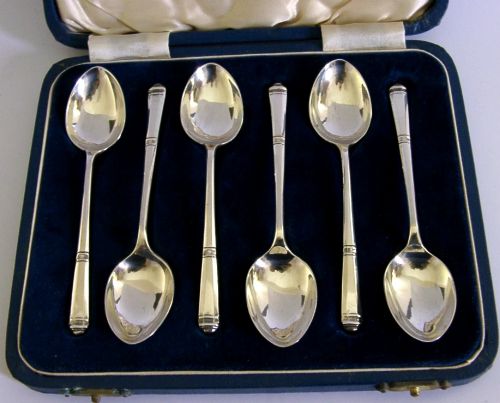
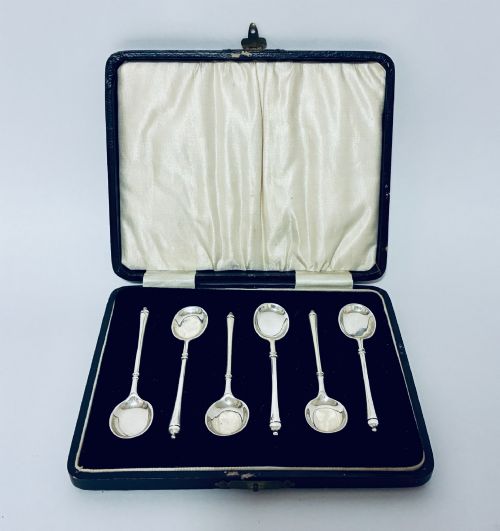
The accompanying boxes utilise sturdy wooden frames covered in materials like leather, leatherette, or textured paper. Their interiors feature tailored linings of silk, satin, or velvet designed to cradle each spoon securely.
The listings feature silver items spanning the Georgian period through the 1950s, incorporating materials such as velvet, silk, enamel, and leatherette.
Assessing the craftsmanship
Distinctions in quality arise from the weight of the silver and the intricacy of the patterning, such as hand-chased fruit motifs or detailed Fiddle pattern handles. Superior sets display crisp hallmarks and robust gauge metal that resists bending during use.
The condition and execution of the presentation case also determine overall standard. Fitted boxes retaining intact hinges, unblemished internal velvet or silk linings, and original retailer signatures elevate the entire piece.
Goldsmith & Silversmith's·Wilmot Manufacturing Co·Walker and Hall·Robert Stebbings·Cooper Brothers and Sons·Liberty & Co·Black & Cie
The Boxed Sterling Silver Spoons Glossary
- Sterling silver
- A silver alloy containing 92.5 percent pure silver and 7.5 percent other metals, usually copper, to increase durability. This standard composition appears in British hallmarked items.
- Silver-gilt
- Sterling silver coated with a thin layer of gold on the surface. This technique provides a rich two-tone appearance, frequently used inside spoon bowls for serving sweet foods.
- Fiddle pattern
- A nineteenth-century flatware style featuring a distinctive fiddle-shaped stem that widens sharply near the terminal. It gained widespread popularity throughout the Victorian period.
- Apostle spoons
- Spoons featuring figures of the apostles cast or engraved on the handle terminals. Complete sets traditionally include twelve different figures alongside a master spoon.
- Leatherette
- A synthetic material manufactured to imitate leather, commonly used for the exterior covering of twentieth-century presentation boxes. It offers a protective and uniform finish.
Boxed Sterling Silver Spoons: Frequently Asked Questions
What were boxed sterling silver spoons used for?
These sets served primarily as formal gifts for significant life events such as weddings, christenings, and Christmas presentations. Families also utilised them for specific dining rituals, including afternoon tea, dessert courses, and serving condiments.
The protective casing ensured the precious metal remained untarnished and protected from damage between formal household occasions. Consequently, many survive with their original fitted contours entirely preserved.
How do I date a set of silver spoons?
Dating relies heavily upon the stamped hallmarks on the reverse of the spoon stems, which indicate the assay office, standard of silver, and specific year letter. Stylistic indicators like Art Deco geometric lines or Victorian chased flora also point toward a particular decade.
The construction style and materials of the presentation box offer additional clues, as Edwardian and Victorian cases frequently employed distinct exterior textures and internal silk stampings corresponding to retailer periods.
How should I clean cased silver spoons?
Cleaning requires a soft microfibre cloth and a mild, non-abrasive silver polish applied gently to remove natural oxidation. Avoid harsh dipping solutions, particularly if the spoons feature delicate enamel work or inset semi-precious stones.
Store the pieces within their original fitted slots inside the box to prevent friction and scratching between individual items. Keeping the case in a stable, dry environment prevents damage to the internal velvet or silk linings.
Are these sets safe to use for dining?
Solid sterling silver items remain entirely suitable for food use, provided they are washed by hand promptly after dining. Avoiding abrasive scourers protects the historical surface finish and any delicate gilt highlights.
While functional, many collectors choose to preserve fragile historical pieces or those with delicate enamel work for display rather than daily domestic service.