

Botanical Watercolour Artwork
Botanical watercolour artwork captures floral and garden subjects on paper, offering delicate studies that bring period interior charm to any room.
Botanical Watercolour Artwork
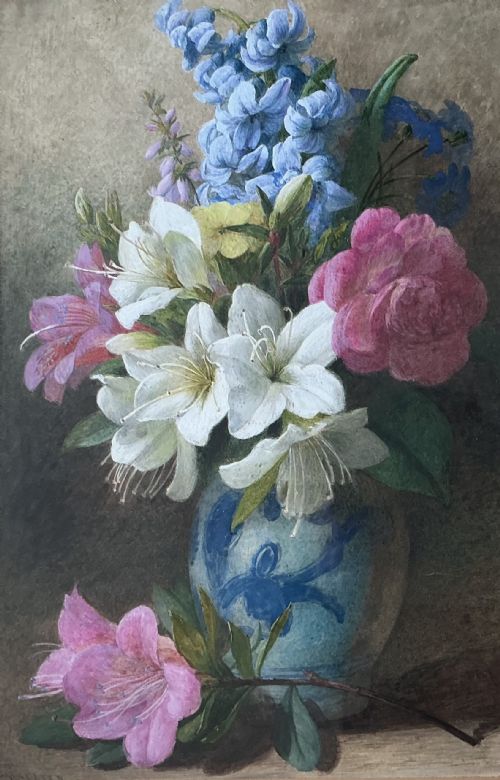
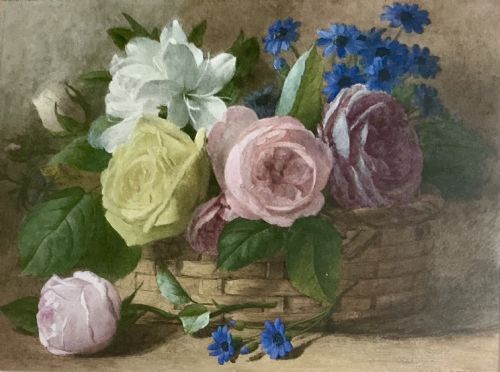
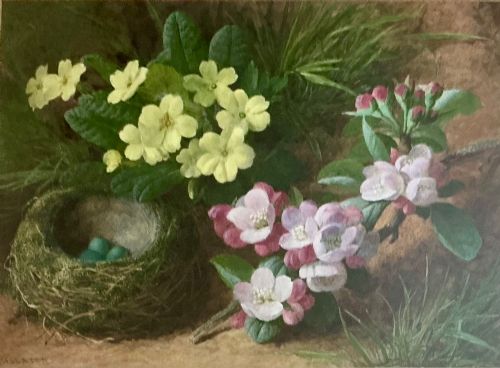
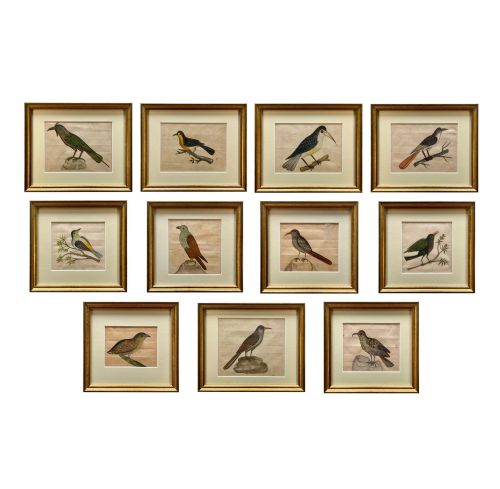
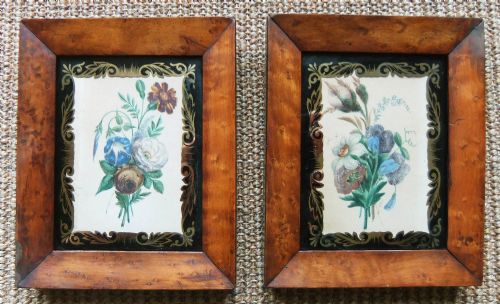
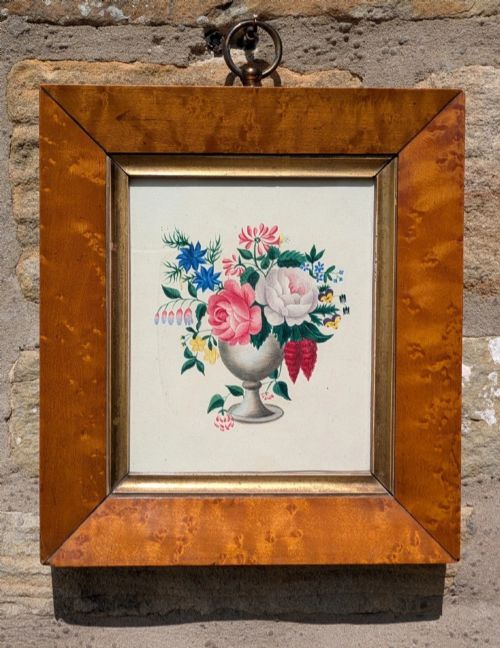
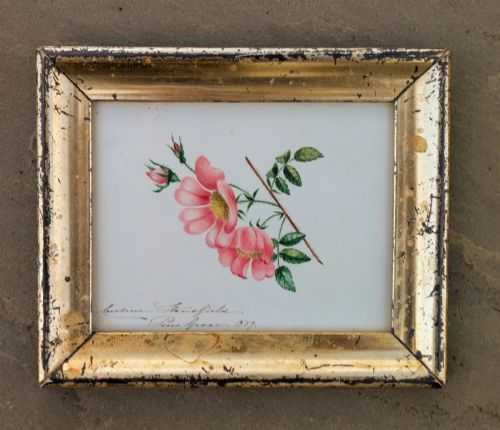
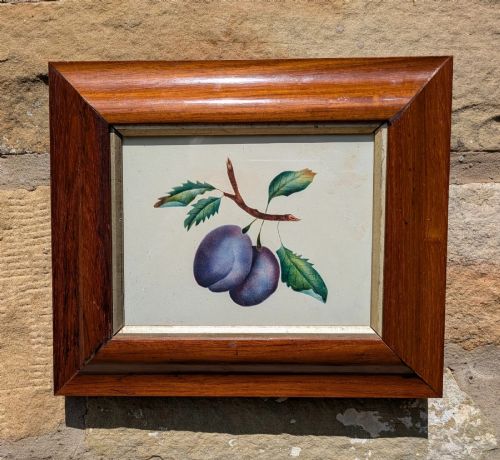
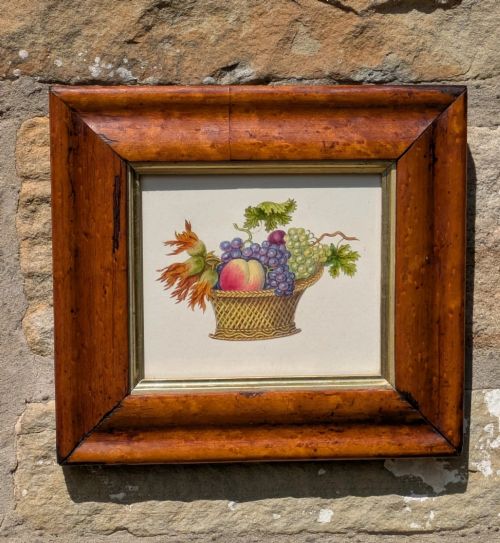
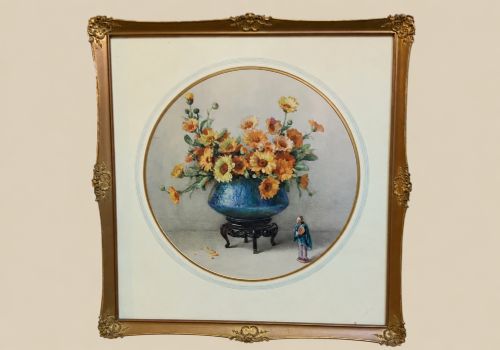
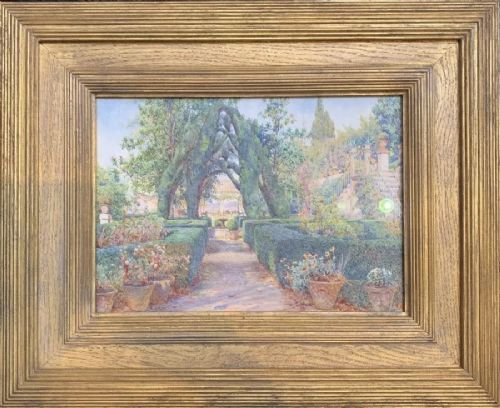
A botanical watercolour artwork presents plant and flower studies executed on paper, encompassing wild roses, plums, fuchsias, and walled gardens. These pieces range from detailed studies to vibrant floral still lifes set in jugs or baskets.
The selections span several periods, including Regency, Victorian, Edwardian, and mid-century modern examples. Buyers frequently encounter nineteenth-century works alongside pieces from the early and mid-twentieth century.
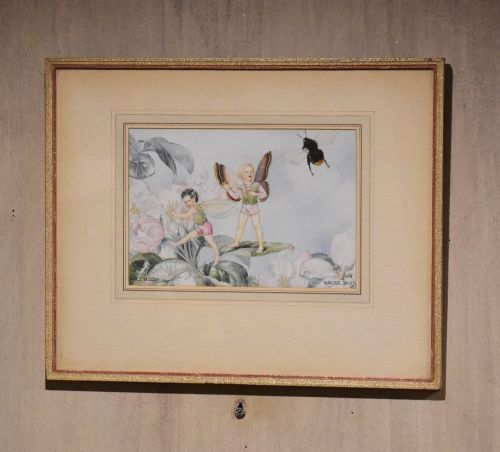
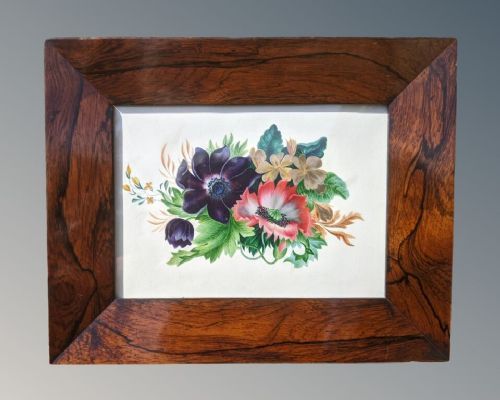
Objects appear in various forms, including framed wall art, fine art paintings, and sets of botanical studies. Many retain period frames in rosewood, gilt wood, or pewter.
Materials and techniques
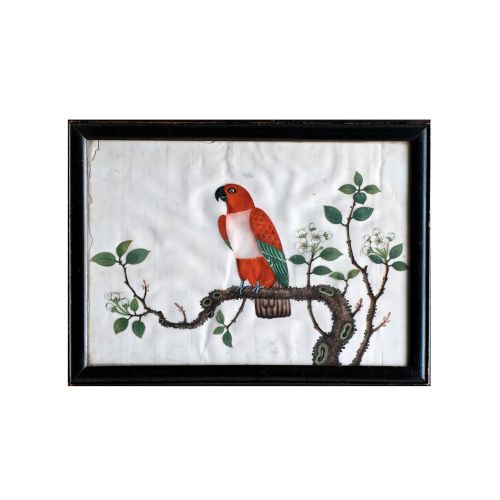
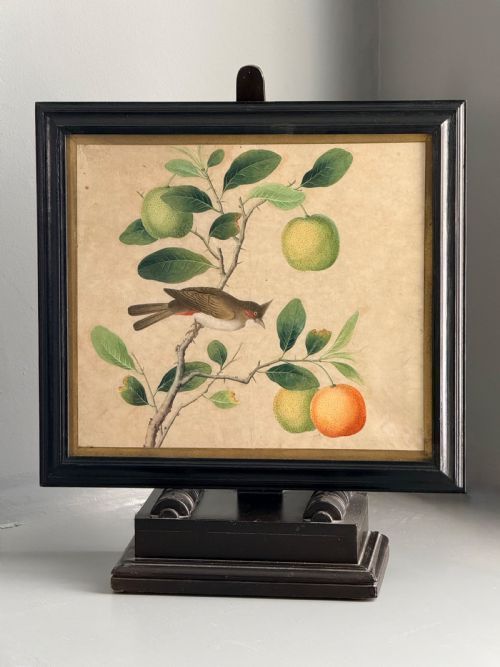
Artists created these works primarily using watercolour pigment and gouache on paper, occasionally combining pencil work with paint. Some early examples utilise pith paper as a unique surface.
Framing materials reflect the period of creation, featuring glass protection alongside wooden frames finished in gilt or rosewood, as well as decorative pewter mounts.
Botanical Watercolour Artwork Retail Price Guide 2026
Typical asking prices for botanical watercolour artwork among the pieces listed under this phrase on Sellingantiques today, from the lower quarter to the upper quarter. They describe what is for sale here now, not the wider market.
Framing materials include rosewood, gilt wood, and decorative pewter, protecting delicate botanical paintings behind glass.
Judging quality in watercolour paintings
Quality rests upon the precision of the brushwork and the sensitivity of the colour palette used to render petals, leaves, and stems. Mastery over transparency and pigment layering distinguishes accomplished artists from standard decorative practitioners.
The condition of the paper surface and the integrity of the original period frame contribute significantly to the overall standing of an artwork. Well-preserved works maintain vibrant pigment tones without excessive fading or discoloration.
Ernest Arthur Rowe·Bonomi Edward Warren·John Sherrin·Alice Anne Renshaw·Harry Wanless·Henrietta Creswell·William Edward Fox·Lester Sutcliffe·William Andrews Nesfield·Lilian Stannard·William Hough·Eloise Harriet Stannard·Edith Barrow·Rowland Henry Hill·Grace Hastie·Margaret Laing·Phyllis I Hibbert·Marian Chase·Alfred W Parsons·Jabez Bligh·Owen Bowen·Charlotte Isa James
The Botanical Watercolour Artwork Glossary
- Gouache
- An opaque watercolour paint that provides heavier coverage and solid colour areas. Artists often combined it with transparent watercolour to create highlights and depth.
- Pith paper
- A delicate oriental plant material used as a painting surface in eighteenth-century works. It requires careful preservation behind glass.
- Still life
- An artwork depicting inanimate subject matter, frequently featuring cut flowers in jugs, bowls of fruit, or baskets. This genre highlights the arrangement of natural objects.
- Aesthetic movement
- A late nineteenth-century design style focusing on visual beauty rather than narrative. Pieces from this movement often feature specialised frames such as pewter.
- English school
- A term denoting artists trained or working within British artistic traditions during a specific era. These creators frequently produced botanical studies and landscape paintings.
Botanical Watercolour Artwork: Frequently Asked Questions
What periods do these paintings cover?
The listings feature works from the eighteenth century, the Regency period, and the Victorian and Edwardian eras. Later pieces extend into the mid-twentieth century.
Twentieth-century examples include works from the nineteen-twenties, thirties, forties, and fifties, demonstrating changing styles in British art.
What subjects appear in the artwork?
Common subjects include wild roses, fuchsias, azalea blooms, pelargoniums, wallflowers, and garden landscapes. Floral still lifes featuring jugs, baskets, and fruit also recur frequently.
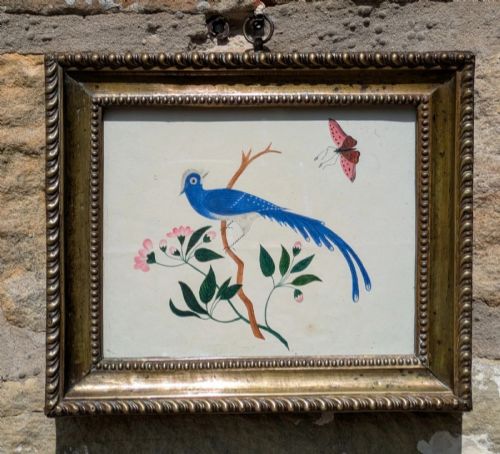
In addition to plants, certain pieces depict exotic birds such as macaws and blue parrots alongside Chinese objects.
Are the works signed by artists?
Numerous pieces feature artist signatures or are attributed to notable painters and English school studies from the nineteenth and twentieth centuries.
Attributions reference documented creators such as James Tower, Lilian Stannard, and John Sherrin, providing clear historical context.