

Botanical Still Life Picture
A botanical still life picture captures the quiet detail of flowers and fruit, offering enduring colour and structure for any room.
Botanical Still Life Picture
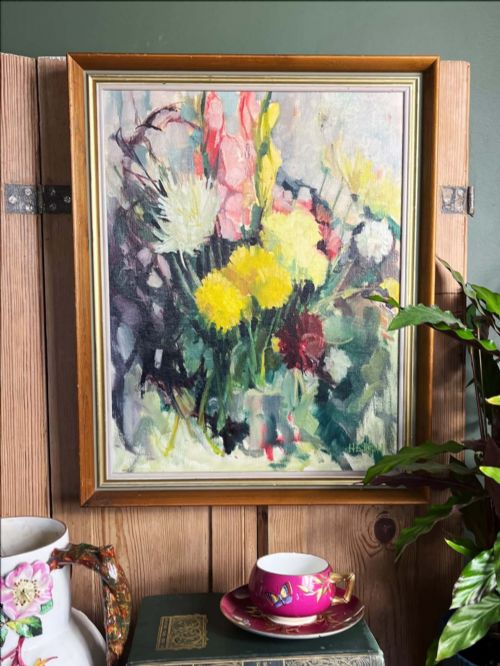
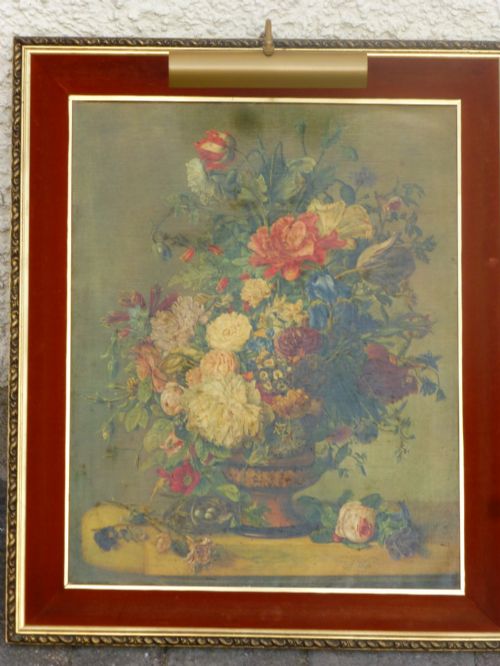
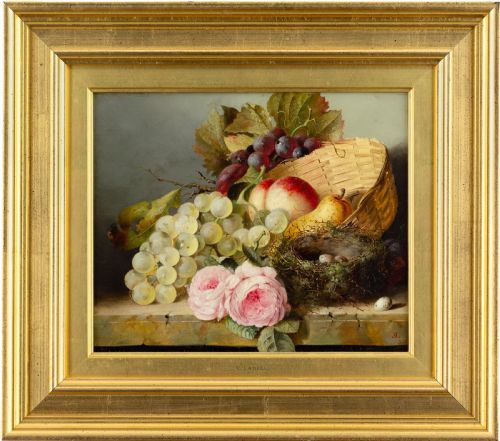
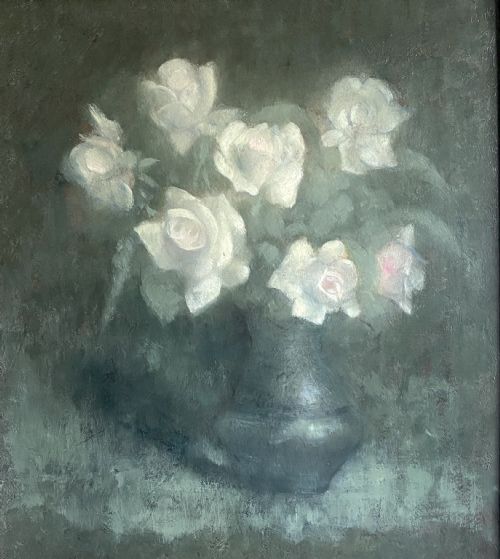
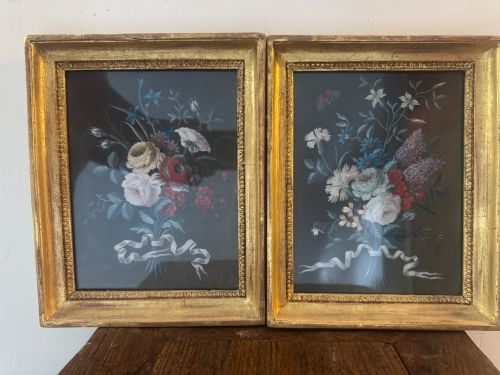
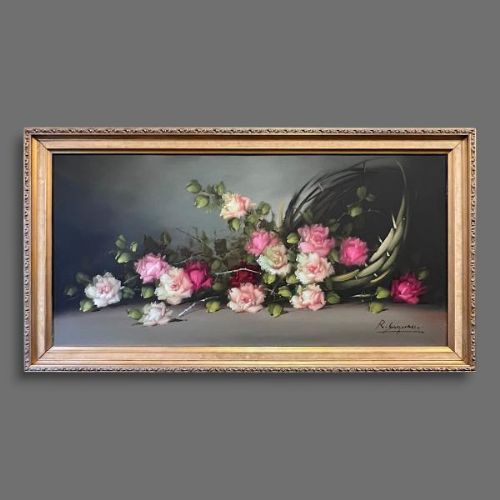
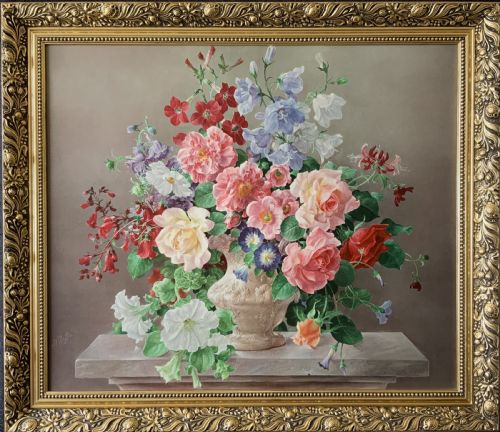
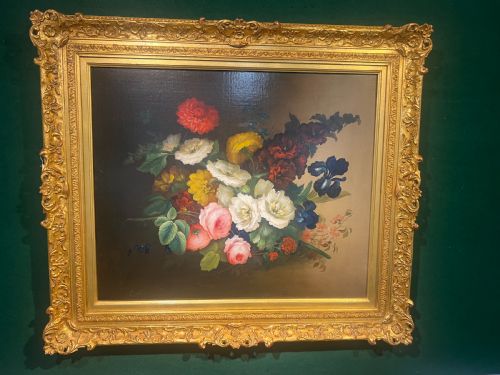
A botanical still life picture portrays arranged natural subjects such as cut blossoms, fruit in baskets, and potted plants. You will encounter works spanning from the eighteenth century through to the mid-twentieth century, reflecting changing tastes in interior decoration.
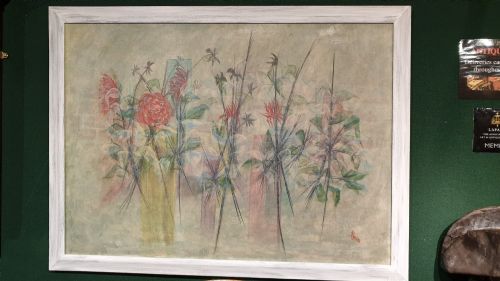
The selections on this page range from detailed nineteenth-century watercolours to mid-century oil paintings and tempera studies. Framed artwork forms the core of what is available, featuring both signed original compositions and decorative period prints.
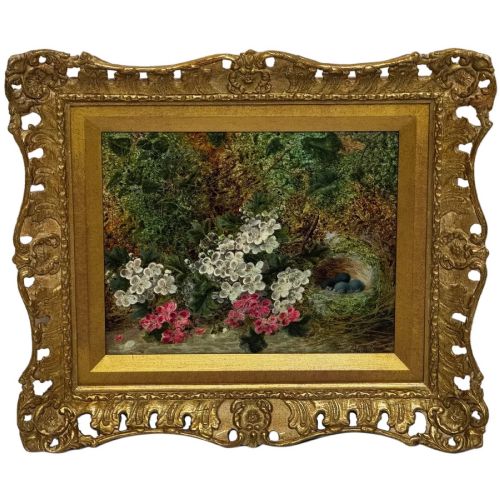
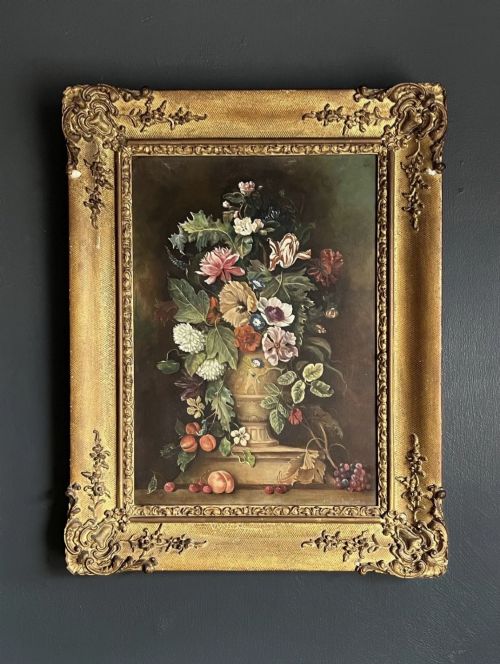
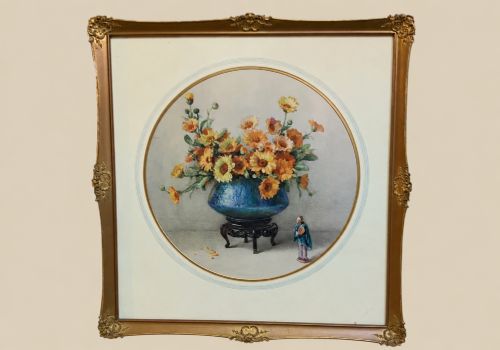
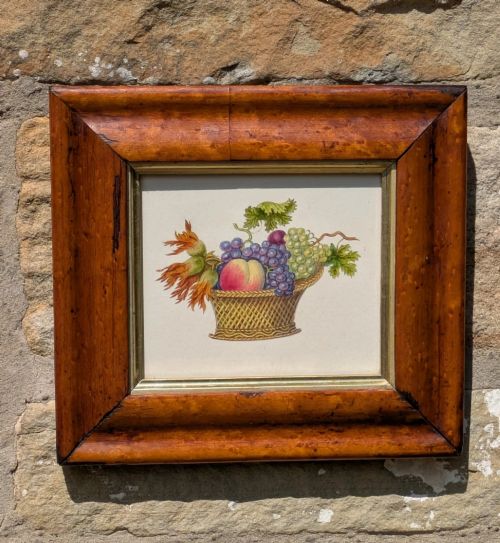
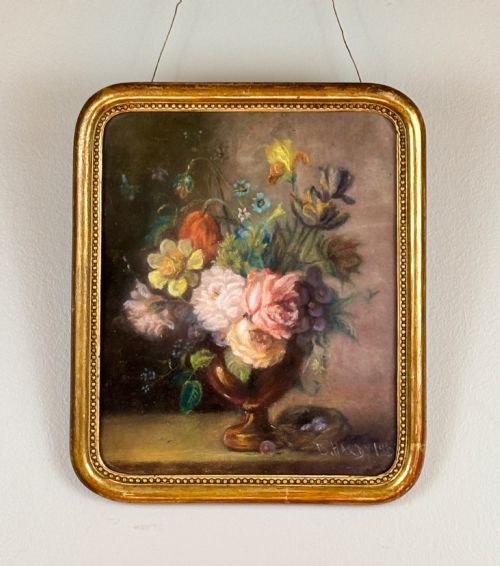
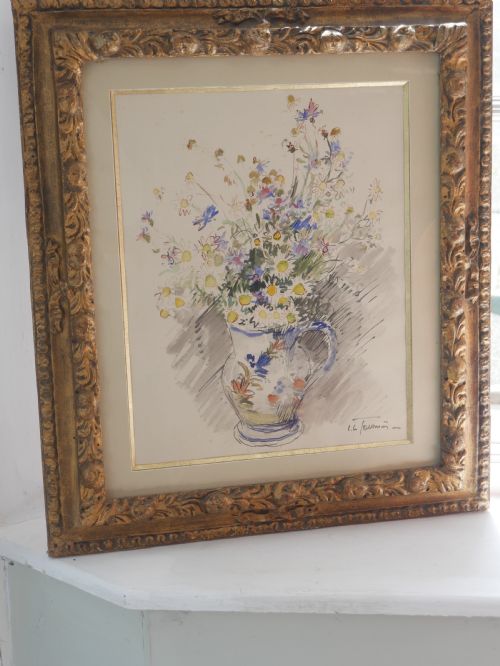
Makers and artists represented stretch across various British and European traditions, capturing flowers in jugs, bowls of apples, and nests with eggs. These pieces offer a direct window into historical domestic aesthetics and botanical observation.
How They Were Made
Artists painted these subjects using oil on canvas or board, watercolour on paper, gouache, and pastel, often mounting them in carved wood or gilt gesso frames. The choice of medium dictates the depth of colour and the precision of botanical detail visible in each composition.
Supports range from traditional stretched canvas and wooden boards to heavy rag paper, reflecting the period standard of the workshop or studio. Frames frequently incorporate gold leaf and moulded plaster to complement the palette of the painting within.
Listings incorporate works spanning from the eighteenth century to the mid-twentieth century, utilising media such as oil, watercolour, pastel, and gouache.
What Varies in Quality
The success of a botanical still life picture rests upon the draughtsmanship and the artist's command of light across petal and fruit surfaces. Stronger works demonstrate a confident balance of composition and subtle colour gradation rather than mere botanical accuracy.
Framing also plays a role in the overall integrity of the piece, with period frames that match the age of the artwork elevating the presentation. The harmony between the painted subject and its setting distinguishes the finest examples.
Oliver Clare·Edward Ladell·William Duffield·Vincent Clare·Henry Schouten
The Botanical Still Life Picture Glossary
- Oleograph
- A mechanical print on canvas that mimics the texture and appearance of an oil painting. It gained popularity in the nineteenth and twentieth centuries as an affordable alternative to original works.
- Gouache
- An opaque water-based paint that dries to a matte finish, allowing for vibrant colour blocks and fine botanical detail on paper. Artists frequently used it for floral studies and preparatory sketches.
- Gesso
- A plaster-like mixture applied to wood frames before gilding or painting, providing a smooth surface for intricate mouldings. Period gesso frames often display hand-carved decorative elements.
- Tempera
- A permanent, fast-drying painting medium consisting of coloured pigment mixed with a water-soluble binder such as egg yolk. It creates a durable, flat surface favoured by certain mid-century artists.
- Pastel
- A dry medium made of powdered pigment and a binder, producing velvety colours closely resembling raw pigment. Works executed in pastel require glass protection to prevent the pigment from smudging.
Botanical Still Life Picture: Frequently Asked Questions
How do I care for antique watercolours?
Keep watercolours away from direct sunlight to prevent the pigments from fading over time. Ensure they are hung in stable humidity environments behind protective glass.
Avoid placing them in damp rooms like kitchens or bathrooms where paper and adhesives can deteriorate. Proper framing with acid-free mounts preserves the integrity of the paper.
Were these always framed?
Most paintings and watercolours of this type were framed to protect the edges of the canvas or paper from damage. Original frames often provide valuable clues regarding the period and origin of the artwork.
Some pieces enter the market in later replacement frames chosen to suit contemporary interiors. Examining the joinery and materials of the frame helps determine its age relative to the painting.
What subjects are most common?
Floral arrangements in jugs, vases, or baskets dominate the subjects, alongside displays of seasonal fruit. Nests with eggs and Chinese ceramic objects frequently accompany the botanical elements.
These compositions reflect traditional Dutch and Victorian still life conventions that emphasised the textures of natural forms. Artists used these arrangements to study light, shadow, and colour harmony.
How do I distinguish oil from watercolour?
Oil paintings feature a textured, light-reflecting surface applied to canvas or wood board, often showing visible brushstrokes. They do not require glass for protection and possess a heavier physical presence.
Watercolours are executed on paper, display a flat matte appearance, and must be displayed behind glass to prevent moisture damage. The absorbent nature of paper allows for softer transitions of tone than oil.