


Botanical Still Life Pair
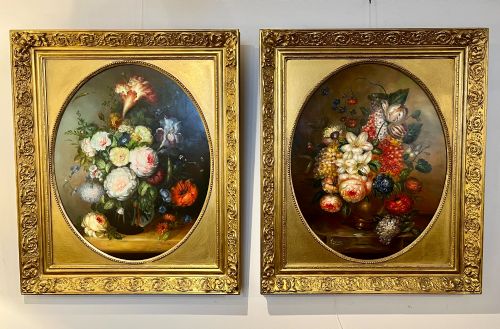
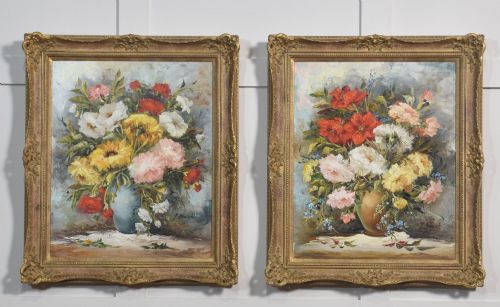
A botanical still life pair brings natural symmetry into a room through paired compositions of flowers and fruit.
Botanical Still Life Pair
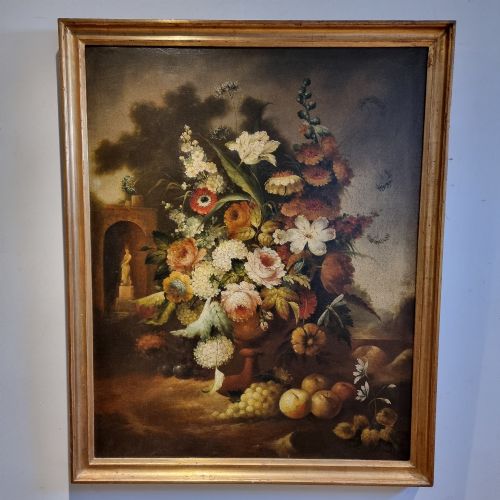
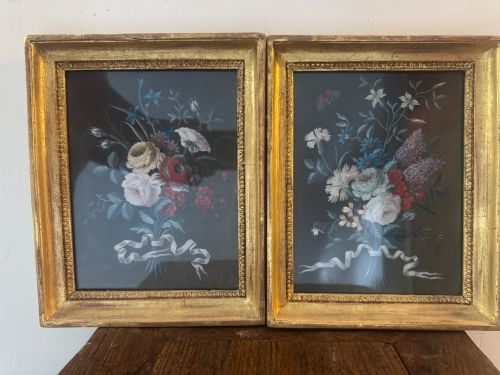
A botanical still life pair consists of matched artworks featuring arrangements of flowers and fruit, designed to be hung together as a balanced unit. The pieces on this page span several periods, including the Victorian era, the nineteenth century, and the early twentieth century. Common forms include oil paintings on canvas and board, watercolours, and gouache works.
Makers and artists working in the Dutch Golden Age style, Baroque traditions, and eighteenth-century revival styles produce these balanced compositions. Buyers encounter framed artworks in materials such as wood, gilded wood, and glass, reflecting classical and neoclassical influences.
Materials and construction
Artists create these works using oil paint on canvas or board, alongside delicate watercolours and gouache on paper. Hand-painted fruit and floral details demonstrate traditional brushwork techniques across the various periods represented.
Frames utilise wood and gilded wood, often incorporating gold leaf to enhance the visual weight of the paired artworks. Protective glass frequently covers works on paper, such as watercolours and gouache paintings.
Framing materials include plain wood, gilded wood, and gold leaf, frequently paired with protective glass.
Assessing quality in matched pairs
Quality rests in the precision of the botanical and fruit details, where finer brushwork distinguishes masterly compositions from simpler decorative pieces. The harmony between the two frames and the consistency of the palette determine the strength of the pair.
The integration of the supporting materials, such as the depth of gilding on the wood frames and the preservation of the original paint surface, separates standard decorative examples from superior works.
Manuela Bonati·Henry Schouten·Oliver Clare
The Botanical Still Life Pair Glossary
- Oil paint
- A slow-drying medium made from pigment suspended in oil, commonly used on canvas or board for rich colour depth. It allows artists to build layered textures in floral compositions.
- Gouache
- An opaque water-based paint that dries to a matte finish, frequently used on paper for botanical studies. It provides strong, solid colour areas compared to transparent watercolour.
- Gilt
- A thin layer of gold applied to wood or other surfaces to create a decorative metallic finish. Gilt wood frames are typical in classical and revival artworks.
- Board
- A rigid flat substrate used as an alternative to stretched canvas for painting. Artists frequently applied oil directly to board surfaces during the nineteenth and twentieth centuries.
- Baroque style
- An artistic approach characterised by dramatic lighting, deep shadows, and rich compositions. Works in this tradition emphasise theatrical arrangements of flowers and fruit.
Botanical Still Life Pair: Frequently Asked Questions
How should I hang a botanical still life pair?
Hang the two pieces at eye level with consistent spacing between them to maintain the intended visual balance of the composition.
Ensure the paired frames align correctly on the wall so the relationship between the two subjects remains harmonious.
What subjects feature in these paired artworks?
The compositions focus primarily on arrangements of flowers and fruit, often styled after Dutch Golden Age or Baroque traditions.
Some examples highlight specific botanical studies, while others present decorative tabletop or vase assemblies.
How do I care for oil paintings on board?
Keep the paintings away from direct sunlight and steady temperature fluctuations to protect the wood board and oil pigment.
Dust the surface gently with a dry, soft cloth and avoid using liquid cleaners on the paint or frame.
Are watercolours framed differently from oil paintings?
Watercolours and gouache works on paper require protective glass and mount boards to prevent environmental damage.
Oil paintings on canvas or board typically remain unglazed, exposing the textured paint surface directly to the room.