

Decorative Framed Wall Art
These decorative framed wall art pieces span centuries of craftsmanship, offering distinct character and timeless visual appeal for any interior.
Decorative Framed Wall Art
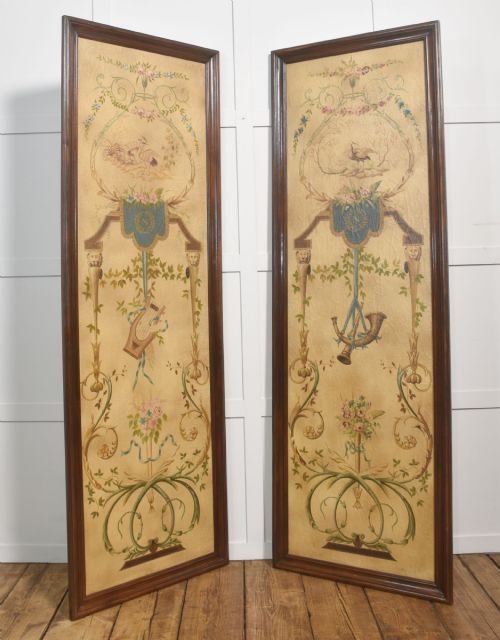
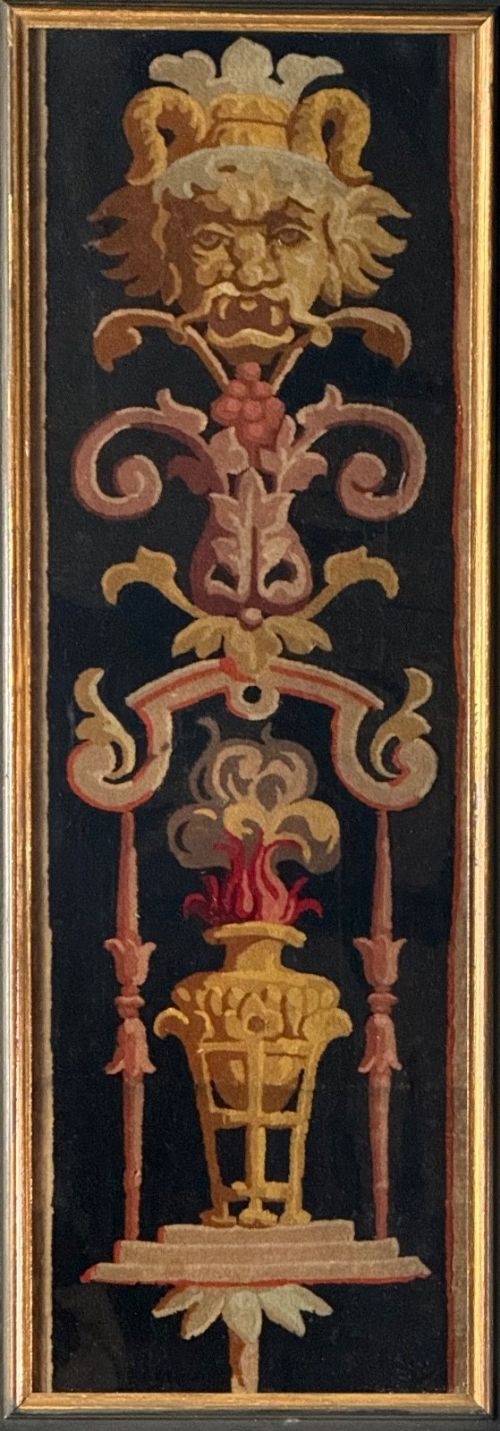
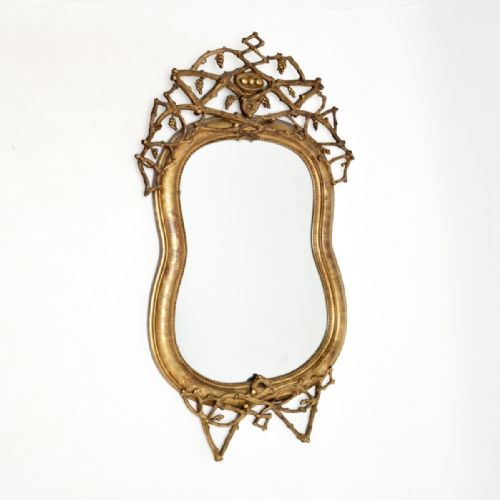
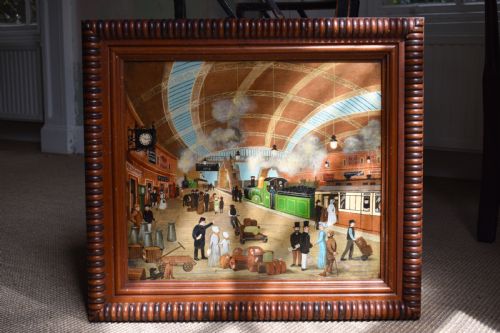
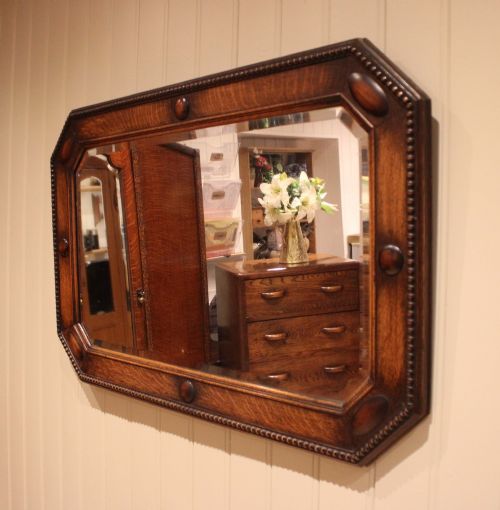
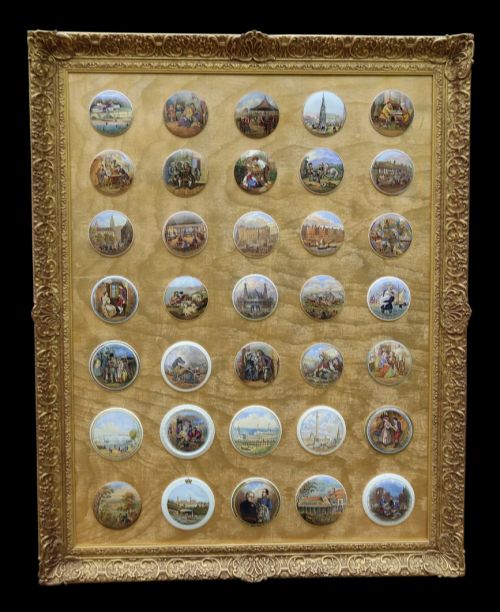
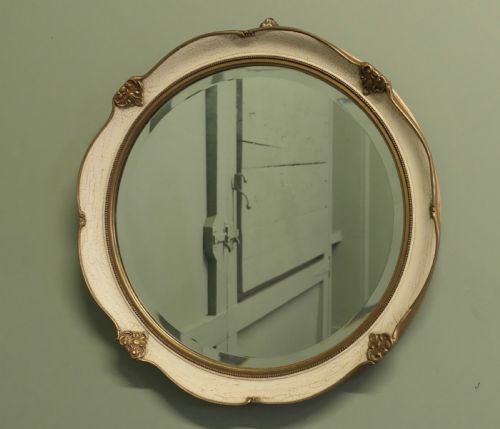
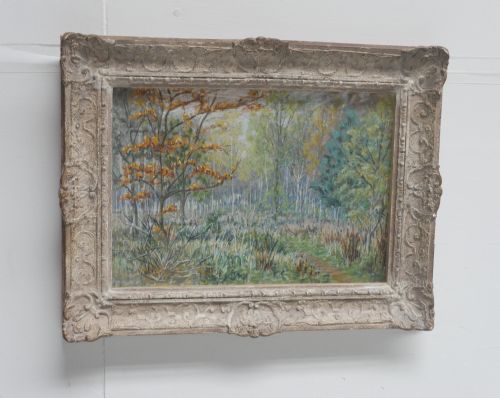
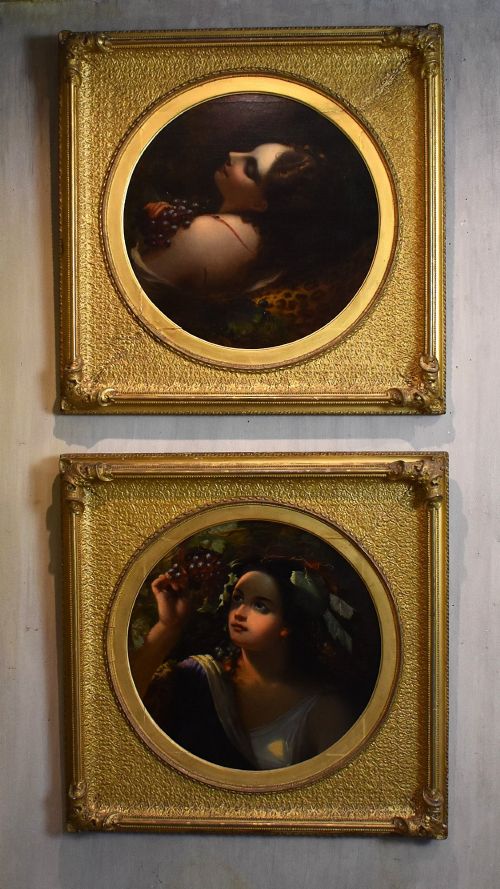
When you search for decorative framed wall art, you encounter a diverse selection of historical objects ranging from oil paintings and watercolours to mirrors and relief plaques. The inventory contains items originating from the seventeenth century through to the mid-twentieth century, capturing shifts in domestic taste.
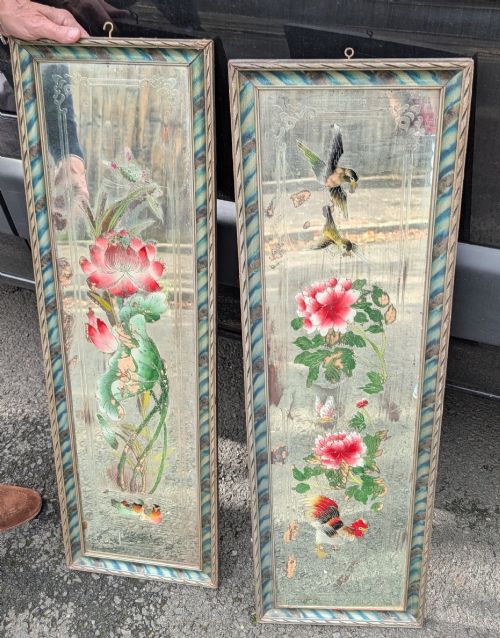
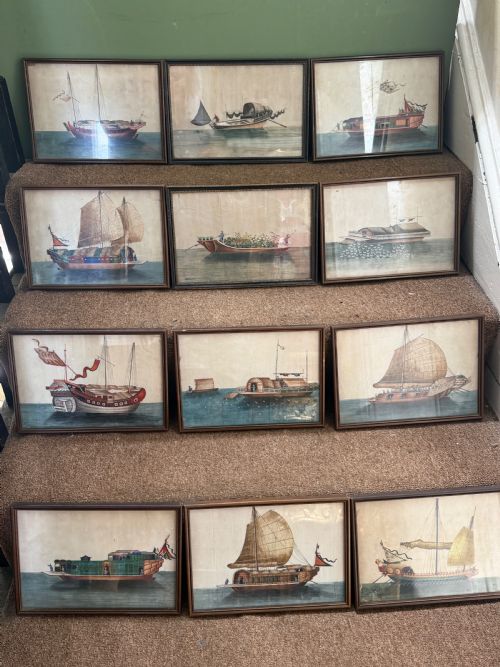
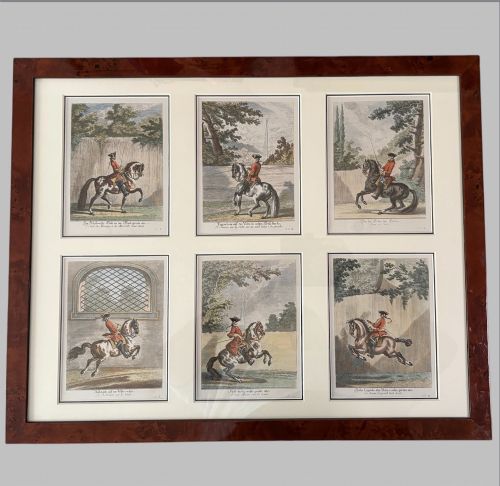
The most common forms on this page include oil paintings, framed prints, and mirrors set within wood or metal frames. Pieces often reflect specific regional traditions, such as Chinese export gouache watercolours or Dutch school landscapes.
Stylistic influences vary significantly, taking in Georgian elegance, Victorian ornamentation, Arts and Crafts handcrafting, and Art Deco geometry. Buyers select these works to introduce texture, colour, and historical narrative to wall spaces.
How They Were Made
Makers utilised traditional methods involving timber, canvas, copper, and glass to construct these items. Oil paint, gouache, and tempera provide the colour and depth on panels and canvases, while repoussé and beaten copper techniques define the metalwork.
Frames are frequently carved from oak or gilt wood, complementing the delicate paper, silk, or velvet media housed within. Craftspeople applied hand-colouring, embroidery, and inlay work using materials like mother-of-pearl and abalone to enhance visual detail.
The selection includes items produced across the seventeenth, eighteenth, nineteenth, and twentieth centuries.
What Varies in Quality
The standard of execution in brushwork, carving, and metal embossing distinguishes finer examples from simpler workshop output. Mastery of composition and the handling of light and pigment dictate the artistic success of paintings and panels.
The integrity of the original frame relative to the artwork contributes significantly to the piece's overall cohesion. Superior items retain their original gilding, patination, and mounting without intrusive later alterations.
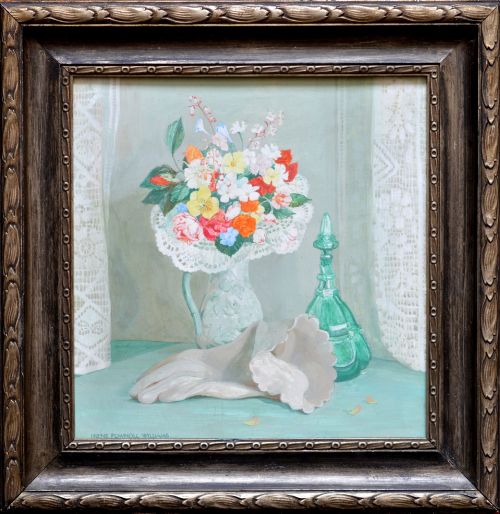
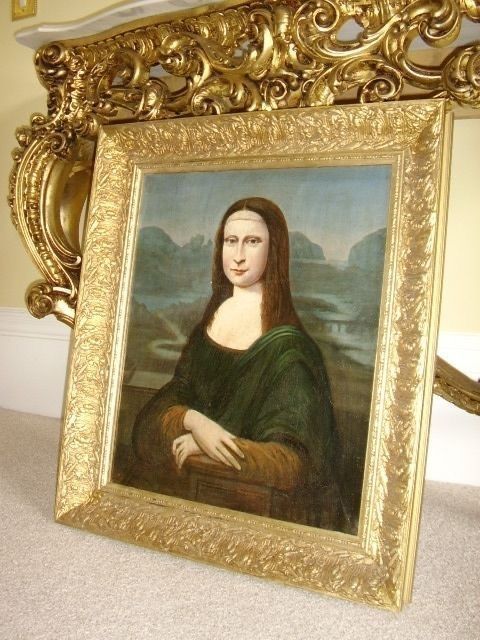
Irene Christobelle Pownoll Williams·Leonardo Da Vinci·Theodore Jensen·J De Ninville·JOHN A MONTEITH·David Pelbam·Ridinger·Boucher
The Decorative Framed Wall Art Glossary
- Repoussé
- Metalworking technique where a design is hammered into relief from the reverse side. This method appears frequently on Arts and Crafts mirror frames.
- Gouache
- An opaque water-based pigment used for works on paper or card. It yields flat, vibrant areas of colour.
- Tempera
- A permanent, fast-drying painting medium consisting of coloured pigment mixed with a water-soluble binder. It was often applied to wooden panels.
- Chinoiserie
- European artistic style reflecting Chinese artistic influences. It appears on decorative panels and lacquerwork.
- Tinsel painting
- Reverse painting on glass enhanced with metallic foil. These form part of historical theatrical print collections.
Decorative Framed Wall Art: Frequently Asked Questions
How do I hang heavy framed wall art safely?
Ensure your wall fixings match the substrate, whether plaster, brick, or stud work. Utilise heavy-duty picture wire and appropriately rated hooks.
Distribute the weight evenly across two fixings for wider mirrors and large oil paintings to maintain stability.
Can I mix different periods of wall art together?
Combining seventeenth-century panels with twentieth-century Art Deco mirrors creates a layered interior. Matching scale and frame tones helps unify disparate eras.
Allow the architectural context of the room to guide your placement decisions rather than sticking to a single period.
How should I clean antique oil paintings and frames?
Dust frames gently with a soft, dry brush to prevent accumulation in carved crevices. Avoid chemical cleaners on gilded surfaces.
Consult a professional conservator for cleaning painted surfaces or removing varnish layers from canvas.
What lighting works best for framed textiles and paper?
Position pieces away from direct sunlight to prevent fading of watercolours, embroidery, and gouache. Indirect ambient light preserves the pigments.
Utilise low-heat LED picture lights if additional illumination is required for evening viewing.