


Traditional Fruit Oil Painting
A traditional fruit oil painting brings rich colour and classical composition into a room, capturing apples, grapes and baskets with enduring texture.
Traditional Fruit Oil Painting
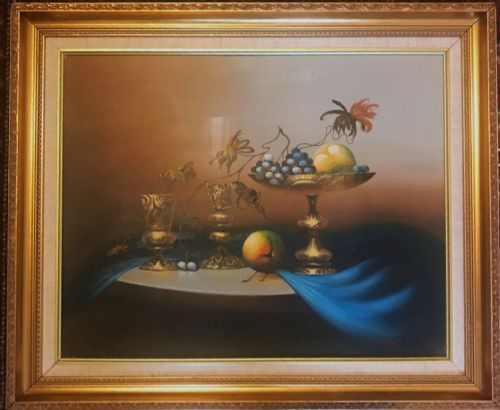
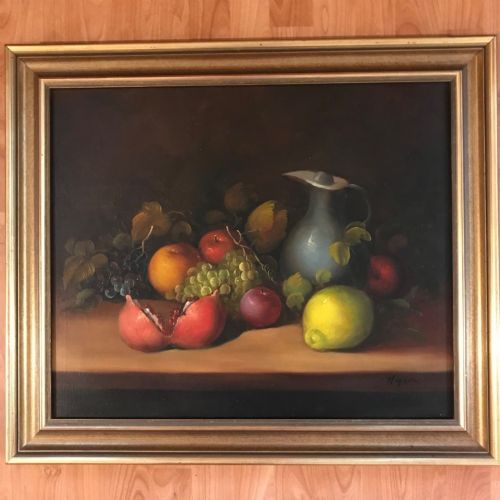
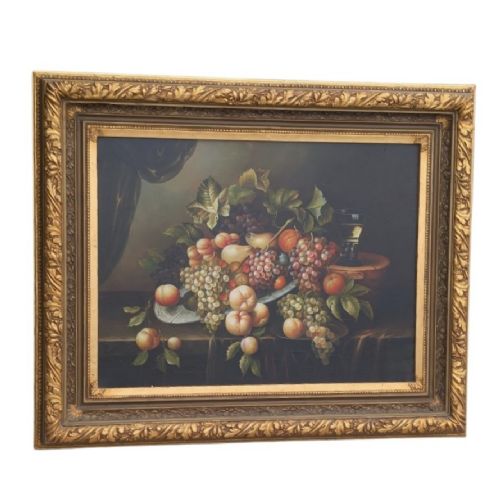
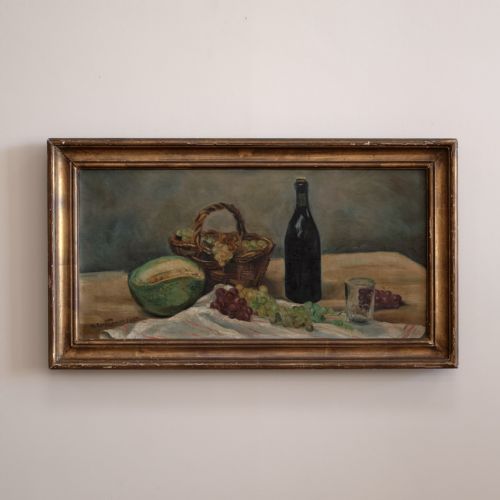
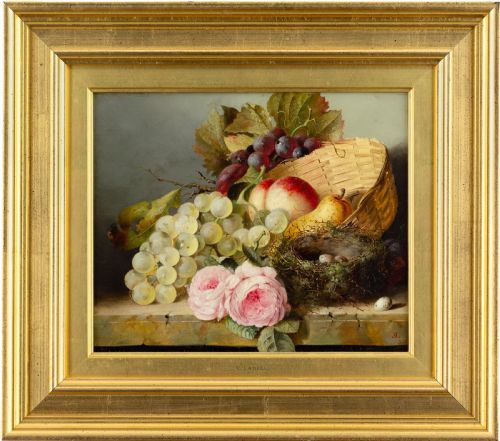
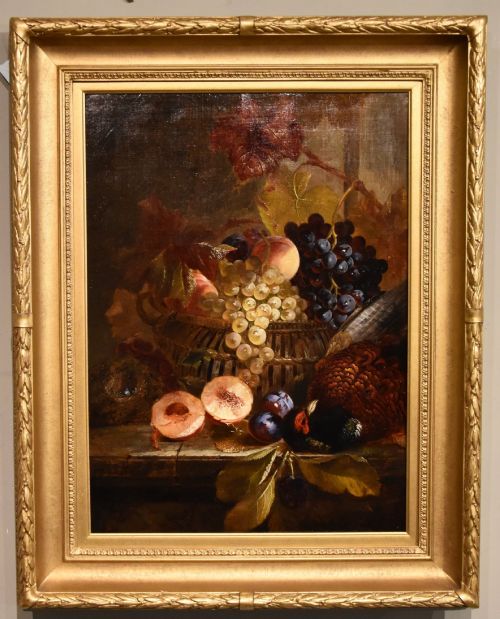
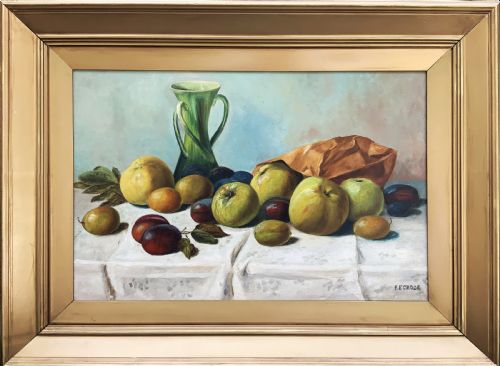
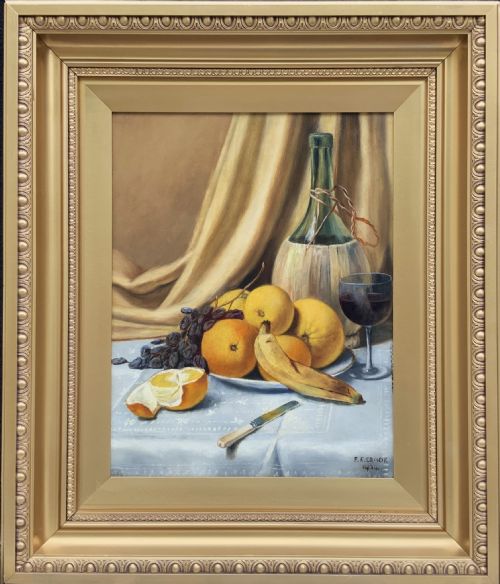
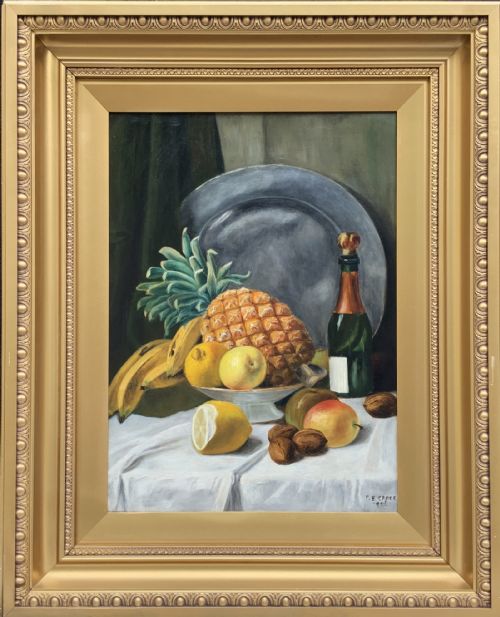
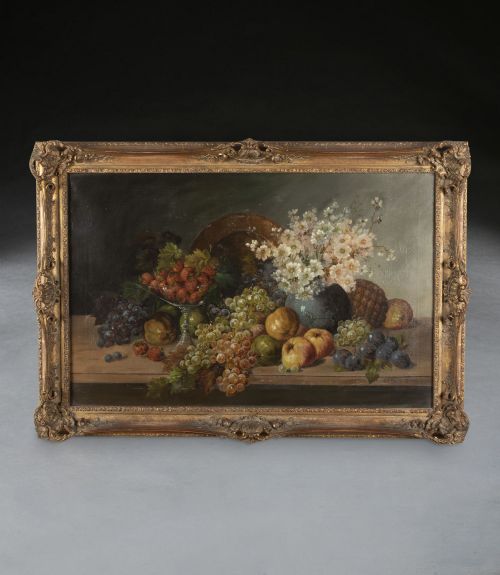
A traditional fruit oil painting depicts carefully arranged harvests on canvas or wood panel, often featuring apples, grapes, and baskets. These works span the Victorian, Edwardian, and early twentieth century periods, reflecting classical realism and baroque influences.
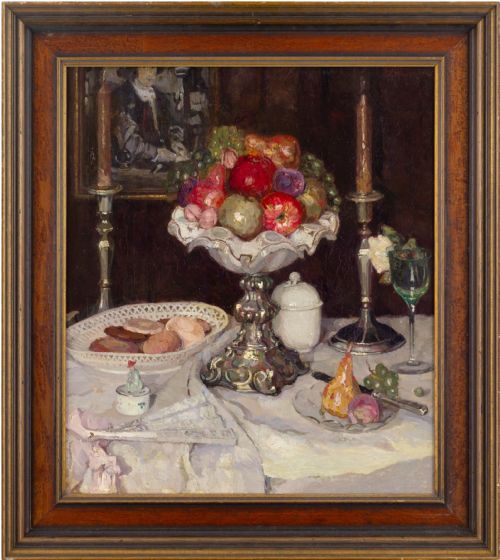
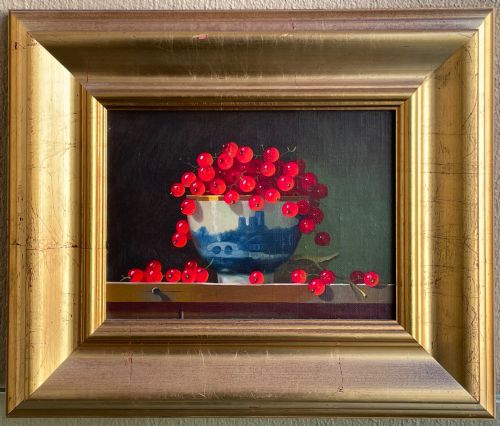
The compositions vary from intimate tabletop studies of berries to large larder scenes complete with porcelain and game. Many pieces originate from British and European schools, carrying the aesthetic of the nineteenth century into modern interiors.
Materials and technique
Painters applied rich oil paint to stretched canvas or solid wood panels, building depth through layered glazes and opaque highlights. This traditional medium allowed artists to render the translucent skin of grapes and the rough texture of wicker baskets with striking realism.
Many works retain their original gilt, giltwood, or solid wood frames finished with gold leaf. These period frames complement the warmth of the oil pigments and protect the edges of the canvas.
Several paintings sneak a curious parrot or a stray bird's nest right into the middle of the fruit basket.
Composition and execution
Quality rests in the precision of brushwork and the natural arrangement of light across the subject matter. Superior works show careful attention to the reflection on glassware and the varied textures of fruit skins.
The distinction between standard decorative pieces and finer works lies in the depth of shadow and the structural balance of the composition. Original period frames that match the age of the canvas add considerable integrity to the piece.
Edward Ladell·William Duffield·George Lance·Jozsef Molnar·Thomas Hooper
The Traditional Fruit Oil Painting Glossary
- Oil on Canvas
- Pigment mixed with drying oil applied to a woven fabric support. This combination provides a flexible and durable surface that holds rich brush texture.
- Giltwood
- Timber carved and coated with gold leaf or metallic powder. It frames many traditional paintings with a bright, reflective border.
- Still Life
- An artwork depicting inanimate subject matter, typically commonplace objects such as fruit, flowers, and vessels. These arrangements allow artists to focus entirely on form, light, and colour.
- Classical Realism
- An artistic approach based on historical methods of observation and representation. It prioritises accurate anatomical and spatial proportions over abstracted forms.
Traditional Fruit Oil Painting: Frequently Asked Questions
Where should I hang a fruit oil painting?
These works suit dining rooms or kitchens where their harvest themes complement the space. Place them away from direct sunlight to protect the oil pigments.
Selecting a wall with stable humidity helps preserve both the canvas and the original wooden or gilt frame.
How do I clean an antique oil painting?
Dust the surface very gently with a soft, dry brush to remove loose particles. Avoid using water, household cleaners, or cloths on the paint layer.
Professional conservators should handle any deeper cleaning or removal of aged varnish to prevent damaging the original pigment.
How do I date a traditional oil painting?
Examine the materials of the stretcher bars, canvas weave, and the style of the gilt frame for period clues. Victorian and Edwardian works often bear signatures, dates, or framing stamps on the reverse.
Stylistic elements like the arrangement of objects and clothing or ceramics depicted can also narrow down the decade.
What is a larder view painting?
A larder view depicts provisions stored in a pantry, combining fruit with game, vegetables, and tableware. This genre highlights domestic abundance and culinary preparation.
Artists used these compositions to showcase their skill in rendering diverse textures, from feathers and fur to smooth fruit skins.