




Botanical Floral Glass Vase
These pieces gather the botanical floral glass vase tradition, bringing painted and etched blooms into a room through glass, canvas, and paper.

Botanical Floral Glass Vase
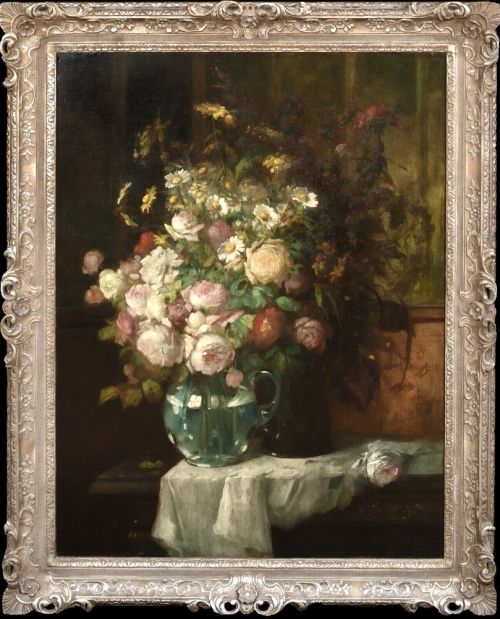
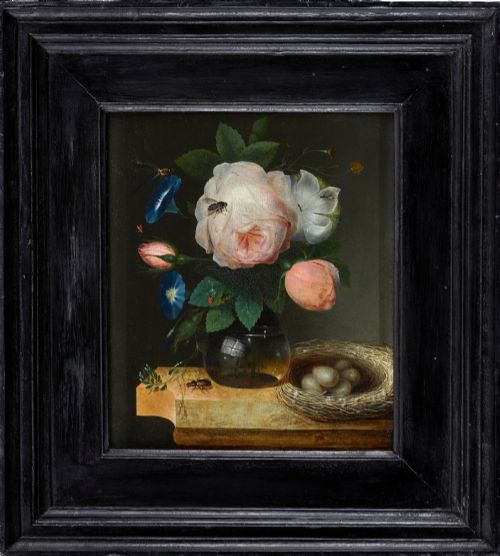
When you search for a botanical floral glass vase, you encounter a selection of vessels and depictions spanning several centuries. The material evidence on this page reaches from seventeenth-century Flemish canvases through Victorian hand-painted glass to early twentieth-century cameo glass pieces.
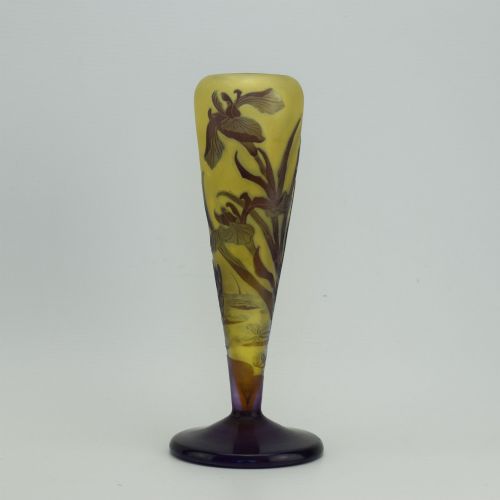
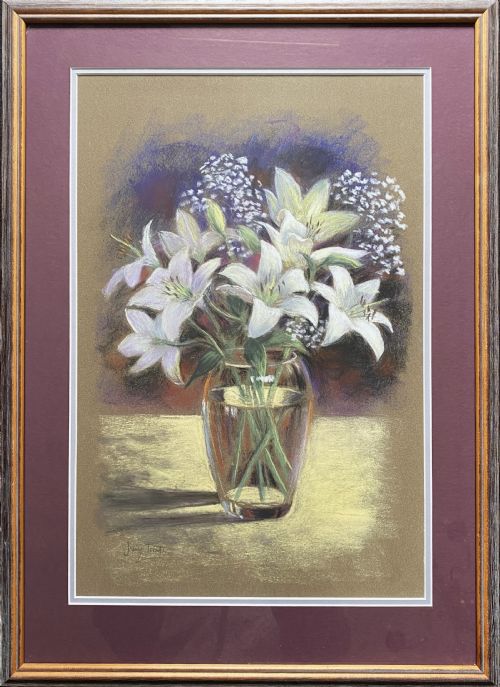
The physical objects themselves include cameo glass vessels bearing acid-etched irises, cornflowers, and begonias alongside oil paintings and watercolours that capture flowers arranged in glass holders. Art Nouveau works by makers such as Gallé and Daum Frères dominate the glass category, while painters record similar subjects across canvas and board.
Buyers seeking these items often weigh the three-dimensional presence of etched glass against the flat surface of a still-life painting. Both forms capture floral motifs through different material means, yet they share a common lineage of botanical observation across the nineteenth and twentieth centuries.
Materials and construction methods
Glass vessels on this page rely heavily on cameo techniques, where multiple layers of coloured glass undergo acid-etching to reveal contrasting floral relief designs. Makers such as Baccarat and Gallé utilised this chemical reduction process to build up detailed motifs of cornflowers, begonias, and aquatic irises.
Painted works utilise oil paint, watercolour, tempera, and pastel applied to canvas, board, and paper. These two-dimensional pieces record botanical subjects through traditional brushwork, contrasting with the translucent qualities of frosted and cameo glass.
Listings span from the seventeenth century to the nineteen-sixties, incorporating cameo glass, oil paint, watercolour, and canvas.
Assessing quality in botanical works
Quality in cameo glass rests upon the depth of the acid-etching and the crispness of the botanical relief against the background. Pieces with sharper definition in petals and stems demonstrate greater mastery by the workshop.
For painted representations, the finesse of brushwork and the naturalism of the floral arrangement dictate the standard. Works that capture the light passing through a glass vessel show a higher level of technical execution.
Konstantin Stoitzner·Gaspar Peeter Verbruggen·Emile Galle·Daum Freres·Stuart Armfield·Jennifer Toombs·Baccarat·Owen Bowen·Terence Loudon·William Edward Fox
The Botanical Floral Glass Vase Glossary
- Cameo Glass
- A method of creating relief designs by acid-etching or carving through fused layers of different coloured glass. This technique allowed French makers to render naturalistic floral details in high contrast.
- Acid-Etched Glass
- A process utilising hydrofluoric acid to eat away exposed surfaces of glass to form matte textures or raised patterns. It became a defining method for Art Nouveau vessels.
- Still Life
- An artwork depicting inanimate subject matter, typically everyday objects or botanical specimens. In these listings, they frequently feature flowers positioned inside glass vessels.
- Art Nouveau
- An international style of art and architecture prominent around nineteen hundred, characterised by organic motifs and curving plant forms. This aesthetic heavily influenced the glass vessels on this page.
- Frosted Glass
- Glass rendered opaque and non-reflective through acid treatment or sandblasting. This surface treatment softens the appearance of the vessel body.
Botanical Floral Glass Vase: Frequently Asked Questions
What is cameo glass?
Cameo glass involves layering multiple colours of glass and removing portions to expose a contrasting design.
This technique allows makers to sculpt botanical motifs directly onto the vessel wall in sharp relief.
How do I date these pieces?
Dating relies on stylistic markers, signatures, and material techniques recorded across the nineteenth and twentieth centuries.
Art Nouveau works typically display signatures and organic plant motifs characteristic of the nineteen-hundreds.
Where were these glass pieces made?
Many of the cameo glass vessels originate from French workshops active during the late nineteenth and early twentieth centuries.
Other works include British and continental paintings depicting similar botanical subjects.
How should I display a glass vase?
Glass vessels benefit from placement near natural light sources to illuminate the cameo layers and etched details.
Keeping them away from direct heat protects the material integrity of antique glass.