



Antique Cameo Decorative Vase
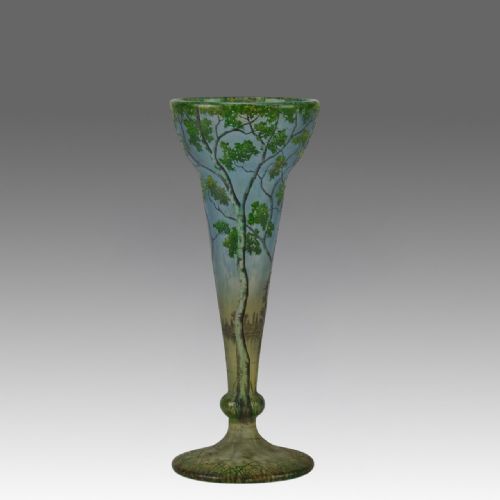
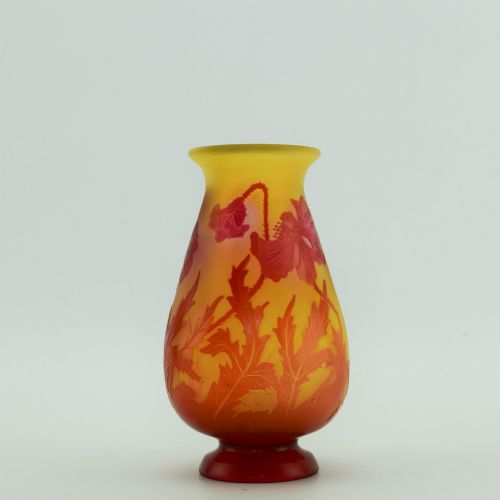
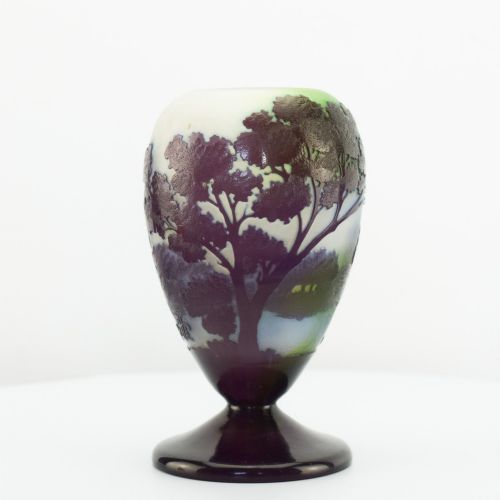
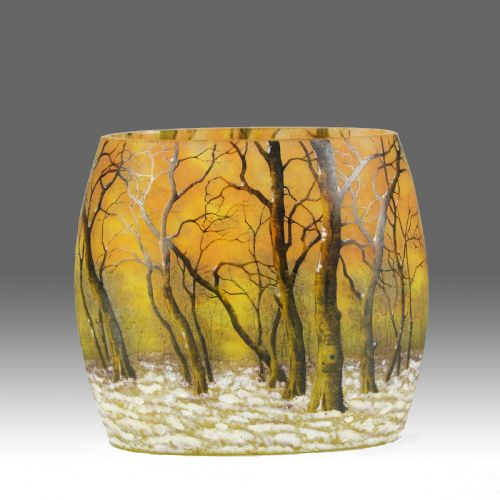
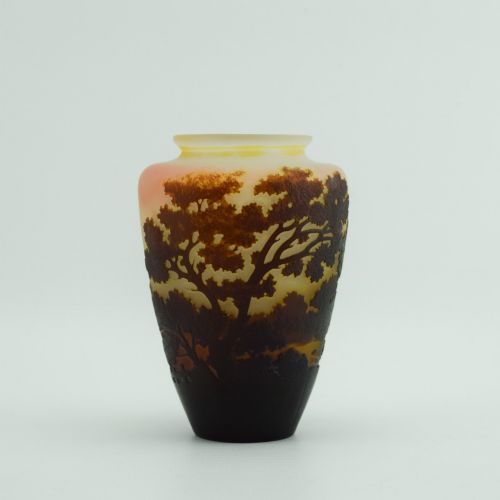
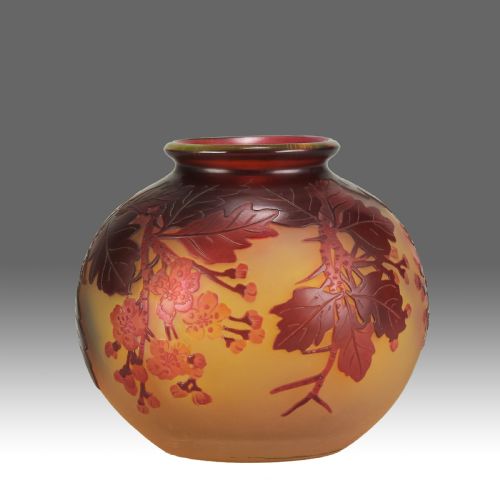
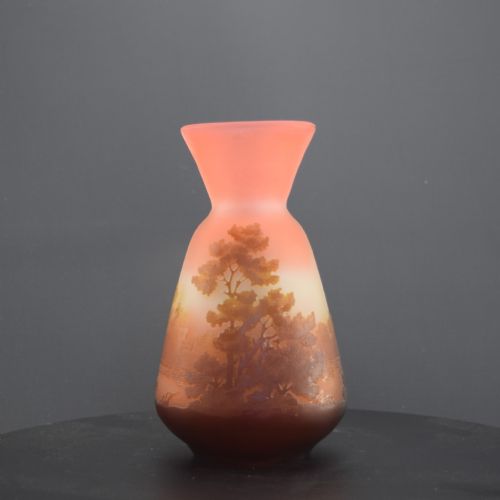
An antique cameo decorative vase brings vibrant botanical and landscape motifs into a room through layered glass.

Antique Cameo Decorative Vase
An antique cameo decorative vase is an item of art glass featuring raised designs carved or etched from multi-coloured glass layers. The pieces on this page span from the late nineteenth century into the nineteen-thirties, capturing the height of the Art Nouveau movement.
Most examples take the form of oviform or footed vessels decorated with natural subjects such as poppies, cornflowers, winter landscapes, and sunsets. French glassworks dominate the selection, bringing distinctive floral and topographical themes to each piece.
How they were made
Maker's workshops built these vessels using blown glass with multiple coloured layers fused together while hot. Artisans then applied acid-etching and manual carving techniques to cut through the outer layers and reveal contrasting shades beneath.
Some ambitious works incorporated supplementary techniques like enamel detailing or gold leaf accents to enrich the finished surface. Artists utilised these layered glass methods to achieve subtle shading in floral petals and distant horizons.
The listings feature pieces from nineteen-hundred to nineteen-thirty, with cameo glass as the primary material alongside frosted glass and enamel.
What varies in quality
Quality rests upon the depth of the carving and the complexity of the glass layers used to build the design. Finer examples display crisp definition in floral stems and landscape elements without losing the harmony of the underlying colours.
Signatures and attribution also shape the standing of a piece, with works bearing distinct signatures from leading studios commanding particular attention. The control of light passing through frosted or transparent glass further distinguishes superior production.
Daum Frères·Gallé·Legras·Baccarat·Paul Nicholas for D'Argental
The Antique Cameo Decorative Vase Glossary
- Cameo Glass
- A vessel formed from multiple layers of different coloured glass carved or acid-etched to create a raised design. This technique requires exceptional skill to avoid cutting through the thin exterior layer.
- Acid-Etched Glass
- Glass treated with hydrofluoric acid to eat away exposed surfaces and create texture or depth. Makers applied resists to protect specific areas of the glass during the chemical process.
- Art Nouveau
- A decorative style characterised by flowing organic lines, floral motifs, and asymmetrical forms. This aesthetic dominated European design around the turn of the twentieth century.
- Frosted Glass
- Glass treated to produce a matte, non-reflective surface finish. The technique diffuses light gently across the body of the vase.
- Blow-Out Vase
- A piece of hot glass expanded inside a mould until it pressed firmly against the interior walls. This method created bold, three-dimensional forms before surface carving took place.
Antique Cameo Decorative Vase: Frequently Asked Questions
Where should I display my decorative vase?
Place the vessel in a secure location where natural light can pass through the layered glass to highlight the carved colours. Avoid spots exposed to direct midday sun or strong vibrations from heavy foot traffic.
A stable shelf or cabinet with adequate clearance allows the botanical or landscape motifs to be viewed from multiple angles.
How do I identify the maker?
Examine the surface near the base or within the design for signatures etched, enamelled, or cameo-carved directly into the glass. Different studios used distinct lettering styles and branding conventions during the period.
Compare the signature style and the specific floral or landscape subject matter against known examples from the same workshop to confirm the attribution.
What periods do these pieces represent?
The selection spans from the late nineteenth century through the nineteen-thirties, encompassing the peak years of Art Nouveau glass production. Most examples date from the nineteen-hundreds to the nineteen-twenties.
Changes in subject matter and glass-working techniques evolved across these decades, shifting from detailed floral studies toward broader landscape expressions.