




Bohemian Porcelain Figure
A bohemian porcelain figure brings expressive nineteenth and twentieth century ceramic artistry into a room, offering sculptural grace and period character.
Bohemian Porcelain Figure
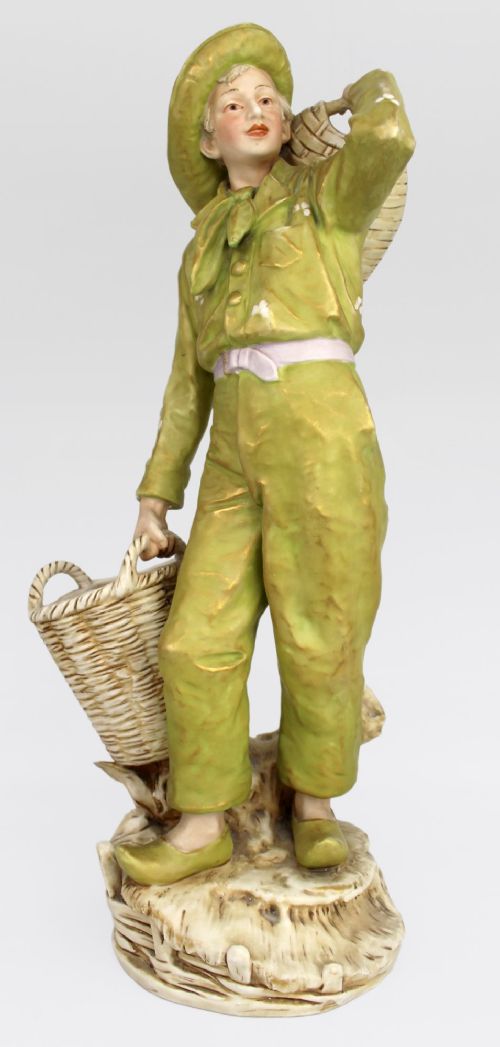
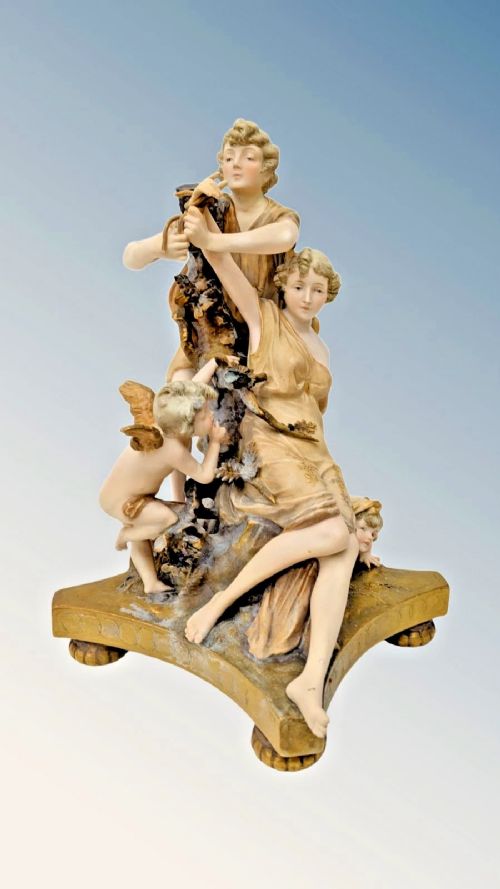
When you search for a bohemian porcelain figure, you encounter sculptural ceramics produced across the nineteenth and early twentieth centuries. These pieces take the form of graceful maidens, water carriers, animals, and figurative groups.
The version you are most likely to meet on this page originates from prominent Bohemian factories and studios spanning the Victorian era through the Art Nouveau and Art Deco periods. They range from small tabletop figurines to monumental decorative centrepieces.
How they were made
Makers utilised porcelain, ceramic, and biscuit porcelain, shaping them into detailed figural sculptures and busts. These forms often received careful glazing to define drapery and surfaces.
Artisans applied enamel colours and gold leaf highlights to enhance decorative details, particularly on Art Nouveau and Orientalist models.
Bohemian Porcelain Figure Retail Price Guide 2026
Typical asking prices for bohemian porcelain figure among the pieces listed under this phrase on Sellingantiques today, from the lower quarter to the upper quarter. They describe what is for sale here now, not the wider market.
Materials recorded across the inventory include biscuit porcelain, ceramic, enamel, and gold leaf.
What varies in quality
Quality rests in the crispness of the modelling, the subtlety of the enamel work, and the preservation of gilt details. Sculptures with well-defined facial expressions and hand-painted touches sit at the higher end.
Scale and complexity also dictate standing, with large figural groups and monumental depictions demonstrating greater technical ambition than standard single figurines.
Royal Dux Bohemia·Ernst Wahliss·Eichwald·Alois Hampel·H. Schubert
The Bohemian Porcelain Figure Glossary
- Biscuit porcelain
- Unglazed ceramic material that provides a matte, marble-like finish. It allows fine sculptural details to remain crisp.
- Art Nouveau
- A design style characterised by flowing, organic lines and floral motifs. It heavily influences many nineteenth century figures.
- Enamel
- Opaque glass-like paint applied to ceramics and fired for colour. It creates durable decorative surfaces on porcelain figures.
- Gilt
- A thin layer of gold applied to the surface of ceramic or porcelain. It highlights specific design elements on the piece.
- Turn-Teplitz
- A notable Bohemian pottery region associated with prominent ceramic production. It marks the geographic origin of several listed works.
Bohemian Porcelain Figure: Frequently Asked Questions
How do I identify a bohemian porcelain figure?
Look for characteristic nineteenth or twentieth century styling, specific maker marks, and modelled forms such as maidens or animals. These details connect the piece to Bohemian production centres.
Examine the material and decorative touches like enamel or gilt work to confirm the period style.
Were these figures used as centrepieces?
Larger figural groups and monumental sculptures frequently served as decorative centrepieces for dining tables or drawing rooms. Their scale allowed them to act as focal points in a room.
Smaller figurines typically occupied mantelpieces, sideboards, or display cabinets.
What is the difference between bisque and porcelain?
Bisque, or biscuit porcelain, is fired without a final glaze, resulting in a matte texture resembling white marble. Standard porcelain receives a glossy glaze during firing.
Both materials appear across nineteenth century Bohemian figural works depending on the desired finish.
How do I care for antique porcelain figures?
Dust the surface gently with a soft, dry brush to prevent accumulation. Avoid harsh cleaning agents that might damage delicate enamel or gold leaf highlights.
Keep the figures away from direct sunlight and areas with high humidity to preserve the ceramic material.