




Bohemian Glass Vessel
A bohemian glass vessel brings centuries of Central European artistry, vibrant colour and distinct forms straight into your home.
Bohemian Glass Vessel
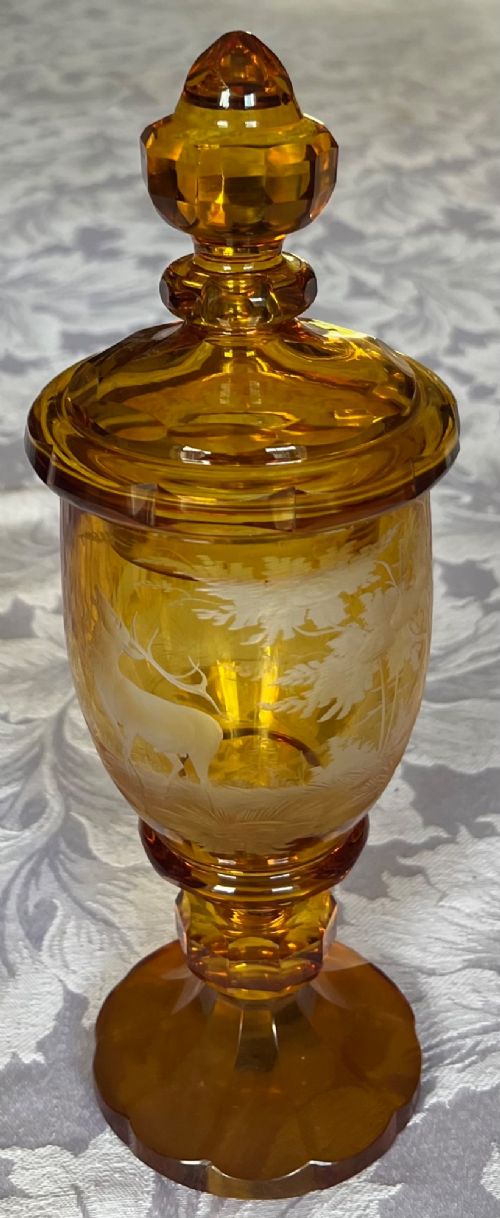
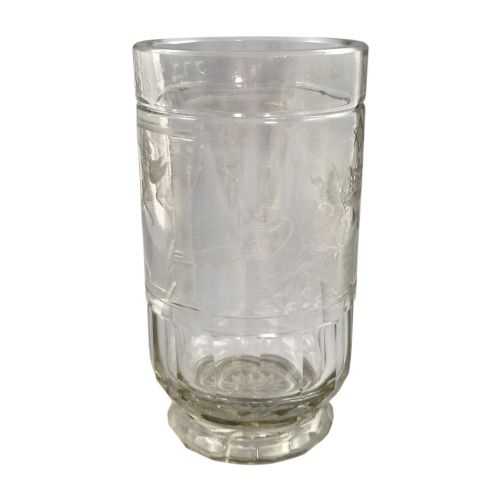
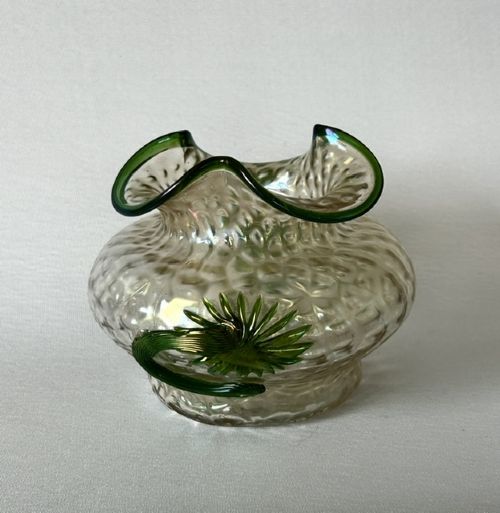
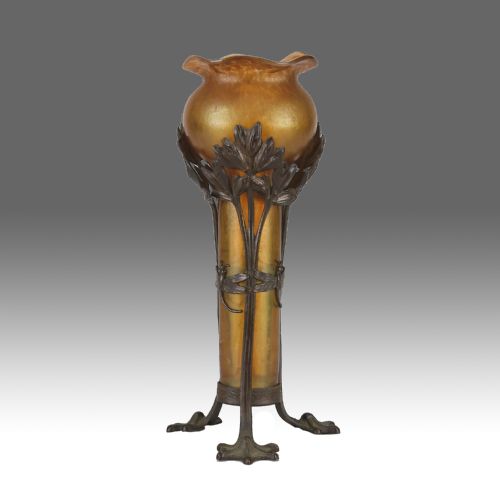
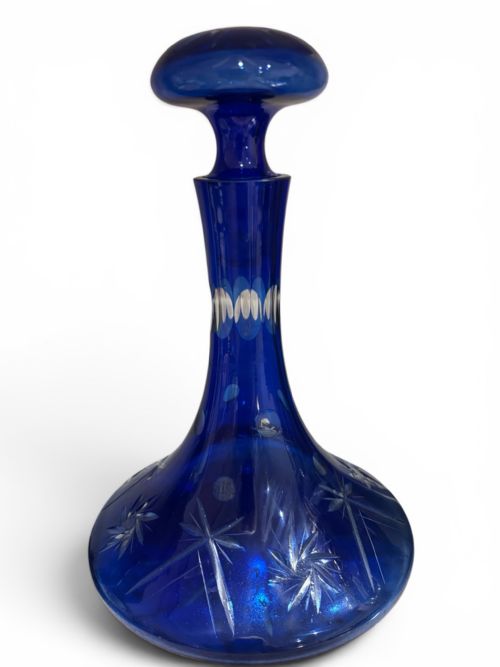
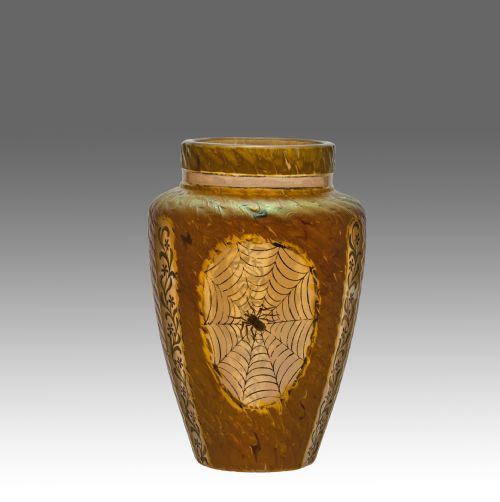
When you search for a bohemian glass vessel, you encounter a diverse array of decorative and functional objects spanning multiple centuries, from early engraved goblets to twentieth-century avant-garde forms. The selection frequently includes vases, decanters, beakers, and ewers that demonstrate the region's rich history of glassmaking.
Vessels from the nineteenth and early twentieth centuries dominate the selection, showcasing prominent historical movements such as Victorian, Art Nouveau, and Art Deco designs. Makers utilised various techniques to produce striking pieces, including cobalt crystal, iridescent finishes, and detailed enamel work.
The assortment ranges from large ceremonial beakers and heavily gilded goblets to delicate opaline jars and modernist uranium glass. Collectors find examples reflecting distinct stylistic periods like Jugendstil, Biedermeier, and Vienna Secession within the available inventory.
How they were made
Artisans employed hand-blowing techniques to shape clear, coloured, or opaline glass into complex forms, occasionally applying multiple layers or casing the material for deep chromatic effects. Molten glass received further manipulation through cutting, engraving, and etching to create intricate surface patterns.
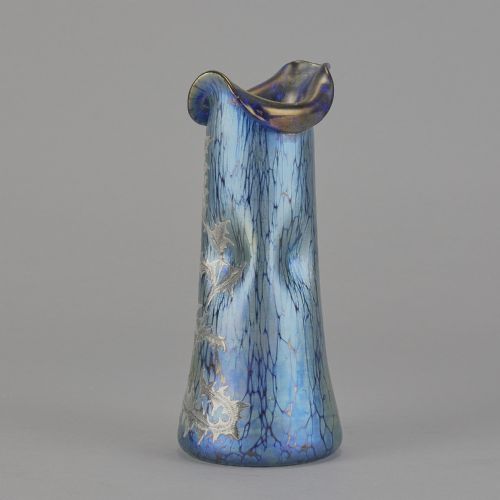
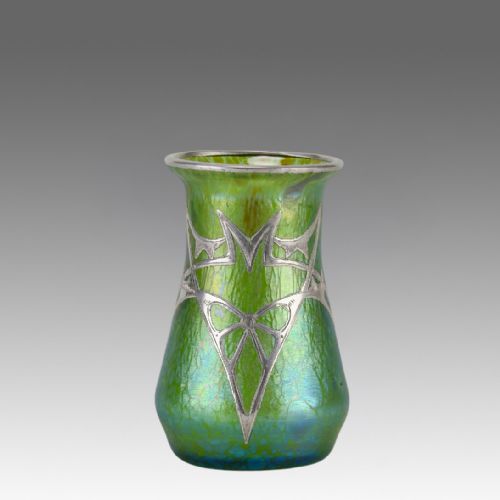
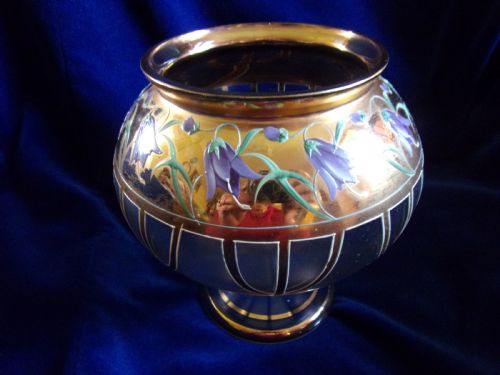
Decoration often involved surface applications such as enamel painting, gold leaf gilding, and metal mounts in pewter, bronze, or sterling silver. Specialised effects like iridescence, crackling, and marbled decors required precise chemical manipulation during the cooling and firing processes.
Bohemian Glass Vessel Retail Price Guide 2026
Typical asking prices for bohemian glass vessel among the pieces listed under this phrase on Sellingantiques today, from the lower quarter to the upper quarter. They describe what is for sale here now, not the wider market.
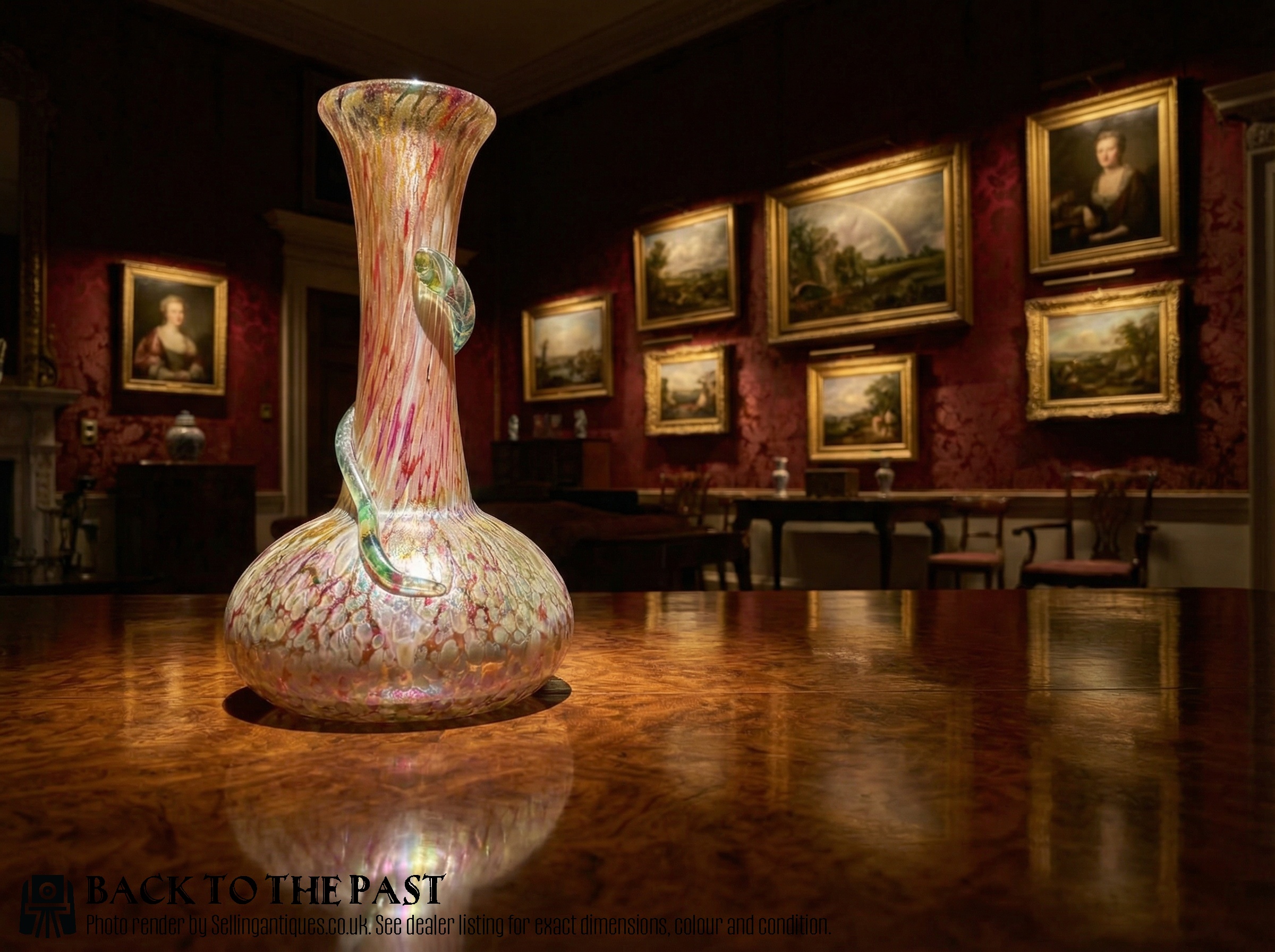
Some adventurous glass includes an applied snake slithering up the neck, ready to greet unwary admirers.
What varies in quality
The standard of a bohemian glass vessel depends on the precision of the engraving, the depth of the cut crystal, and the clarity of the underlying material. Superior examples display crisp hand-painted enamel details and harmonious integration of metal mounts rather than simple stamped overlays.
Artistic execution and decorative ambition set exceptional pieces apart, particularly in iridescent and organic forms where the shimmer and iridescence show uniform brilliance across the entire surface. The reputation of the workshop, from major factories to specialised makers, significantly influences the distinction of the work.
Loetz Witwey·Johann Loetz·Kralik Glass·Karl Palda·Paul Heller·Harrach
The Bohemian Glass Vessel Glossary
- Hyalite glass
- An opaque, glossy black or red glass developed in Bohemia during the nineteenth century. It often mimics the appearance of polished stone or lacquer.
- Papillon décor
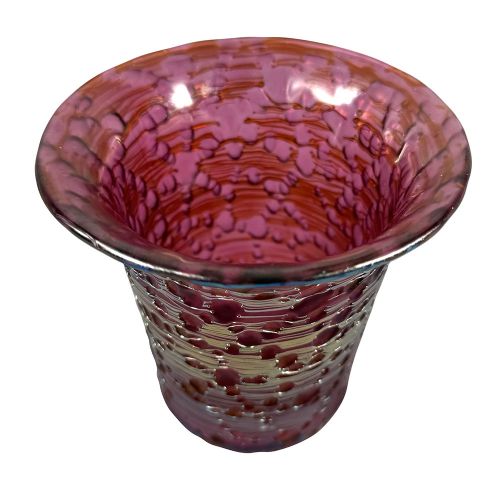
- An iridescent surface treatment created by Loetz that produces a shimmering, butterfly-wing pattern across the glass. This technique defines much of their Art Nouveau output.
- Mary Gregory glass
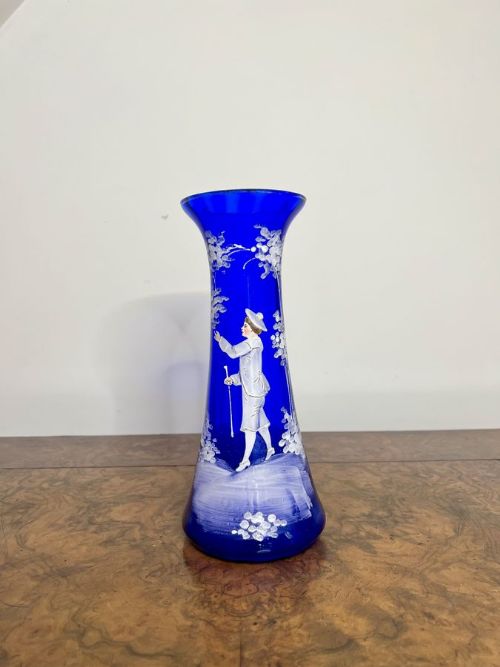
- Glassware decorated with silhouette-style white enamel paintings depicting Victorian children in pastoral settings. The technique appears on blue, green, and cranberry glass backgrounds.
- Cased glass
- Glass composed of two or more distinct layers of different colours fused together while molten. Artisans then cut through the outer layer to reveal the contrasting colour beneath.
- Uranium glass
- Glass containing a small percentage of uranium dioxide added as a greenish-yellow colourant. It glows brightly under ultraviolet light.
Bohemian Glass Vessel: Frequently Asked Questions
What is a bohemian glass vessel?
A bohemian glass vessel is a decorative or functional object originating from the historical Bohemia region, known for skilled craftsmanship, vibrant colours, and distinct regional styles.
These pieces range from early engraved goblets and decanters to twentieth-century Art Nouveau vases featuring iridescent finishes and metal mounts.
How do I identify Art Nouveau pieces?
Art Nouveau bohemian pieces typically display organic forms, fluid lines, and iridescent treatments such as the Papillon or Martele decors. Look for stylized motifs inspired by nature, including snake applications or floral enamel patterns.
Many of these vessels date from around nineteen hundred and reflect the innovative techniques of workshops like Loetz and Kralik.
What is Mary Gregory glass?
Mary Gregory glass refers to glassware decorated with hand-painted white enamel scenes showing children playing or engaging in outdoor activities. These designs usually appear on coloured backgrounds like cranberry, cobalt blue, or emerald green.
Such pieces gained popularity during the Victorian era and are frequently found on ewers, vases, and jars.
How should I display my vessel?
Display your vessel in a stable location away from direct sunlight to preserve the integrity of enamelled colours and gold leaf detailing. Placing pieces near natural light can enhance the visual depth of iridescent surfaces and coloured crystal.
Ensure shelves are sturdy, especially when showcasing larger cased glass goblets, decanters, or mounted pieces.