


Bohemian Art Nouveau Porcelain
These bohemian art nouveau porcelain figures and vases capture fluid organic lines and natural forms.
Bohemian Art Nouveau Porcelain
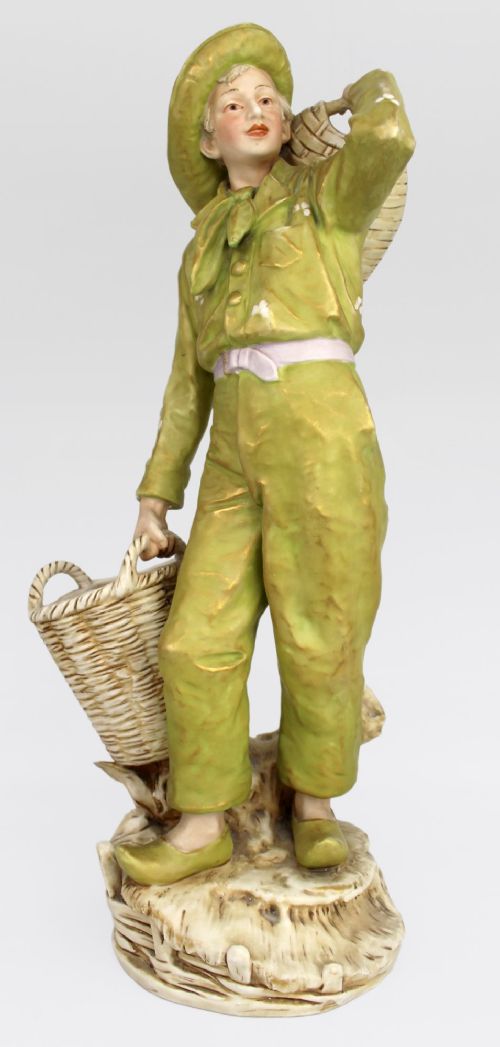
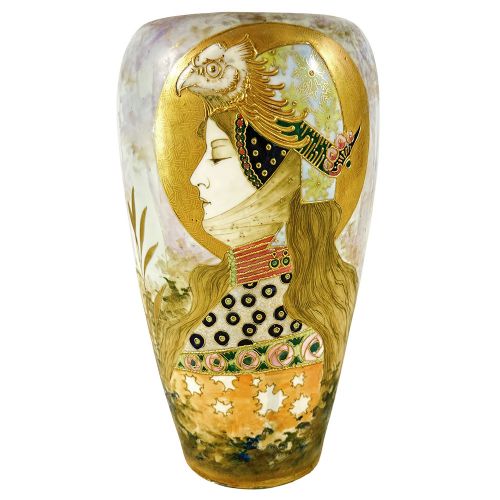
When searching for bohemian art nouveau porcelain, collectors encounter striking sculptural works produced primarily around the turn of the twentieth century. The selection on this page centres heavily on figurative subjects, including maidens, water nymphs, and shepherds alongside large decorative vases and centrepieces.
Most examples date from the late nineteenth century through the Edwardian period and up to the nineteen-twenties. Figures range from modest animal studies to monumental centerpieces and detailed figure groups.
The dominant aesthetic combines flowing floral motifs with the organic asymmetry typical of the movement. Pieces frequently depict female subjects with cascading hair or draped garments integrated into utilitarian vessels such as cornucopias, shells, and spill vases.
How they were made
Works are formed from porcelain, earthenware, and biscuit porcelain, shaped through skilful moulding and modelling by named artists and anonymous artisans. The bodies receive careful kiln firing before receiving their surface treatments.
Decoration relies upon hand painting, intricate glazing, and the application of enamel and gold leaf. Many surfaces utilise soft pastel palettes combined with generous gilt highlights to accentuate the sculptural contours.
Puppies and kittens frequently feature in these pastoral scenes, often clambering out of baskets held by obliging maidens.
What varies in quality
Scale and ambition dictate distinction within the range, as monumental figures and complex multi-figure groups demand greater technical mastery than standard production pieces. The subtlety of the glaze application and the preservation of original gilding also determine the standing of an individual object.
Royal Dux Bohemia·Reissner Stellmacher and Kessel·Ernst Wahliss·Alexandra Porcelain Works·Paul Dachsel·Eichwald
The Bohemian Art Nouveau Porcelain Glossary
- Biscuit porcelain
- Unglazed porcelain fired once to produce a matte, porous surface resembling marble. This finish highlights fine sculptural detail without the reflective glare of a gloss glaze.
- Vide poche
- A small shallow dish or receptacle designed for emptying pockets of coins and small items. These often take organic shell or leaf forms.
- Cornucopia
- A horn-shaped vessel symbolising abundance, frequently utilised as a vase design in this category. The curving horn integrates naturally with the sweeping lines of the style.
- Spill vase
- A tall cylindrical holder designed to store slender wooden spills used for lighting fires or pipes. They often feature figurative or botanical ornamentation.
- Enamel
- Vitreous material fused to the porcelain surface through firing to add vibrant opaque colour. It provides rich decorative contrast against plain porcelain or gilt grounds.
Bohemian Art Nouveau Porcelain: Frequently Asked Questions
How do I identify genuine bohemian art nouveau porcelain?
Examine the base for impressed model numbers, manufacturer stamps, or applied pink triangular marks associated with the major Bohemian factories. Hand-painted details and fine sculptural definition also distinguish period work from later reproductions.
Look closely at the glaze consistency and the style of the signatures or ciphers pressed into the ceramic body during manufacture.
What subjects are most common in these figures?
Human figures predominate, particularly graceful maidens, water nymphs, bathers, and pastoral figures such as shepherds and shepherdesses. Animal studies and allegorical groups appear regularly.
Many of these figures serve a dual purpose as vases, centrepieces, or vide poche receptacles.
How should I clean porcelain with gold leaf?
Dust gently with a soft, dry brush to remove surface particles without disturbing delicate enamel or gilt highlights. Avoid using water, chemical cleaners, or abrasive cloths.
Keep pieces away from direct sunlight to preserve the integrity of the hand-painted pigments over time.
Are these pieces fragile?
Due to the delicate nature of porcelain, biscuit porcelain, and applied decorative elements like flower petals or fingers, handling requires great care. Items with extended forms or thin handles need secure placement away from high-traffic areas.
Display surfaces should be stable and flat to prevent tipping.