



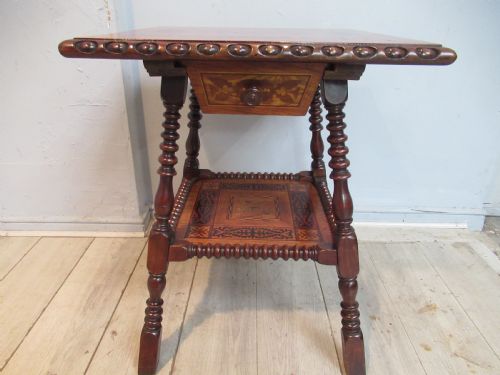


Bobbin Turned End Table
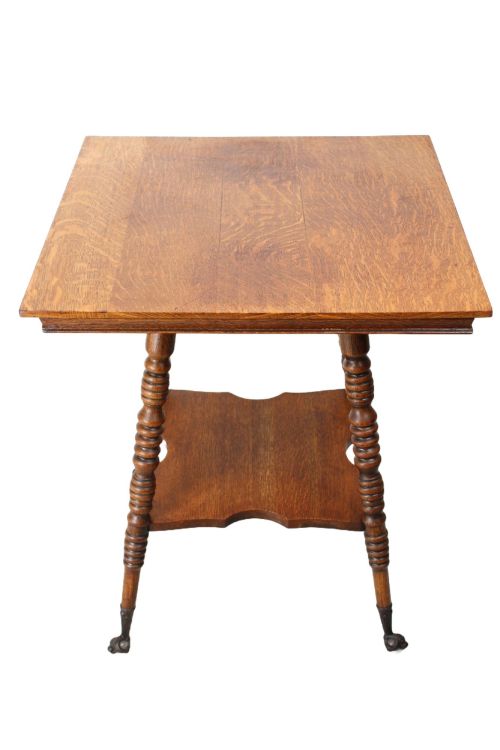
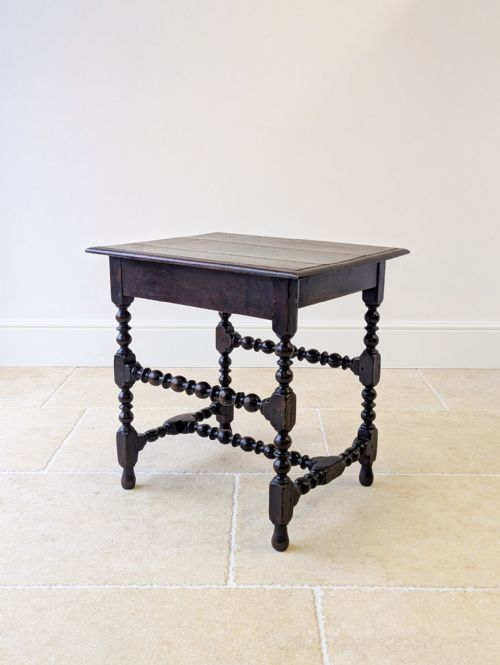
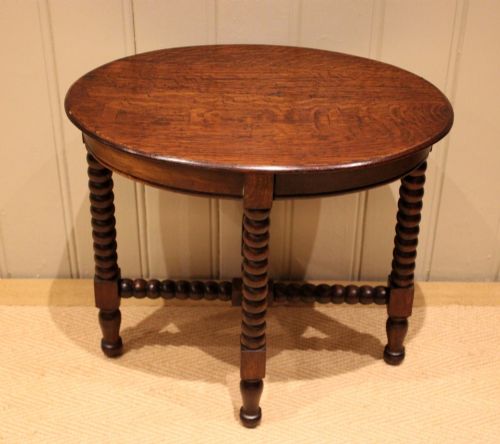
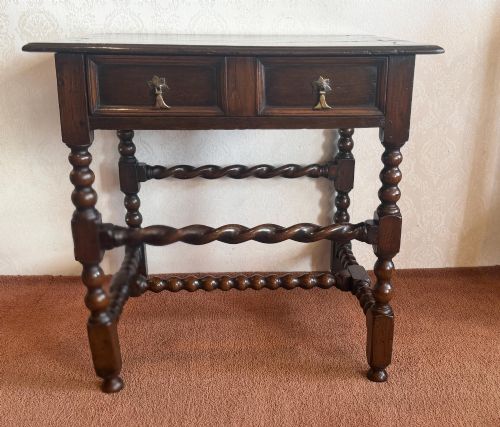
These bobbin turned end table pieces combine practical surfaces with distinct spool-moulded framing.
Bobbin Turned End Table
A bobbin turned end table is a compact surface built for occasional use beside seating or against walls. When you search for this phrase, you find small tables categorised primarily as side tables, lamp tables, or occasional tables.
The defining characteristic is the spool or bobbin shaping worked into the timber supports and legs. Pieces span several centuries, including seventeenth-century examples, eighteenth-century iterations, and nineteenth-century revival styles.
Most pieces you meet on this page utilise oak or walnut, though yew wood and pine also appear. Forms range from simple oval and rectangular tops to gate leg configurations and two-tier designs.
Materials and construction
Makers shaped the distinctive turned supports on a lathe, cutting repetitive cylindrical and spherical nodes along the length of the timber. Oak and walnut form the structural backbone of these pieces, selected for strength and grain.
Joinery typically relies on traditional pegged mortise and tenon joints to secure the frame. Additional decorative elements such as marquetry inlay, leather tops, and carved details appear on specific period variants.
Primary timbers recorded in these listings include oak, walnut, yew wood, and pine, occasionally complemented by brass hardware or leather inserts.
Factors that distinguish quality
Quality rests upon the crispness of the lathe work and the selection of timber. Sharp, well-defined spool turnings indicate superior craftsmanship compared to soft or worn profiles.
The integrity of the timber and the tightness of the frame joints dictate structural longevity. Finer examples display balanced proportions between the turned legs and the supporting top.
The Bobbin Turned End Table Glossary
- Bobbin turning
- A form of lathe-turned decoration comprising a series of rounded spool shapes resembling bobbins of thread. This technique defines the structural legs of seventeenth-century and revival furniture.
- Gate leg table
- A table featuring hinged legs that swing out to support a drop leaf top. Several examples utilise this folding mechanism alongside spool turnings.
- Occasional table
- A small, movable table designed for periodic use around a room. These include lamp tables and side tables.
- Marquetry inlay
- Decorative patterns formed by fitting contrasting pieces of wood veneer into a prepared surface. This technique appears on selected period tables.
Bobbin Turned End Table: Frequently Asked Questions
What is a bobbin turned end table used for?
These tables function as compact surfaces for lamps, drinks, or decorative objects beside chairs and sofas. Their small scale allows placement in tight corners and hallways.
Historically, they served similar domestic purposes as movable stands within panelled rooms and parlours. Today, they integrate easily into modern seating arrangements as practical accent pieces.
How do I date a bobbin turned end table?
Dating relies on timber species, construction methods, and the specific style of the turning. Seventeenth-century originals often feature heavy oak frames with hand-carved details and pegged joinery.
Revival pieces from the nineteenth and early twentieth centuries utilise similar spool turning but exhibit different tool marks and secondary woods. Comparing the leg profiles to known period examples clarifies the age.
Are these tables sturdy enough for daily use?
Solid timber construction and pegged joints provide strong structural support for everyday items like lamps and books. Regular use does not harm sound frames.
Checking the stability of the gate legs or underframe ensures the table handles weight securely. Placing them on even flooring prevents undue stress on the turned joints.
Which woods are most common?
Oak and walnut dominate the construction of these tables across both early periods and later revivals. Yew wood and pine also appear on specific regional examples.
Darker patinas on oak and rich grain figures in walnut typify the traditional appearance of these pieces. The choice of timber often corresponds directly to the manufacturing period.