

Blue Wool Wall Hanging
A blue wool wall hanging brings substantial historic textile work into a room, offering tactile depth through centuries-old weaving traditions.
Blue Wool Wall Hanging
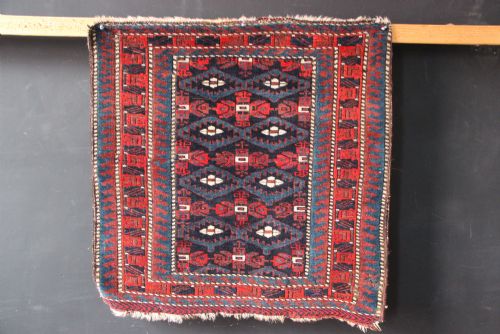
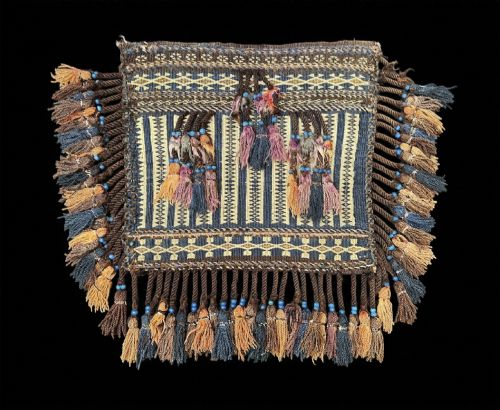
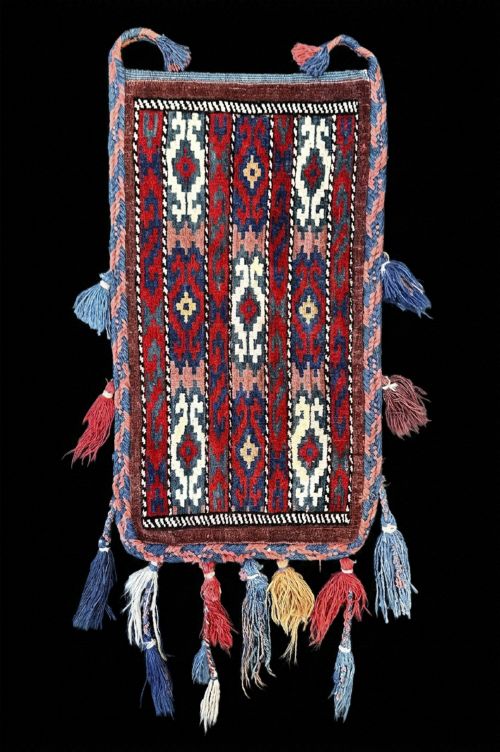
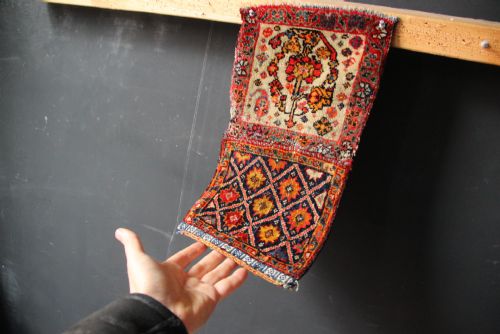
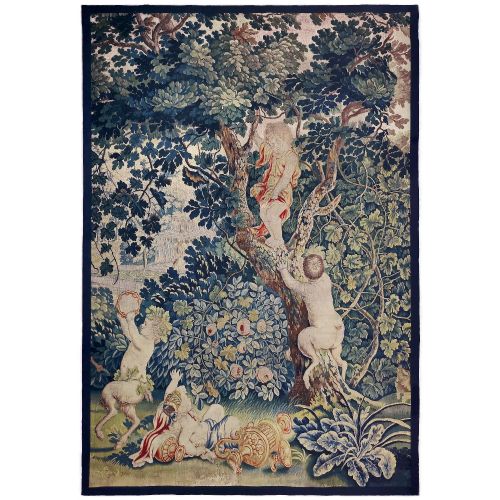
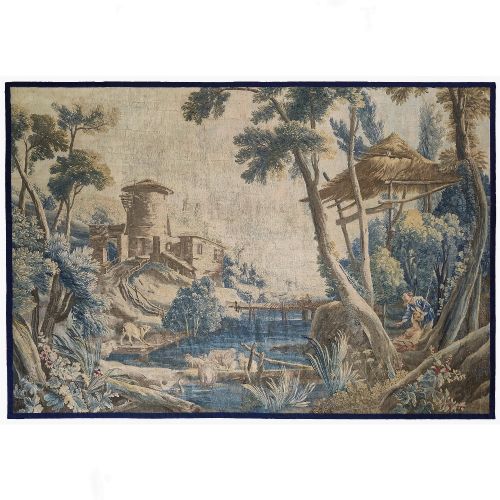
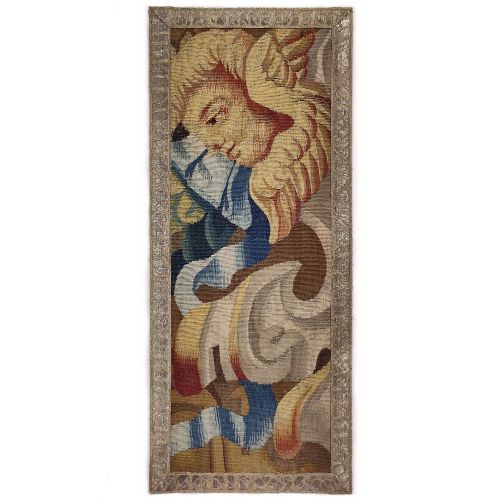
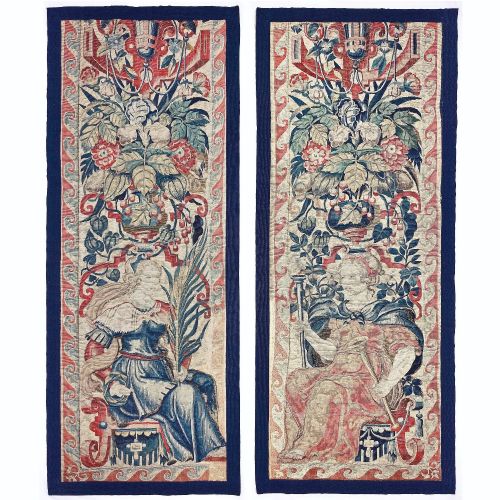
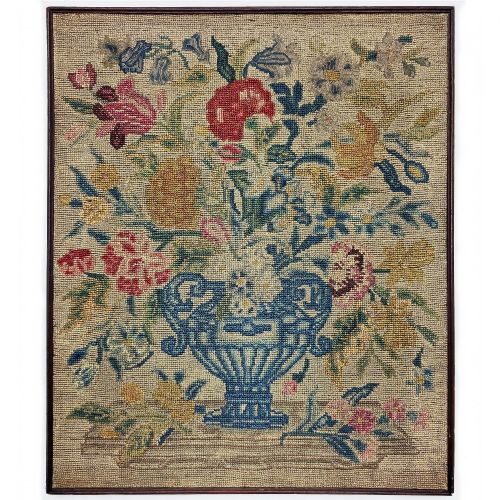
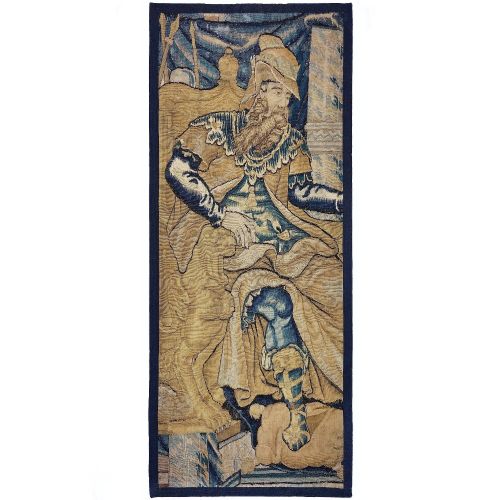
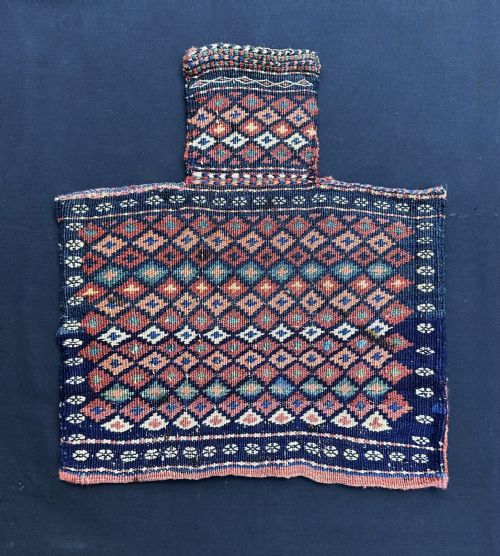
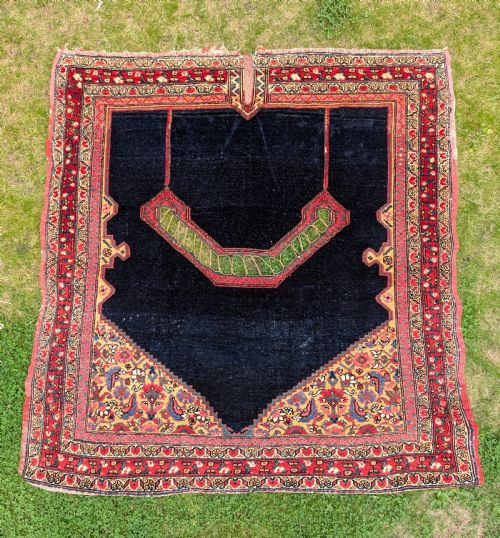
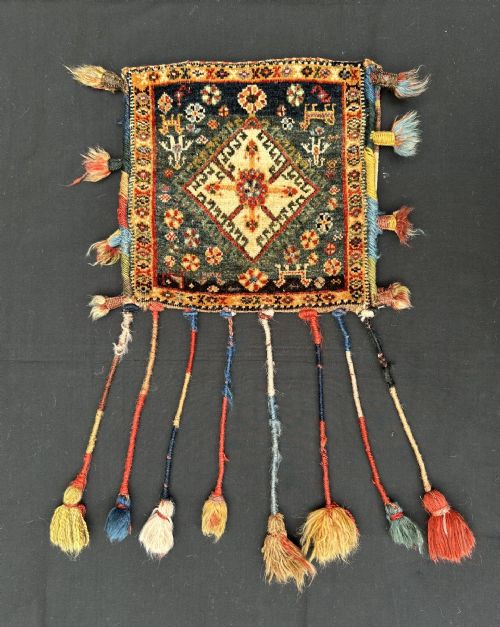
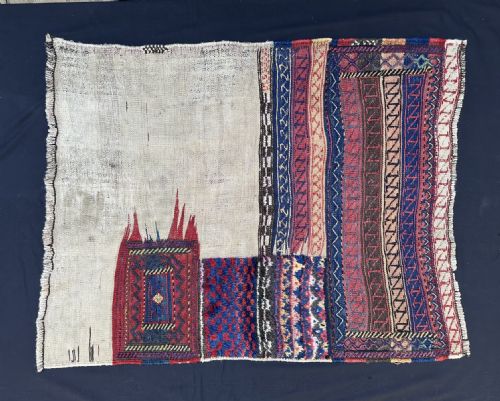
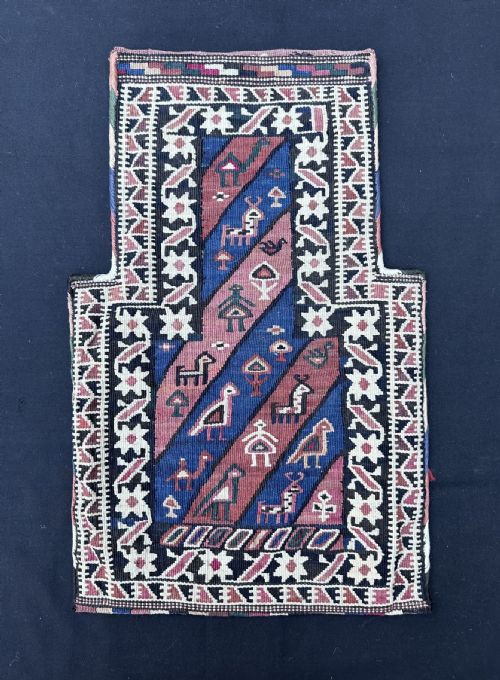
When you search for a blue wool wall hanging, you encounter woven works originating from European tapestry looms and tribal communities across Persia and Central Asia. The pieces include large Flemish verdure panels from the seventeenth century alongside smaller nomadic salt-bags, bread sofrehs, and saddle covers woven with natural dyes.
European examples on this page typically present pastoral scenes or floral motifs executed in wool and silk, while nomadic items showcase geometric tribal patterns. The selection spans periods from the sixteenth century through the early twentieth century, combining utilitarian textile art with monumental wall hangings.
How they were made
These textiles rely on hand-spun wool, silk, cotton, and goat hair, often coloured using natural dyes derived from plants and minerals. Artisans combined warp and weft techniques on vertical or horizontal looms, integrating supplemental wrapping methods like soumac weave for structural durability.
European ateliers employed complex tapestry weaving to build pictorial depth, whereas tribal weavers utilised knotting and flat-weave structures to create functional bags and eating cloths intended for nomadic daily life.
Blue Wool Wall Hanging Retail Price Guide 2026
Typical asking prices for blue wool wall hanging among the pieces listed under this phrase on Sellingantiques today, from the lower quarter to the upper quarter. They describe what is for sale here now, not the wider market.
Listings feature seventeenth-century Flemish tapestries alongside nineteenth-century Persian tribal bags woven with natural dyes.
What varies in quality
The standard of a woven hanging depends on the fineness of the spin and the complexity of the dye palette, which together determine the clarity of the design. Finer wool yields tighter construction, preserving the integrity of intricate motifs across centuries of exposure.
Provenance and cultural authenticity separate standard utilitarian nomadic pieces from masterwork European tapestries, with the skill of the original weaver dictating the fluidity of pictorial and geometric lines.
The Blue Wool Wall Hanging Glossary
- Tapestry panel
- A pictorial woven textile designed for wall suspension. These works often depict landscape scenes or mythological subjects.
- Sofreh
- A woven spread or cloth used traditionally for sharing meals or preparing bread. They display distinctive tribal iconography.
- Verdure
- A style of tapestry featuring dense foliage, trees, and woodland creatures. Blue and green tones frequently dominate these landscapes.
- Torba
- A small storage bag produced by Turkmen nomads. They were historically hung inside tents to hold household possessions.
- Soumac
- A flat-weave technique involving coloured threads wrapped over the warp threads. This method creates a durable structure with a braided surface.
Blue Wool Wall Hanging: Frequently Asked Questions
How do I hang a textile safely?
Mount a heavy textile using a weight-distributing support system, such as a stitched-on linen sleeve paired with a concealed metal rod. This prevents the fabric from stretching unevenly under its own weight.
Keep the piece away from direct sunlight and damp environments to protect the natural wool fibres and historic dyes from fading or degradation.
What is a nomadic sofreh?
A sofreh is a flat-woven textile created by tribal groups for domestic rituals, primarily dining or dough preparation. They functioned as protective cloths laid upon the ground.
These utilitarian items double as striking geometric wall art due to their abstract tribal compositions and varied wool textures.
How are Flemish tapestries structured?
Flemish tapestries utilise complex hand-weaving techniques with wool and silk threads interlocked across a vertical warp. Artisans built images pixel by pixel through discontinuous weft threads.
This meticulous construction allowed weavers to achieve subtle tonal shifts in verdure scenes and mythological narratives.