

Blue Wool Persia Rug
When you search for a blue wool persia rug, you enter a world of woven heritage spanning tribal bags, village runners, and grand carpets crafted from natural materials.
Blue Wool Persia Rug
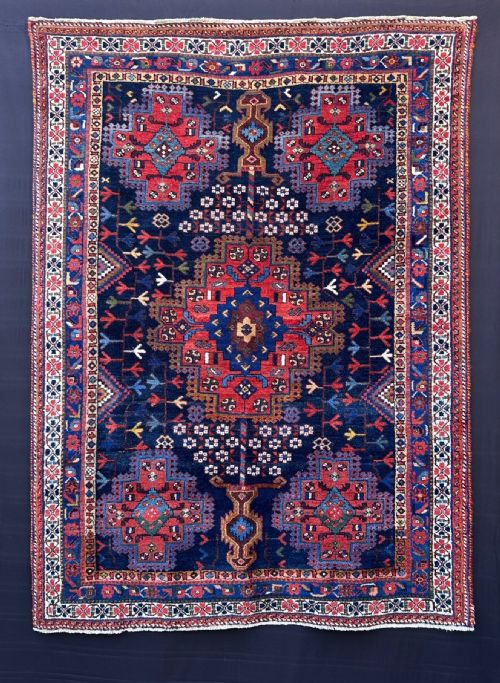
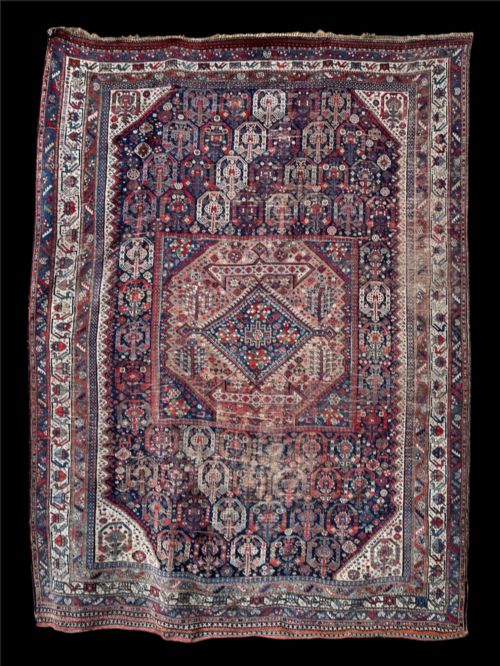
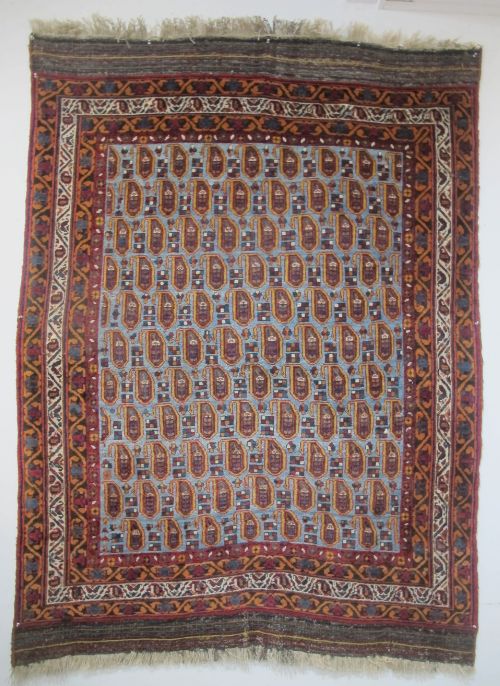
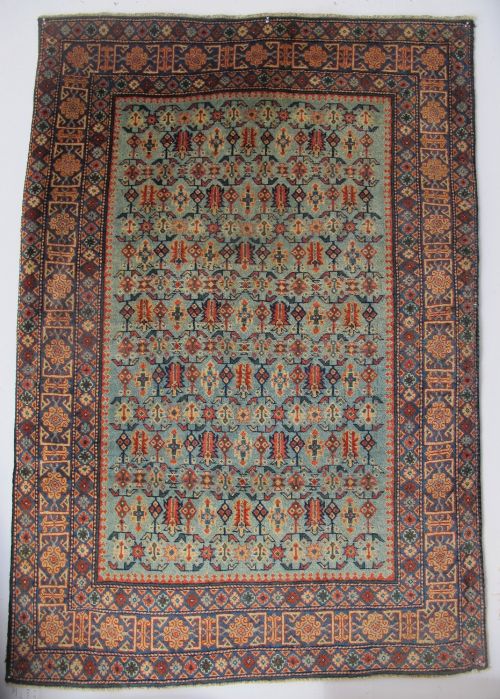
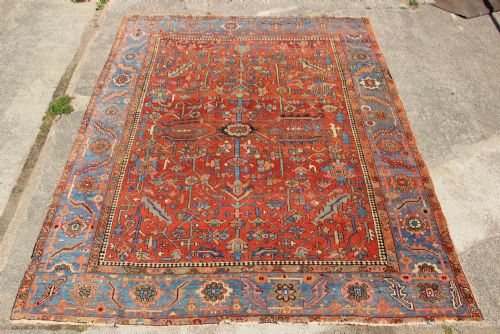
A blue wool persia rug encompasses diverse regional expressions ranging from South Persian tribal pieces to workshop carpets from centres like Tabriz and Heriz.
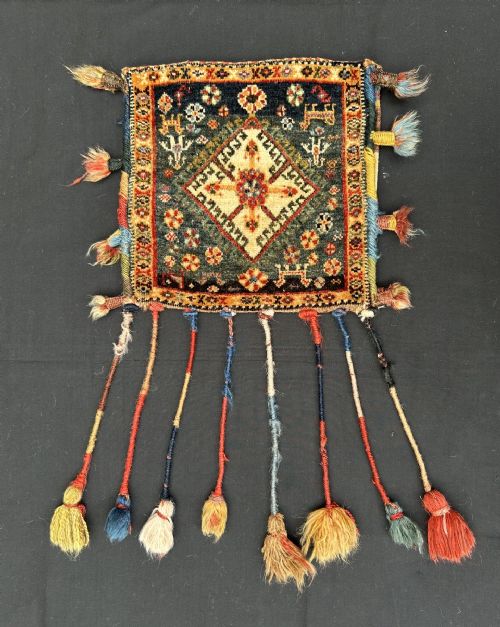
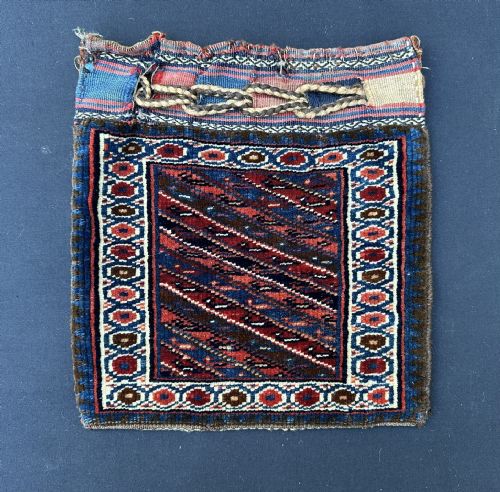
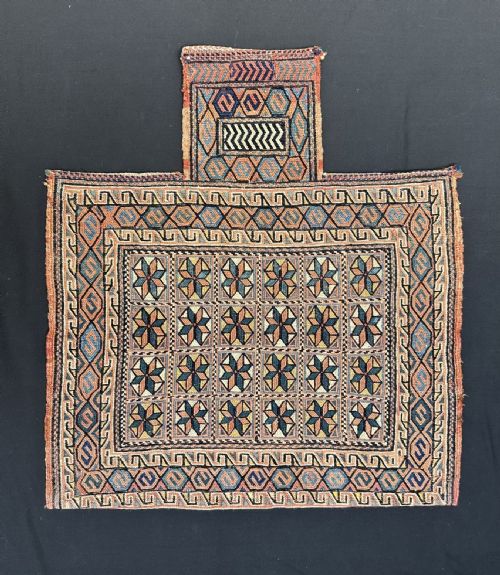
Buyers encounter formats varying from small vanity bags and salt-bags to long hallway runners and room-sized carpets dating from the late nineteenth and early twentieth centuries.
The aesthetic relies heavily on indigo dyes combined with wool, cotton foundations, and occasionally goat hair or silk highlights produced by nomadic confederacies and settled village weavers alike.
Distinctions in quality
Quality rests upon the fineness of the knotting, the handling of the wool, and the depth achieved through natural dye usage rather than synthetic compounds.
Superior examples demonstrate precision in tribal or city designs, integrity in the structural foundations, and preservation of the original borders and pile length.
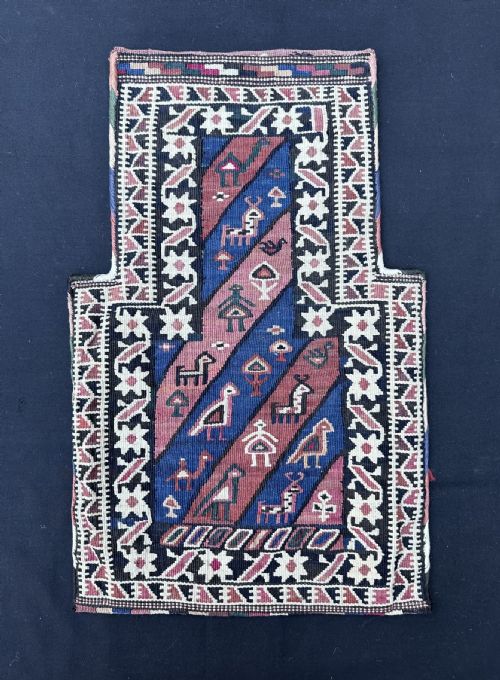
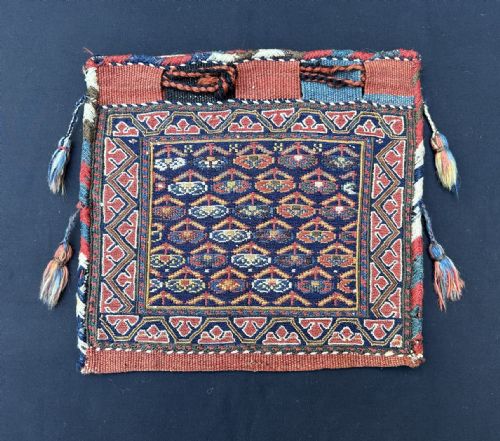
Many salt-bags and vanity bags still carry the energetic hand of weavers working miles away from any market town.
Haji Jalili·Ziegler
The Blue Wool Persia Rug Glossary
- Sofreh
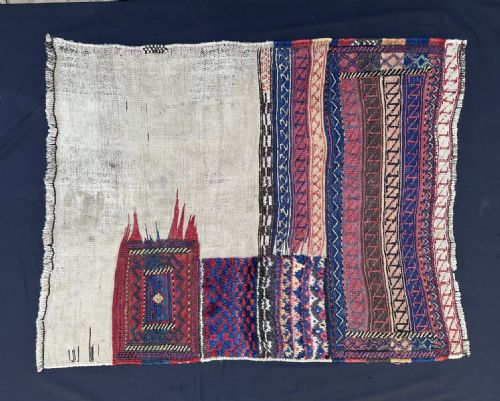
- A flatwoven or pile-woven spread used for dining, kneading bread, or holding grain within nomadic households.
- Khorjin
- A traditional saddle-bag or storage pouch woven by nomadic groups for transport on animals during seasonal migrations.
- Natural Dyes
- Colourants derived from plants, insects, and minerals, producing complex tones that age gracefully over decades.
- Warp and Weft
- The foundational threads running vertically and horizontally that support the knotted pile of the rug.
- Medallion
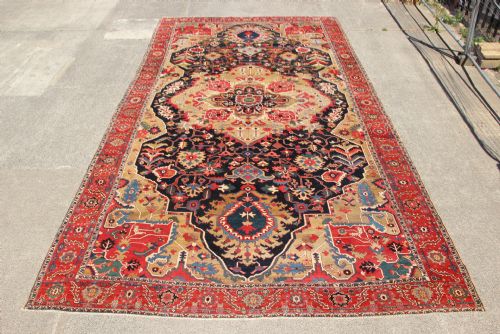
- A central ornamental design motif placed in the field of the carpet, frequent in Persian village and town weaving.
Blue Wool Persia Rug: Frequently Asked Questions
What is a blue wool persia rug?
A blue wool persia rug refers to hand-knotted floor coverings and textiles originating from various regions and tribes across Persia, characterised by wool piles and indigo-based blue palettes.
These pieces range from utilitarian nomadic bags and sofres to grand city carpets produced during the nineteenth and early twentieth centuries.
How do I care for my rug?
Living with these textiles requires gentle vacuuming without rotating brushes and professional washing when necessary to protect the natural wool fibres.
Keeping them out of direct, prolonged sunlight helps preserve the integrity of natural indigo and other vegetable dyes over time.
How can I tell tribal from city rugs?
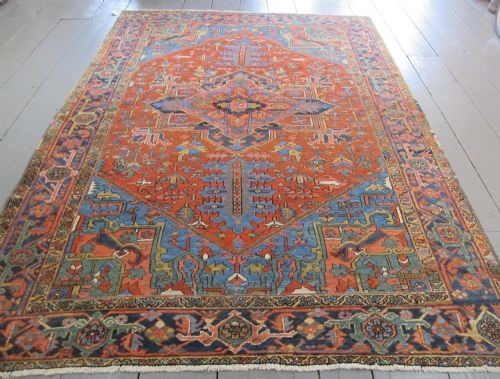
Tribal rugs typically feature geometric motifs, asymmetric designs, and coarser wool woven by nomadic or village confederacies without formal cartoons.
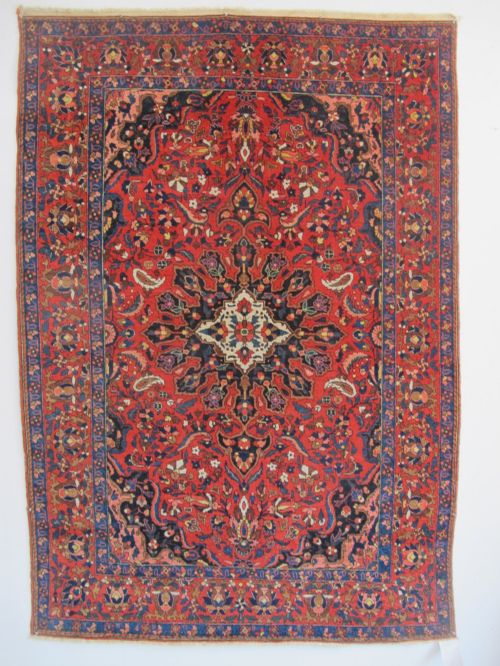
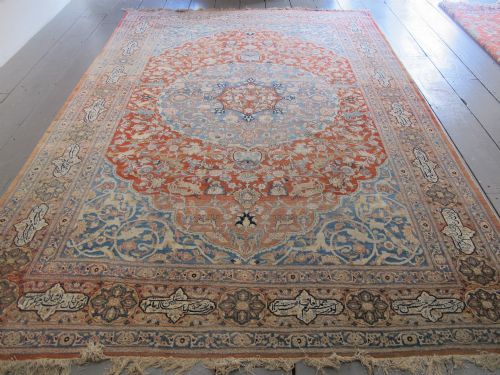
City carpets display refined floral curves, precise symmetry, and intricate medallion layouts planned in established urban workshops.
Where were these rugs made?
Production occurred across diverse geographical zones including the Fars province, Khorassan, Azerbaijan, and western districts like the Chahar Mahal.
Different tribes and urban centres developed distinct design vocabularies tied to their specific environment and cultural heritage.