




Pink Wool Flatweave
These pink wool flatweave rugs bring warmth and pattern to a floor through flat-woven textiles spanning the nineteenth and twentieth centuries.
Pink Wool Flatweave
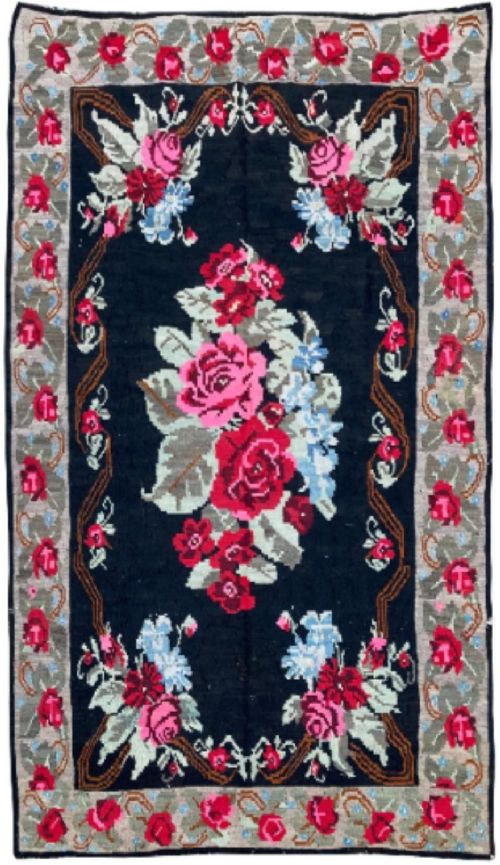
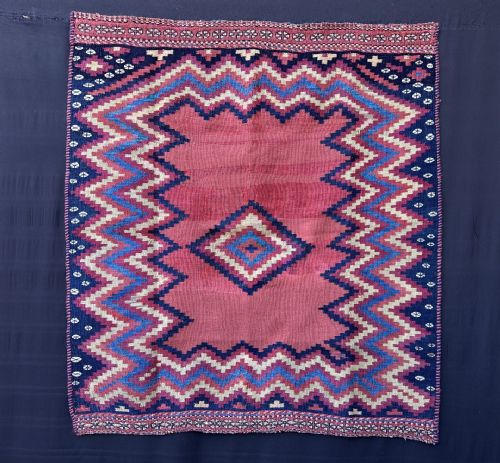
A pink wool flatweave selection brings together various woven textiles including kilims, tapestries, and bread sofreh from diverse origins. Buyers searching for pink wool flatweave encounter pieces originating from Persian, Caucasian, Moroccan, Portuguese, and French traditions.
The assortment includes rugs and runners spanning periods from the mid-nineteenth century through the 1940s. Forms range from narrow runners and square carpets to traditional tribal flatweaves and European needlepoint works.
Tribal flatweaves sit alongside European Aubusson and Bessarabian styles within these listings. Each piece utilises wool and cotton foundations, often incorporating natural dyes to achieve various pink and red tones.
How they were made
The construction relies primarily on wool and cotton materials woven without a pile to create flat surfaces. Artisans employed traditional techniques such as kilim weaving and needlepoint work depending on the regional origin.
Makers utilised natural dyes to colour the wool fibres, yielding the distinct pink and associated hues seen across the pieces. These textile methods allowed both geometric tribal motifs and floral French neoclassical designs to hold their structure over decades.
Listings feature wool and cotton materials dyed with natural colours across Persian, Caucasian, French, and Moroccan styles.
What varies in quality
The fineness of the weave and the complexity of the design distinguish the examples. Pieces range from robust nomadic bread sofreh to delicate French Aubusson and needlepoint carpets.
Material handling, particularly the execution of natural dyes and the precision of the flat-woven structure, determines the distinction between standard room coverings and finer collector pieces.
The Pink Wool Flatweave Glossary
- Flatweave
- A rug or carpet produced without a pile by interweaving warp and weft threads. This technique creates a thin, durable textile.
- Kilim
- A pileless textile produced by tightly interweaving the warp and weft strands to create a flat surface. These pieces often feature geometric patterns.
- Sofreh
- A traditional woven cloth used by nomadic tribes for spreading food or handling bread. They frequently display distinctive regional motifs.
- Aubusson
- A style of French carpet or tapestry woven in workshops associated with the town of Aubusson. These typically display neoclassical or rococo floral motifs.
- Arraiolos
- A style of Portuguese needlepoint embroidery rug. These pieces utilise wool yarn on a canvas foundation.
Pink Wool Flatweave: Frequently Asked Questions
Where were these flatweaves made?
The pieces originate from various regions including Persia, the Caucasus, Morocco, Portugal, and France. Each area utilised local weaving traditions and materials.
Nomadic tribes and European workshops alike contributed to the styles represented in these flat-woven textiles.
How do I clean a flatweave rug?
Flatweave rugs require gentle maintenance such as careful vacuuming without a beating brush. Professional textile cleaning is advisable for older wool pieces.
Keeping these textiles out of direct sunlight helps preserve the natural dyes used in the wool.
Are these rugs suitable for high traffic areas?
The flat-woven construction lacks a pile, which makes these textiles durable for certain floor spaces. Thicker tribal kilims handle movement well, while delicate needlepoint pieces suit quieter rooms.
Underlays help secure flatweave rugs on hard flooring and reduce friction during daily use.
How are different periods identified?
Dating relies on stylistic markers, construction techniques, and regional weaving characteristics. Nineteenth-century examples often display distinct natural dye palettes.
Twentieth-century pieces incorporate variations in design and material sourcing consistent with their respective decades.