





Afshar Tribal Flatweave
These afshar tribal flatweave textiles are woven by nomadic makers in South Persia, offering distinct geometric patterns and durable wool construction that buyers seek.
Afshar Tribal Flatweave
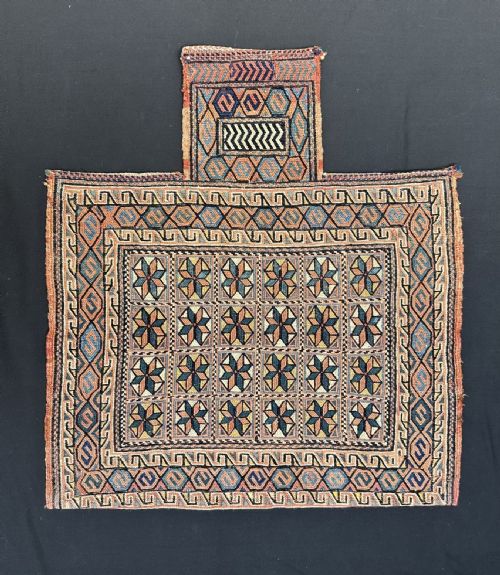
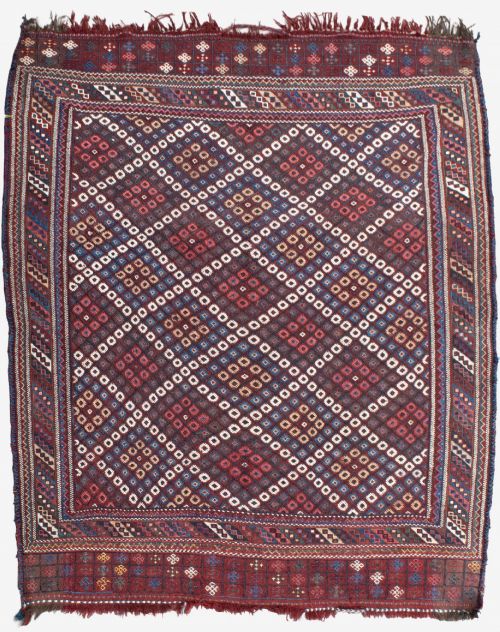
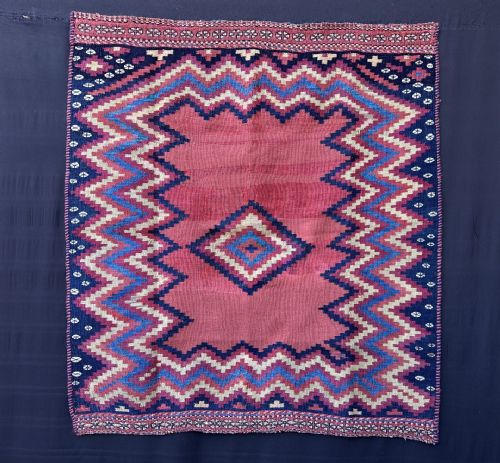
The most common formats on this page are bread sofreh and utilitarian bags, reflecting the daily domestic life of Afshar nomads in regions such as the Jebal Barez Mountains. These textiles display distinct regional characteristics associated with South Persia, combining traditional tribal iconography with flatweave construction. Collectors value them for their direct connection to nomadic weaving traditions and their specific functional origins.
How they were made
Makers construct an afshar tribal flatweave primarily using wool and cotton foundations, employing techniques that produce sturdy, pileless textiles. Artisans utilise natural dyes to achieve the distinctive coloration found across these South Persian works, ensuring deep and lasting hues. Certain pieces incorporate specific structural methods like soumak work to add texture and intricate pattern detail to the surface.
Nomadic weavers occasionally embellish functional items such as vanity bags with cowrie shells, integrating organic decorative elements directly into the textile structure. The combination of plain weave backs and patterned faces on saddle bags demonstrates the practical construction methods required for nomadic use. Every item relies on hand-weaving techniques passed down through generations within the Afshar tribes.
Some vanity bags include stitched cowrie shells, offering nomadic makers a touch of ornamentation.
What varies in quality
The quality of an afshar tribal flatweave depends heavily on the precision of the geometric design execution and the tightness of the weave. Tightly packed foundational threads and consistent tension across the textile indicate superior craftsmanship by the nomadic weaver. Finer examples display harmonious natural dye palettes and well-balanced compositions that remain clear despite the utilitarian nature of the objects.
The complexity of the weaving technique, such as detailed soumak work, distinguishes more ambitious pieces from standard plain weave examples. Preserved structural completeness, including original plain weave backs on bags and intact edges, contributes significantly to the overall standing of a textile. The depth of cultural detail, from specific tribal attributions to integrated decorative elements like cowrie shells, separates ordinary pieces from exceptional ones.
The Afshar Tribal Flatweave Glossary
- Sofreh
- A spread or cloth used for dining, food preparation, or handling bread among nomadic groups. These textiles often feature central geometric fields suited for domestic rituals.
- Soumak
- A brocade-like flatweaving technique where pattern threads wrap over and under the warp threads. This method creates a durable surface with distinct texture and clear linear patterns.
- Flatweave
- A textile produced without knotted pile by interlacing warp and weft threads directly. This construction results in a lightweight, thin fabric ideal for practical transport and daily use.
- Bardsir
- A region located within the Kerman Province of South Persia associated with specific nomadic weaving traditions. Pieces from this area display distinct regional design characteristics.
Afshar Tribal Flatweave: Frequently Asked Questions
What is an afshar tribal flatweave used for?
These textiles served practical nomadic purposes such as carrying salt, storing personal items, transporting goods on saddles, and spreading bread during meals.
Today, collectors often display them as wall hangings or use them as decorative interior accents that showcase traditional Persian tribal craftsmanship.
How do I identify an afshar tribal flatweave?
Look for characteristic geometric patterns, natural dye coloration, and flatweave or soumak construction originating from the Kerman Province of South Persia.
Many pieces also bear specific functional forms, such as bread sofreh cloths or utilitarian storage bags associated with the Afshar tribes.
When were these flatweaves made?
The pieces available here date from the late nineteenth century through the early twentieth century, specifically spanning the periods around 1880, 1900, 1910, and 1920.
This timeframe represents a period of traditional nomadic production before industrial materials became widespread in the region.
Are these pieces made with natural dyes?
Yes, traditional Afshar textiles utilise natural dyes derived from local plant and mineral sources to achieve their characteristic colour palettes.
These dyes produce rich, organic tones that age gracefully over decades of use and exposure.