

Blue White Transferware Dishes
Blue white transferware dishes bring historic pictorial scenes into domestic spaces through deeply saturated cobalt pigment.
Blue White Transferware Dishes
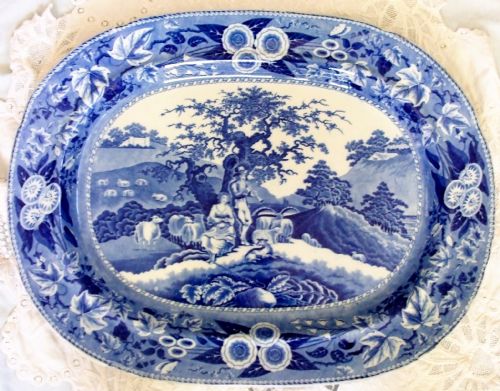
When searching for blue white transferware dishes, you encounter a variety of forms including serving platters, tureens, decorative plates, and bowls. These items date primarily from the nineteenth century, encompassing Georgian, Regency, and Victorian periods.
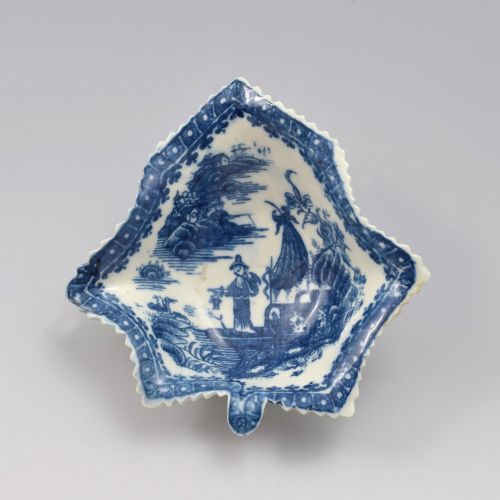
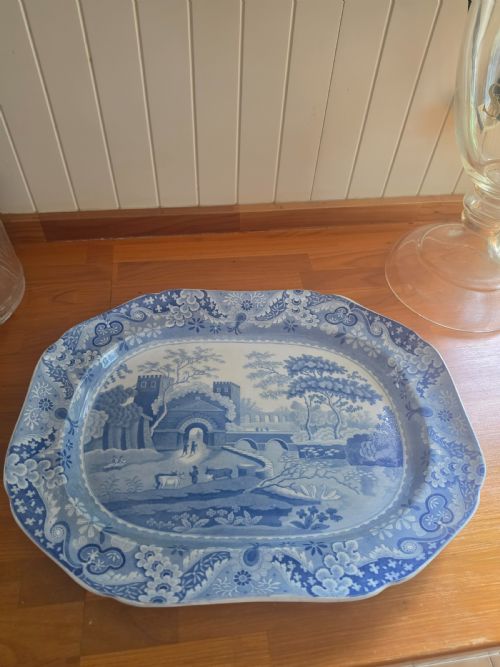
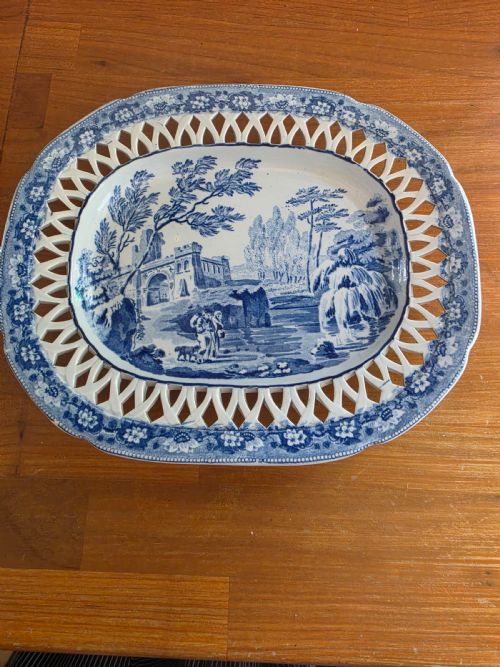
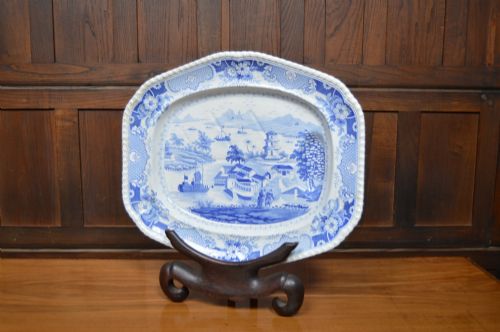
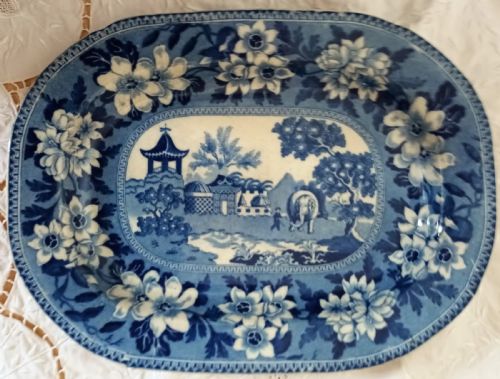
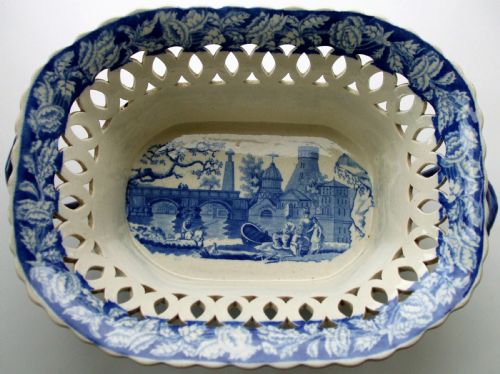
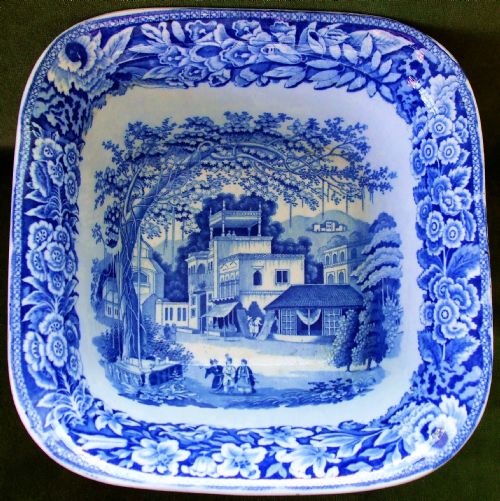
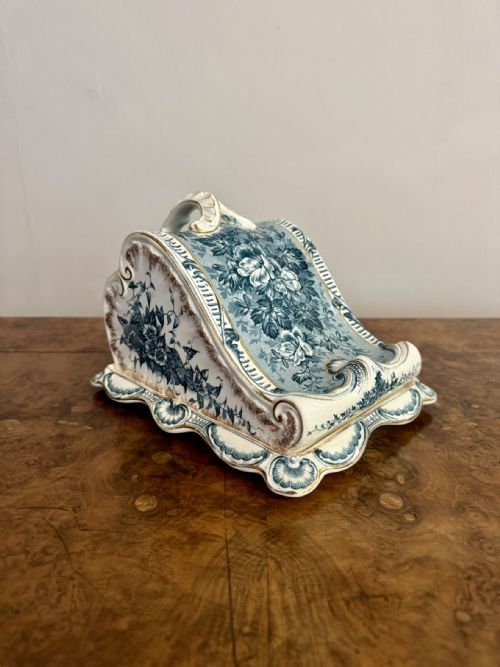
The objects on this page range from large meat platters and hot-water plates to delicate pickle dishes and cheese dishes. Makers utilised earthenware, pearlware, soft-paste porcelain, and stoneware as bodies for the printed scenes.
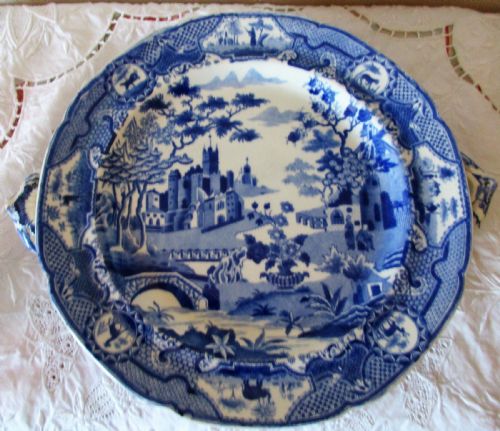
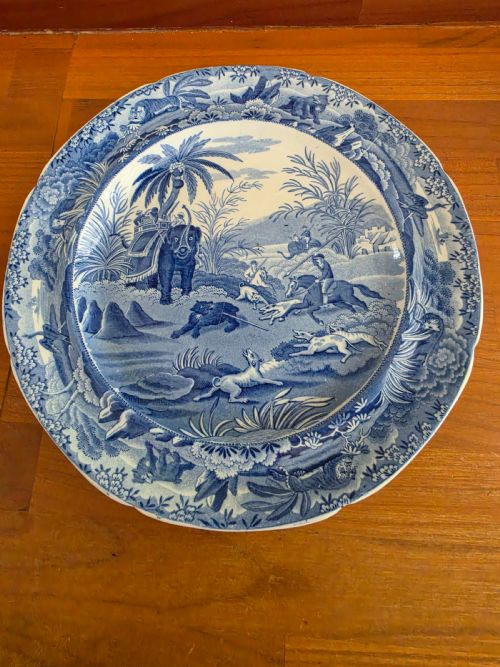
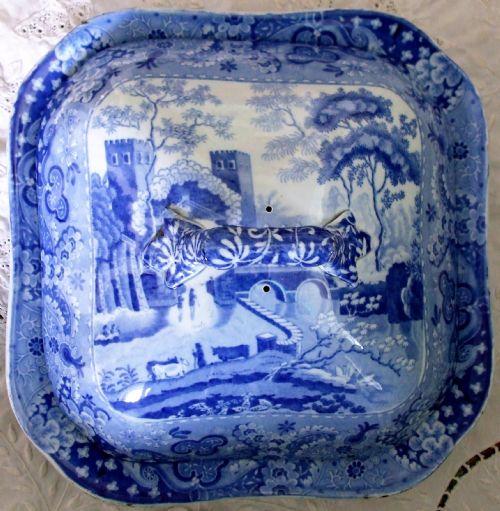
Pictorial decoration dominates these wares, depicting subjects such as the fisherman pattern, gothic castles, elephants, rural scenery, and historic bridges. Domestic and serving vessels survive in great numbers, reflecting the dining habits of past eras.
Materials and production techniques
Potters formed bodies from ceramic materials such as earthenware, pearlware, and soft-paste porcelain before applying designs via copperplate transfer printing. Cobalt pigment provided the characteristic deep blue colour, which bonded with the ceramic glaze during firing.
Engraved copper plates transferred the printed design onto tissue paper, which was then rubbed onto the bisque or fired ceramic surface. Artisans then applied a transparent glaze and fired the pieces again to vitrify the surface and fix the blue pigment permanently.
Listings feature earthenware, pearlware, and soft-paste porcelain decorated with cobalt pigment across the Georgian, Regency, and Victorian periods.
Quality differences in transferware
The refinement of the underlying ceramic body also sets examples apart, moving from heavy utility earthenware to thinly potted soft-paste porcelain or smooth pearlware. Smooth glaze application without pooling or pitting distinguishes superior decorative plates and platters from utilitarian kitchen wares.
Spode·Davenport·John Rogers And Son·James Wallace And Co·J And R Clews·J And R Riley·Minton·Doulton Burslem·John Ridgway·Copeland And Garrett
The Blue White Transferware Dishes Glossary
- Transferware
- Pottery decorated by transferring a printed design from an engraved copper plate onto the ceramic surface using tissue paper. This technique allowed factories to produce intricate pictorial scenes with consistent detail across multiple vessels.
- Pearlware
- A refined earthenware developed in the late eighteenth century featuring a subtle bluish glaze that pooled in recesses to create a whiter overall appearance. It served as a popular substrate for early nineteenth-century blue and white printing.
- Cobalt Pigment
- A metallic colourant used under the glaze to achieve deep blue tones that withstand high kiln temperatures without fading. It remains the defining chemical agent in blue and white ceramics.
- Soft-paste Porcelain
- A vitreous ceramic composition fired at lower temperatures than hard-paste porcelain, yielding a warm body and smooth glaze. Eighteenth-century factories such as Caughley utilised this material for delicate pickle dishes.
- Tureen
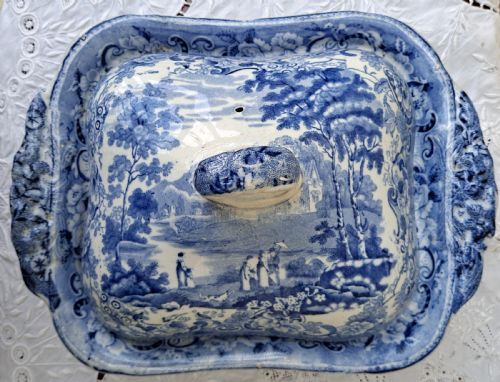
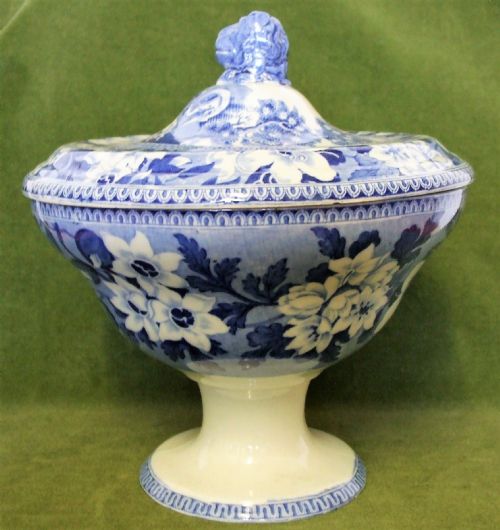
- A deep covered serving vessel used for soup, vegetables, or sauces, often accompanied by a matching ladle and platter. Victorian dining tables frequently featured large transfer-printed tureens decorated with rural scenery.
Blue White Transferware Dishes: Frequently Asked Questions
How do I date these dishes?
Dating relies on identifying backstamps, ceramic bodies such as pearlware versus later earthenware, and stylistic cues from Georgian or Victorian periods.
Pictorial themes and registry marks also help narrow the decade of production for specific transfer-printed patterns.
Can I use them for dining?
Many nineteenth-century platters and plates remain structurally sound for serving dry foods during contemporary meals.
However, older soft-paste porcelain and earthenware require careful hand washing to preserve the historic glaze and cobalt pigment.
What caused the blue colour?
Potters applied cobalt oxide pigment to the ceramic body before glazing and firing the piece at high temperatures.
The metallic oxide reacted with the glaze to produce the characteristic deep blue transfer-printed scenes.
How are patterns identified?
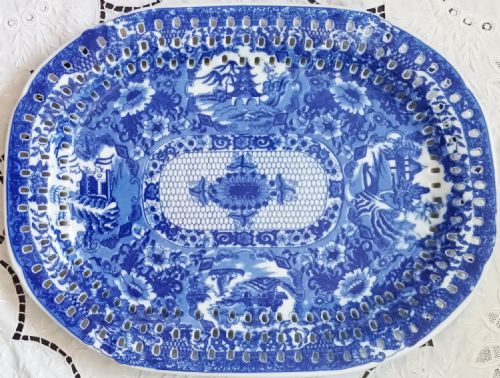
Patterns often draw inspiration from topographical views, literature, or romanticised orientalist designs like the willow pattern.
Collectors match the central imagery, such as gothic castles or bridge scenes, against known factory archives.