

Blue White Soft Paste Porcelain
Blue white soft paste porcelain brings eighteenth-century tableware into your home with cobalt decoration fired onto early vitreous bodies.
Blue White Soft Paste Porcelain
When searching for blue white soft paste porcelain, collectors encounter eighteenth-century tableware fashioned across Georgian England and continental Europe. The selection spans utilitarian forms and decorative vessels designed for tea service, dining, and display.
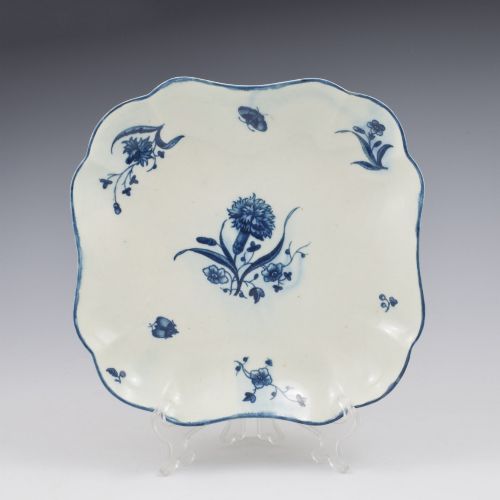
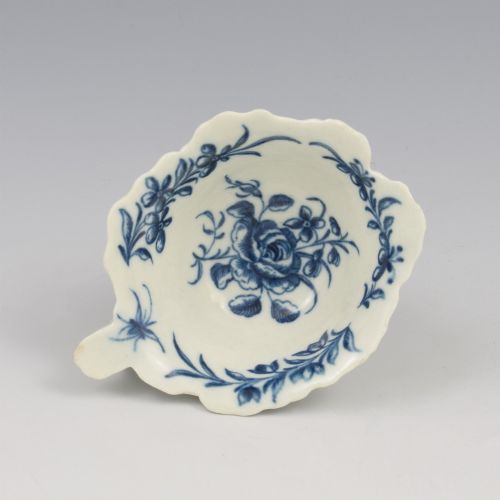
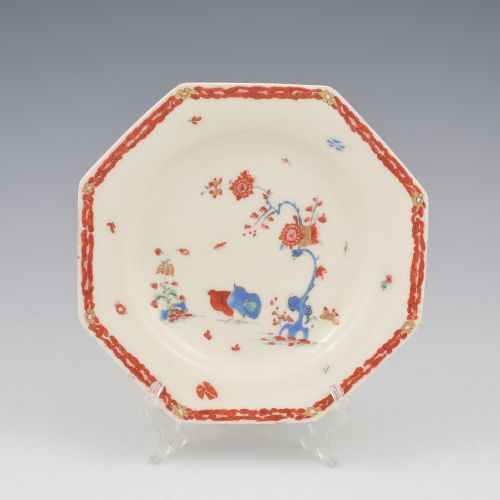
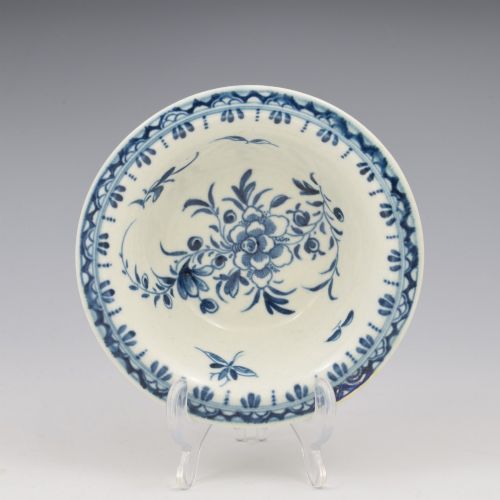
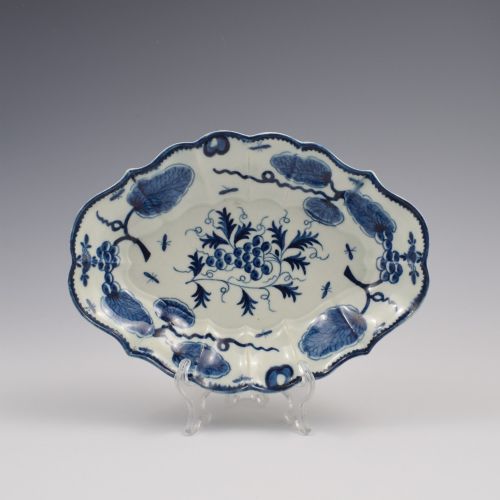
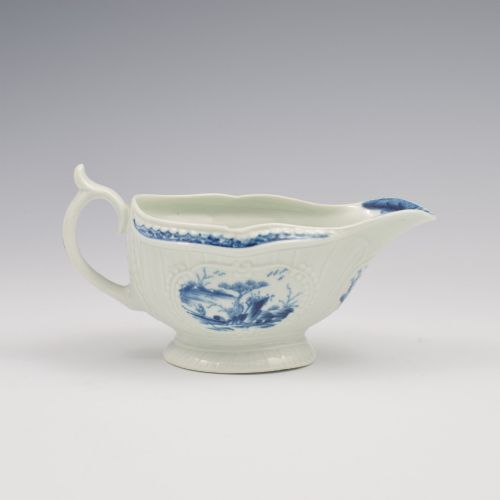
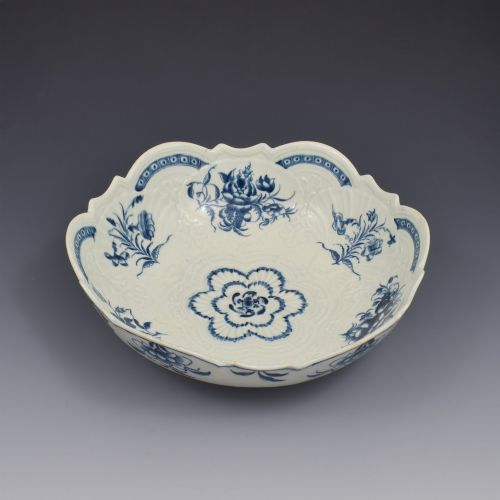
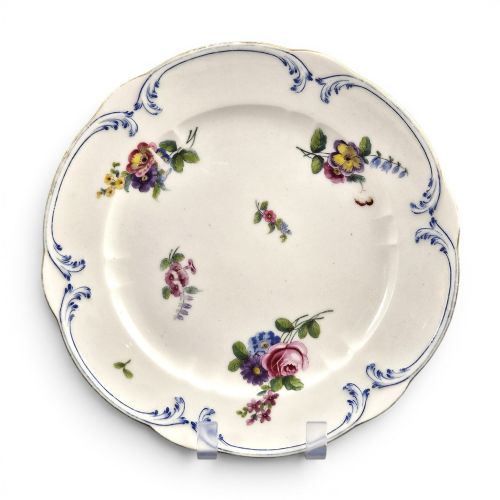
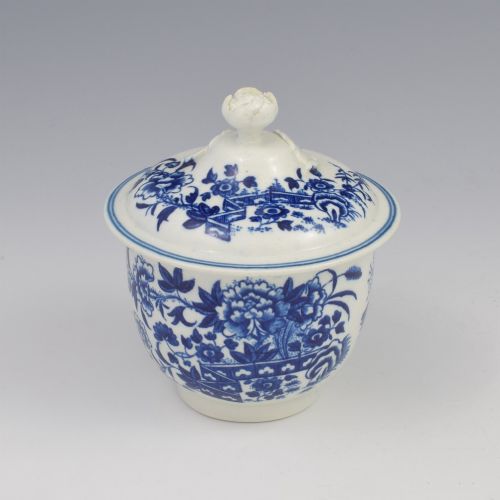
Most items on this page originate from English factories operating during the seventeen-fifties and seventeen-eighties. Sauce boats, tea bowls, pickle dishes, and baskets dominate the forms, reflecting the domestic habits of the Georgian period.
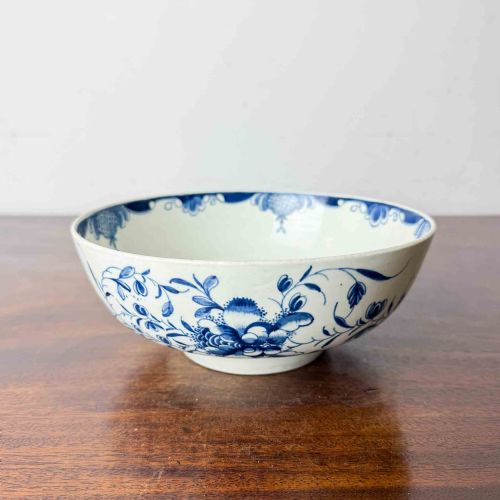
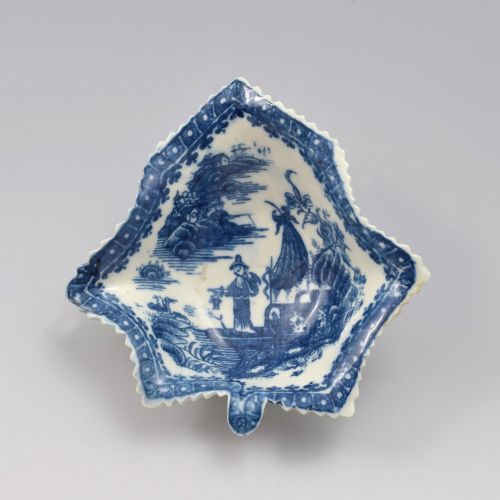
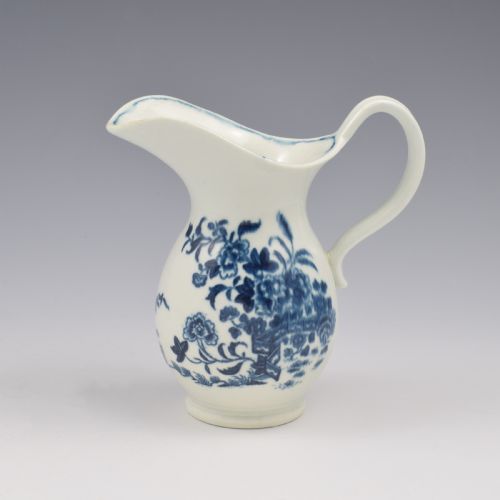
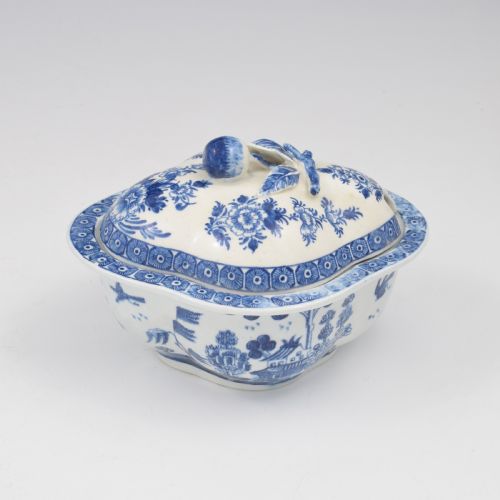
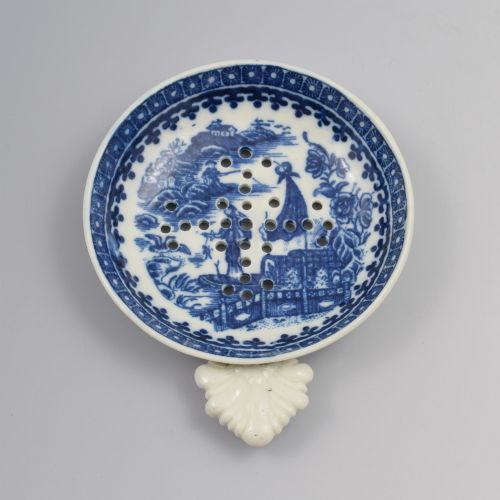
Chinoiserie motifs appear frequently alongside native botanical and avian patterns. Pieces range from small patty pans and wine tasters to large punch bowls and milk jugs, illustrating the wide repertoire of early ceramicists.
How they were made
Potters built these vessels using soft-paste porcelain, an artificial clay body composed of white clay, glass, and ground minerals rather than hard-paste ingredients. This body melted easily in the kiln, requiring careful temperature control during firing.
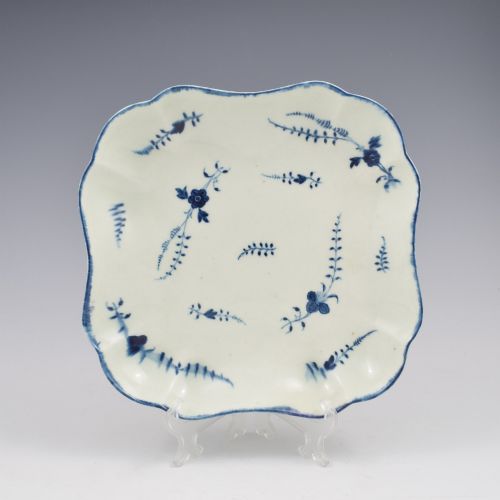
Decoration relied on cobalt underglaze applied directly to the unglazed or slip-covered body before dipping in a transparent glaze. Subsequent firing fused the cobalt oxide into the glaze, producing deep blue designs that varied from soft feathered edges to sharp lines.
Blue White Soft Paste Porcelain Retail Price Guide 2026
Typical asking prices for blue white soft paste porcelain among the pieces listed under this phrase on Sellingantiques today, from the lower quarter to the upper quarter. They describe what is for sale here now, not the wider market.
Listings feature eighteenth-century soft-paste porcelain primarily from English factories including Worcester, Caughley, Bow, Derby, and Liverpool Pennington.
What varies in quality
Quality separates objects by the clarity of the cobalt transfer and the stability of the glaze during firing. Superior pieces display deep, well-defined blue tones without excessive running into the background glaze.
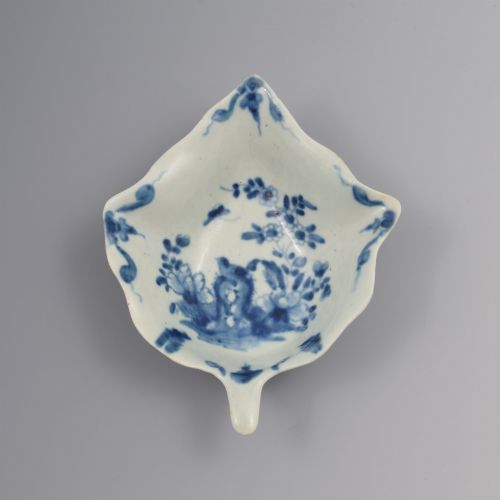
Moulding definition distinguishes finer examples, particularly on relief-moulded pickle dishes, leaf trays, and sauce boats. Sharp leaf veins, crisp mask spouts, and balanced proportions mark the work of skilled hands at the kiln.
Dr Wall Worcester·Caughley Porcelain·Bow Porcelain·Derby Porcelain·Liverpool Pennington
The Blue White Soft Paste Porcelain Glossary
- Soft-paste porcelain
- A ceramic material made from glassfrit and white clay, fired at lower temperatures than true hard-paste porcelain. It possesses a warm, creamy body and distinctive glaze pooling.
- Cobalt underglaze
- A metallic oxide pigment applied beneath the glaze before the final high-temperature firing. This technique ensures the blue colour remains permanent and protected.
- Chinoiserie
- European artistic interpretations of Chinese decorative motifs. These designs feature figures, pagodas, landscapes, and bamboo branches popular in the Georgian era.
- Pickle dish
- A small moulded dish, often shaped like a vine leaf or scallop shell, used at eighteenth-century dining tables for pickles and small relishes.
- Junket dish
- A shallow bowl designed for serving junket, a sweetened curd dessert common in the eighteenth century. These pieces often feature fluted or scalloped edges.
Blue White Soft Paste Porcelain: Frequently Asked Questions
How do I identify a Dr Wall Worcester piece?
Look for early porcelain bodies characterised by fine potting, cobalt underglaze blue decoration, and characteristic eighteenth-century forms such as scalloped pickle dishes and mask jugs. Many pieces also feature crescent or disguised numerals painted underneath.
Examine the footrim and glaze pooling, as early Worcester pieces often display specific potting traits unique to the period before factory marks became standardised.
What is the difference between soft-paste and hard-paste porcelain?
Soft-paste porcelain contains glassfrit and softer clays, fired at lower kiln temperatures which results in a warmer, slightly softer body that can be scratched with a steel file. Hard-paste porcelain relies on petuntse and kaolin, producing a vitrified, extremely hard material.
Collectors often notice that soft-paste pieces display tiny pinholes in the glaze and a characteristic translucent creaminess when held to the light.
Are these items suitable for daily use?
Eighteenth-century soft-paste porcelain is fragile, highly collectable, and sensitive to thermal shock and modern detergents. Most owners display them in cabinets or use them strictly for decorative purposes.
Hand washing in lukewarm water without harsh abrasives preserves the delicate glaze and fragile handles of these antique vessels.