


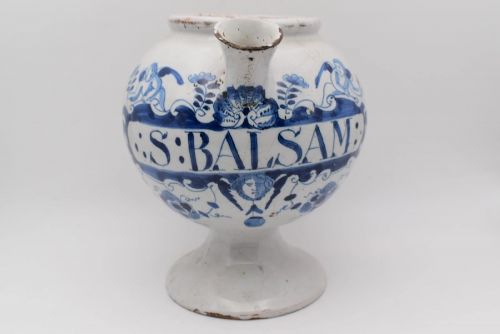

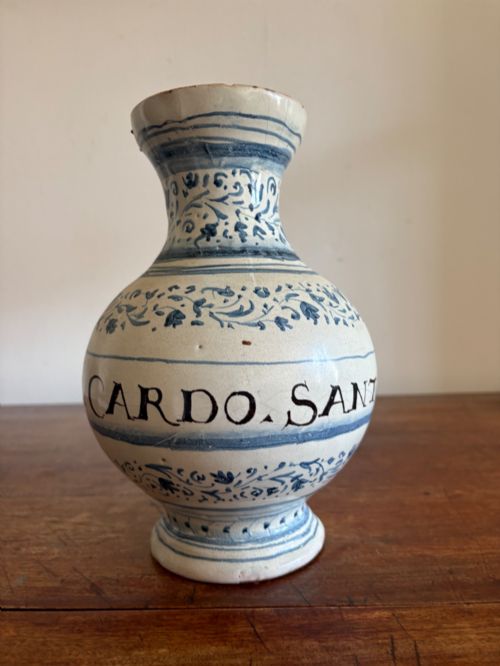
Blue White Pottery Vessel
A blue white pottery vessel brings cobalt pigment and tin glaze together in forms from apothecary jars to ginger jars that anchor a room.
Blue White Pottery Vessel
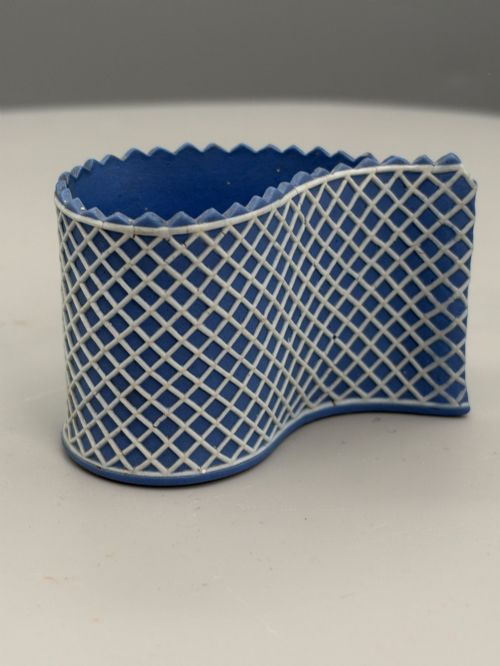
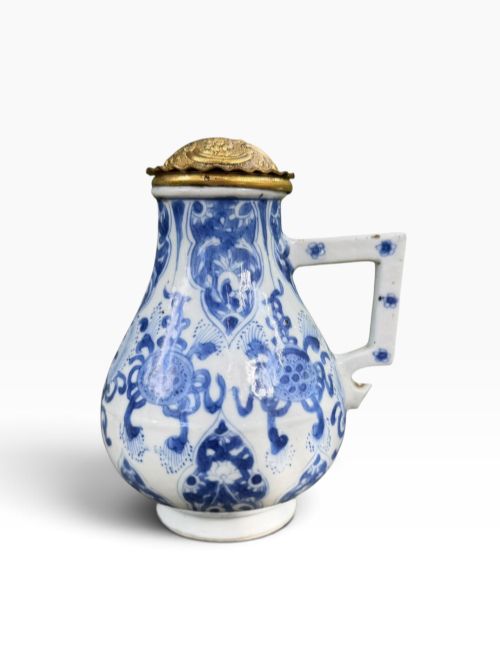
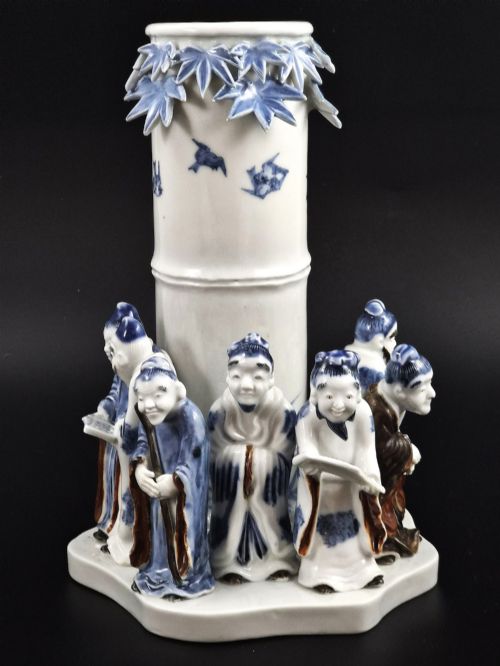
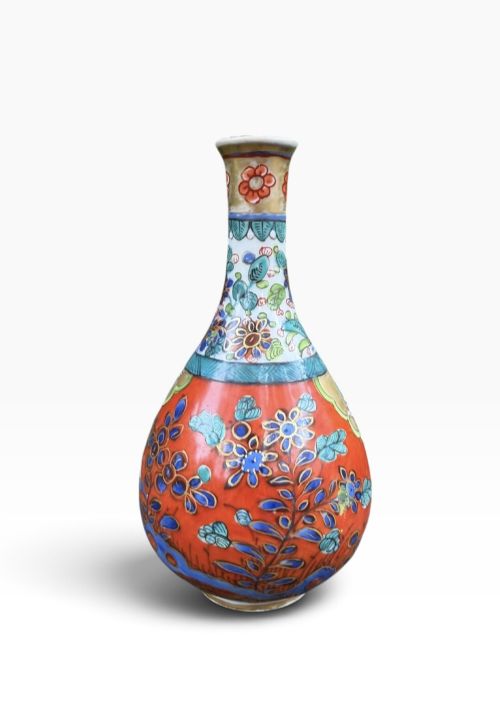
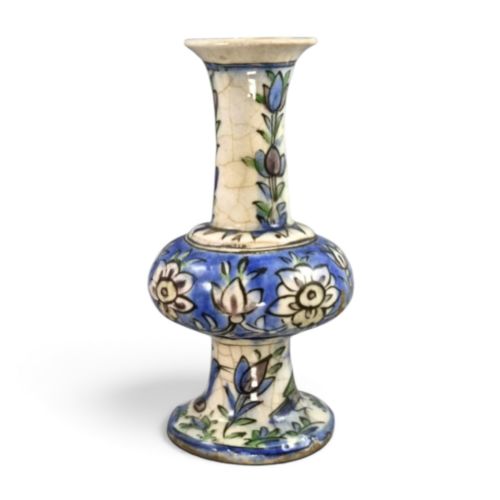
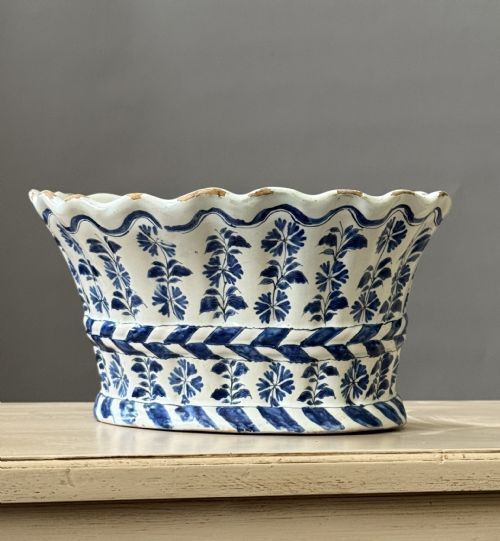
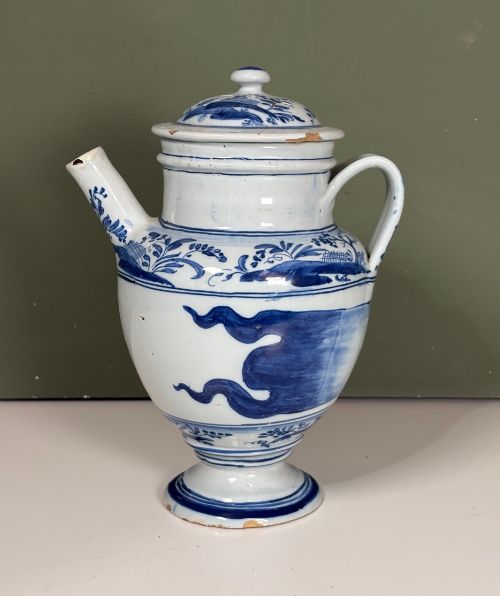
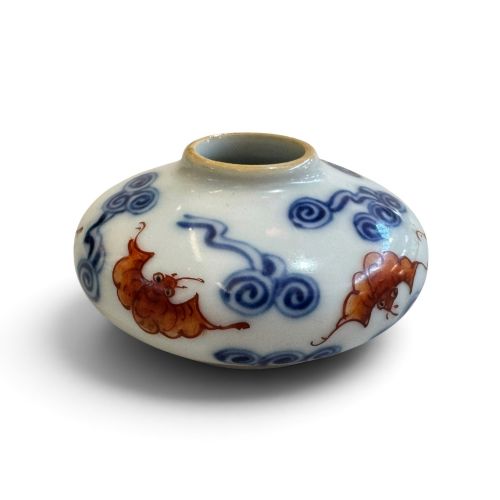
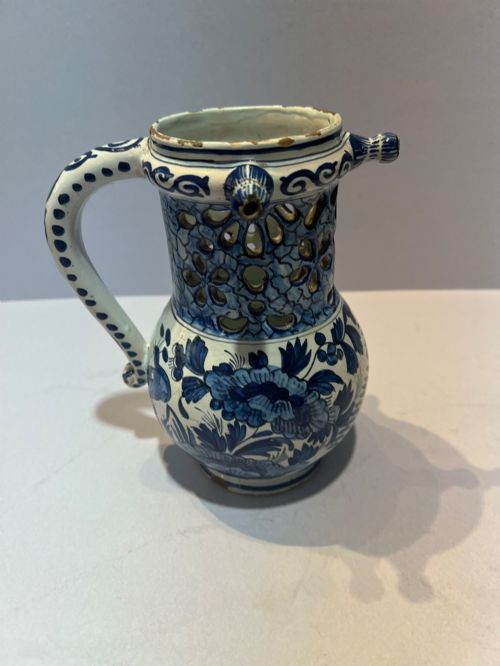
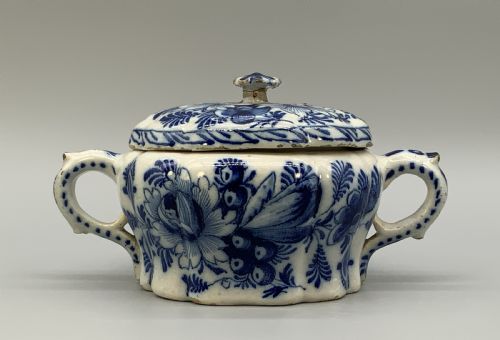
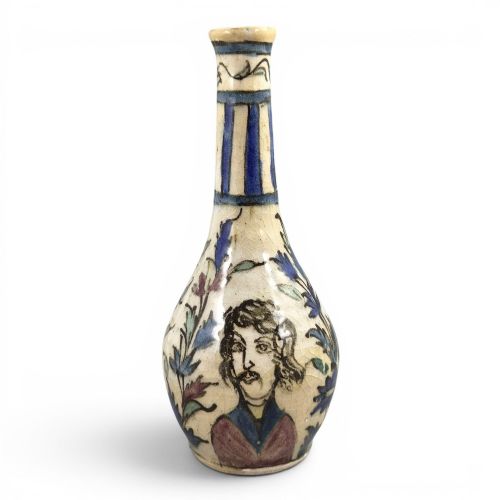
A blue white pottery vessel spans centuries of ceramic production across Europe, Asia, and the Middle East, appearing as vases, apothecary jars, bowls, and posset pots. The selection runs from 17th-century English and Dutch delftware to Qing Dynasty porcelain and Italian majolica pharmacy jars.
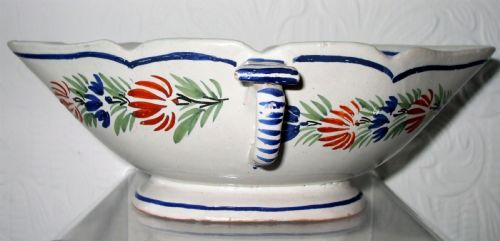
The objects served practical household or apothecary functions originally, holding drugs, liquids, or dried goods before entering collections as decorative display pieces. Forms range from tall albarelli and bough pots to ginger jars and double sauceboats.
How they were made
Potters shaped earthenware, ceramic, or porcelain bodies on the wheel or in moulds before applying opaque tin glazes or translucent finishes. Cobalt pigment painted directly onto the unfired surface created the characteristic blue decoration under clear or tin-opacified covers.
Firing took place in kilns where high temperatures fused the cobalt pigment into the glaze layer, producing deep blue tones alongside white grounds. Faience and majolica pieces received tin glaze for an opaque white canvas suitable for detailed brushwork.
Blue White Pottery Vessel Retail Price Guide 2026
Typical asking prices for blue white pottery vessel among the pieces listed under this phrase on Sellingantiques today, from the lower quarter to the upper quarter. They describe what is for sale here now, not the wider market.
A monkey holds the handle on an 18th-century Dutch delft jug, watching the room while holding a drink.
What varies in quality
Quality rests on the crispness of the cobalt painting, the stability of the glaze, and the precision of the potting form. Finer examples display confident brushwork and balanced proportions rather than muddy pigment runs or warped clay bodies.
The depth and brilliance of the blue pigment against the white ground separate ordinary wares from exceptional pieces. Early European delft and Asian porcelain demonstrate varied control over kiln temperatures and pigment concentration.
Pieter Verburg·William Adams & Sons
The Blue White Pottery Vessel Glossary
- Tin-Glazed Earthenware
- Pottery covered with a glaze containing tin oxide that fires to an opaque white finish. This surface provides an ideal background for painting with cobalt pigment.
- Posset Pot
- A vessel with handles and often a spout, used for serving a traditional British hot drink made of curdled milk and wine or ale. Surviving examples from the 17th and 18th centuries are prized ceramic forms.
- Cobalt Pigment
- A metallic colourant derived from cobalt ores that yields a stable blue tone under high kiln temperatures. It remains the defining pigment of traditional blue and white ceramics.
Blue White Pottery Vessel: Frequently Asked Questions
What is a blue white pottery vessel?
A blue white pottery vessel is a ceramic object decorated with cobalt blue pigment on a white background, including wares like delft jars, porcelain vases, and majolica albarelli.
These pieces originate from diverse traditions such as Qing Dynasty China, 17th-century England, and 19th-century France, serving both utilitarian and decorative roles.
How do you date an old vessel?
Dating relies on examining the potting technique, glaze characteristics, foot rim formation, and any painted marks or inscriptions on the base.
Early pieces often show crude potting and irregular tin glazes, whereas later 19th-century transfer-printed items display industrial precision.
Where were apothecary jars used?
Apothecary jars stood on shelves in pharmacies and dispensaries to hold dry drugs, syrups, and wet medicinal preparations.
Their distinctive labels and painted cartouches identified the contents for the apothecary while adding decorative appeal.
How do you display a ceramic vessel?
Ceramic vessels look best on stable wooden surfaces, mantels, or open shelving where natural light highlights the cobalt decoration.
Keep them away from direct sunlight and areas subject to sudden temperature changes to protect the glaze.