


Blue White Ceramic Stand
These blue white ceramic stand examples unite centuries of craft across cake plates, jardinières and inkwells.
Blue White Ceramic Stand
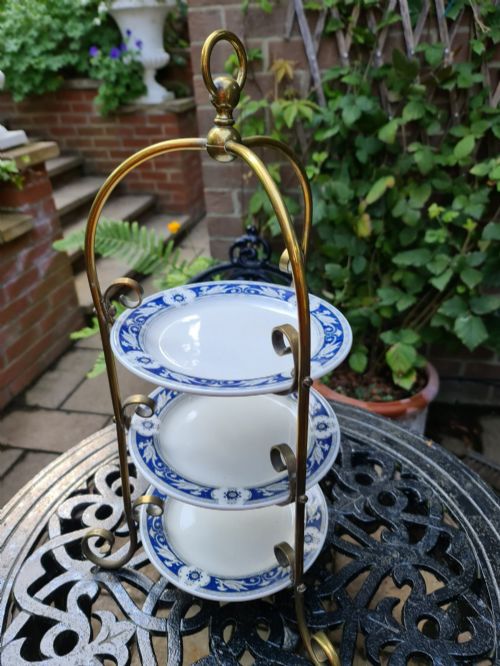
A blue white ceramic stand appears in many domestic guises across this selection, ranging from Georgian tazza and pearlware chestnut baskets to Edwardian cake stands and inkwells. Buyers encounter objects meant for serving food, holding stationery or supporting floral arrangements, originating from English potteries and Asian kilns alike.
The periods represented span from the eighteenth century through the Georgian, Victorian, and Edwardian eras, up to the early twentieth century. Common utilitarian and decorative forms include sauce tureen stands, garden seats, compotes, and stick stands finished in cobalt decoration.
Materials and Techniques
Makers utilised earthenware, porcelain, pearlware, and tin-glazed earthenware as the ceramic base for these pieces, often combining them with brass, enamel, or associated hardwood stands. Potters applied rich blue glazes and transfer-printed patterns such as the willow design, romantic ruins, and Chinese imperial motifs.
Techniques range from hand-painted tin-glazing seen in Dutch delft to detailed transfer printing on ironstone and pearlware bodies. Stoneware bodies and bone china alternatives provide the structural rigidity necessary for larger vessels like garden seats and umbrella stands.
Canine companions appear ready to assist, evidenced by a Staffordshire dog holding a basket for quill pens.
Assessing the Pieces
Quality separates through the crispness of the blue transfer print or the hand-painted brushwork, alongside the refinement of the ceramic body itself. Early pearlware and soft-paste porcelain demonstrate superior tactile depth compared to later commercial earthenware.
The sophistication of the moulded details, such as pierced galleries on baskets or crisp relief on ironstone and jasperware, marks the distinction between standard utilitarian wares and high-status exhibition pieces.
Doulton Burslem·Wedgwood·Minton·Spode·Rogers·J and R Clews
The Blue White Ceramic Stand Glossary
- Pearlware
- A refined earthenware developed in the late eighteenth century featuring a subtle bluish glaze that pooled in recesses to mimic Chinese porcelain.
- Transfer printing
- A decoration method where a design is engraved on a copper plate, inked, transferred to tissue paper, and rubbed onto the ceramic biscuit before glazing.
- Tazza
- A shallow ornamental cup, dish or plateau mounted on a stem and foot, commonly used for serving fruit or sweets.
- Faience
- European tin-glazed earthenware, historically produced in imitation of imported Chinese porcelain and associated with Dutch delftware workshops.
- Ironstone
- A heavy, durable type of feldspathic stoneware patented in the early nineteenth century by English potteries to withstand robust daily use.
Blue White Ceramic Stand: Frequently Asked Questions
What were these stands used for?
These ceramic stands served practical functions in historic households, acting as bases for tureens, cheese dishes, cakes, and fruit bowls. Others held items like inkwells, pocket watches, or walking sticks in hallways.
Over time, many of these utilitarian items transitioned into purely decorative objects due to their intricate cobalt patterns and regional manufacturing heritage.
How do I date a blue and white ceramic stand?
Dating relies on identifying the ceramic body, such as distinguishing early pearlware from later ironstone or standard earthenware. Maker marks, registry diamonds, and decorative styles like Aesthetic Movement or Chinoiserie provide further chronological clues.
Period markers also include the intensity of the blue pigment and the sharpness of the transfer printing technique used during manufacturing.
Are these pieces suitable for daily use?
While many items were originally made for dining tables or desks, antique ceramics require gentle handling to preserve their glazes and historical integrity. Displaying them safely prevents accidental chips to delicate rims, handles, and pierced galleries.
Items like jardinières and umbrella stands remain functional for interior decor when paired with modern protective liners.