

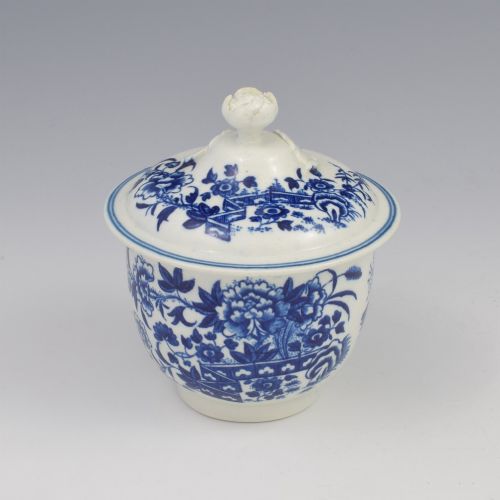

Blue White Ceramic Pot
When you search for a blue white ceramic pot, you are looking at centuries of cobalt painted vessels created for storage, display, and daily use.

Blue White Ceramic Pot
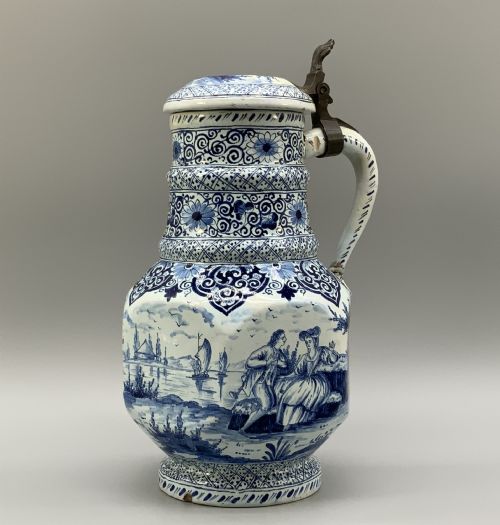
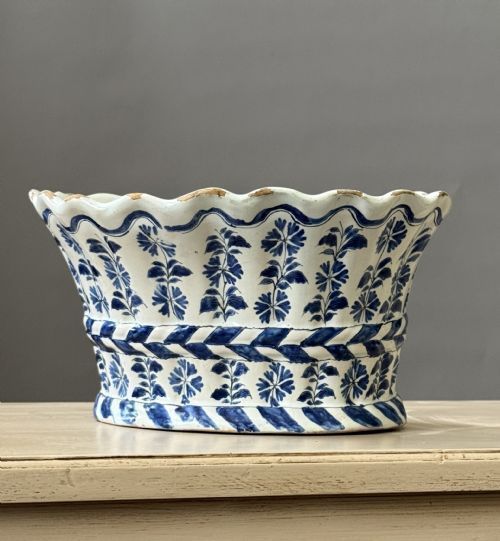
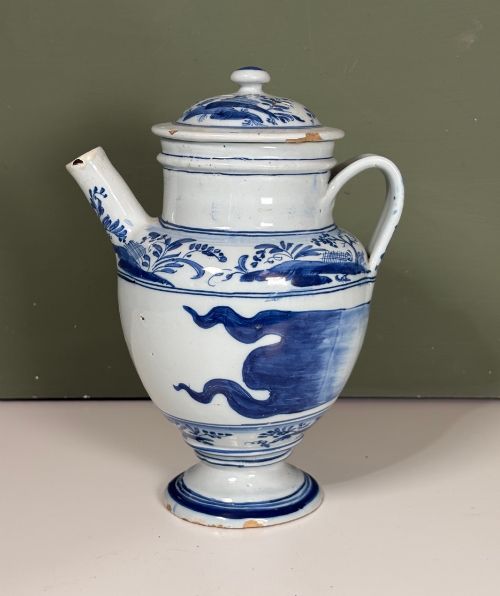
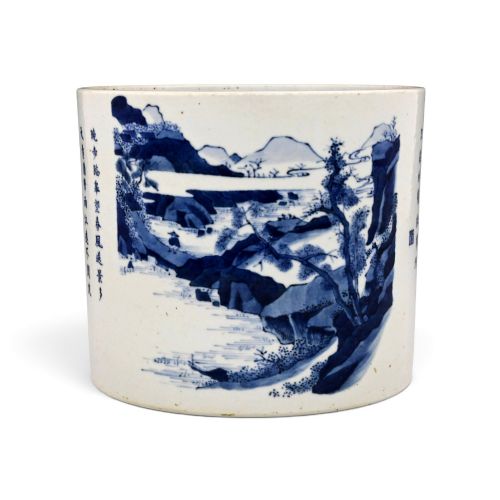
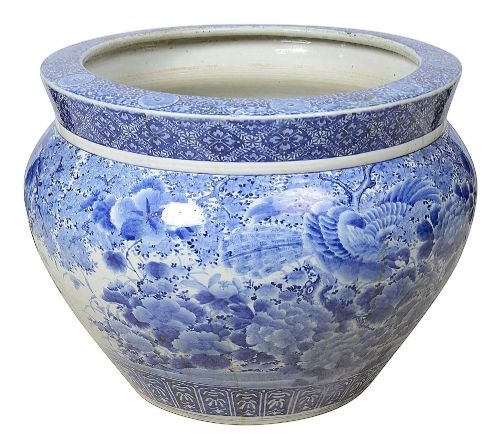
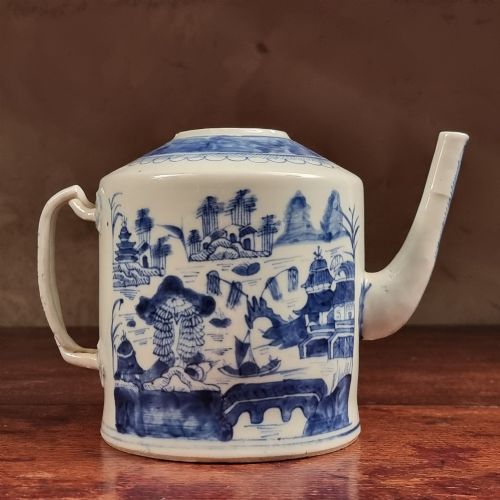
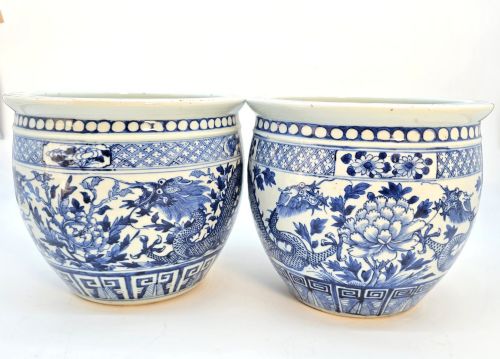
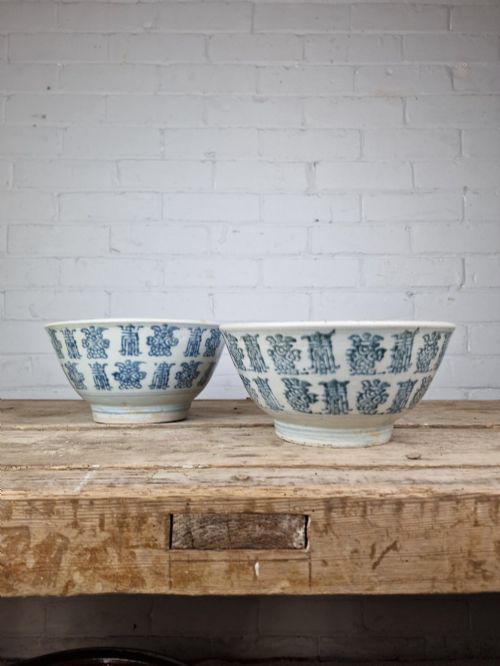
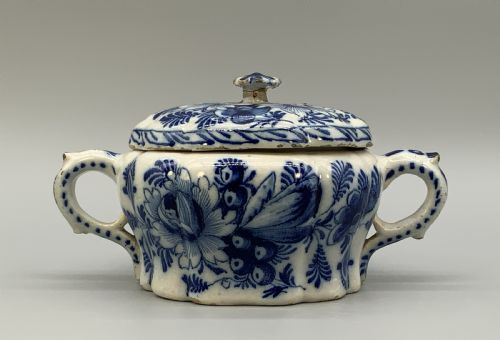
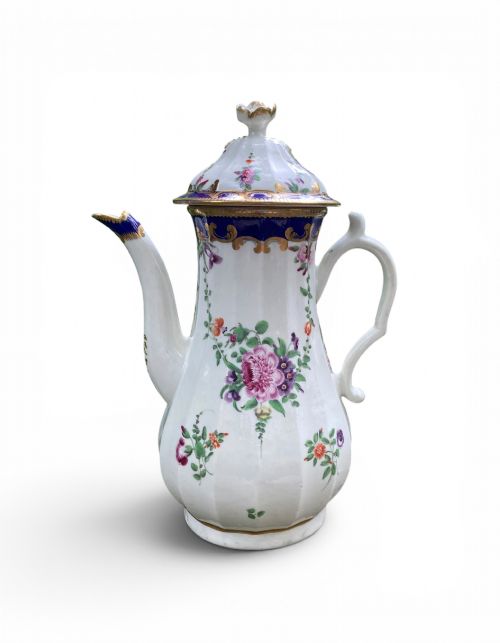
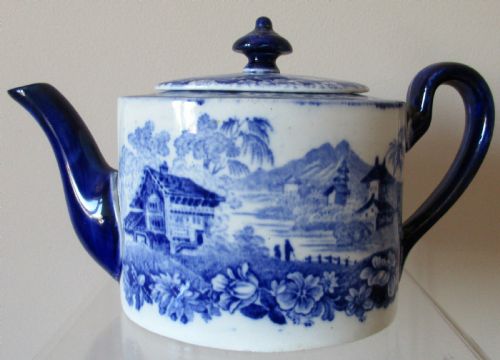
A blue white ceramic pot encompasses a diverse range of vessels designed for practical containment and decorative display. The forms span from apothecary and drug jars used in pharmacies to large garden planters, tea pots, and scholar's brush pots. You will regularly encounter pieces originating from English potteries, European delftware kilns, and East Asian export workshops.
The selection on this page stretches across multiple centuries, featuring items from the seventeenth, eighteenth, and nineteenth centuries alongside later productions. Domestic English earthenwares and stonewares sit alongside Chinese porcelain and Japanese Arita wares. Each form carries the distinct utilitarian or scholarly function of its original context, whether intended for dry goods, liquids, or plants.
What varies in quality
The distinction between standard commercial output and superior craftsmanship rests upon the execution of the hand painted cobalt decoration and the refinement of the ceramic body. Crispness of line, depth of blue pigment, and the balance of the painted composition separate ordinary domestic containers from finer scholarly or decorative items.
The stability of the glaze, the precision of the potting, and the preservation of the original surface finish influence the overall character of the piece. Subtle variations in potting thickness and glaze pooling reflect the specific workshop traditions of Chinese export kilns, English factories, or European delftmakers.
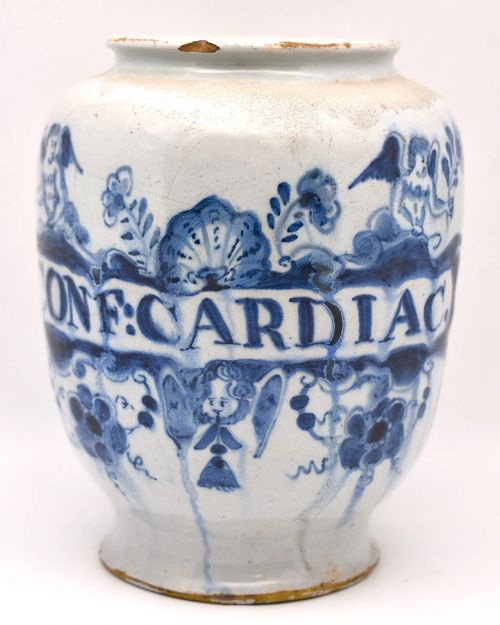
Historical drug jars carried Latin inscriptions for remedies like cardiac concoctions, ensuring patients swallowed their medicine with a heavy dose of confusion.
William Adams & Sons·Mintons·Enoch Wood & Sons
The Blue White Ceramic Pot Glossary
- Albarello
- A type of majolica or tin glazed earthenware pharmacy jar designed for holding dry drugs and ointments. These cylindrical vessels often feature an incurved waist for ease of handling.
- Delftware
- Tin glazed earthenware produced in the Netherlands and England during the seventeenth and eighteenth centuries. It is characterised by a white opaque glaze painted with cobalt blue designs.
- Jardiniere
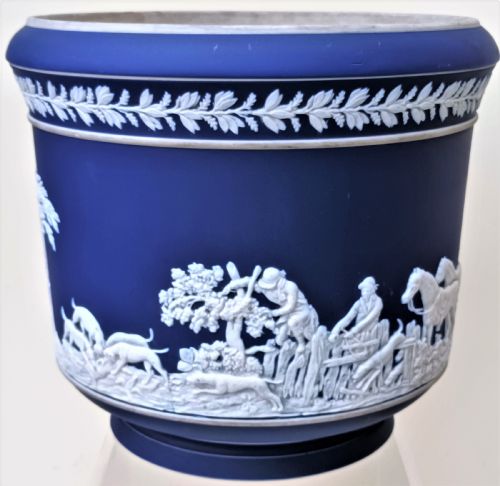
- A large ornamental pot or container intended for holding growing plants or flowers. They appear in ceramic, porcelain, and stoneware across European and Asian traditions.
- Posset pot
- A spouted vessel with handles used for serving posset, a historical hot drink made of curdled milk mixed with wine or ale. They frequently include lids and date to the seventeenth and eighteenth centuries.
- Jasperware
- A type of vitreous stoneware developed by Josiah Wedgwood, notable for its matte surface and contrasting applied white reliefs against a coloured body.
Blue White Ceramic Pot: Frequently Asked Questions
What were apothecary jars used for?
Apothecary jars held dry drugs, herbal remedies, and wet medicinal preparations in pharmacies and dispensaries. Their painted labels ensured quick identification of contents by practitioners.
Over time, many of these utilitarian containers transitioned into decorative display items prized for their historical inscriptions and cobalt decoration.
How do I care for antique ceramics?
Keep ceramic pots away from direct sunlight and sudden temperature fluctuations to protect the glaze and body. Clean them gently with a dry or barely damp cloth without harsh detergents.
Avoid submerging porous earthenwares or pieces with repaired sections in water to prevent structural damage.
How do I distinguish English delft from Dutch delft?
English and Dutch delft share a tin glazed earthenware body and cobalt palette, but subtle differences in clay composition and glaze tone offer clues. English bodies often appear slightly heavier with variations in the blue pigment.
Maker marks and stylistic motifs related to local production centres help narrow down the origin further.
What is a brush pot?
A brush pot, or bitong, is a cylindrical vessel traditionally used by scholars in East Asia to hold writing brushes. They sit upright on desks and are carved or painted from materials like porcelain and bamboo.
Their presence reflects the scholarly traditions associated with Chinese export and domestic ceramics.