


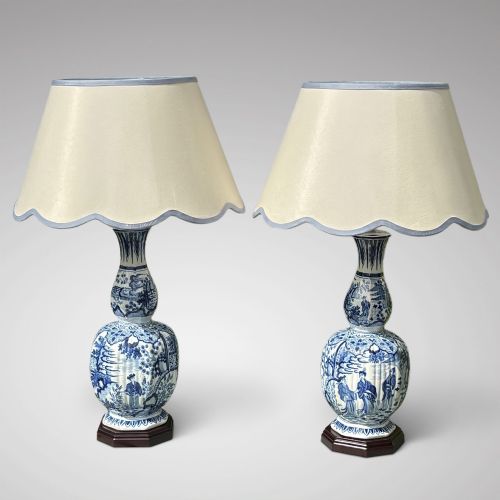


Blue White Ceramic Lighting
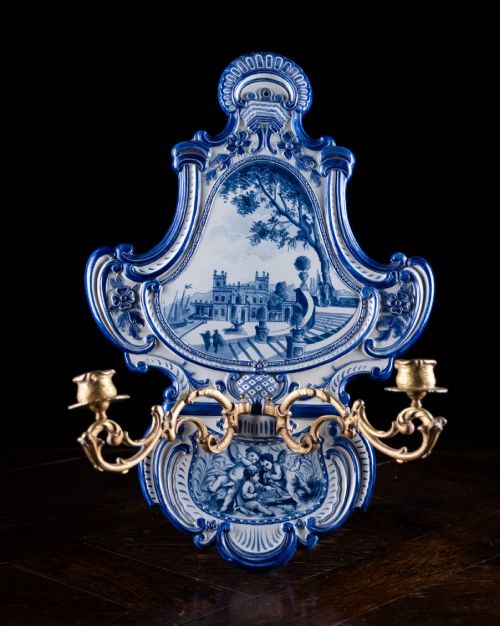
Blue white ceramic lighting brings centuries of patterned pottery into daily rooms through table lamps, wall sconces, and converted vases.
Blue White Ceramic Lighting
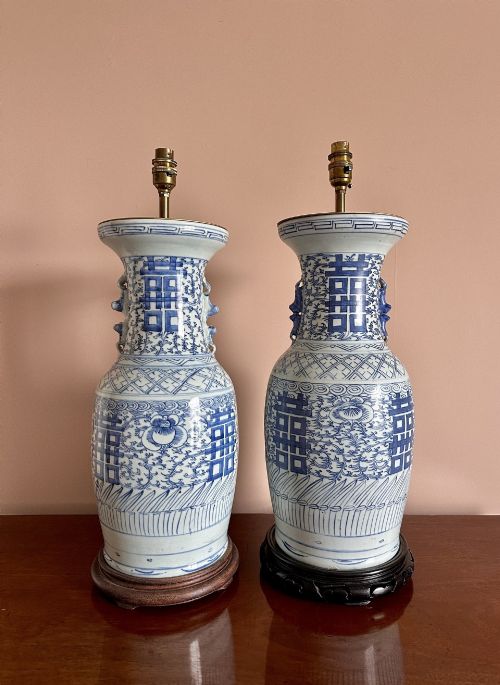
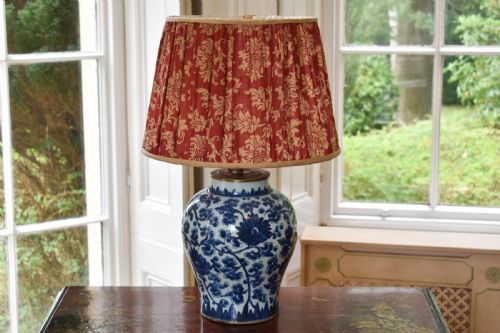
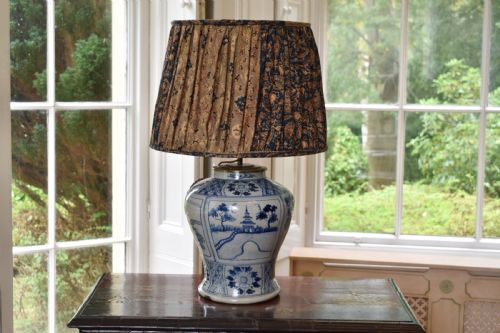
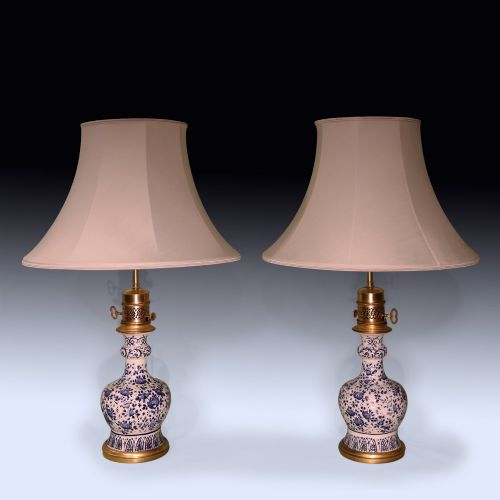
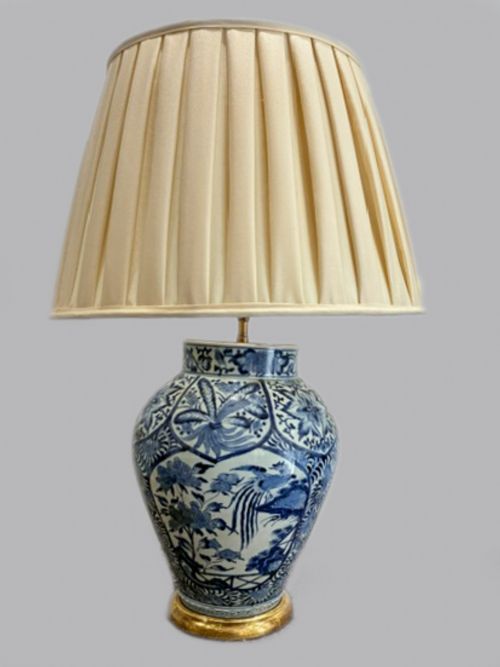
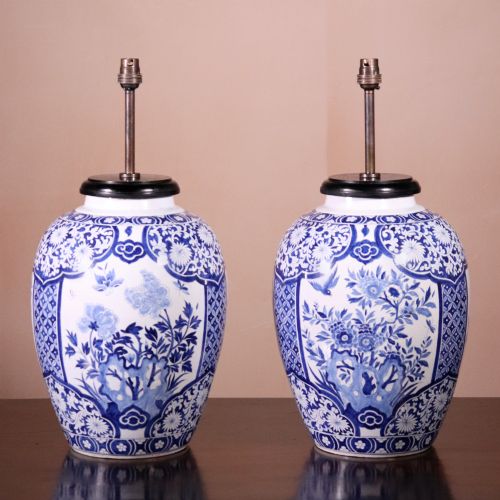
Blue white ceramic lighting consists primarily of table lamps and wall sconces adapted from earlier vessels, ginger jars, and porcelain vases originating in China, Japan, and European potteries like Delft. The most common pieces encountered on this page are nineteenth-century Chinese porcelain vases and ginger jars converted into lamps, alongside Dutch Delftware and Japanese Arita examples.
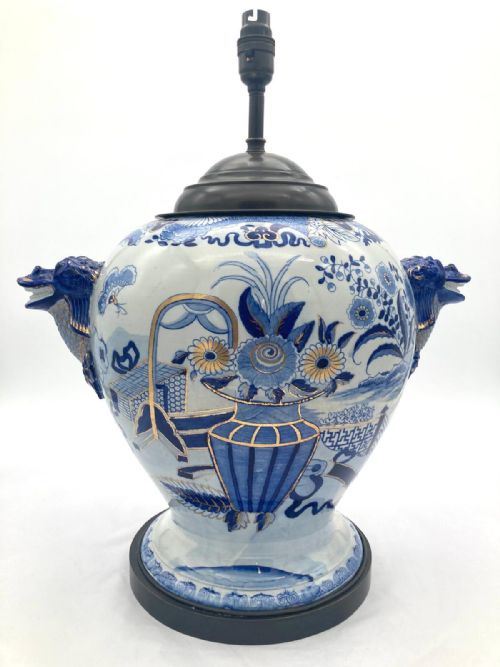
The forms span centuries, drawing from seventeenth and eighteenth-century export porcelain as well as later Victorian adaptations, Art Deco porcelain, and Regency ironstone. Many objects started life as decorative vessels, ginger jars, or apothecary jars before receiving electrical fittings and fabric or silk shades.
Buyers select these items to anchor a room with cobalt decoration and white glazed surfaces, pairing historic ceramic bodies with brass, gilt bronze, or black glass bases. The inventory bridges far eastern ceramic traditions with European domestic lighting through centuries of adaptation.
Materials and construction
The bodies utilise porcelain, earthenware, and ironstone, decorated under the glaze in cobalt blue before firing at high temperatures. Manufacturers combined these ceramic vessels with brass, gilt bronze, and wood mounts, occasionally mounting them on black glass bases.
Many items began as vases, jars, and candlesticks from the seventeenth, eighteenth, and nineteenth centuries, subsequently converted into lamps with wired fittings and paired with handmade fabric or silk shades.
Blue White Ceramic Lighting Retail Price Guide 2026
Typical asking prices for blue white ceramic lighting among the pieces listed under this phrase on Sellingantiques today, from the lower quarter to the upper quarter. They describe what is for sale here now, not the wider market.
Listings feature ceramic lighting spanning from the seventeenth century through the Art Deco period, utilising porcelain, earthenware, brass, and silk.
Distinctions in execution
Quality rests in the crispness of the cobalt painting on the porcelain body, the depth of the crackleware glaze, and the integration of the metal mounts. Early Chinese export pieces and seventeenth-century Japanese Arita porcelain display finer brushwork and superior glaze consistency.
The character of the conversion work also matters, particularly how cleanly the electrical hardware meets the original ceramic vessel without damaging the historic body or altering the balance of the piece.
Villeroy & Boch·Hicks and Meigh·Wedgwood
The Blue White Ceramic Lighting Glossary
- Ginger jar
- A high-shouldered ceramic container originally used for storing spices, frequently converted into a lamp base in later centuries.
- Delftware
- Tin-glazed earthenware produced in Dutch and English potteries, notable for its opaque white surface and blue painted decoration.
- Arita porcelain
- Japanese porcelain produced around the town of Arita, heavily exported to Europe during the seventeenth and eighteenth centuries.
- Ironstone
- A heavy, durable type of earthenware patented in the nineteenth century as a robust alternative to porcelain.
- Ormolu
- Gilt-bronze mounts applied to ceramic bodies, adding decorative metalwork to the base or neck of a vessel.
Blue White Ceramic Lighting: Frequently Asked Questions
How do I date a blue and white lamp?
Dating relies on examining the ceramic body, the style of the cobalt painting, and the supporting metal mounts. Eighteenth-century pieces typically show different potting weights and glaze characteristics compared to nineteenth-century production.
Changes in electrical wiring, base materials like brass or black glass, and mounting techniques also provide clues to when a vessel was converted into a lamp.
Were these lamps originally made for electricity?
Most of these pieces started life as decorative vases, ginger jars, or candlesticks in earlier centuries. They were later converted into lamps by adding electrical fittings and shades.
This conversion process preserves the historic ceramic body while adapting it for modern domestic illumination.
What is the difference between porcelain and earthenware?
Porcelain is fired at much higher temperatures, resulting in a dense, vitrified body that rings when struck and is typically white and translucent. Earthenware, such as Delftware, is softer, more porous, and requires an opaque tin glaze to achieve a white surface.
Both materials were painted in blue and subsequently adapted into lighting fixtures across different centuries.
How do I match a shade to a ceramic lamp?
Selecting a shade involves balancing the visual weight of the patterned ceramic base with appropriate proportions in fabric or silk. Simple handmade shades complement busy cobalt patterns without competing with the painted motifs.
The height of the lamp and the diameter of the jar dictate the scale of the shade required for visual harmony.