




Traditional Porcelain Desk Lamp
A traditional porcelain desk lamp brings centuries of ceramic artistry to a workspace, offering warm illumination through repurposed Asian and European vessels.
Traditional Porcelain Desk Lamp
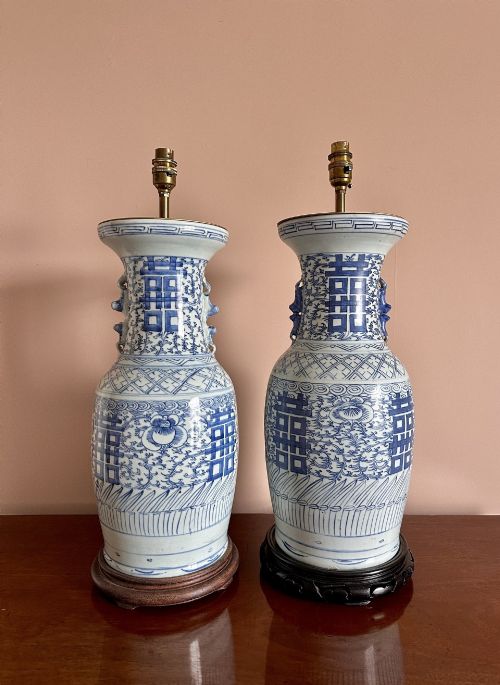
A traditional porcelain desk lamp on this page takes the form of a converted vase, jar, or vessel rather than a standard factory-made desk fitting. These pieces originate from distinct periods including the 18th century, 19th century, Victorian era, and the 1920s.
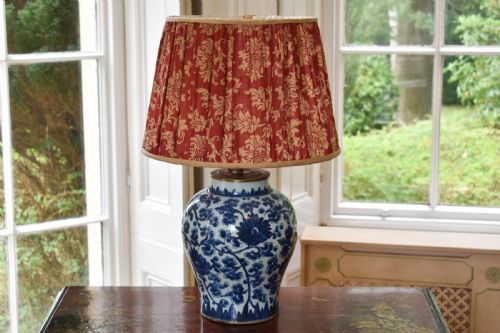
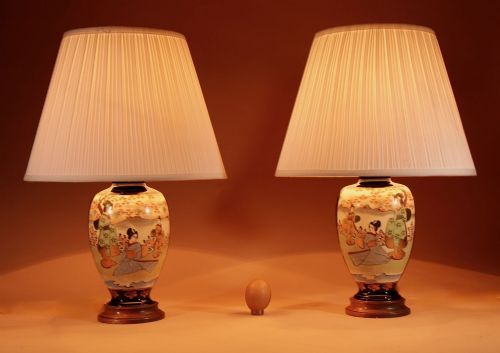
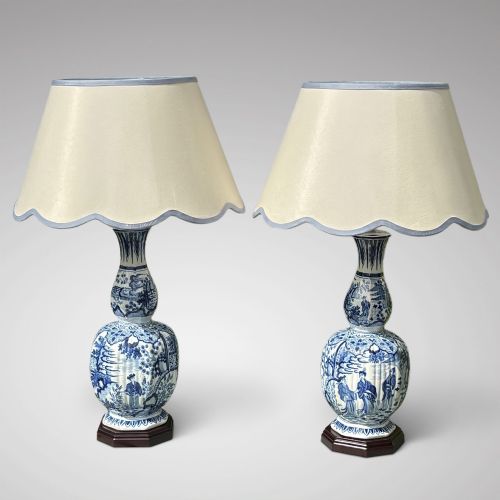
The ceramic bodies draw upon traditional styles such as Chinese Export, Chinoiserie, Qing Dynasty, Japanese Meiji, Japanese Edo Period, and Dutch Delftware. Buyers will most frequently encounter blue and white vases, ginger jars, and crackleware vessels adapted into table lighting.
Makers utilised existing antique ceramic forms, pairing baluster vases and jar shapes with electrical fittings and fabric or silk shades. Brass components frequently support the porcelain bodies and house the wiring necessary for modern desk use.
Materials and construction methods
The primary bodies consist of fired porcelain, ceramic, or earthenware, often decorated with hand-painted glazes, cobalt blue designs, or famille verte enamels. Metal mounts, predominantly brass, secure the porcelain bases and provide structural integrity for the lamp hardware.
Lighting assemblies are completed with fabric and silk shades that complement the historical aesthetic of the ceramic bases. Wood elements occasionally appear in the supporting bases or platforms of these converted table lamps.
Traditional Porcelain Desk Lamp Retail Price Guide 2026
Typical asking prices for traditional porcelain desk lamp among the pieces listed under this phrase on Sellingantiques today, from the lower quarter to the upper quarter. They describe what is for sale here now, not the wider market.
Listings feature porcelain vessels from the 18th century, 19th century, Victorian period, and 1920.
Distinguishing quality in converted lamp bases
Quality rests primarily on the age, artistic execution, and preservation of the original ceramic vessel before its conversion into a lamp. Hand-painted details, crisp cobalt glazes, and well-executed crackleware finishes distinguish finer historical pieces from simpler utilitarian ceramics.
The integration of the electrical hardware and brass mounts relative to the antique body determines the overall refinement of the piece. Balanced proportions between the porcelain vessel, the brass fittings, and the fabric shade define a superior conversion.
The Traditional Porcelain Desk Lamp Glossary
- Ginger jar
- A storage jar with a rounded body and wide shoulders, frequently adapted into a lamp base. These vessels originally transported spices and tea.
- Baluster vase
- A vase with a rounded lower portion and a narrow neck, shaped like an architectural baluster. This form provides a stable profile for table lighting.
- Crackleware
- Pottery featuring a network of fine cracks in the glaze, deliberately created during the firing process. This finish appears frequently on 19th-century Chinese vases.
- Famille verte
- A ceramic palette dominated by green enamels, introduced during the Qing Dynasty. Pieces utilising this style display intricate polychrome decoration.
- Imari
- Japanese export porcelain decorated in underglaze blue, iron red, and gold. These colourful wares were produced in Arita for international markets.
Traditional Porcelain Desk Lamp: Frequently Asked Questions
How are these lamps powered?
These lamps utilise standard electrical wiring and plugs adapted for modern desk use. The internal components sit securely within the mounted brass hardware.
Buyers should check that the bulb fittings match contemporary electrical standards in their region.
Are the lamp bases original antiques?
The ceramic bodies originate from historical periods ranging from the 18th century to the 1920s. Many were originally vessels such as vases or ginger jars before later conversion into lighting.
Brass mounts and electrical fittings are typically added during or after the conversion process.
What shades suit these lamps?
Fabric and silk shades are standard pairings that diffuse light softly across a workspace. The choice of shade depends on the scale and colour palette of the porcelain base.
Neutral tones allow intricate blue and white or famille verte patterns to remain the visual focus.
How do I identify the ceramic style?
Styles are identified through glaze techniques, motifs, and historical origins such as Dutch Delftware or Japanese Meiji. Blue and white painting and crackleware finishes offer clear visual markers.
Examining the base and painting style helps distinguish between export wares and domestic European ceramics.