



Red Pleated Lamp Shade
A red pleated lamp shade tops a table lamp built from porcelain, ceramic or metal bases drawn from centuries of Asian and European craftsmanship.
Red Pleated Lamp Shade
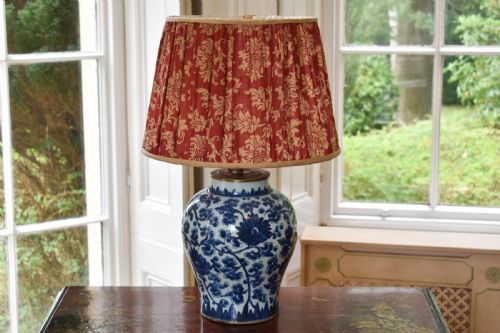
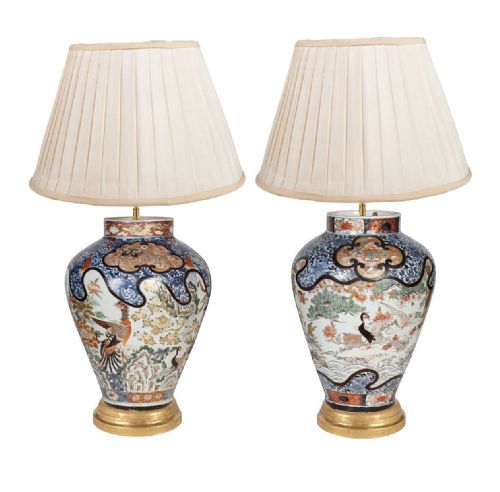
When you search for a red pleated lamp shade, you find table lamps created by mounting antique and vintage vases, including Chinese porcelain and Japanese Imari pieces, with modern or period shades. These objects combine historical vessels from the eighteenth, nineteenth and early twentieth centuries with lighting hardware.
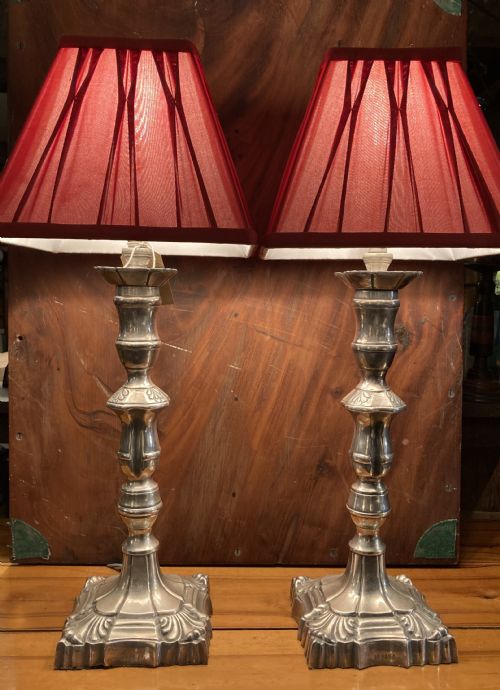
The ceramic bases originate from diverse traditions such as Chinese Export, Chinoiserie, Qing Dynasty, Edo Period and Meiji Period workshops. Alongside porcelain, listings include metal and silver plated table lamps from the early twentieth century.
The form unites decorative ceramic vessels like spill vases, lidded jars and flambe or celadon glazed vases with functional illumination. Most examples on this page pair historical ceramic bodies with fabric shades.
How they were made
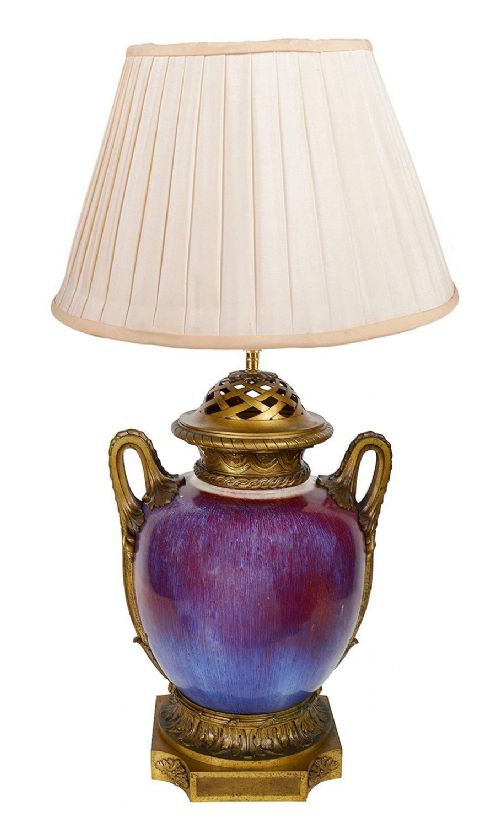
The bases rely on traditional ceramic techniques including celadon glaze, flambe glaze and Sang de Boeuf coloration on porcelain bodies. Artisans shaped these vessels by hand or on the wheel before firing them in kilns across various Asian dynasties and periods.
Mounting hardware incorporates brass, ormolu and other metals to convert decorative vases into functional lighting fixtures. Fabric shades provide the pleated texture that diffuses the light emitted from these combined pieces.
Red Pleated Lamp Shade Retail Price Guide 2026
Typical asking prices for red pleated lamp shade among the pieces listed under this phrase on Sellingantiques today, from the lower quarter to the upper quarter. They describe what is for sale here now, not the wider market.
Listings feature porcelain, fabric, brass, wood, ormolu and silk across the seventeenth, eighteenth, nineteenth and twentieth centuries.
What varies in quality
Quality depends upon the fidelity and preservation of the ceramic base, noting the depth of the glaze and the crispness of the hand-painted details. Vases with unblemished glazes and well-preserved surface decoration stand apart from heavily worn examples.
The elegance of the metal mountings and the proportion between the antique vessel and the upper shade structure determine the overall visual balance of the table lamp.
The Red Pleated Lamp Shade Glossary
- Celadon glaze
- A pale green jade-like glaze applied to porcelain before firing. This finish originates from ancient Chinese kilns and provides a subtle, translucent surface.
- Imari
- A style of Japanese porcelain decorated in underglaze blue and iron red with additions of gold. These wares were exported widely during the Edo period.
- Sang de Boeuf
- A deep red copper-based glaze developed in Chinese kilns during the Qing dynasty. The rich crimson tones vary across the ceramic surface.
- Ormolu
- Gilded bronze used for decorative mounts and hardware on furniture and lamps. This technique involves applying a gold amalgam to a bronze base.
Red Pleated Lamp Shade: Frequently Asked Questions
What is a red pleated lamp shade?
A red pleated lamp shade is a fabric covering that sits atop a table lamp to soften and direct light.
In these listings, such shades crown converted antique vases and metal bases dating from the seventeenth century onward.
How are antique vases turned into lamps?
Artisans mount historical porcelain vessels and spill vases onto metal bases like brass or ormolu.
Wiring and lamp fittings are then added through the vessel or alongside it to create functional table lighting.
How do I style a ceramic table lamp?
These table lamps work well on side tables, desks or sideboards where the coloured glaze can catch the light.
Pair them with neutral surroundings to let the detailed porcelain patterns and fabric shades remain the focal point.
How can I tell the period of a vase lamp?
The period is indicated by the glaze style, painting technique and ceramic body, such as Qing Dynasty or Meiji Period aesthetics.
Hardware additions from the twentieth century also help distinguish converted pieces from modern reproductions.