



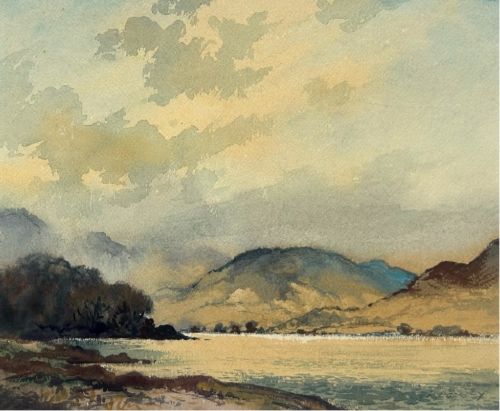
Blue Watercolour Artwork
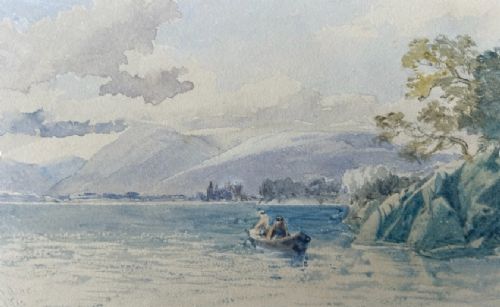
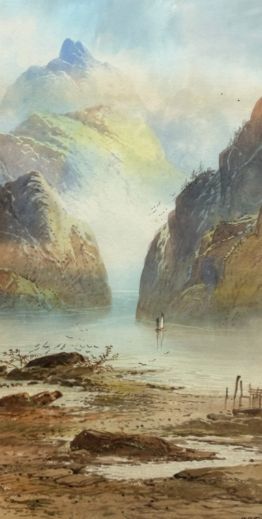
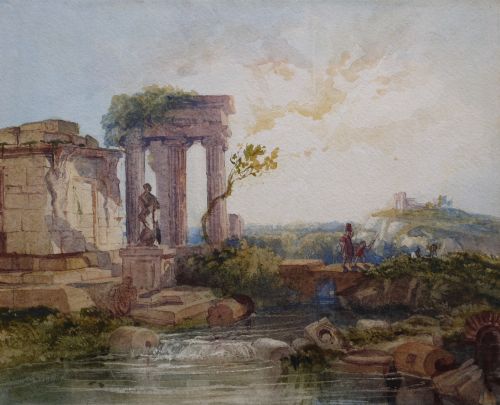
Blue watercolour artwork encompasses British works on paper spanning the nineteenth and twentieth centuries, sought after for their fluid washes and atmospheric landscapes.
Blue Watercolour Artwork
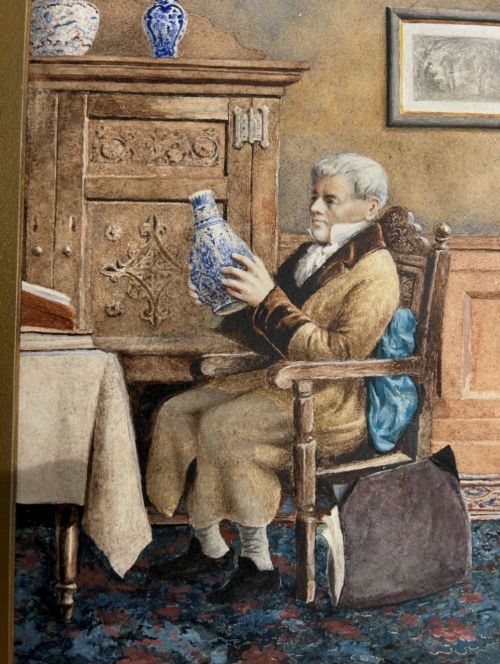
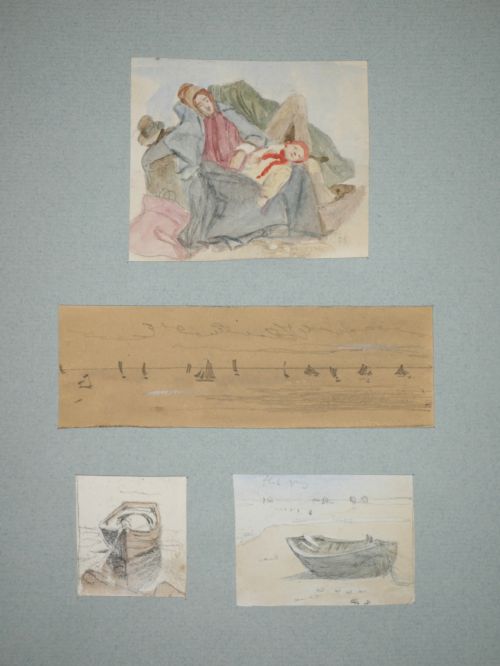
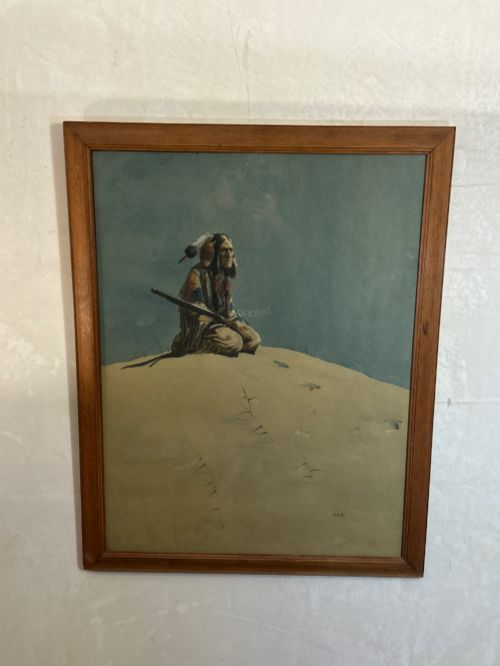
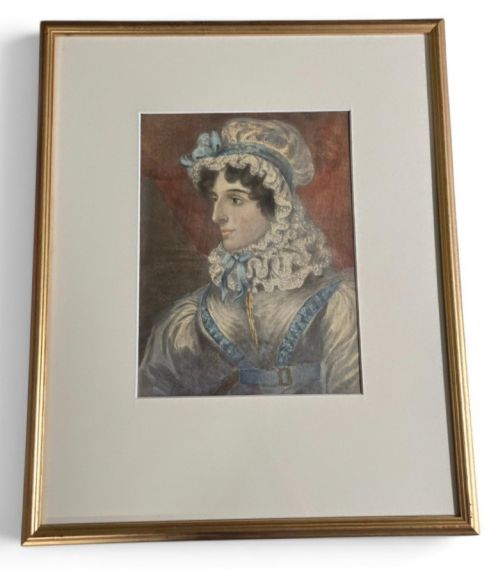
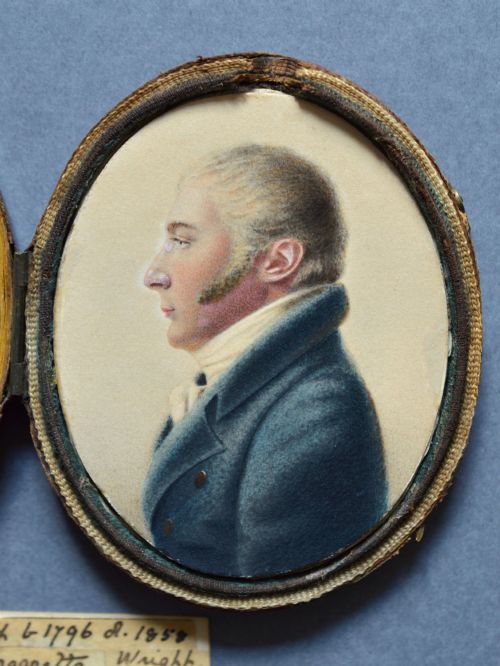
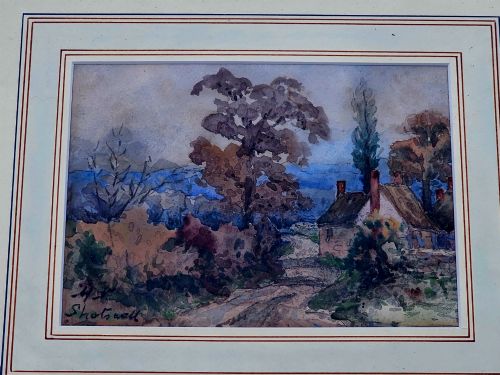
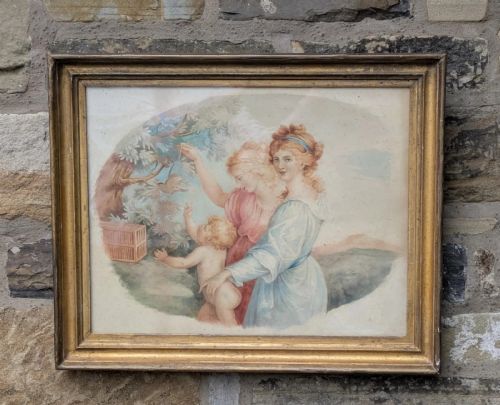
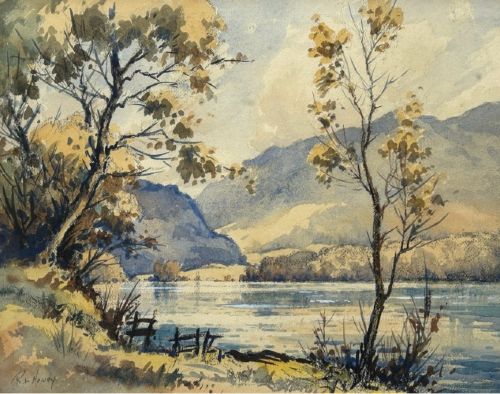
Blue watercolour artwork encompasses paintings on paper created across the nineteenth and twentieth centuries, capturing subjects from Scottish landscapes and coastal scenes to portraits and maritime battles. These works reflect stylistic shifts from Regency precision and Victorian narrative detail to Edwardian impressions and mid-century lake views.
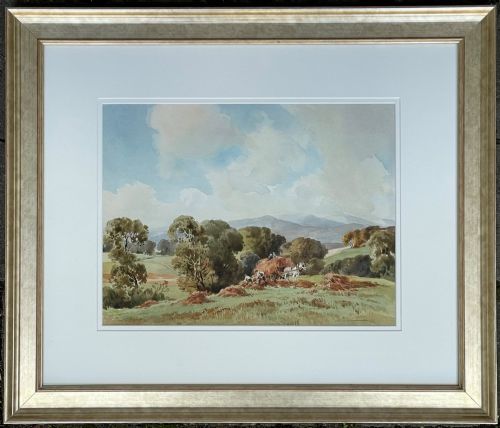
The pieces on this page appear in various framed formats, utilising paper supports paired with watercolour pigment and ink. Buyers encounter both signed cabinet watercolours by named artists and anonymous studies reflecting maritime, topographical and genre traditions.
How blue watercolour artwork was made
Watercolour pigment mixed with water was applied to paper supports in translucent washes, allowing the reflective quality of the white paper to illuminate the blue tones. Artists utilised ink for definition and structural line work beneath or over the dry pigment.
Framed presentation typically involved wood mouldings and protective glass glazing, preserving the delicate water-soluble pigments from atmospheric moisture and handling.
Artists occasionally tested their ultramarine washes on the margins, leaving tiny blue thumbprints near the edge of the sheet.
What varies in quality
Brushwork confidence and pigment retention separate accomplished watercolours from weaker exercises, as translucent washes require precise control without reworking. The harmony of the blue palette and the clarity of the paper support dictate visual success.
Compositional strength and atmospheric depth distinguish professional output from amateur sketches, particularly within maritime and landscape traditions where light and movement are paramount.
Thomas Miles Richardson Jnr·James Orrock·William Henry Earp·Richard Principal Leitch·Alfred Young Nutt·Percy Lancaster·Henry Stacy Marks·James Smetham·John Hassall·Edward Bradford·Robert Leslie Howey·Charles Edward Dixon·John E Aitken·Eric Tufnell·William Banks Fortescue·Frank Watson Wood·Carlo Ferranti·William Matthison·Henry Martin Pope·Cecil Beaton·Albert Ludovici Jnr·Michael Healy
The Blue Watercolour Artwork Glossary
- Watercolour
- A paint consisting of a solution of colour pigments in water-soluble gum, applied to paper. It relies on thin washes that let the white of the paper shine through.
- Monogram
- A motif made by overlapping or combining two or more letters to form a single symbol, often used by artists to sign works on paper.
- Wash
- A fluid application of thinned paint or ink across paper, creating smooth and even areas of colour or tone without visible brush marks.
- Seascape
- A type of fine art depicting the sea, shipping, coastal views or maritime engagements, executed frequently in watercolour during the nineteenth and twentieth centuries.
Blue Watercolour Artwork: Frequently Asked Questions
How should I hang blue watercolour artwork?
Keep watercolours away from direct sunlight to prevent the pigments from fading over time. UV-filtering glass provides essential protection when framing these delicate works on paper.
Ensure they hang in rooms with stable humidity levels to avoid warping the paper or encouraging mould growth behind the glass.
Are these works signed by the artists?
Many pieces feature artist signatures, monograms, or period inscriptions on the front or verso. Attribution may also rely on stylistic evidence and historical documentation when a signature is absent.
Unsigned works often originate from artist sketchbooks or studio collections belonging to specific nineteenth and twentieth-century schools.
What framing is typical for these watercolours?
Period watercolours generally appear in wood frames, often with gilt details and protective glass. Acid-free mounts separate the delicate paper surface from the glazing.
Original frames offer historical context, though conservators sometimes replace damaged mouldings to protect the artwork inside.
How do I identify the date of a watercolour?
Dates rely on artist life spans, inscribed years on the mount or backing, and stylistic markers such as Victorian narrative detail or Edwardian impressionism. Paper watermarks can also provide clues to the manufacturing date of the support.
Costume, architecture, and subject matter help narrow down the decade when explicit dates are missing from the composition.