


Blue Vase Floral Art
Blue vase floral art brings together ceramic vessels and painted flower studies spanning the nineteenth century to the mid-twentieth century.
Blue Vase Floral Art
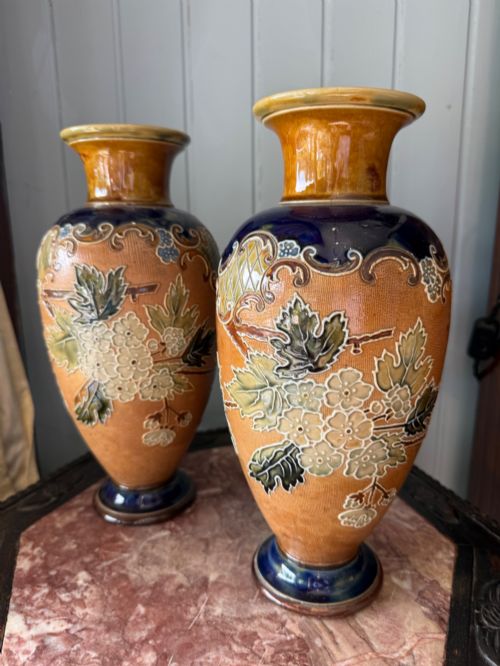
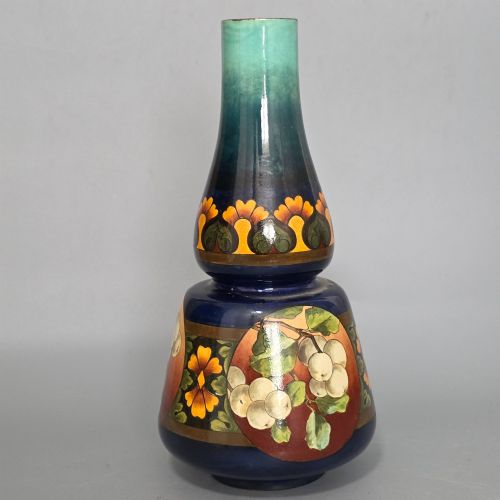
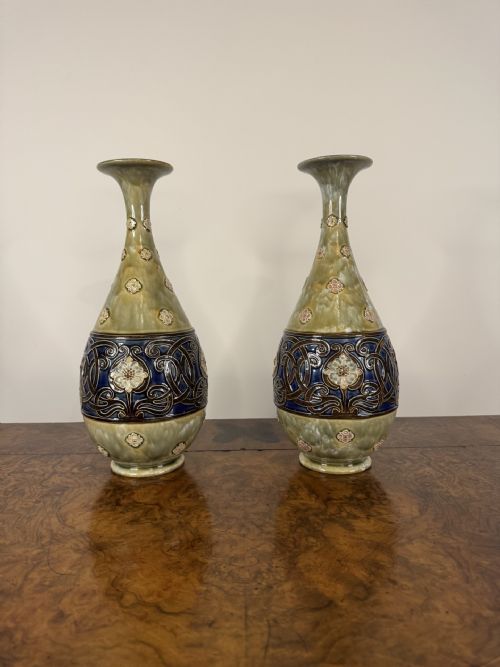
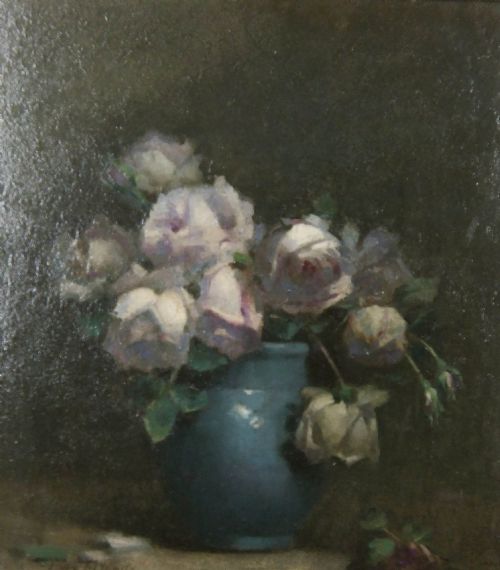
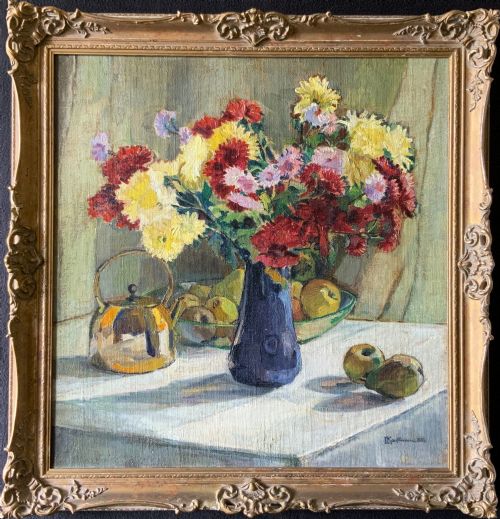
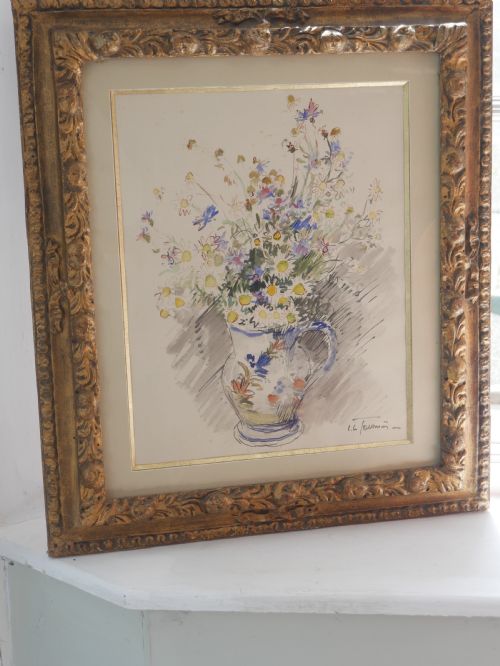
When searching for blue vase floral art, buyers encounter a mix of three-dimensional ceramic vessels and flat oil or watercolour paintings depicting flowers. The physical vases appear in stoneware, earthenware, porcelain, and glass, often featuring botanical motifs or holding floral arrangements. Paintings capture similar subjects on canvas and paper, ranging from Victorian studies to mid-century impressionist works.
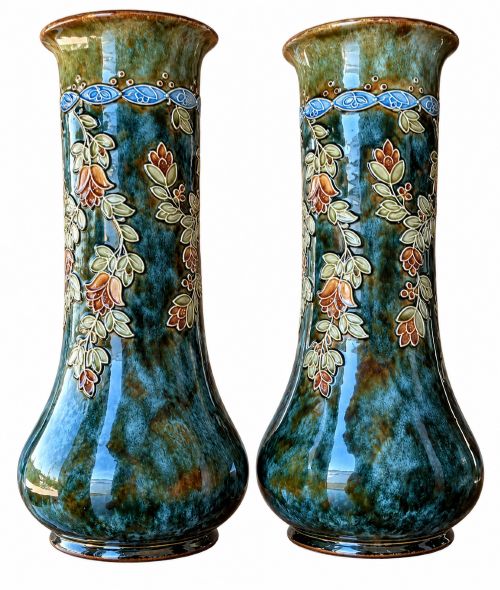
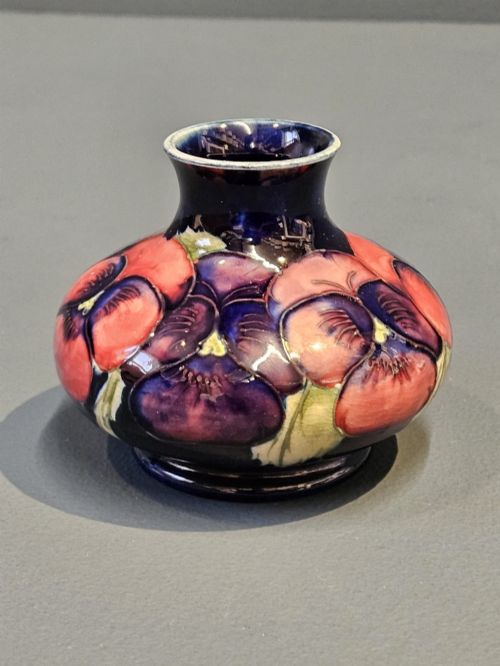
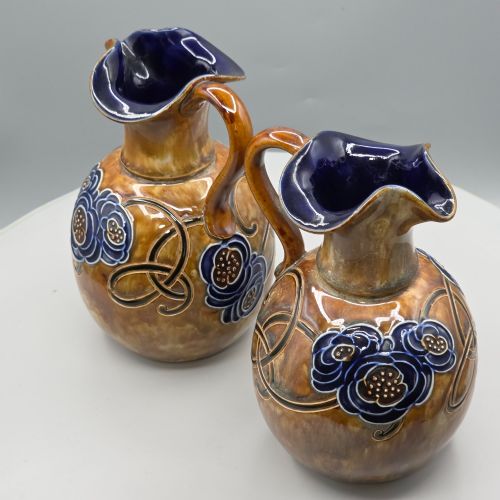
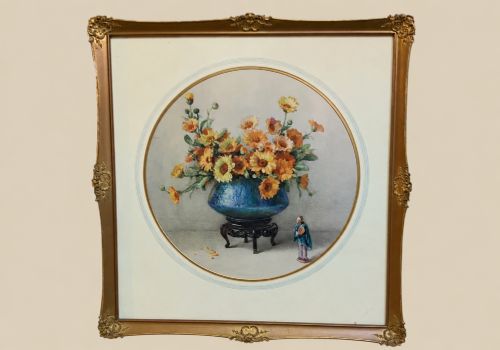
The objects span multiple distinct periods, with nineteenth-century pieces sitting alongside Art Nouveau, Arts and Crafts, Art Deco, and mid-century modern examples. Stoneware and porcelain vessels from makers like Royal Doulton and Moorcroft feature heavily among the ceramics. Painted depictions include still life watercolours and oils showing roses, marigolds, and summer flowers.
Most items on this page combine functional or decorative ceramic forms with floral themes, or present those themes through canvas and pigment. Buyers select these pieces to introduce period character and botanical colour into interiors. The selection balances sculptural pottery with framed compositions.
Materials and Techniques
Ceramic pieces rely on stoneware, earthenware, and porcelain bodies finished with coloured glazes, enamel, and occasionally pewter overlay or gold leaf. Potters shaped vessels on the wheel or cast them in moulds before applying slip, incised decoration, and hand-painted floral patterns. Factories such as Doulton Lambeth utilised specialised salt-glazing and faience techniques to achieve rich surface textures.
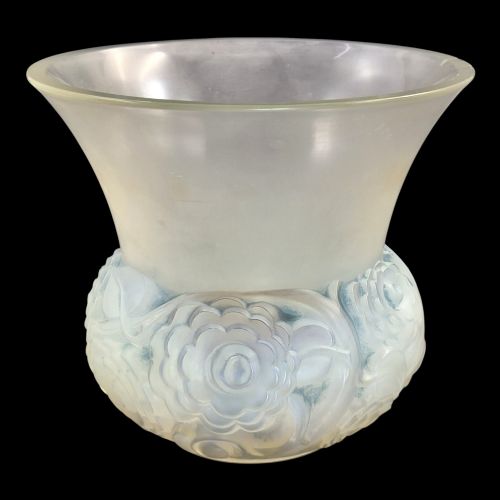
Glass objects employ cameo glass and frosted or opalescent techniques, where artisans acid-etched or layered coloured glass to create raised botanical designs. French makers shaped molten glass into heavy vessels featuring moulded flower motifs like hydrangeas and anemones. These glass pieces depend entirely on thermal control and chemical manipulation during cooling.
Painted works utilise oil, tempera, and watercolour mediums on canvas, board, and paper supports. Artists built up textures using impressionist or pointillist brushwork to capture the light falling on petals and foliage. The interaction of pigment and binder defines the depth within each floral still life.
Several artists captured the exact moment a marigold leans too close to a Chinese object.
Distinctions in Quality
The standard of ceramic production depends on the crispness of the mould impression and the control shown during glazing. Superior pieces display even glaze distribution without pooling or dull spots, and hand-painted details maintain fine brush control. Factory marks and named artist signatures elevate individual earthenware and stoneware vessels above standard commercial output.
Glass quality rests on the precision of the cameo carving or the clarity and uniformity of the opalescent finish. Master glassmakers achieved depth by cutting through distinct coloured glass layers to reveal sharp contrast in the floral design. Surface polish and the absence of internal cooling defects separate standard vessels from premier studio examples.
In painted works, quality emerges through pigment handling, compositional balance, and the accurate rendering of light and shadow. Works by listed artists demonstrate confident brushwork that captures the transient quality of cut flowers. The retention of original framing and unblemished canvas surfaces further distinguish superior paintings.
Royal Doulton Lambeth·Alice Euphemia Thatcher·Louisa Wakely·René Lalique·Emile Galle·Ernst Wahliss·William Moorcroft·Charlotte Rhead·Stuart Armfield
The Blue Vase Floral Art Glossary
- Stoneware
- A sturdy, vitrified ceramic fired at high temperatures until non-porous. It accepts rich salt glazes and holds deep relief modeling.
- Cameo Glass
- An art glass technique involving multiple fused layers of different coloured glass. Artisans carve away exterior layers to leave raised opaque designs against a contrasting background.
- Opalescent
- Glass that diffuses light to display milky, pearlescent highlights. This property gives moulded floral motifs a luminous quality.
- Pointillist
- A painting technique applying small, distinct dots of pure colour. These dots blend optically in the viewer's eye to create vibrant floral tones.
- Secessionist
- A stylistic movement rejecting historicism in favor of flowing, stylized organic motifs. Pottery from this tradition utilises bold, fluid glazes.
Blue Vase Floral Art: Frequently Asked Questions
Where should I display ceramic vases?
Place ceramic vessels on stable surfaces away from direct, harsh sunlight to prevent glaze fading.
Keep them clear of high-traffic edges where accidental knocks might chip stoneware or earthenware handles and rims.
How do I identify Art Nouveau pottery?
Look for flowing, asymmetric botanical motifs and naturalistic forms inspired by plant stems and flowers. Stylised curves dominate both the vessel shape and the painted surface decoration.
Check the base for period factory marks, artist ciphers, or registration numbers confirming production dates around the turn of the twentieth century.
Can I use antique vases for fresh flowers?
Historic ceramics with porous earthenware bodies or internal hairline cracks may leak moisture onto wooden furniture.
Insert a small glass test tube or waterproof liner inside the vase if you intend to display fresh water and stems.
How do I care for floral oil paintings?
Hang paintings away from direct heat sources, fireplaces, and fluctuating humidity levels to protect the canvas.
Dust the surface periodically using a soft, clean artist brush rather than a damp cloth or chemical cleaner.