


Blue Sky Marine Painting
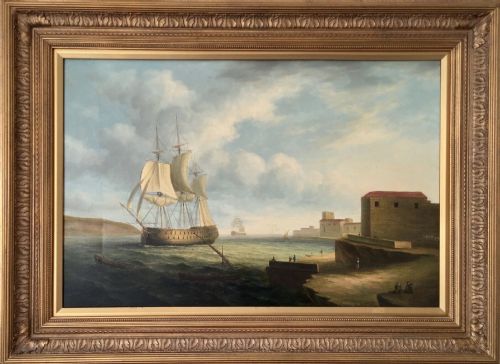
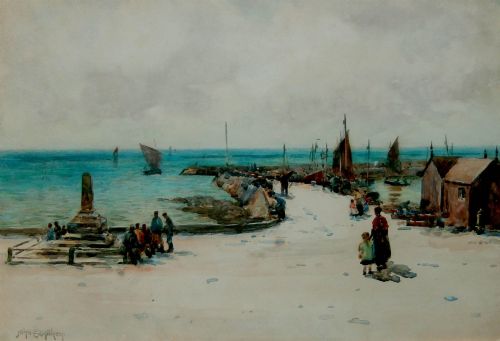
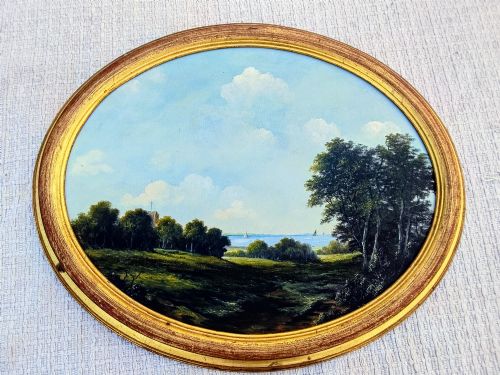
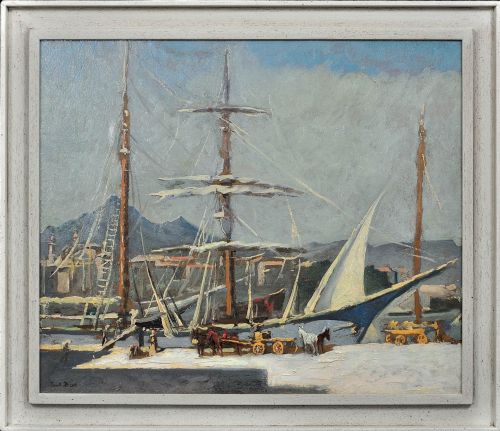
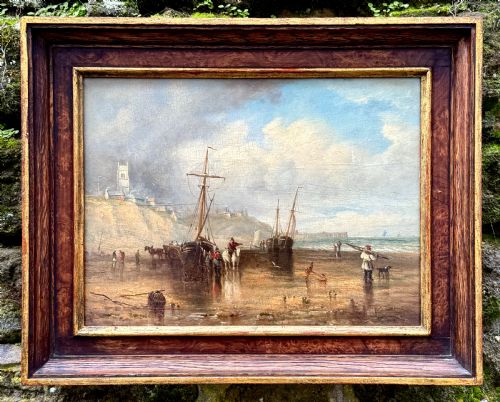
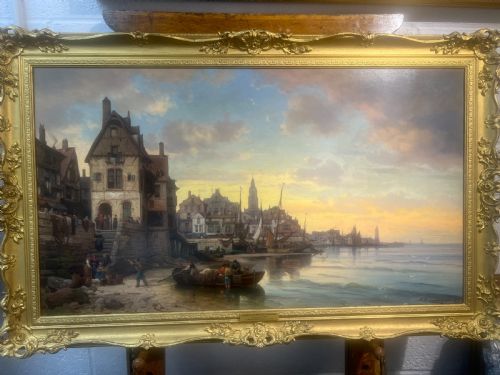
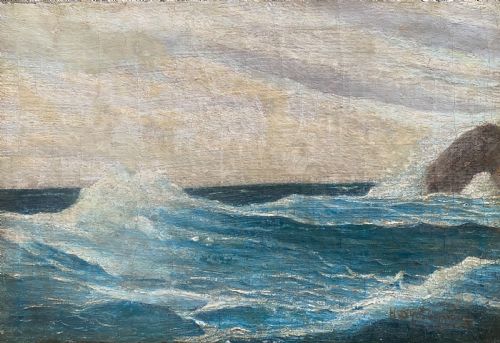
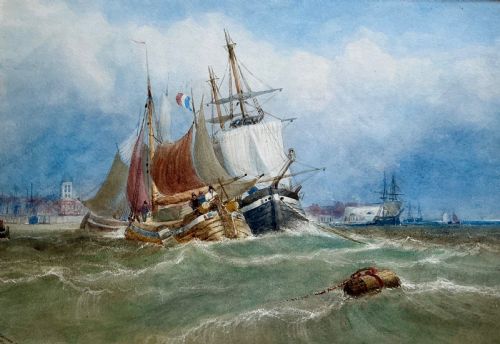
These works capture a blue sky marine painting, portraying open water, harbour scenes and sailing vessels under expansive skies.
Blue Sky Marine Painting
A blue sky marine painting brings together depictions of coastal life, shipping vessels and open water created during the nineteenth and twentieth centuries. Buyers encounter compositions ranging from tranquil northern havens and bustling Mediterranean harbours to dramatic open sea views under bright skies.
The selections span traditional Victorian marine art, British Impressionism and early twentieth-century works on paper and canvas. Creators recorded specific locations such as Whitby, Venice, Malta and local British coastal villages with notable topographical detail.
Subjects frequently feature sailing ships, clippers, fishing boats at anchor and coastal promenades. Works appear in both intimate watercolours and larger oil paintings framed in gilded wood.
How they were made
Makers utilised oil paint on canvas, wood panels and board alongside delicate watercolours on paper. Oil pigments provided depth for rendering heavy seas and billowing clouds, while watercolour allowed artists to capture transparent atmospheric effects over coastal waters.
Blue Sky Marine Painting Retail Price Guide 2026
Typical asking prices for blue sky marine painting among the pieces listed under this phrase on Sellingantiques today, from the lower quarter to the upper quarter. They describe what is for sale here now, not the wider market.
Several artists clearly fancied a bracing gale, judging by the violently windswept rigging in these coastal views.
What varies in quality
Compositional balance and handling of light distinguish individual works. Skilled artists managed atmospheric perspective and maritime architecture with convincing proportion, whereas lesser examples rely on formulaic depictions of water and sky.
The execution of maritime detail in rigging, hull construction and cloud formation determines artistic merit. Works displaying confident brushwork and precise topographical rendering command greater attention from collectors.
James Hardy·John E Aitken·Paul Bret·Thomas Creswick·Charles Euphraisie Kuasseg·Dubovsky·Henry Barlow Carter·William Frederick Settle·Charles William Adderton·Gustave De Bréanski·Thomas Bush Hardy·Stanley Leader·Hendrik Willebrord Jansen·George Gregory·George Hamilton Constantine·Donald McIntyre·James Thomas Watts·R P Noble·Jane Vivian·Alfred Pollentine·Sam Bough·Paul Jean Clays·Denys Garle·Walter Sweet·G B Cullen
The Blue Sky Marine Painting Glossary
- Seascape
- A work of art depicting the sea, coastal views or maritime activity. These pieces focus primarily on water, shipping and atmospheric coastal conditions.
- Marine art
- Depictions of ships, sea views and maritime life. This genre encompasses both calm harbour scenes and dramatic naval engagements.
- Watercolour
- A paint consisting of water-soluble pigments on paper. Artists valued this medium for its luminosity and immediacy in capturing shifting light over water.
- Oil on canvas
- Pigment bound in an oil medium applied to a stretched woven fabric. This combination allowed artists to build rich surface texture and deep colour saturation.
- Topographical
- Representing specific real-world locations with descriptive accuracy. These works serve as historical records of coastal towns, piers and harbours.
Blue Sky Marine Painting: Frequently Asked Questions
What subjects appear in these paintings?
Artworks portray sailing ships, commercial clippers, fishing boats and coastal towns under expansive skies. Scenes capture specific harbours, piers and open ocean views from various eras.
Compositions range from calm Venetian lagoons to stormy northern waters, reflecting the varied topography of British and European coastlines.
How do watercolours differ from oils here?
Watercolours utilise pigment on paper to create luminous, translucent atmospheric effects particularly suited to coastal light. Oil paintings on canvas or wood offer greater depth and surface texture.
Both mediums allowed artists to document maritime activity with distinct technical properties.
Where were these coastal scenes painted?
Locations span British destinations such as Whitby, Hastings, Scarborough and Lyme Bay alongside continental ports in Venice, Malta, Sicily and France. Artists often worked <i>en plein air</i> or recorded harbour life directly from observation.
Topographical accuracy varies from precise architectural views to impressionistic interpretations of coastal light.
How should I care for these artworks?
Keep works away from direct sunlight and excessive humidity to protect paper substrates, watercolours and oil on canvas. Proper framing behind glass safeguards works on paper from atmospheric pollutants.
Stable indoor temperatures prevent warping in wooden panels and canvas stretchers.