
Blue Sky Landscape
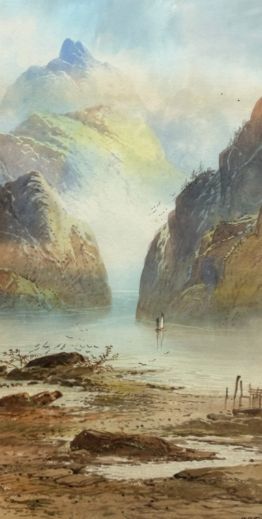
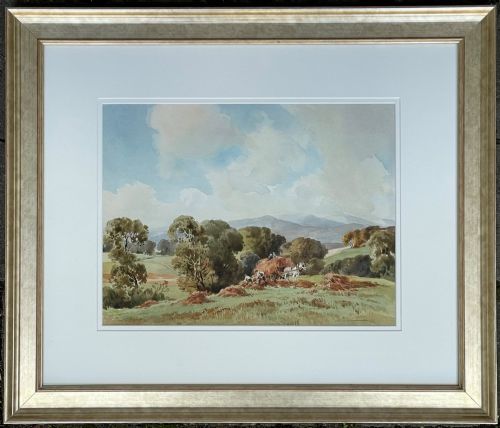
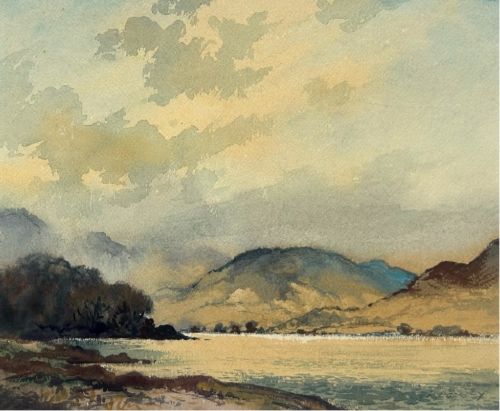
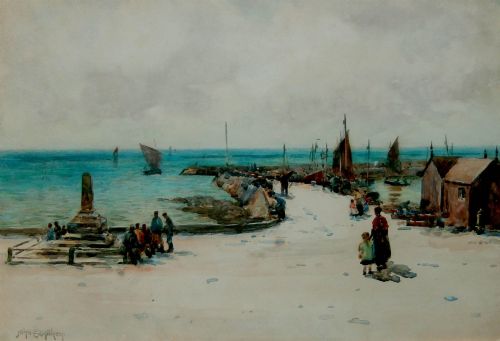
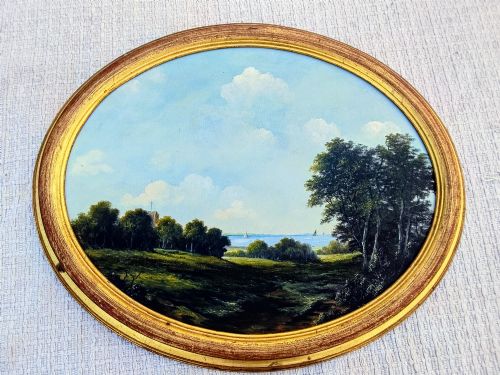
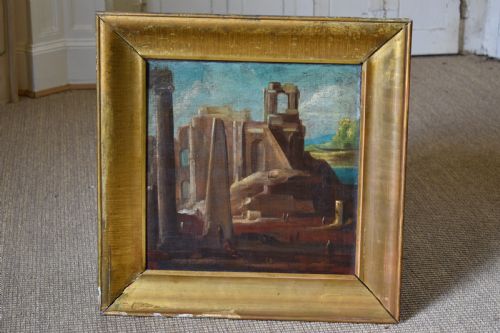
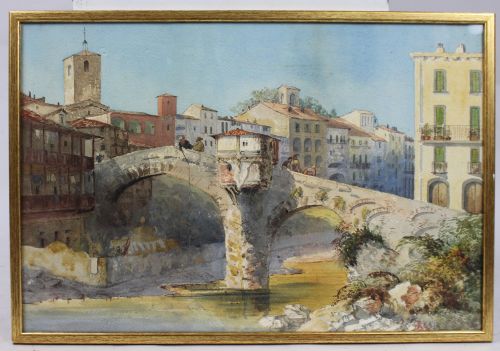
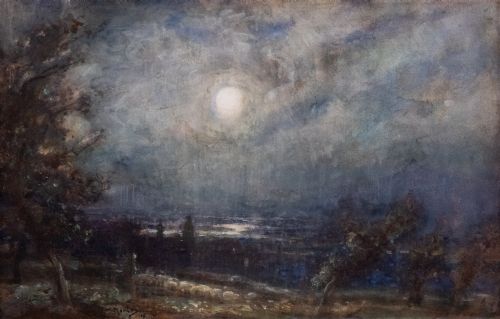
Blue sky landscape works bring open air, coastal views, and sunlit horizons directly into a room through oil and watercolour.
Blue Sky Landscape
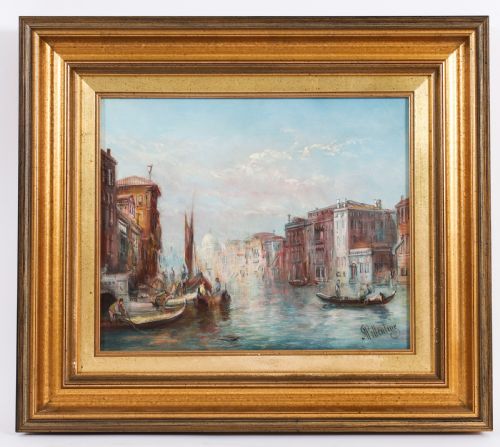
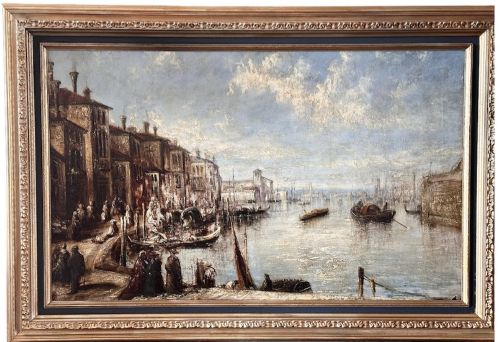
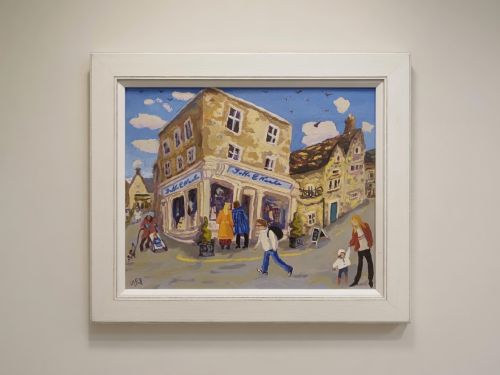
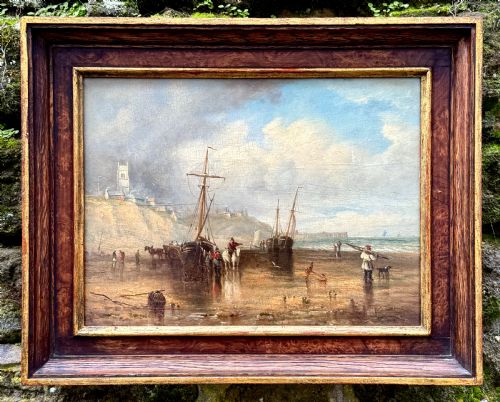
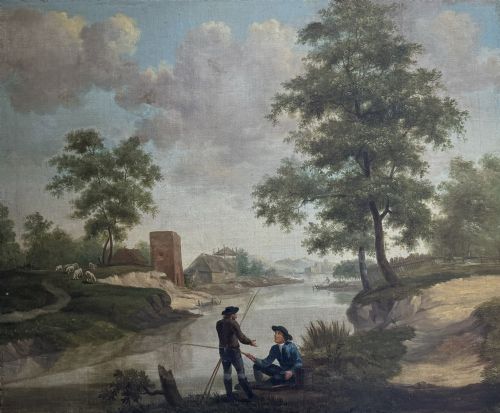
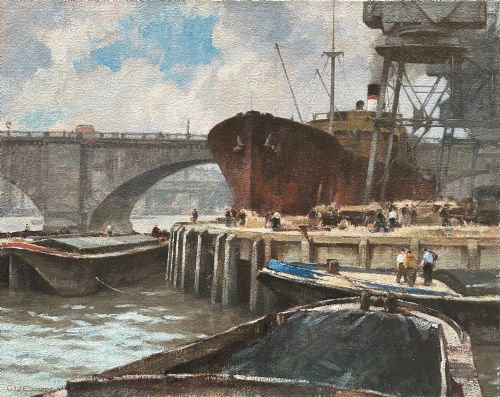
A blue sky landscape centres on atmospheric vistas, coastal waters, and river valleys rendered in paint and pigment. The selection on this page relies heavily on nineteenth-century and early twentieth-century works that capture light over open spaces.
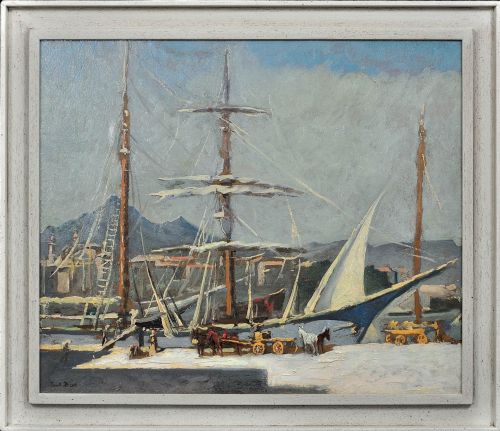
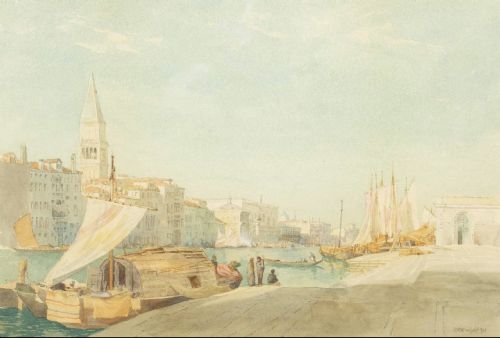
The most common formats meet the eye as framed watercolours on paper and oil paintings on canvas or wood panel. These pieces record scenes from British rivers, Italian canals, and open sea views under expansive skies.
Makers and painters document the topography of Scotland, Wales, Venice, and domestic rural counties with varied brushwork. Works range from intimate watercolour sketches to grander oil canvases produced during the Victorian and Edwardian eras.
Distinctions in quality
Execution of light and spatial depth separates standard topographical records from accomplished artistic interpretations. Stronger examples demonstrate confident brush handling in the rendering of clouds, water reflections, and horizon lines.
Condition of the physical support, stability of the pigment, and presence of the original or period-appropriate frame influence the overall integrity of the piece.
Several artists packed portable watercolours just in case a sudden rainstorm over a Scottish loch demanded immediate documentation.
William Henry Earp·Percy Lancaster·Alfred Pollentine·Francis Moltino·Gustave De Bréanski
The Blue Sky Landscape Glossary
- Watercolour pigment
- Finely ground colour mixed with a water-soluble binder, applied in translucent washes to paper. This medium allows artists to capture luminous, clear effects in open skies.
- Impasto
- Paint applied thickly to a canvas or panel so that it stands out from the surface. This technique gives tactile presence to clouds, water, and foliage.
- British Impressionism
- A painting style focusing on light and everyday subjects using visible brushstrokes. Artists working in this manner prioritized outdoor illumination.
- Provenance
- The documented history of ownership for a work of art. This record traces the origin and transit of a painting through time.
Blue Sky Landscape: Frequently Asked Questions
What subjects appear in these landscapes?
These paintings depict open sea views, river estuaries, coastal harbours, and rural valleys under wide skies. Locations span British waterways, Venetian canals, and continental street scenes.
Artists record specific topography from Scotland to the Mediterranean, emphasising natural light, weather conditions, and expansive horizons.
How do oil and watercolour differ here?
Watercolour works utilise thin washes of pigment on paper to create luminous, transparent skies and delicate atmospheric effects. They typically require glass protection within their frames.
Oil paintings employ heavier mediums on canvas or wood panel, allowing for textured brushwork, impasto highlights, and deeper colour saturation that does not require glazing.
How should I hang these paintings?
Position these works at eye level on walls with stable environmental conditions, avoiding direct sunlight and excessive humidity. Adequate spacing lets the painted light and horizon lines breathe within the room.
Ensure wall fixings match the weight of the frame, particularly for substantial nineteenth-century oil paintings on canvas.
How do I identify the period of a piece?
Examine the materials of the support, the framing style, and the signatures or inscriptions left by the artist. Nineteenth-century works often carry distinct stretcher construction and historical paper stamps.
Stylistic markers, such as the loose brushwork associated with later impressionist movements, also help date the execution of the landscape.