




Blue Seascape Artwork
Blue seascape artwork captures maritime history and coastal weather across centuries through oil, watercolour and gouache.
Blue Seascape Artwork
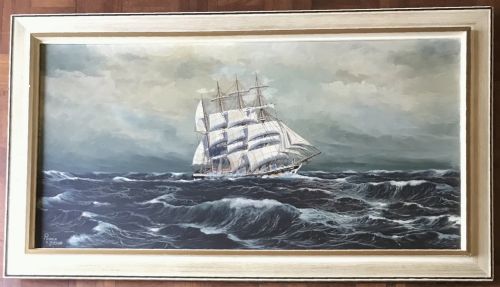
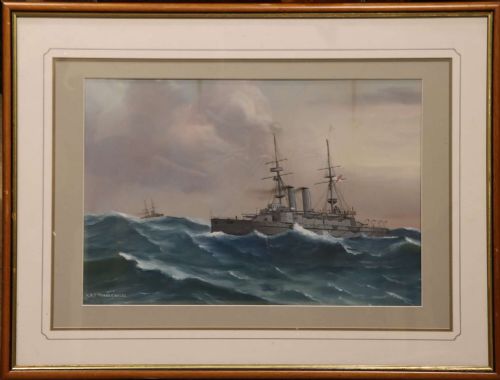
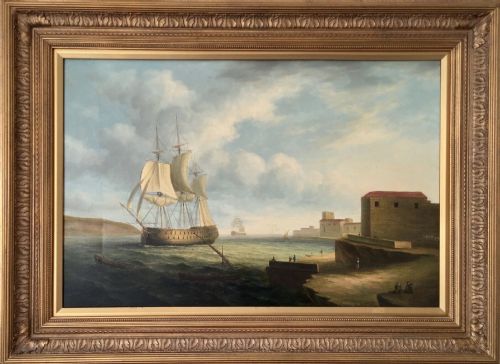
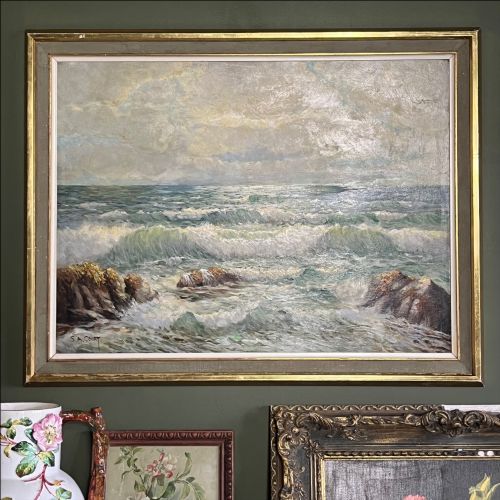
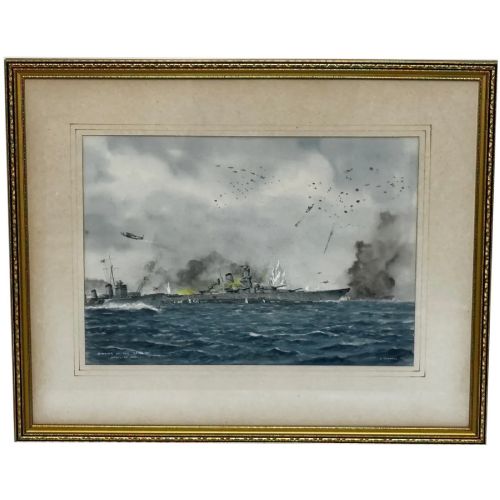
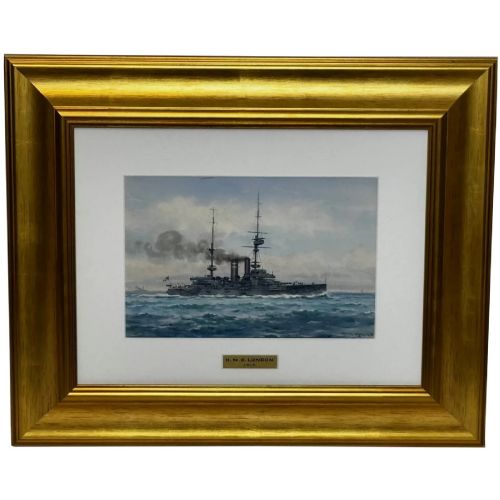
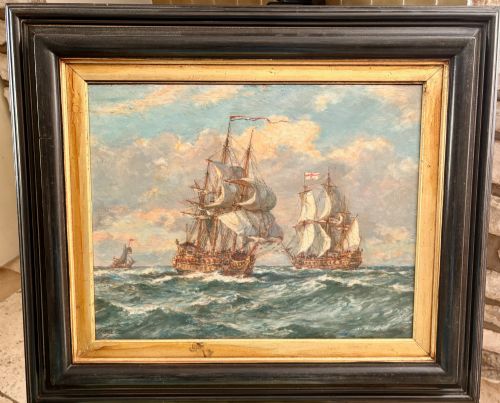
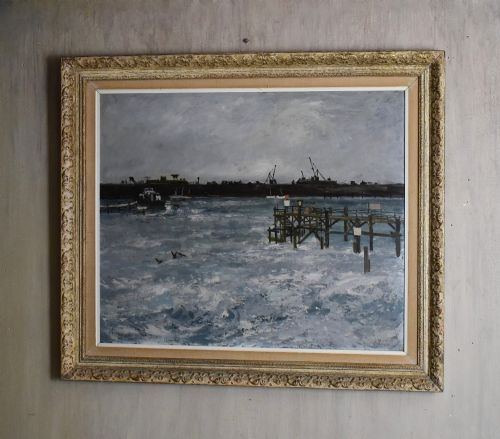
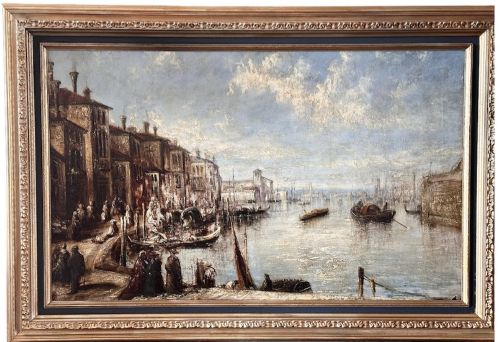
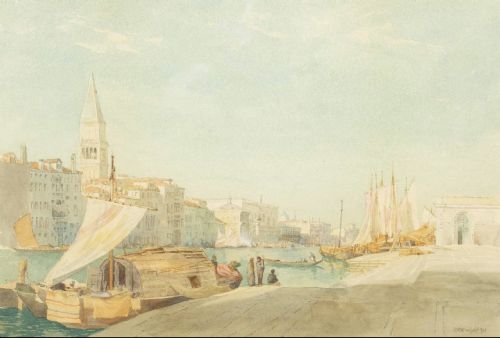
Blue seascape artwork encompasses marine paintings, harbour views and coastal watercolours created across the nineteenth and twentieth centuries. These pieces record naval battles, trading clippers, local fishing boats and quiet coastal inlets from Cornwall to Venice.
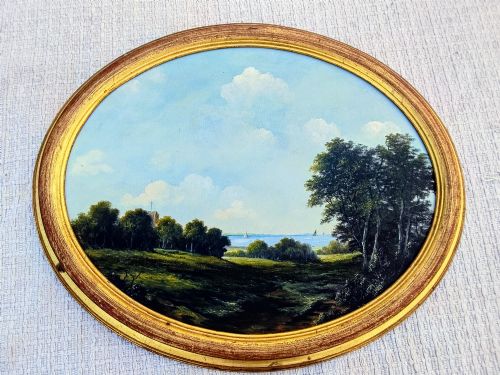
The versions most commonly met on this page span Victorian maritime scenes to mid-century British and French post-impressionist works. Painters utilise canvas, paper and panel to render open water, turbulent storms and calm anchorage points.
Materials and Techniques
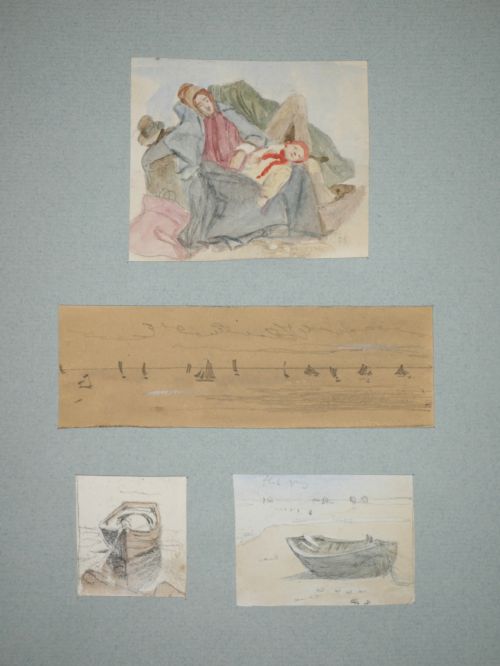
Artists record coastal light using oil paint on canvas or panel, building texture through layered brushwork and impasto. Watercolours and gouache on paper capture transparent washes of sea and sky, often executed en plein air along harbour walls and beaches.
Support materials range from heavy wood panels and stretched canvas to delicate works on paper, frequently protected behind glass within period frames.
Listings feature works spanning the nineteenth century through the mid-twentieth century, executed in oil, watercolour, and gouache.
Evaluating Quality
Quality rests upon the artist's command of atmospheric perspective, anatomical accuracy in rigging and vessels, and the handling of changing light on water. Superior pieces demonstrate confident brushwork and tonal harmony rather than mechanical exactness.
Condition of the medium also dictates standing, where stable pigments, minimal craquelure on oils, and clean paper without foxing elevate an example.
James Orrock·Charles Edward Dixon·Francis Moltino·Bernard Benedict Hemy·George Stanfield Walters
The Blue Seascape Artwork Glossary
- Marine art
- Painting or drawing that depicts ships, shipping, naval engagements or coastal environments. This broad category forms the foundation of maritime collections.
- En plein air
- The act of painting outdoors to capture direct natural light and atmospheric conditions. Artists take their easels straight to the cliffs and quays.
- Impasto
- Paint applied thickly to a canvas or panel so that it stands out from the surface. This technique adds tactile weight to crashing waves and billowing sails.
- Gouache
- An opaque water-based pigment that dries to a matte finish and offers greater coverage than traditional watercolour. It creates solid blocks of coastal light.
- Foxing
- Brown age spots that appear on old paper due to chemical reactions. Collectors monitor paper condition closely to preserve integrity.
Blue Seascape Artwork: Frequently Asked Questions
What is blue seascape artwork?
It comprises paintings and works on paper focusing on the sea, coastal towns, and maritime vessels. These pieces range from detailed nineteenth-century ship portraits to mid-century French coastal views.
Artists use oil, watercolour, and gouache to interpret the changing colours of water and weather.
How were these marine paintings used?
Historically, maritime works hung in captain's quarters, maritime offices, and domestic parlours to celebrate naval might or commercial shipping empires. They served as records of specific vessels, harbours, and historic naval engagements.
Today they function primarily as decorative and historical focal points in residential interiors.
How do I live with antique watercolours?
Watercolours and works on paper require careful placement away from direct, harsh sunlight to prevent pigment fading. Proper framing behind UV-protective glass safeguards the delicate paper and pigments.
Keeping them in rooms with stable humidity prevents foxing and paper degradation over time.
How can I tell the periods apart?
Nineteenth-century marine pieces often lean towards detailed realism, meticulous ship rigging, and dramatic Victorian coastal weather. Mid-century works favour looser brushwork, impressionistic light, and simplified coastal geometry.
Examining the framing, backing materials, and artist signatures helps narrow down the decade of creation.