
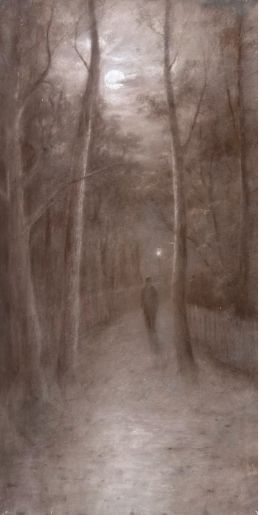


Original Fisherman Artwork
Original fisherman artwork captures maritime labour on canvas and paper, offering collectors a direct link to nineteenth and twentieth-century coastal life.
Original Fisherman Artwork
Original fisherman artwork encompasses paintings, drawings, and watercolours depicting coastal scenes, riverbanks, and maritime workers. These pieces emerge from periods spanning the Victorian era through the 1940s, recording landscapes from English shores to the Côte d'Azur.
The watercolours and oil paintings available on this page present both broad landscape views and intimate portraits, such as scenes from St Ives or the River Orne. Buyers will encounter works framed in wood and gilt wood, reflecting traditional framing methods alongside the primary supports.
Makers and artists range from named painters like Gustave Vidal, André Prévot-Valéri, Thomas Pyne, Alfred Graham, Muriel Metcalfe, and James Kyd to anonymous hands. Works influenced by Tonalism and Impressionism sit alongside Victorian genre painting and folk art.
Materials and methods
Artists captured these subjects using oil paint on canvas and panel, alongside watercolour and charcoal drawing on paper. These traditional media were applied to support structures housed within wood and gilt wood frames.
Techniques vary from the rapid brushwork seen in French Impressionism and Post-Impressionism to the detailed draftsmanship of Victorian watercolourists. Works also incorporate woodblock print elements alongside painted surfaces in early twentieth-century examples.
Listings feature works spanning the Victorian era through the 1940s, executed in watercolour, oil paint, and charcoal on paper and canvas.
Judging the range
Quality separates through the artist's handling of light, atmosphere, and maritime detail, distinguishing accomplished tonal compositions from rigid or formulaic depictions. The strength of provenance and attribution to recorded painters elevates specific works above anonymous pieces.
The preservation of the original paper, canvas, and paint layers dictates visual clarity, while the harmony of period frames contributes to the integrity of the surviving piece.
George F Pennington·Gustave Vidal·André Prévot-Valéri·James Kyd·THOMAS PYNE·Alfred Graham·Muriel Metcalfe
The Original Fisherman Artwork Glossary
- Watercolour painting
- A method where pigments suspended in water-soluble binders are applied to paper. This medium allows for luminous washes that define early coastal watercolours.
- Oil on canvas
- Pigment mixed with drying oil applied to a woven fabric stretched across a frame. This combination provides rich texture and depth for larger nineteenth-century maritime scenes.
- Tonalism
- An artistic style focusing on shadow, atmosphere, and dark or muted hues. It creates moody, atmospheric river and coastal landscapes.
- Impressionism
- A nineteenth-century movement characterised by relatively small, thin, yet visible brush strokes and accurate depiction of light. Works in this style capture fleeting moments in outdoor environments.
- Victorian genre painting
- Art depicting scenes from everyday life, often featuring narrative elements. These works frequently portray the daily routines of fishers and their families.
Original Fisherman Artwork: Frequently Asked Questions
How do I date these artworks?
Dating relies on stylistic markers, framing methods, and signatures recorded by the artist or confirmed through period evidence.
Victorian pieces often display narrative detail, while 1930s and 1940s works show looser impressionistic or tonal influences.
What framing should I expect?
Many works retain period wood or gilt wood frames that complement the painting's age and origin.
Frames often show signs of historical wear which confirm their age alongside the artwork.
Where were these scenes painted?
Locations range from British coastal towns like St Ives and Scarborough to French sites along the Côte d'Azur and the River Orne.
Artists frequently set up their easels directly beside rivers, locks, and walking paths.
Are watercolours as durable as oils?
Watercolours on paper require protection behind glass to prevent environmental damage from light and moisture.
Oil paintings on canvas or panel offer greater resilience, though both benefit from stable indoor humidity.