
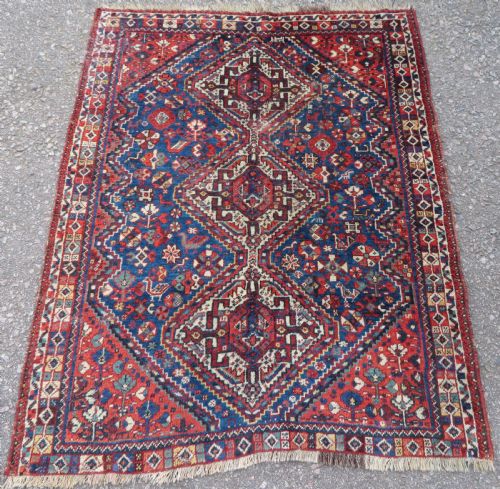
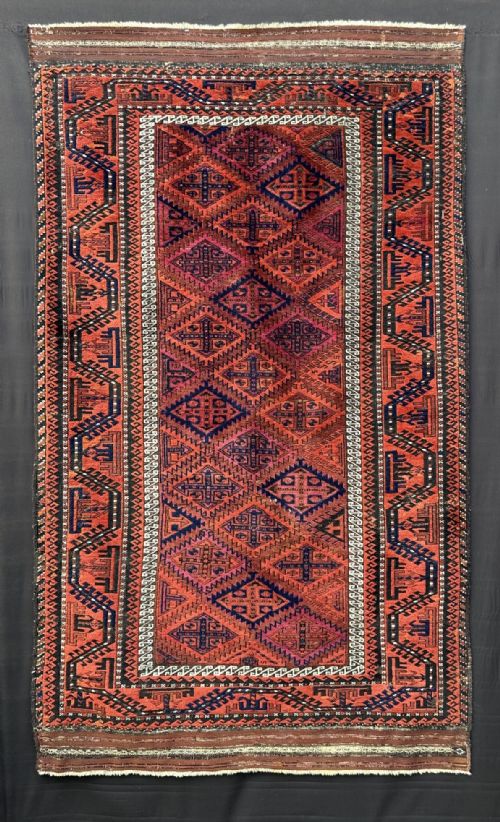
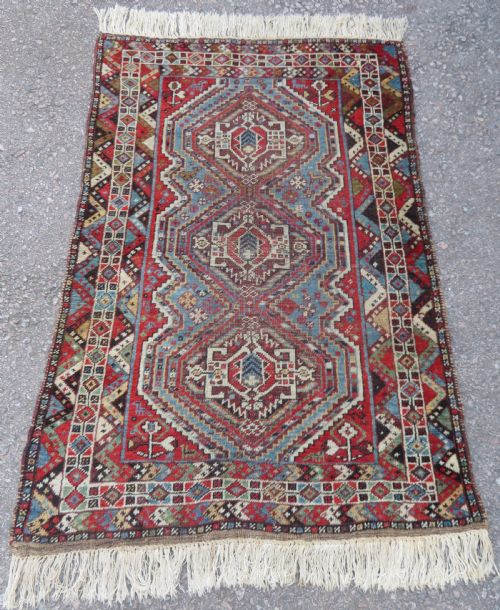
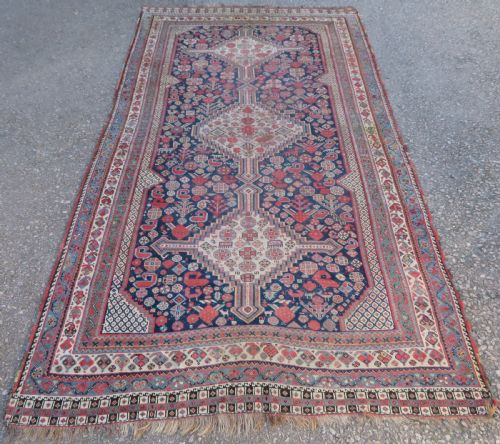
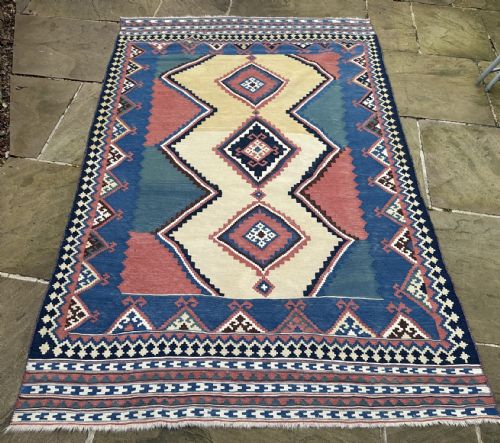

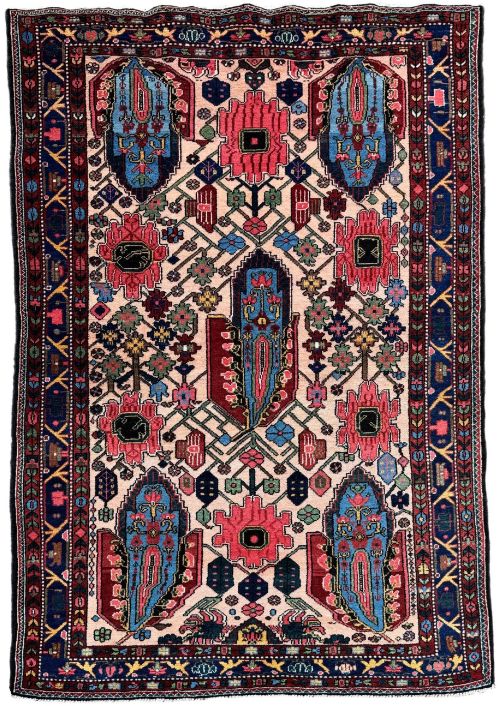
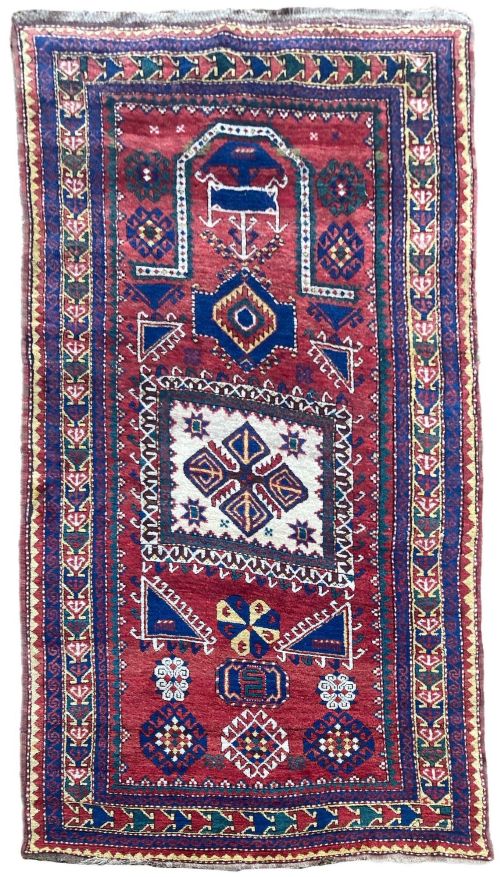
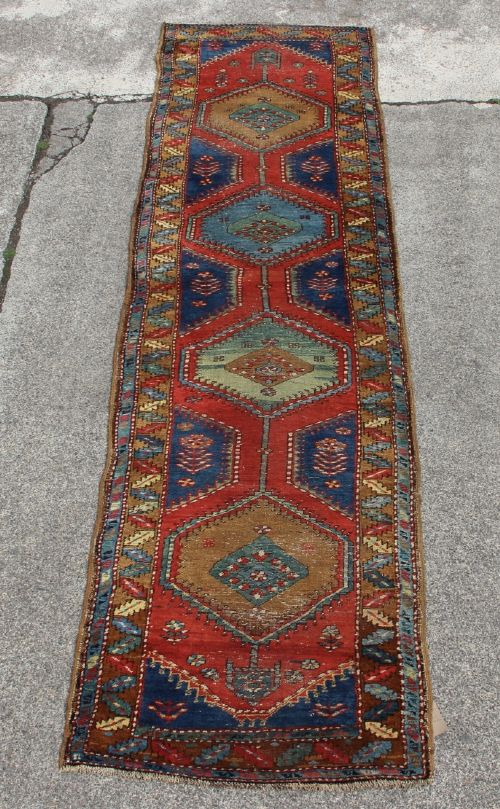

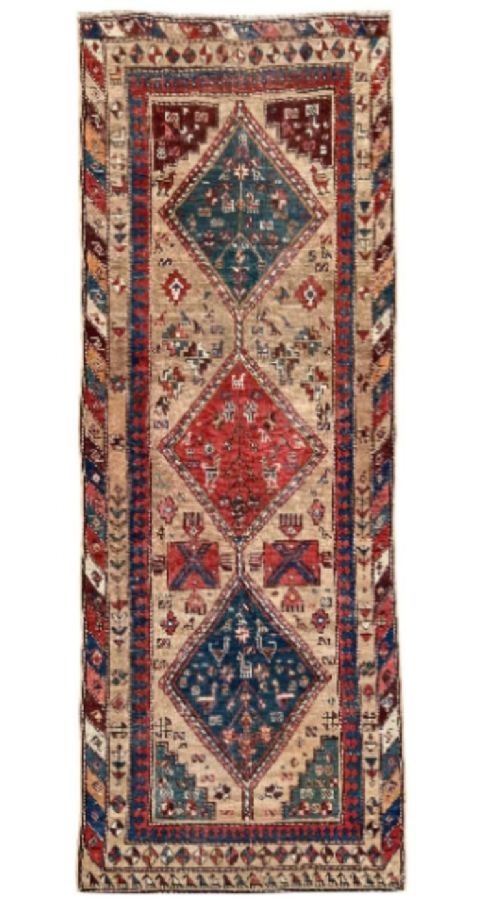
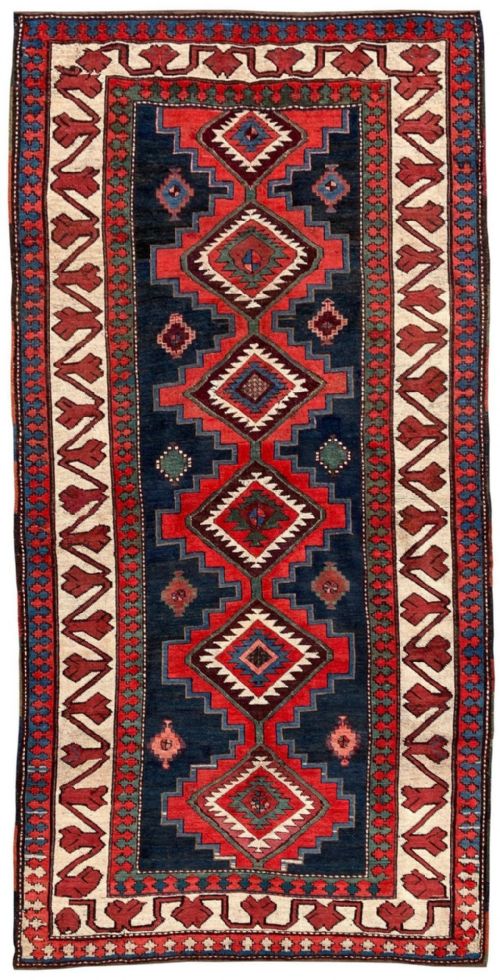
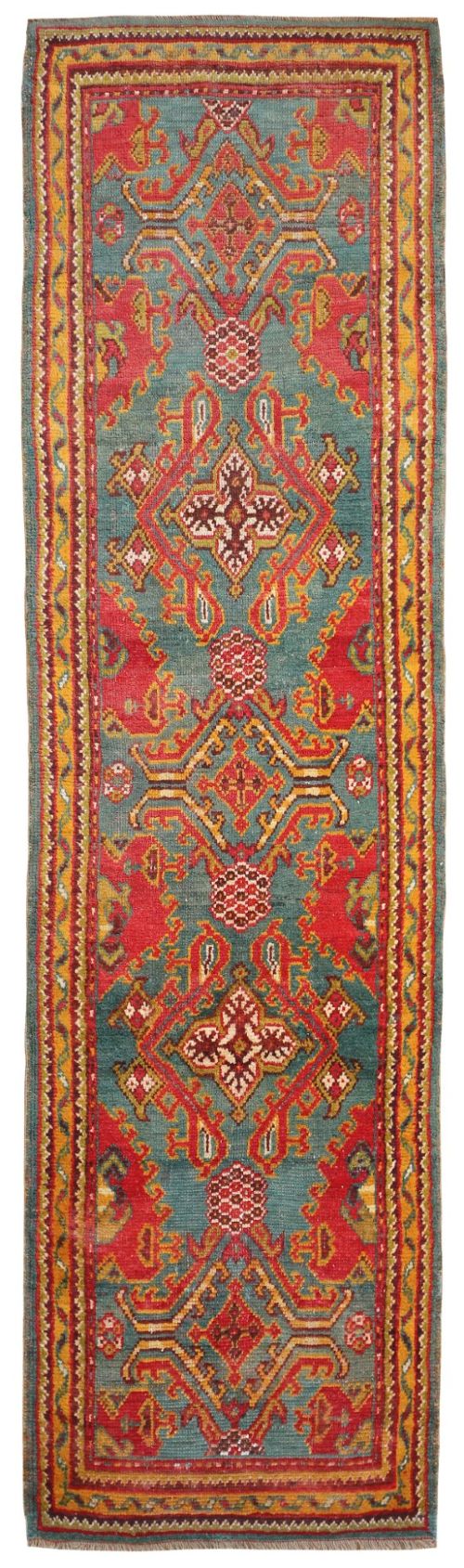
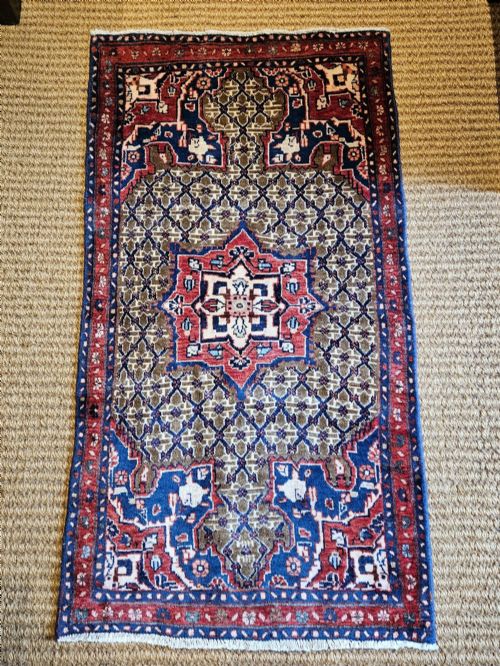
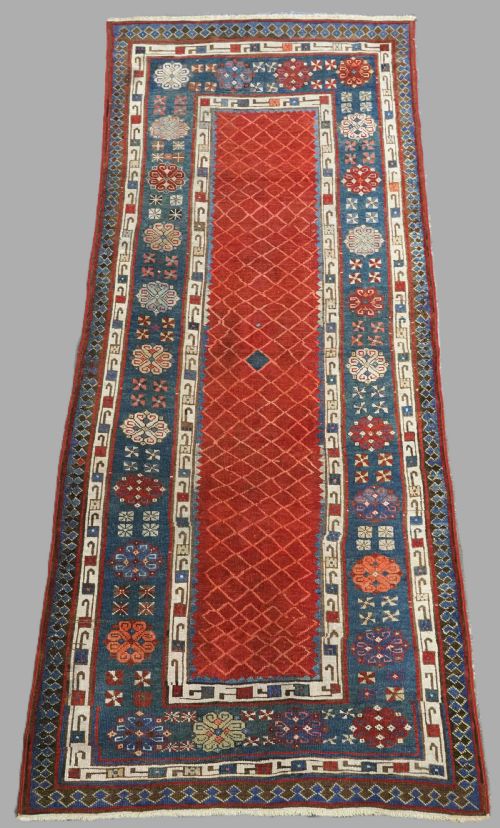
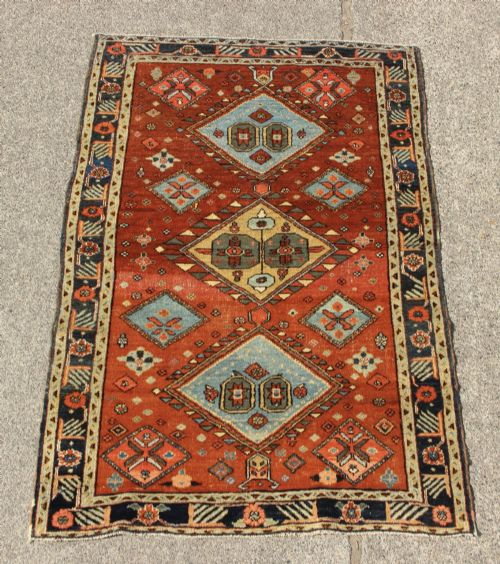
Blue Red Rug Runner
These pieces of blue red rug runner bring warmth and deep character to narrow floors, woven by hands that understood colour.
Blue Red Rug Runner
When you search for a blue red rug runner, you encounter long, narrow floor coverings originating from Persian, Caucasian, and Anatolian weaving traditions. These textiles were produced to line corridors, bed spaces, and grand halls, serving practical insulation alongside decorative storytelling.
The selections available here span from the mid-nineteenth century into the early decades of the twentieth century. They manifest regional designs, including geometric medallions, repeating tribal motifs, and intricate lattice patterns worked in saturated wool.
Materials and construction
The weavers utilised hand-spun wool for the pile and foundation yarns, providing resilience and a tactile handle. Cotton also appears in the structural warp and weft threads of specific regional pieces.
Natural dyes sourced from plants and minerals created the characteristic blue and red palettes seen across these textiles. Over time, these organic colourants mellow and interact gracefully with the underlying wool.
Listings feature pieces from nineteenth-century village workshops alongside early twentieth-century nomadic productions utilising hand-spun wool.
What separates the grades
Quality rests in the precision of the knotting, the complexity of the design layout, and the vitality of the natural dyes. Tightly packed wool yields a crisp graphic line in tribal medallions and floral repeats.
Condition and integrity of the original selvedges and ends dictate the status of a runner. Pieces retaining their full length and uncompromised structural foundation represent the upper tier of the weaving tradition.
Bakhtiar·Kazak·Ushak·Talish·Heriz·Seychor·Karabagh·Kurdish·Mazlaghan·Afshar·Karaja·Luri·Shirvan·Kuba·Bakshaish·Hamadan·Shahsavan·Khamseh
The Blue Red Rug Runner Glossary
- Runner
- A long, narrow carpet format designed specifically for hallways, corridors, and bedside placement. This shape guides movement through domestic interiors.
- Knot
- The individual loops of wool tied around warp threads to form the pile of the carpet. The density of these ties determines the clarity of the pattern.
- Warp
- The vertical threads stretched tightly on the loom that form the skeleton of the textile. Weft threads are woven horizontally across them to secure the structure.
- Natural dye
- Colour extracted from organic sources such as plants, roots, and insects prior to the invention of synthetic aniline dyes. These colourants develop a rich patina as they age.
- Medallion
- A central ornamental design motif placed in the field of the rug. It anchors the geometric or floral composition of the weave.
Blue Red Rug Runner: Frequently Asked Questions
Where do these long runners work best?
These narrow textiles suit hallways, stair landings, and long galley kitchens where floorboards require softening. Their proportions direct the eye down a passage while protecting high-traffic timber.
Placing them in transitional spaces also shields the floor and dampens footfall echoes in older homes.
How do I clean an old wool runner?
Gentle surface brushing and careful periodic vacuuming without a rotating power brush keep the wool pile free from grit. Professional rug specialists who understand organic dyes should handle wet washing.
Avoiding harsh chemical detergents preserves the natural lanolin within the hand-spun wool fibres.
Are these runners durable for daily foot traffic?
The dense hand-spun wool and sturdy knotting of these nineteenth and early twentieth-century pieces make them robust for everyday use. A quality underlay adds cushioning and prevents the runner from shifting underfoot.
Routine rotation distributes wear evenly across the length of the carpet over the years.
How do I distinguish regional styles?
Caucasian pieces tend to display crisp, bold geometric motifs with striking contrast, whereas Persian examples often incorporate softer floral lattices and curved medallions. Anatolian runners frequently feature distinctive tribal borders and earthy primary hues.
Examining the weave structure and palette reveals the specific weaving heritage behind each textile.