



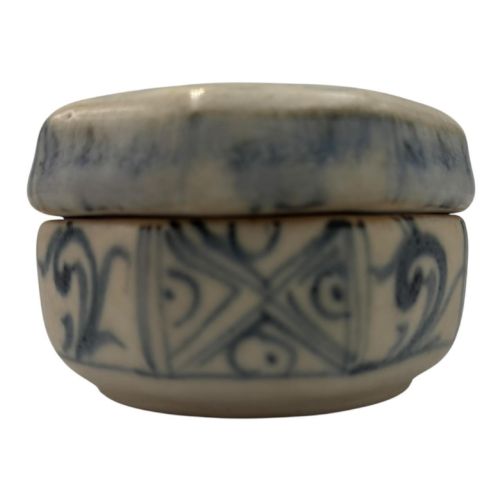
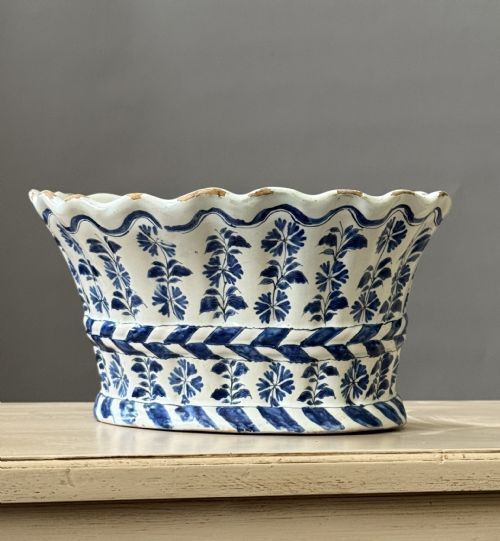
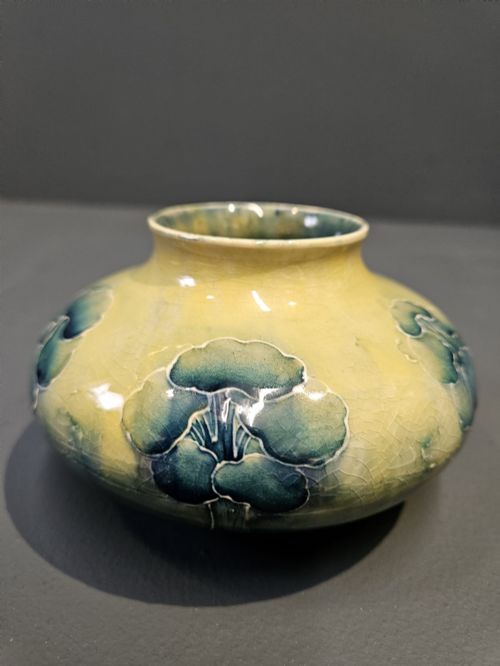
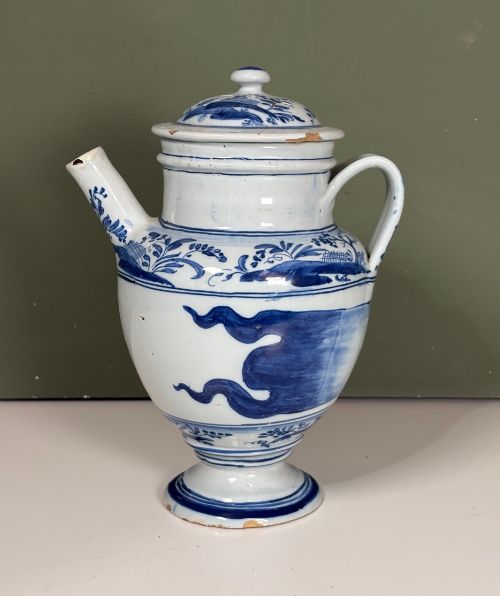
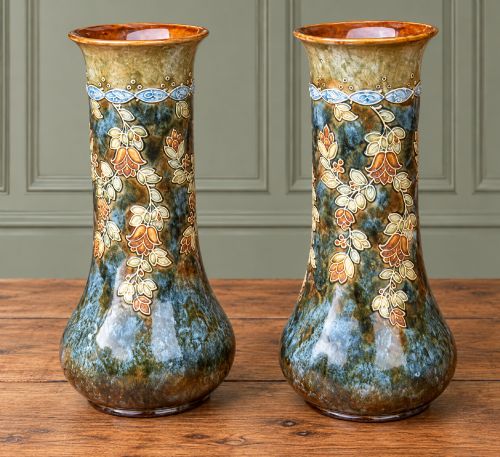
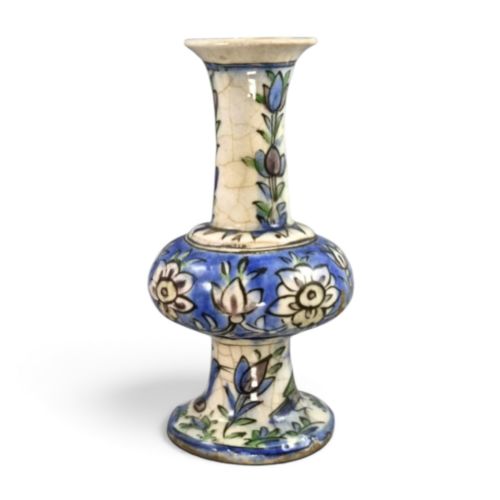
Blue Pottery Vessel
A blue pottery vessel brings centuries of ceramic artistry into a room, combining utility and ornament through cobalt pigments and skilled throwing.
Blue Pottery Vessel
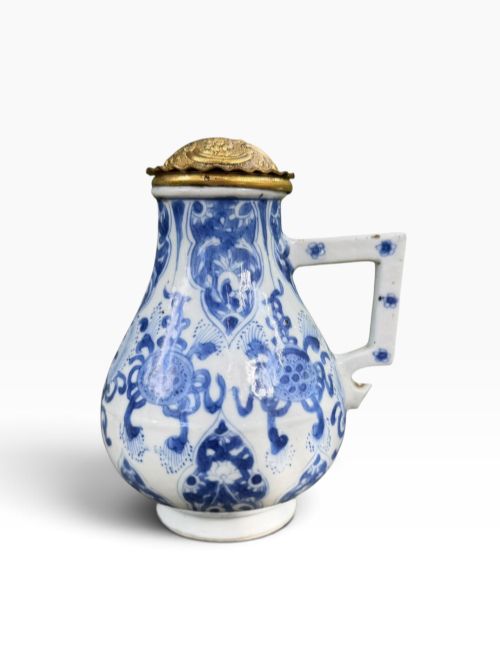
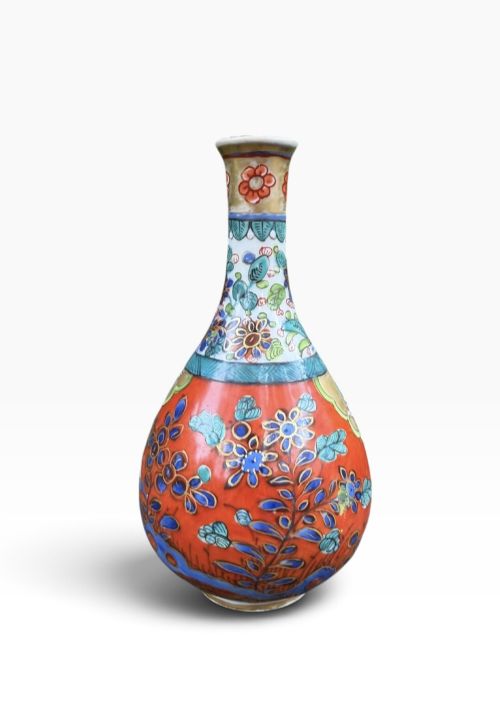
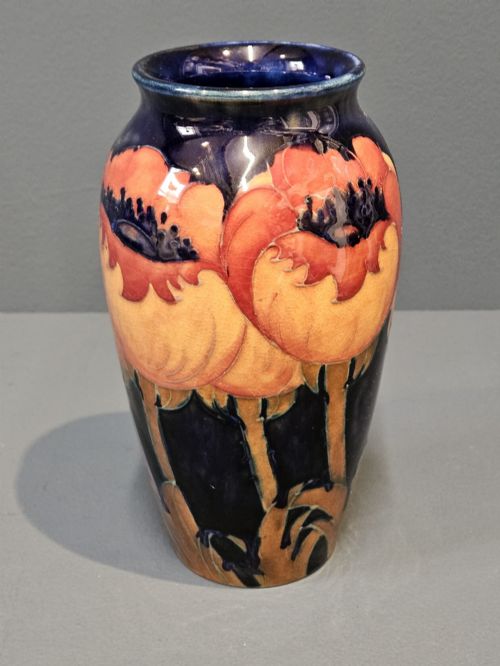
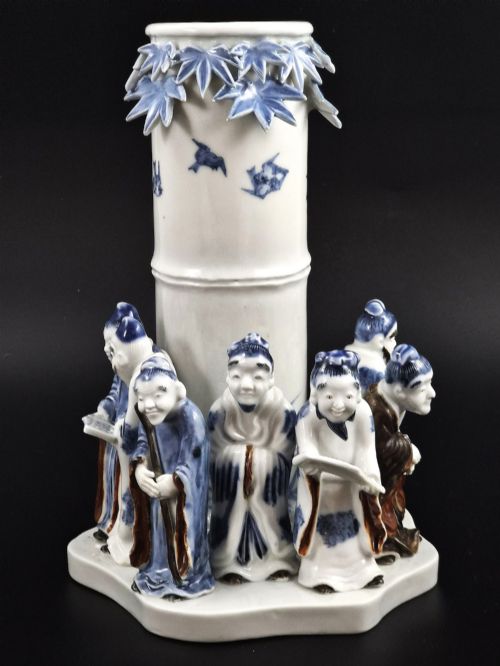
A blue pottery vessel encompasses utilitarian containers and decorative forms created across various centuries and regions, uniting practical utility with painted or glazed ornament. The selections available on this page span from seventeenth-century Dutch delftware and apothecary jars to nineteenth-century Japanese imari porcelain and art nouveau stoneware.
Buyers encounter distinct regional traditions within these listings, including English delftware posset pots, Persian Qajar ceramic bottles, and Chinese qingbai-glazed bowls. These items serve as functional vessels or display pieces, rendered in earthenware, stoneware, and porcelain decorated predominantly in blue pigments.
How they were made
Makers shaped these vessels using earthenware, stoneware, and porcelain, applying glazes such as tin enamel, salt glaze, and vibrant cobalt or polychrome pigments before firing. Techniques ranged from wheel-throwing to hand-modelling, supplemented by incised motifs, applied figures, and silver mounts.
Surface decoration frequently involved underglaze painting, hand-enamelling, and transfer printing. Kiln firing fixed the vitrified bodies and fixed the metallic oxides that yielded deep blues and complementary red or gold accents.
Blue Pottery Vessel Retail Price Guide 2026
Typical asking prices for blue pottery vessel among the pieces listed under this phrase on Sellingantiques today, from the lower quarter to the upper quarter. They describe what is for sale here now, not the wider market.
Some seventeenth-century Dutch puzzle jugs were cleverly engineered to spill down the drinker's front unless they knew the secret of covering hidden airholes.
What varies in quality
Quality reveals itself in the crispness of the painted or incised details and the uniformity of the glaze application. Pieces decorated by named artists or produced in renowned workshops display superior precision in form and pictorial balance.
The sophistication of the clay body and the depth of the cobalt pigment differentiate standard utilitarian items from exceptional studio pieces. Superior examples maintain structural integrity alongside well-balanced proportions and clear historical markings.
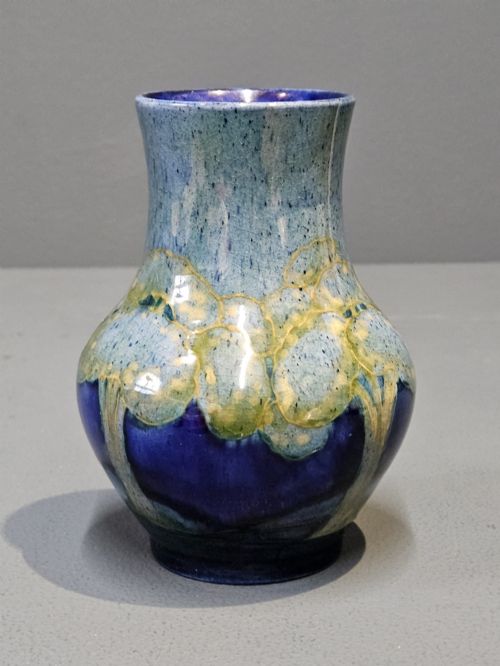
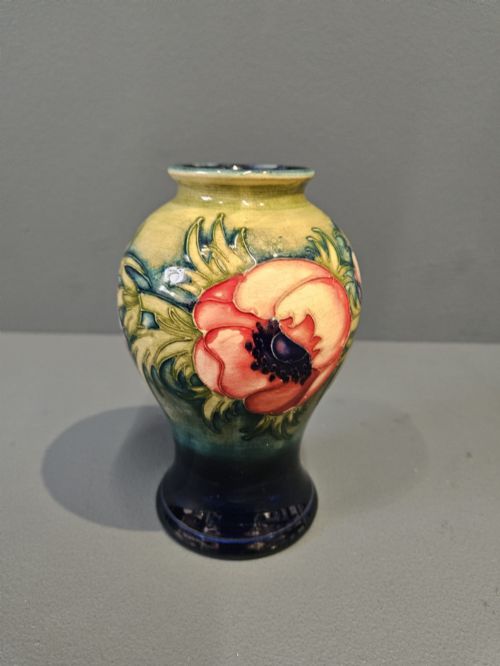
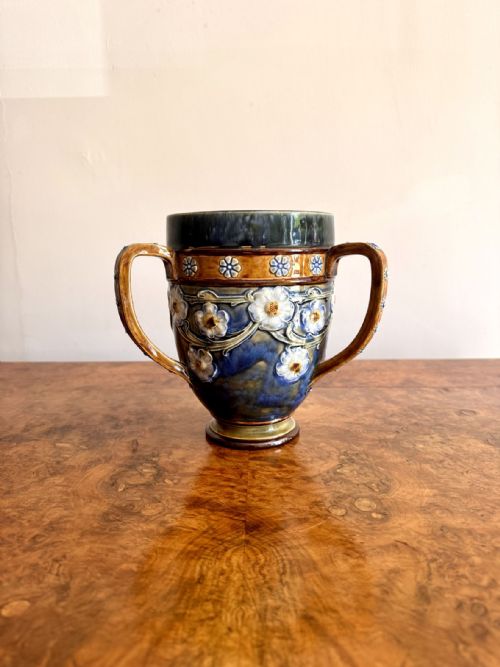
Royal Doulton·Doulton Lambeth·Moorcroft·Kinkozan·Royal Crown Derby
The Blue Pottery Vessel Glossary
- Albarello
- A cylindrical earthenware jar used by apothecaries for storing drugs and ointments. These drug jars frequently feature painted blue foliage or heraldic decoration.
- Delftware
- Tin-glazed earthenware produced in England and the Netherlands during the seventeenth and eighteenth centuries. It typically exhibits blue and white designs influenced by imported Chinese porcelain.
- Imari
- Japanese porcelain decorated in underglaze blue, iron red, and gold. This distinct aesthetic gained immense popularity in Europe during the Meiji period and earlier eras.
- Posset
- A historical hot drink made of curdled milk mixed with wine or ale. Posset pots include spouts and lids designed for communal drinking during festive occasions.
- Stoneware
- A dense, vitreous ceramic fired at high temperatures until non-porous. Salt-glazed stoneware vessels often display a pebbled texture known as orange-peel surface.
Blue Pottery Vessel: Frequently Asked Questions
How do I date a delftware jar?
Dating tin-glazed earthenware relies upon examining the thickness of the body, the tone of the tin glaze, and the style of the painted cobalt motifs. Earlier pieces from the seventeenth century often show heavier potting and softer glaze characteristics compared to later eighteenth-century examples.
The footrims and underside of the base also provide clues, as unglazed patches reveal the type of kiln furniture used during firing. Comparing the lettering on apothecary jars with known historical drug lists narrows down the decade of production.
What is an apothecary jar used for?
Apothecaries utilised these ceramic containers to store dried herbs, syrups, and wet or dry medical drugs on pharmacy shelves. The wide mouths and secure lids kept ingredients fresh and protected from moisture.
Over time, many of these utilitarian vessels transitioned into decorative cabinet pieces due to their striking blue and white painted labels. Collectors prize them for their connection to historical medical practices and domestic pharmacy.
How should I clean antique pottery?
Dusting gently with a dry, soft brush is the safest method for maintaining glazed ceramics without risking abrasion. Water and harsh chemical cleaners can damage fragile surfaces, old repairs, or degraded tin glazes.
Display environments should avoid direct sunlight and rapid temperature fluctuations to prevent crazing in the ceramic body. Professional conservation advice is recommended if a vessel requires deeper cleaning or stabilisation.
How do I distinguish imari from delftware?
Japanese imari utilises hard-paste porcelain decorated with iron red, gold, and underglaze blue in dense, intricate patterns. Delftware consists of softer earthenware covered in an opaque white tin glaze painted primarily in shades of blue.
The weight and translucency of the material immediately separate porcelain vessels from heavier earthenware pots. Examining the base reveals the distinct potting traditions of European faience kilns versus Meiji period Japanese workshops.