

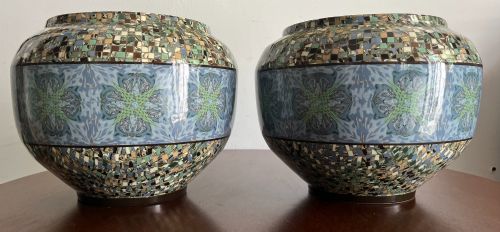
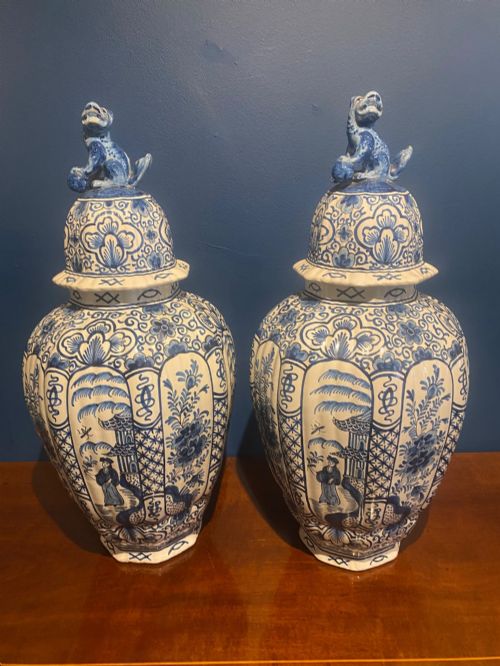
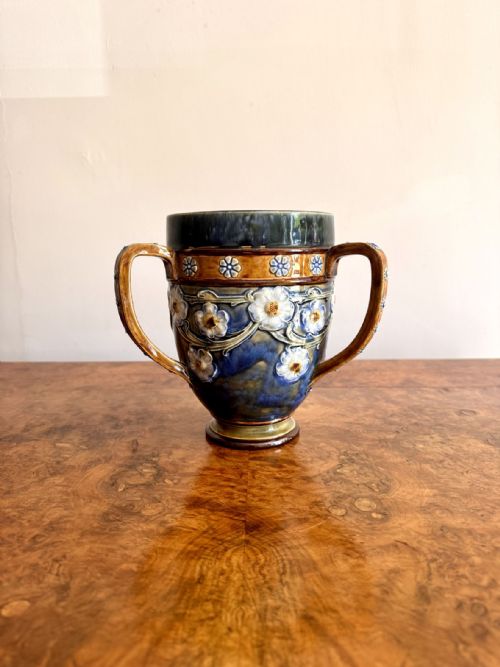
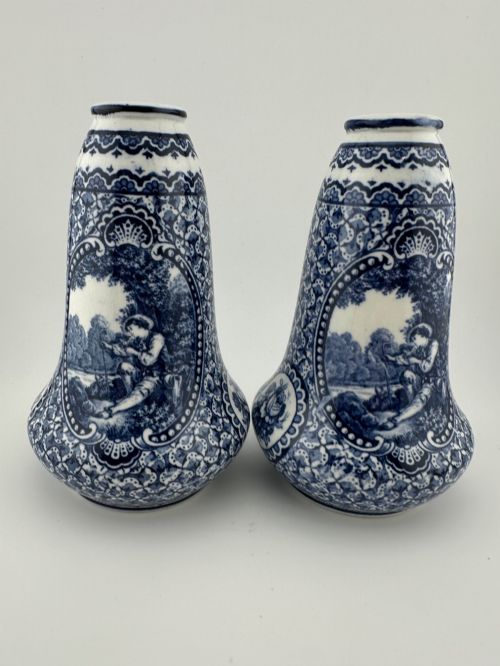
Blue Pottery Vase
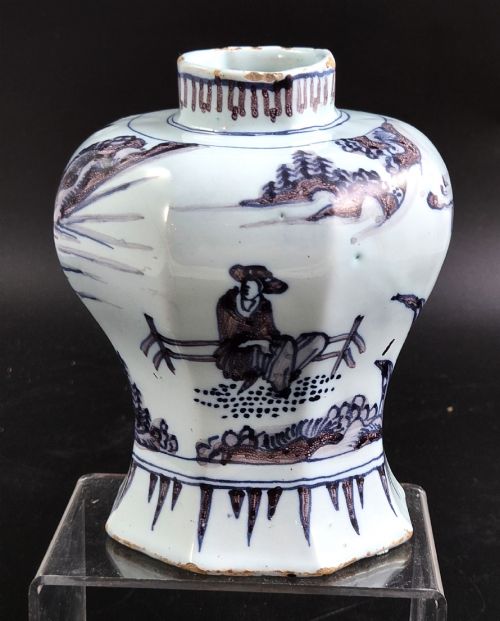
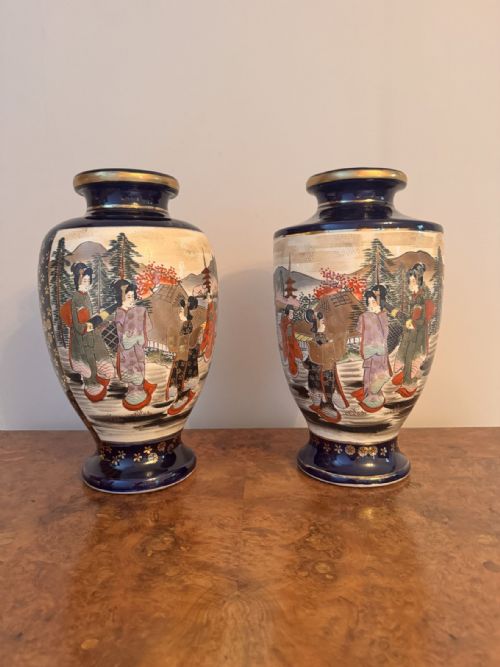
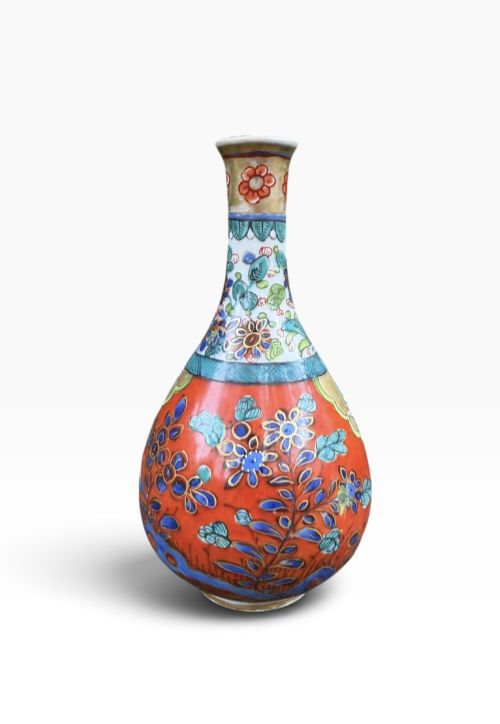
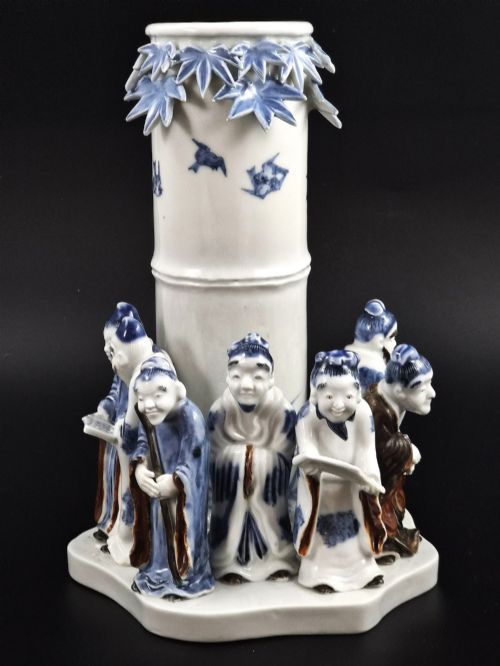
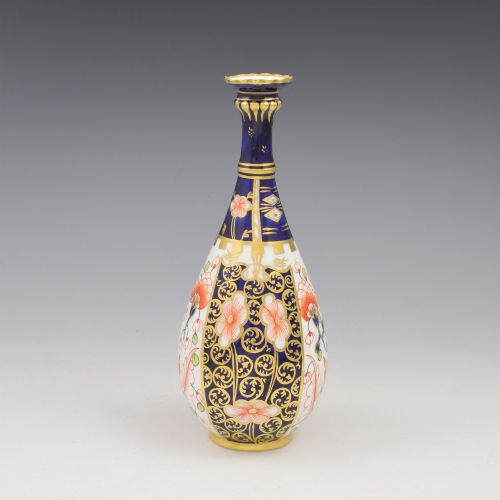
These pieces range from Dutch Delftware to Japanese Imari, offering the collector a blue pottery vase with enduring historical presence.
Blue Pottery Vase
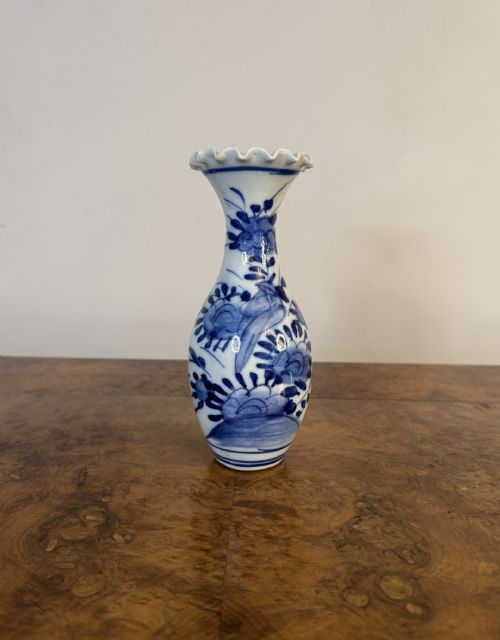
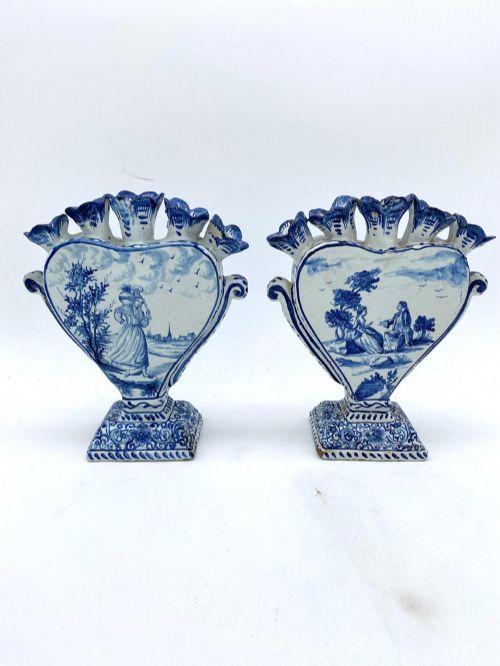
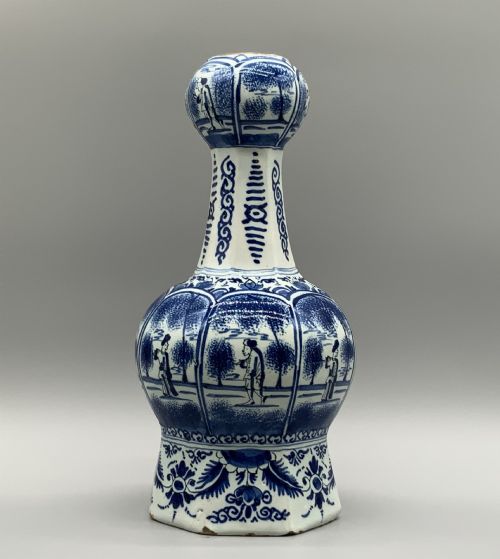
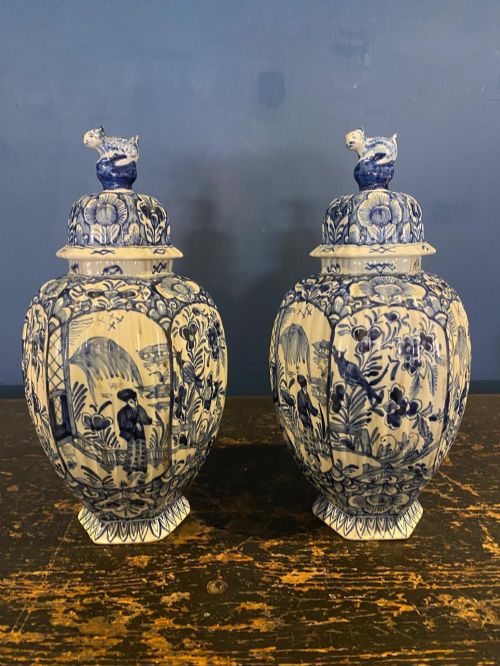
A blue pottery vase embodies centuries of ceramic traditions, crossing European earthenware with Asian porcelain and stoneware. Buyers searching for a blue pottery vase encounter forms ranging from Dutch Delft baluster vessels and lidded jars to Japanese Imari and Satsuma output.
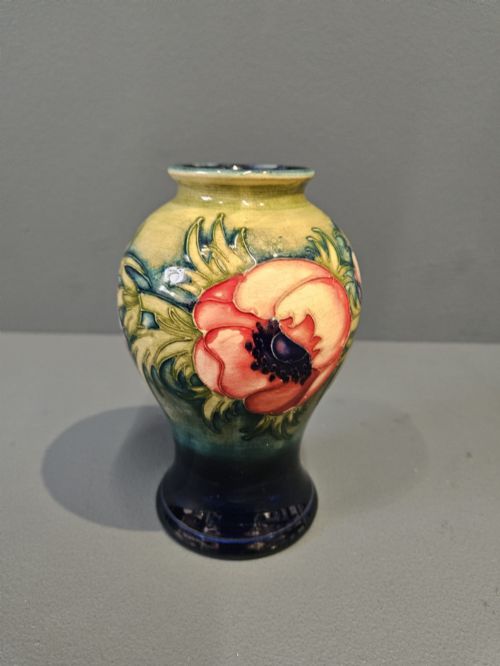
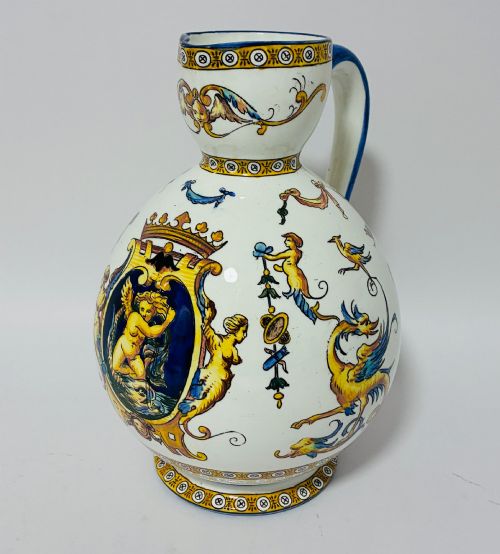
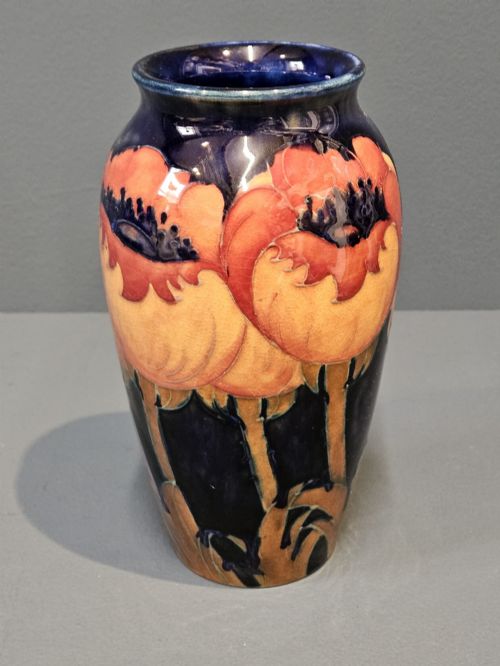
The selection on this page draws heavily on nineteenth-century revivals alongside eighteenth-century originals and early twentieth-century art pottery. Makers from Staffordshire, Lambeth, and continental potteries interpret these historic blue and white or polychrome palettes across ewers, urns, and cabinet vases.
Vessels span utilitarian domestic items transformed into display pieces to grand cabinet examples with intricate hand-painted decoration. The common thread is the blue pigment applied beneath or over the glaze on ceramic bodies.
How they were made
Potters shaped earthenware, stoneware, and porcelain either by hand on the wheel or utilising moulds for complex baluster profiles. Bodies received tin-glaze, enamel, or salt-glaze coatings designed to accept cobalt blue pigments before high-temperature firing.
Decoration relied on underglaze painting using cobalt oxides, occasionally supplemented with gold leaf, copper-red, or manganese accents. Some wares incorporated bronze mounts or silver cabochons applied after the primary ceramic firing.
Blue Pottery Vase Retail Price Guide 2026
Typical asking prices for blue pottery vase among the pieces listed under this phrase on Sellingantiques today, from the lower quarter to the upper quarter. They describe what is for sale here now, not the wider market.
Listings feature Earthenware, Ceramic, Enamel, Glaze, Porcelain, Gold Leaf, Tin-Glazed Earthenware, and Stoneware across multiple centuries.
What varies in quality
Quality rests upon the crispness of the painted brushwork and the depth of the cobalt blue glaze against the ceramic ground. Superior examples exhibit precise control during the firing process, resulting in unblemished surfaces and sharply defined motifs.
The weight of artistic execution separates standard production items from masterworks designed by named decorators in major potteries. Hand-thrown forms and hand-painted scenes command attention through proportion and energetic detail.
Royal Doulton·Moorcroft·Cantagalli·Royal Crown Derby·Fourmaintraux-Courquin
The Blue Pottery Vase Glossary
- Tin-Glazed Earthenware
- Pottery coated with a white enamel glaze containing tin oxide, which forms an opaque surface for painted cobalt decoration. This technique defines traditional Delftware and Majolica.
- Baluster
- A vase shape with a rounded lower body that tapers upward to a narrow neck and flared rim. The silhouette originates from architectural balusters.
- Imari
- Japanese export porcelain decorated in underglaze blue, iron red, and gold. European factories frequently copied these distinct patterns during the nineteenth century.
- Clobbered
- Porcelain or earthenware decorated originally in blue and white, later overpainted with additional enamel colours and gilding in workshops. This practice altered older wares to suit changing tastes.
- Faience
- European tin-glazed earthenware, particularly pieces produced in France, Italy, or the Netherlands. The term describes glazed pottery with a porous clay body.
Blue Pottery Vase: Frequently Asked Questions
What is a blue pottery vase?
A blue pottery vase is a ceramic vessel decorated primarily in blue pigments, encompassing styles from Dutch Delftware to Japanese Imari and English stoneware.
These pieces reflect diverse historic periods, utilising techniques like tin-glazing or cobalt painting on earthenware, porcelain, and stoneware.
How do I date a blue pottery vase?
Dating relies on identifying the ceramic body, glaze characteristics, and potting styles associated with specific periods like the eighteenth century or the Art Nouveau era.
Maker marks, factory stamps, and stylistic cues such as bronze mounts or transitional motifs provide further chronological markers.
Where were these vases made?
Production centres span Europe and Asia, including Dutch kilns, English potteries in Lambeth, French workshops in Desvres, and Japanese kilns.
Each region developed distinct methods of preparing clay bodies and applying cobalt blue decoration.
How should I display a blue pottery vase?
Display depends on the scale and material strength of the vessel, with robust stoneware and porcelain suiting standalone placements on tables or shelves.
Pairing pieces with complementary items like ewers or garniture sets creates a balanced period arrangement in a room.