
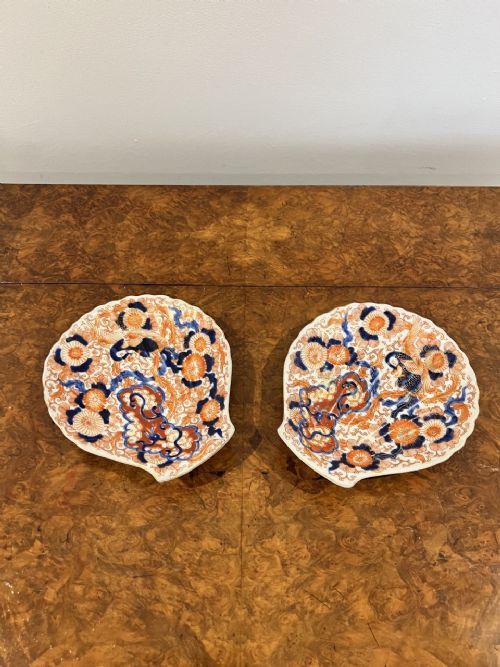

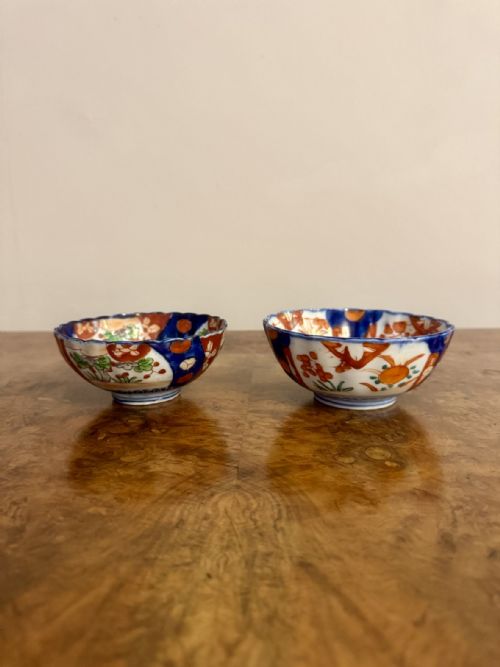


Blue Porcelain Trinket Dish
A blue porcelain trinket dish brings small-scale colour and utility to a dressing table, taking many forms from French lidded boxes to Japanese plates.
Blue Porcelain Trinket Dish
A blue porcelain trinket dish encompasses small decorative vessels, lidded boxes, powder bowls, and shallow trays designed to hold small personal items. When searching for a blue porcelain trinket dish, buyers encounter diverse forms ranging from French lidded boxes and Imari plates to Art Deco powder containers.
The pieces span the eighteenth century through the Art Deco period, drawing on English pearlware, French porcelain, and Japanese ceramic traditions. Many items feature hand-painted details, gilding, or metal mounts, bridging purely decorative objects and functional dressing table accessories.
How they were made
Makers shaped porcelain, ceramic, and earthenware bodies before applying blue glazes or hand-painted cobalt decoration. Many pieces incorporate gold leaf, enamel, or gilt metal mounts to accent the porcelain forms.
Techniques varied from traditional Japanese Imari glazing to French transfer-printing and hand-painting found in Limoges and Dresden workshops. Metal components such as ormolu frames and champleve enamel work were added to house and frame the porcelain.
Several French powder boxes double as charming portraits of Art Deco flappers and half-dolls keeping watch over vanity tables.
What varies in quality
The integration of secondary materials such as ormolu mounts, enamel work, and well-fitted lids distinguishes finer examples. Heavier, more refined ceramic bodies and intact original gilding elevate an individual dish or box.
Daisy Makeig-Jones Wedgwood·Kuznetsov·Helena Wolfsohn·Royal Crown Derby
The Blue Porcelain Trinket Dish Glossary
- Imari
- A style of Japanese porcelain featuring underglaze blue and iron red, often accented with gold. This aesthetic heavily influenced European potteries during the nineteenth century.
- Ormolu
- Gilded bronze used decoratively for mounts, stands, and frames on nineteenth-century porcelain boxes and trays. It provides a bright metallic contrast to the blue ceramic.
- Champleve
- An enamelling technique where troughs are dug into a metal surface and filled with vitreous enamel. It appears frequently on nineteenth-century French desk and vanity trays.
- Pearlware
- An early form of refined earthenware developed in England, characterised by a faint bluish glaze that pooled in recesses. It formed the basis for many blue printed spoon trays.
Blue Porcelain Trinket Dish: Frequently Asked Questions
How were trinket dishes used?
These small dishes and boxes sat on dressing tables and desks to hold pins, rings, coins, and small personal items.
They doubled as decorative accents in bedrooms and parlours, keeping loose vanity items tidy.
How do I care for antique porcelain?
Clean these pieces gently with a soft, dry cloth or lukewarm water without harsh detergents to protect the surface.
Avoid soaking items with gilt details or metal mounts, as moisture can damage the gold leaf and ormolu.
What periods do these dishes come from?
The selection spans from the Georgian era through Victorian revival styles up to Art Deco powder boxes.
Nineteenth-century French and Japanese Imari pieces are particularly common among surviving examples.
How do I spot hand-painted details?
Hand-painted pieces show subtle brushstroke variations and slight irregularities under close inspection, unlike uniform printed patterns.
Artisans applied pigments by hand on many French and Japanese items from the nineteenth century.