


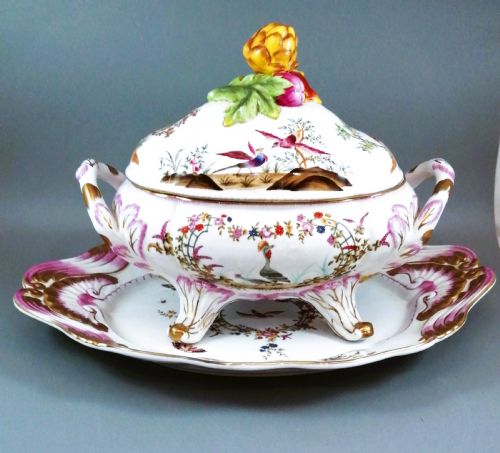


Painted Porcelain Server
A painted porcelain server brings hand-painted colour and intricate form to the table, offering a glimpse into centuries of fine ceramic artistry.
Painted Porcelain Server
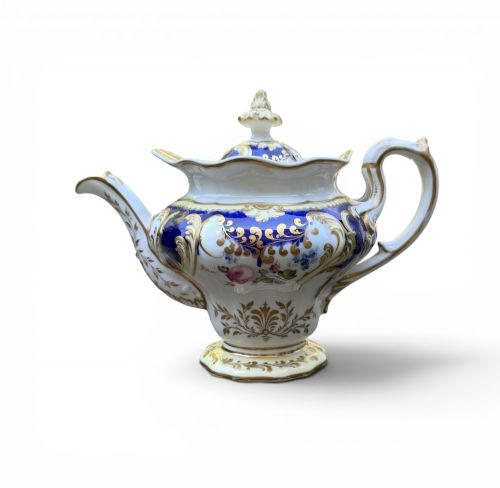
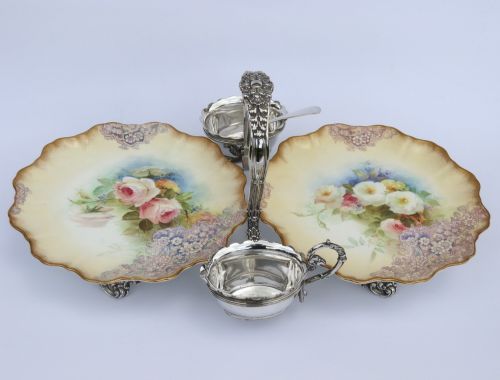
When you search for a painted porcelain server, you are looking at functional and decorative ceramic tableware designed for serving dishes like asparagus, desserts, or sauces. These pieces span several centuries and originate from English, continental European, Russian, and Chinese kilns.
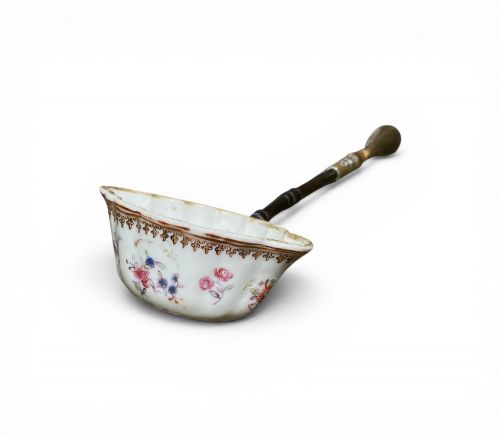
The version you are most likely to meet on this page is an 18th or 19th-century creation, taking forms such as sauce boats, ladles, butter dishes, or cabinet dishes. They frequently incorporate detailed floral motifs, bird forms, or blue and white designs.
Makers and factories represented range from English houses like Chelsea Derby and Royal Doulton to continental giants such as Meissen, Sevres, and Kpm, alongside Chinese export pieces from the Qianlong period.
What varies in quality
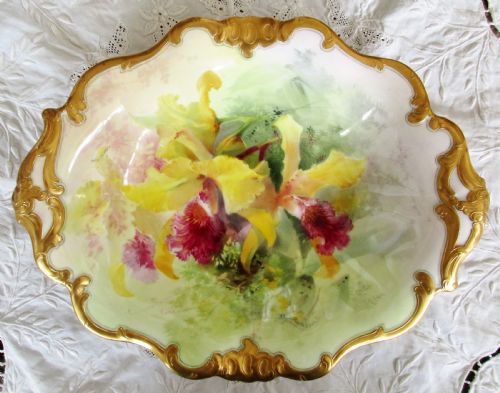
The skill of the hand-painted decoration separates standard items from exceptional ones, particularly where artists rendered botanical studies or complex bird forms with precision. Finer pieces demonstrate superior control of enamel colours and delicate brushwork.
The crispness of the porcelain moulding and the richness of the gilding also distinguish the range. Pieces retaining intact gold leaf and crisp rococo relief work command greater appreciation.
One cheerful 18th-century lettuce-form sauce boat proves that potters could not resist turning salad greens into tableware.
Royal Doulton·Walker and Hall·Chelsea Derby·Kuznetsov·Sevres·Meissen
The Painted Porcelain Server Glossary
- Soft-paste porcelain
- An artificial porcelain composition fired at lower temperatures than hard-paste, common in early English factories. It produces a warm, slightly softer glaze texture.
- Famille rose
- A Chinese ceramic palette dominated by opaque pink enamel, developed in the Qing dynasty. It allowed artists to render subtle tonal gradations in floral and figural scenes.
- Rococo revival
- A 19th-century style echoing the asymmetrical scrolls and shell motifs of the 18th century. It heavily influenced the moulded shapes of tableware and serving pieces.
- Cabinet dish
- A decorative ceramic plate intended for display in a cabinet rather than daily dining. These often feature elaborate hand-painted botanical or pictorial subjects by named artists.
Painted Porcelain Server: Frequently Asked Questions
How do I clean a painted porcelain server?
Wash porcelain servers gently by hand using lukewarm water and mild soap, avoiding abrasive sponges that might damage the enamel.
Keep pieces with gilt highlights away from dishwashers and harsh chemical detergents to preserve the metallic finish.
Are these servers safe for serving food?
Many antique porcelain pieces remain structurally sound for serving dry foods or desserts, provided they show no major hairline cracks.
Items with extensive wear to the enamel or delicate gold leaf are better suited for display rather than active dining use.
How can I tell the age of a porcelain piece?
Examine the underside of the piece for factory marks, maker stamps, or hand-written pattern descriptions which often correspond to specific production eras.
The style of the moulding, such as rococo scrolls or blue and white transfer printing, also offers strong clues to the decade of manufacture.
What is the difference between hard-paste and soft-paste?
Hard-paste porcelain uses natural kaolin clay and petuntse, resulting in a dense, vitrified body that resists scratching. Soft-paste relies on a mixture of glass frit and white clay, creating a warmer, slightly more porous material favoured by early English potteries.
Under magnification, soft-paste often reveals a softer interaction between the glaze and the painted enamel.