


White Glazed Porcelain Ornament
These white glazed porcelain ornament examples combine refined European modelling with durable ceramic bodies, offering collectors timeless mantle displays.
White Glazed Porcelain Ornament
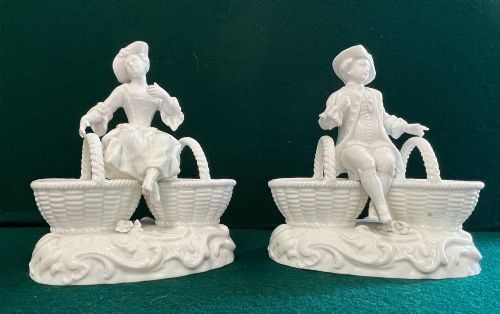
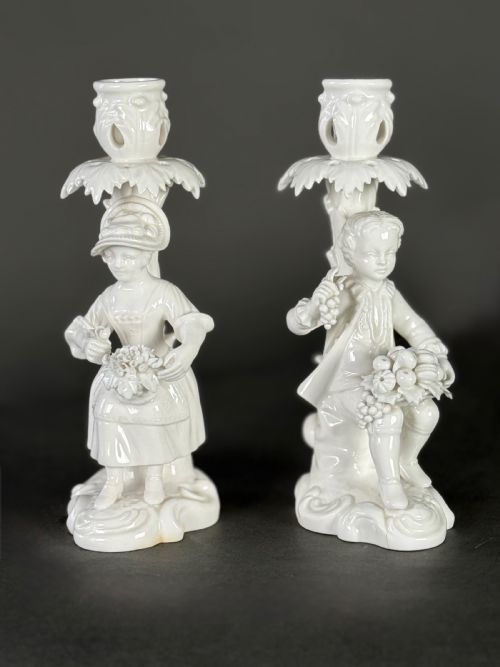
A white glazed porcelain ornament spans centuries of European and Asian ceramic production, taking the form of figures, spill vases, candlesticks, and sculptural groups. When you examine this selection, you encounter pieces originating from major continental factories alongside English potteries.
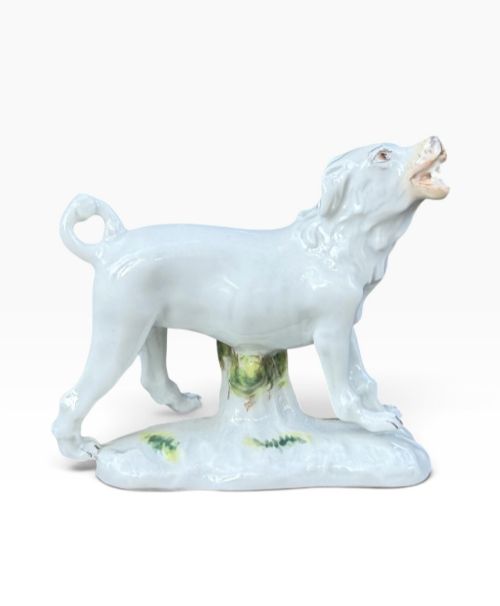
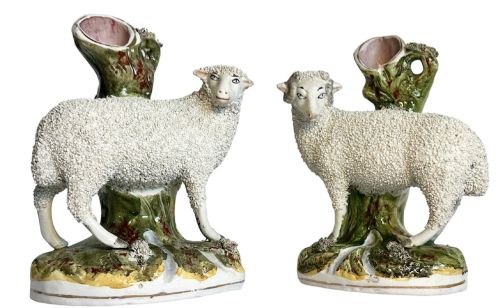
The objects commonly depict animals, human figures, and allegorical subjects rendered in monochrome white or accented with delicate gilding and enamel. Victorian Staffordshire pairs and German porcelain groups appear frequently among these listings.
Moulded or hand-modelled forms demonstrate the domestic and decorative tastes of the eighteenth, nineteenth, and early twentieth centuries. Each item serves as a tangible record of period ceramic artistry.
Determining quality and execution
The refinement of the modelling separates superior examples from mass-produced items, showing crisp facial expressions and sharply defined fingers, drapery, or fur. Finer pieces display smooth glaze coverage without pooling or dry patches across complex surfaces.
The handling of the original ceramic paste and the precision of the firing process dictate the longevity and visual clarity of the ornament. Artisanal skill in assembly and retouching prior to glazing defines the upper tier of the range.
Nineteenth-century ceramic spaniels watch over mantelpieces with unwavering glass eyes, faithfully guarding empty hearths.
Meissen·Staffordshire·Derby·Royal Worcester·Royal Dux
The White Glazed Porcelain Ornament Glossary
- Blanc-de-Chine
- A French term denoting Chinese white porcelain, later used to describe European white-glazed figures produced in imitation. This finish highlights the sculptural contours without relying on polychrome enamel.
- Bisque
- Unglazed porcelain fired once to a porous state, prized for its matte, marble-like texture. Portrait busts frequently utilise this finish to capture subtle facial details.
- Hard-paste
- A durable ceramic composition of kaolin and petuntse fired at high temperatures. It resists scratching and yields a resonant ring when struck.
- Soft-paste
- An artificial porcelain mixture containing glass and clay, fired at lower temperatures than hard-paste. It possesses a warmer tone and a slightly softer surface texture.
- Spill vase
- A hollow cylindrical container designed to hold wooden spills for lighting candles or fires. These vessels often integrate animal or figural modelling into their base.
White Glazed Porcelain Ornament: Frequently Asked Questions
How do I identify a reproduction?
Examine the weight, glaze consistency, and base markings of the piece to assess its age. Older items exhibit baseline wear and manufacturing characteristics consistent with historical kiln technology.
Compare the moulding definition against documented period examples. Modern reproductions often lack the crisp detail found in nineteenth-century casts.
Were these pieces purely decorative?
Many items served dual practical and aesthetic functions within the domestic interior. Spill vases held tapers, and candlesticks provided illumination alongside sculptural charm.
Figurines and group sculptures were displayed on mantelpieces and side tables to signal cultural refinement. Their primary purpose remained visual enrichment.
How should I clean white porcelain?
Dust the surface regularly with a soft, dry artist brush to prevent grime accumulation. Avoid harsh chemical cleaners that might damage delicate enamel details or nineteenth-century gilding.
Use lukewarm water and mild soap sparingly if deeper cleaning is necessary. Dry the piece thoroughly with a lint-free cloth immediately afterward.
What distinguishes soft-paste from hard-paste?
Hard-paste porcelain contains natural minerals fired at extremely high temperatures, resulting in a vitreous and durable body. Soft-paste relies on artificial glass mixtures fired at lower levels.
Under magnification, soft-paste often reveals a slightly creamier translucency. Hard-paste maintains a colder, whiter appearance.