





Blue Porcelain Serving Dish
A blue porcelain serving dish brings painted cobalt, intricate glazes and centuries of international trade directly to the table.
Blue Porcelain Serving Dish
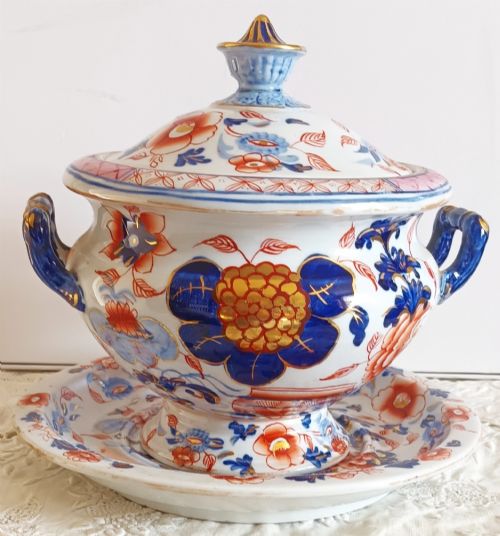
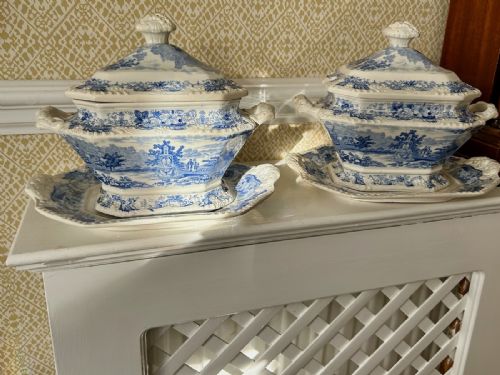
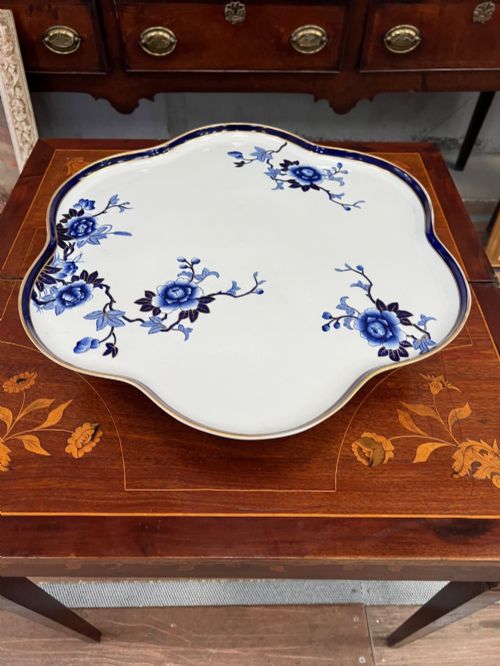
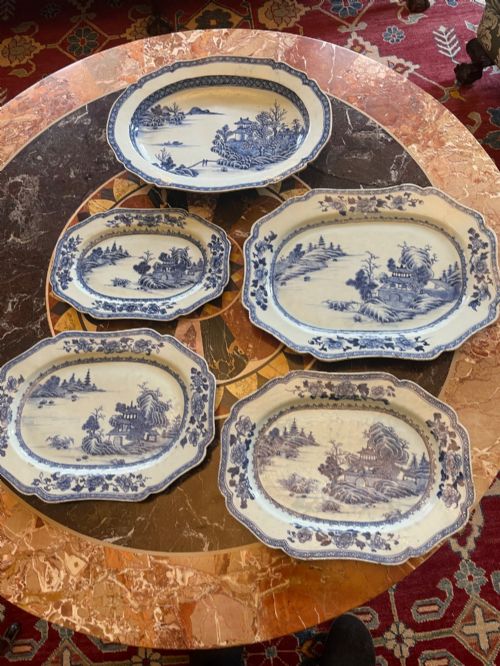
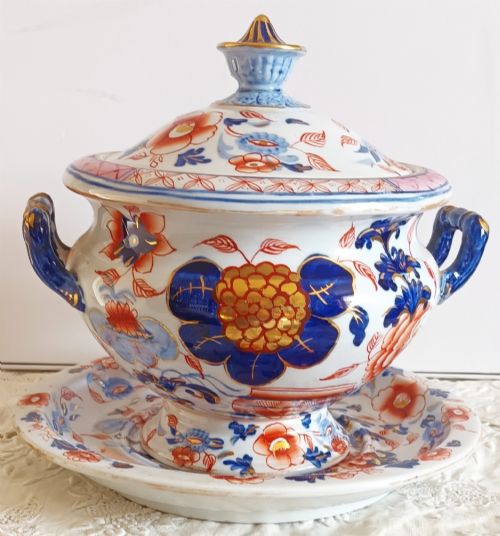
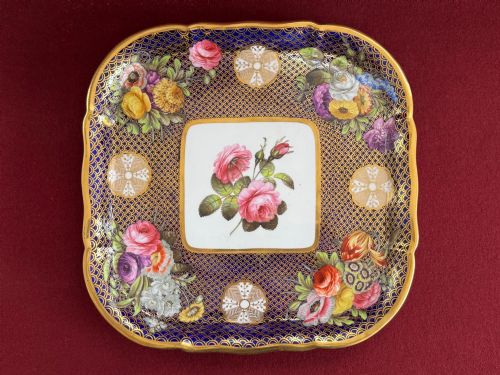
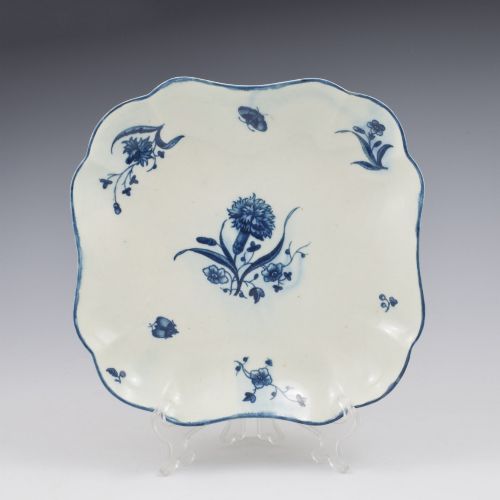
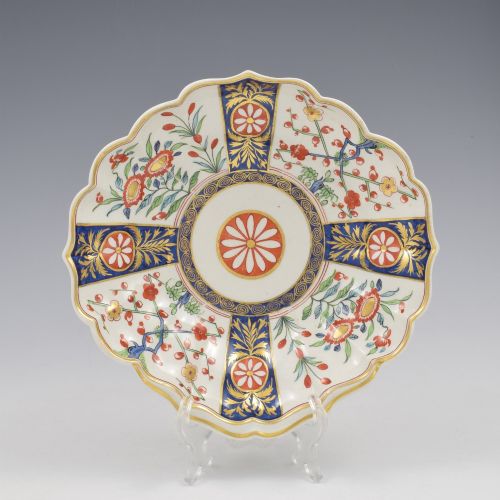
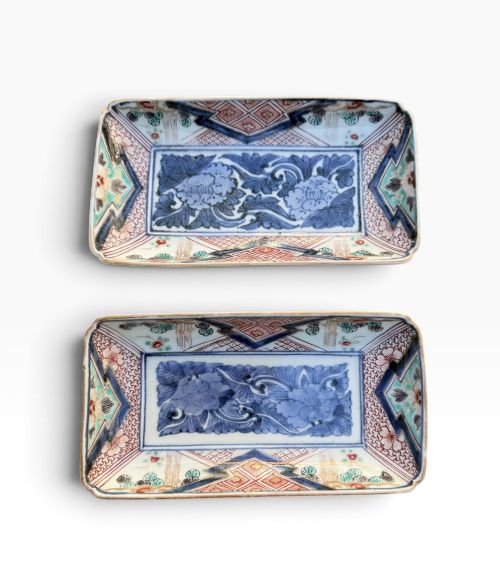
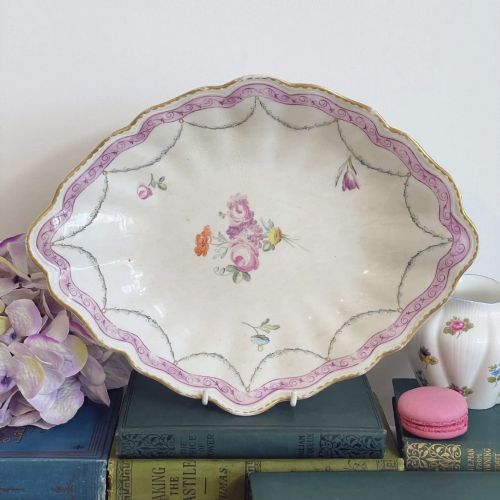
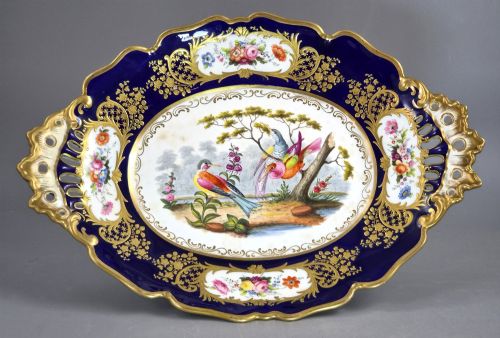
When searching for a blue porcelain serving dish, collectors encounter a diverse range of forms spanning Chinese export wares, eighteenth-century English factories and nineteenth-century Japanese production. These items compriseplatters, tureens, junket dishes and scalloped bowls intended for both display and functional dining.
The material encompasses standard ceramic, robust ironstone, soft-paste porcelain and delicate enamel finishes. Pieces often display intricate cobalt painting, sometimes augmented by gilding or polychrome accents.
Originating from periods including the Georgian era, the Regency period, the Victorian age and the Japanese Meiji period, these vessels demonstrate considerable international exchange in ceramic design and manufacturing techniques.
How they were made
Potters shaped porcelain, soft-paste porcelain, ceramic and ironstone into varied forms such as quatrefoil tureens, boat-shaped vessels and square plates. Artisans then applied underglaze cobalt blue painting, enamel highlights or gold leaf accents before firing.
Techniques varied from Chinese export methods and Japanese Arita traditions to English factory production at Worcester, Derby and Coalport. Many items received hand-painted floral, bird or landscape motifs beneath protective transparent glazes.
Blue Porcelain Serving Dish Retail Price Guide 2026
Typical asking prices for blue porcelain serving dish among the pieces listed under this phrase on Sellingantiques today, from the lower quarter to the upper quarter. They describe what is for sale here now, not the wider market.
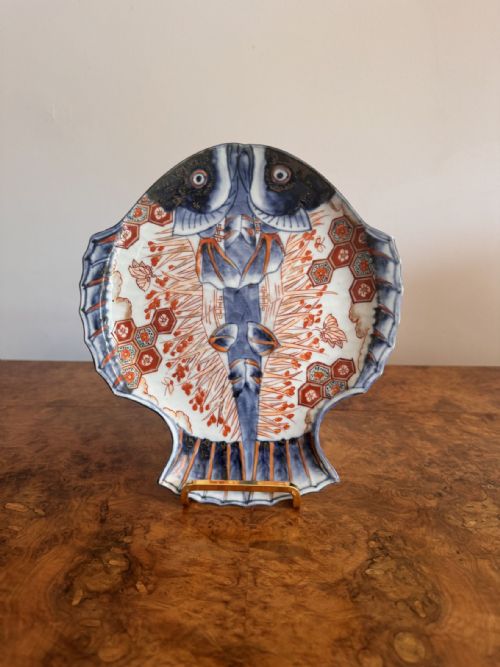
Fish-shaped dishes and boats bring maritime charm to the table.
What varies in quality
The standard of a blue porcelain serving dish rests upon the crispness of the hand-painted cobalt decoration and the precision of the form, whether square, scalloped or fan-shaped. Superior examples exhibit deliberate brushwork and well-balanced polychrome or gilded additions.
The choice of body material, from refined soft-paste porcelain to sturdy ironstone, dictates the weight and translucency of the piece. Early production dates, such as eighteenth-century English or Kangxi periods, often command attention for their historical execution.
Royal Crown Derby·Coalport·Hicks and Meigh·Worcester·Minton
The Blue Porcelain Serving Dish Glossary
- Imari
- A style of Japanese porcelain decorated in underglaze blue, iron red, and gold. This aesthetic heavily influenced European factories during the eighteenth and nineteenth centuries.
- Junket dish
- A shallow vessel traditionally used for serving curd or cream desserts. These often feature specialised moulded or pierced rims.
- Soft-paste porcelain
- A ceramic composition containing glass frit and white clay, fired at lower temperatures than hard-paste. It creates a warm texture and distinct translucency.
- Ironstone
- A dense, durable type of earthenware patented in the nineteenth century. It provides robust utility while accepting complex blue and white transfer printing.
- Sauce tureen
- A small covered vessel designed for holding gravy or sauce at the table. They frequently sit upon an attached or matching undertray.
Blue Porcelain Serving Dish: Frequently Asked Questions
How do I use an antique serving dish?
These pieces function well for presenting dry foods, fruits or breads at the dining table. Hand washing protects the historical glazes and gold leaf.
Displaying them on open shelving or within cabinets keeps them safe from heavy daily wear. Avoid modern dishwashers and harsh abrasive cleaners entirely.
How can I tell eighteenth-century pieces apart?
Examination of the paste, weight and underglaze blue characteristics helps identify the period of production. Factories like Worcester and early Chinese export wares exhibit distinct potting traits.
Marks on the base, where present, offer further clues regarding factory origin and decade of manufacture.
What is Japanese Imari porcelain?
Japanese Imari items feature characteristic blue and red palettes, frequently accented with gilding. They were produced primarily in the Arita region for both domestic use and export.
Meiji period examples demonstrate the continuation of these vibrant decorative traditions into the late nineteenth and early twentieth centuries.
Are ironstone dishes durable?
Ironstone provides a heavier and more robust alternative to delicate soft-paste porcelain. Nineteenth-century factories utilised this material for practical serving platters and tureens.
Careful handling remains sensible despite the sturdy composition to preserve surface enamels and edges.