
Blue Porcelain Jar
A blue porcelain jar brings centuries of ceramic artistry into a room, combining cobalt pigment with fired clay in forms from ginger jars to ginger jars and lidded vessels.
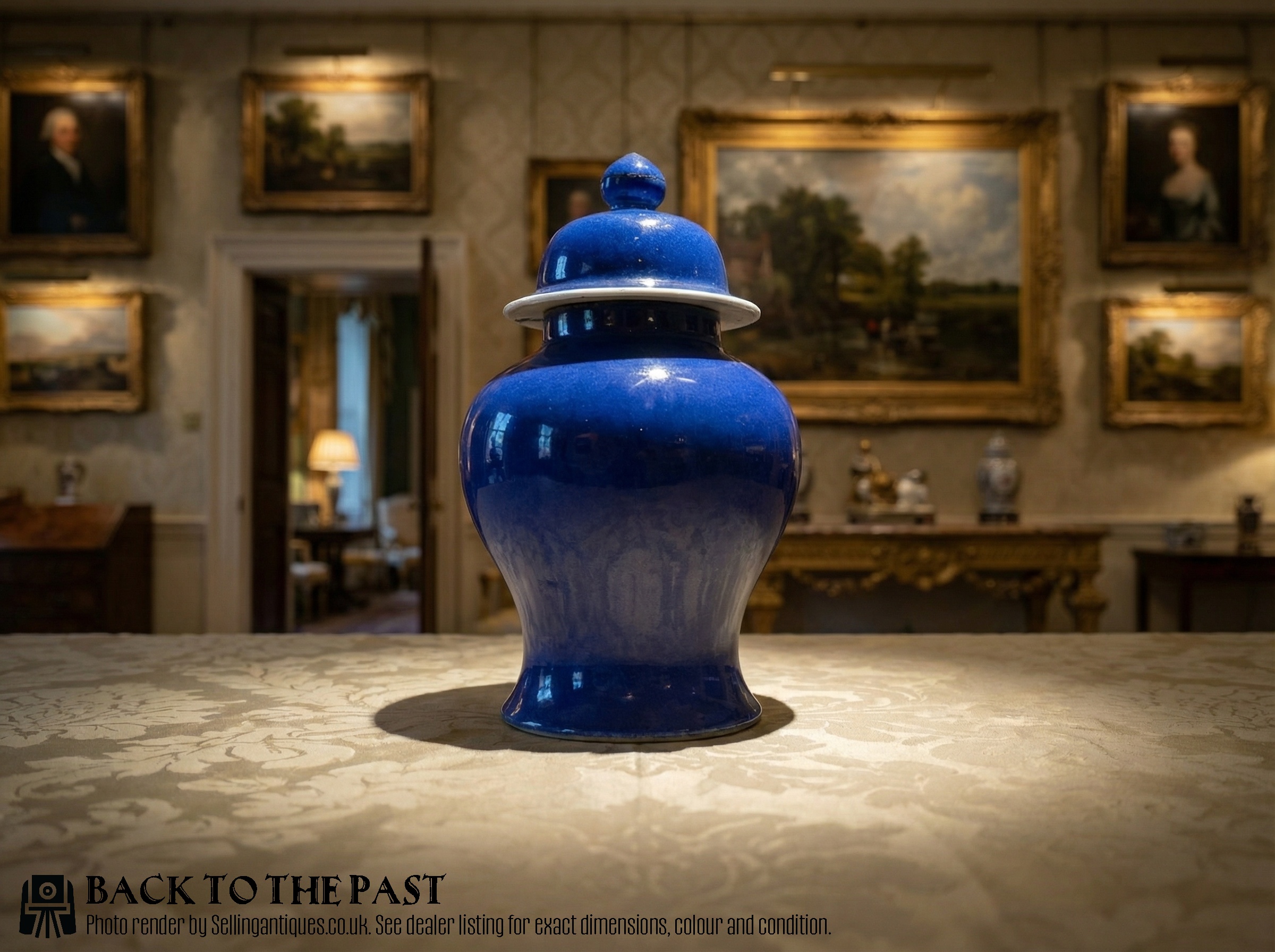
Blue Porcelain Jar
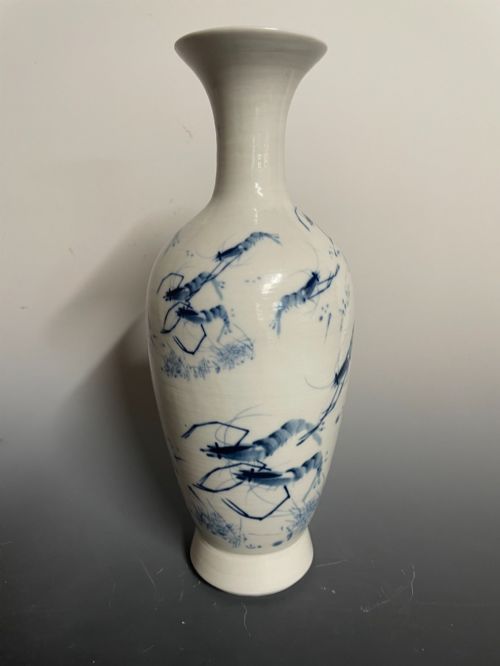
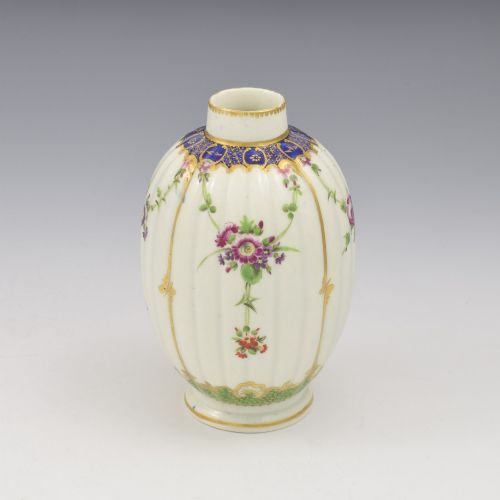
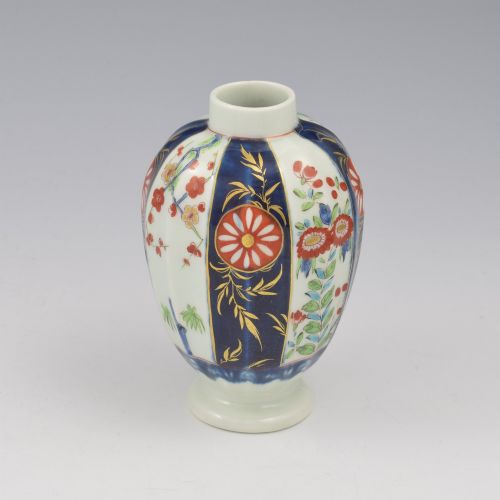
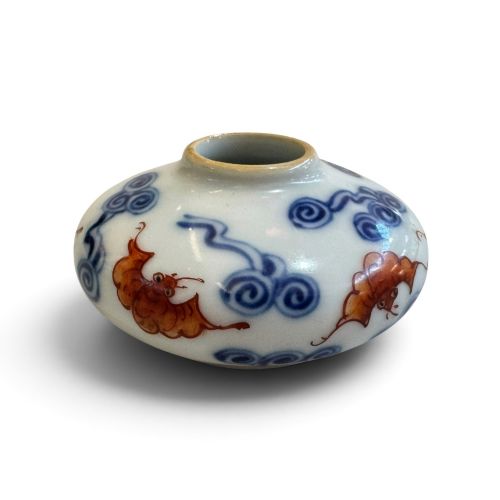
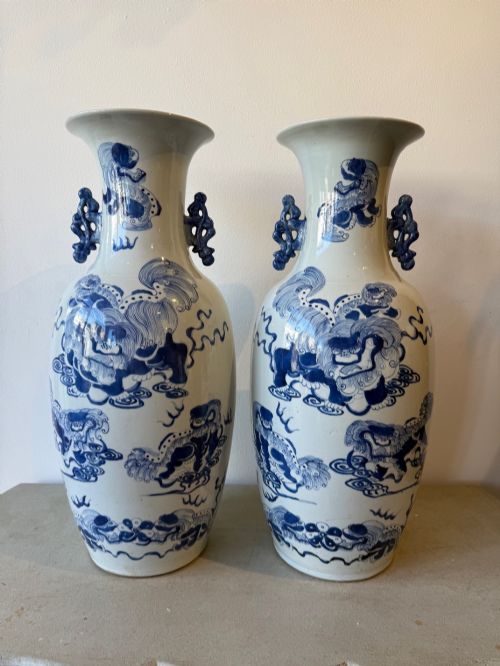
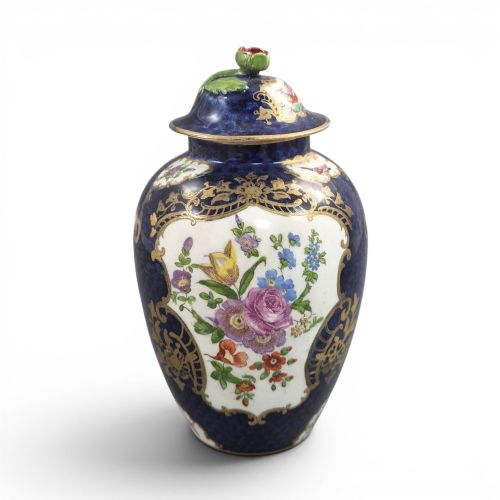
A blue porcelain jar encompasses diverse forms including ginger jars, lidded vessels, tea caddies, and decorative vases spanning centuries of production. The selection reflects global ceramic traditions, taking in English factories alongside Qing Dynasty and Japanese export wares.
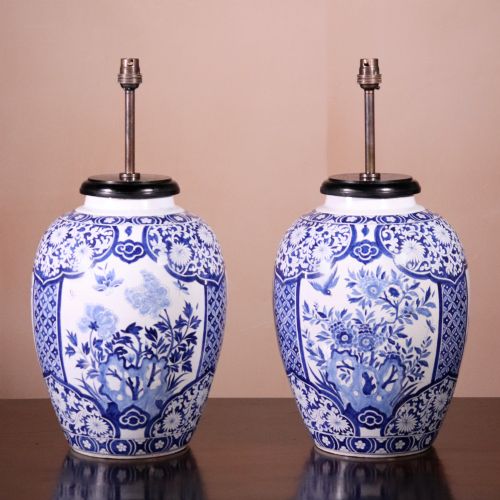
Pieces range from functional containers to large floor-standing display items and converted table lamps. Buyers regularly encounter nineteenth-century examples alongside eighteenth-century works and early twentieth-century interpretations.
How they were made
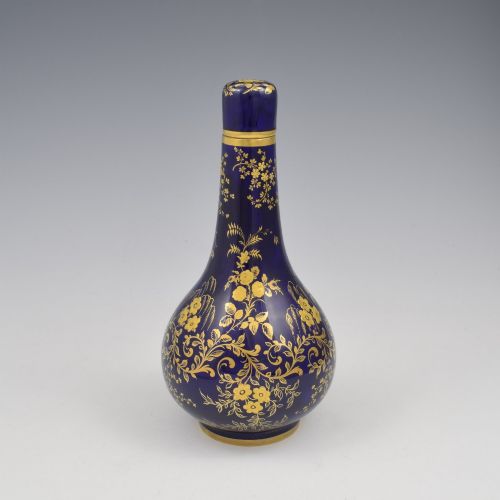
Potters shaped ceramic and porcelain bodies before applying cobalt pigment to create blue decoration beneath or over the glaze. Firing in kilns fixed the mineral colours, sometimes supplemented by subsequent applications of gold leaf or enamel details.
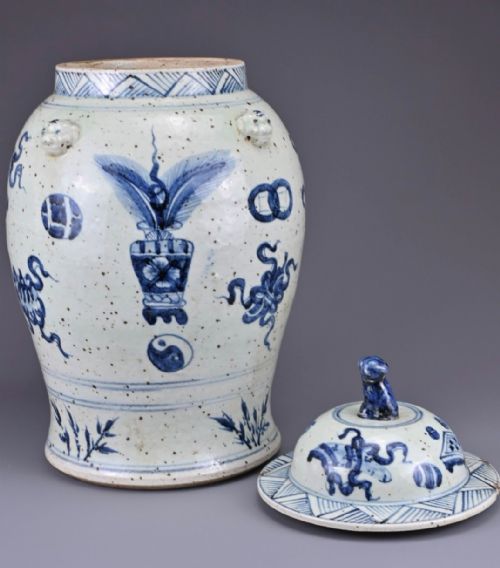
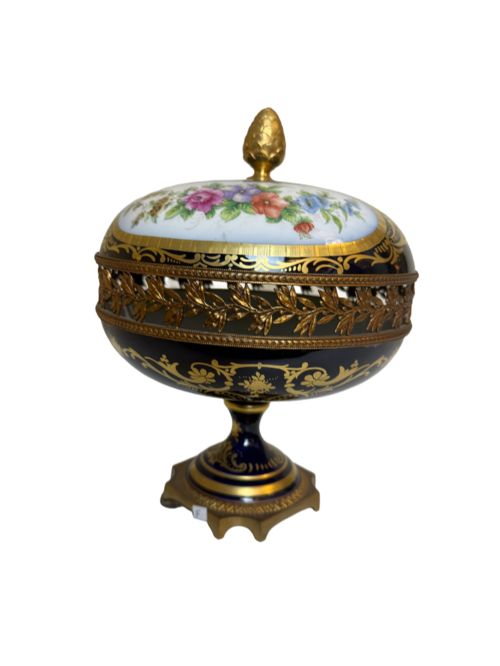
Many items incorporate fitted covers, while others feature metal mounts such as ormolu or silver plate added during later periods of use.
Several pieces preserve nineteenth-century attempts to bring Asian ceramic aesthetics into proper Victorian parlours via biscuit barrels.
What varies in quality
Quality rests in the clarity of the cobalt pigment against the porcelain ground and the precision of the painted motifs. Early pieces demonstrate superior control in brushwork and glazing techniques.
The crispness of moulded details and the preservation of added elements like gilt highlights distinguish high-grade items from standard production pieces.
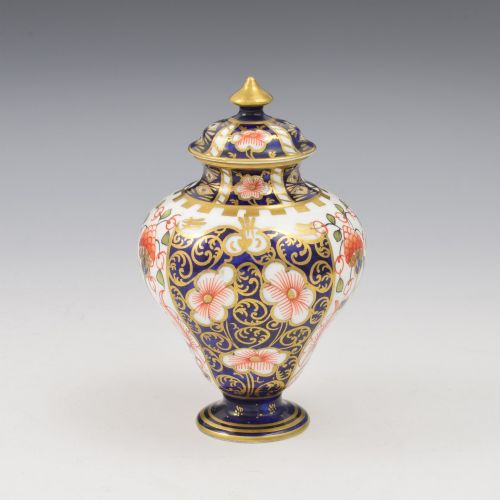
Royal Crown Derby·Worcester·Coalport·Limoges
The Blue Porcelain Jar Glossary
- Cobalt Glaze
- A deep blue mineral colouring applied to ceramic surfaces before high-temperature firing. This oxide produces the characteristic rich blue tones seen across traditional wares.
- Ginger Jar
- A globular container with a wide mouth, originally designed for storing spices and preserves. Later periods adapted the form for purely decorative display.
- Chinese Export
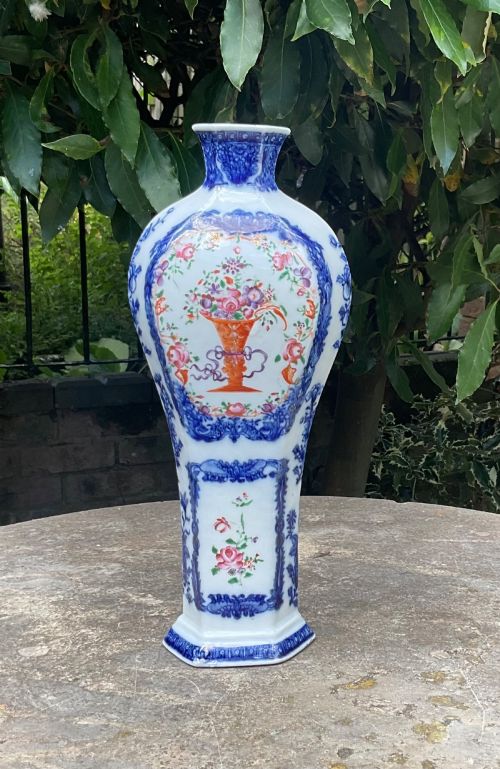
- Porcelain manufactured in China specifically for Western markets. These items combine traditional Eastern shapes with decorative themes suited to European tastes.
- Imari
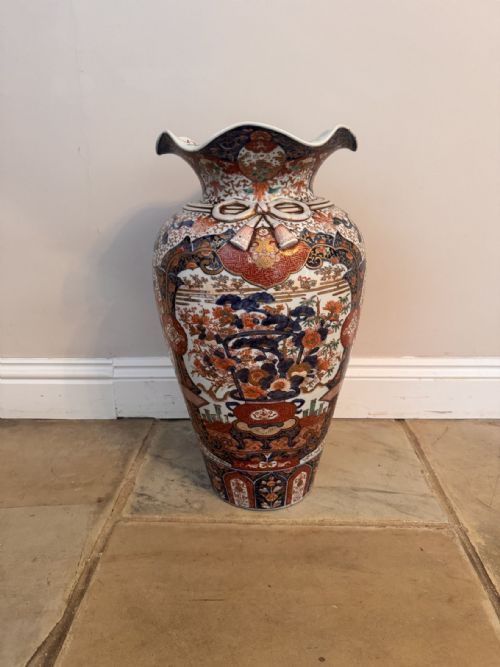
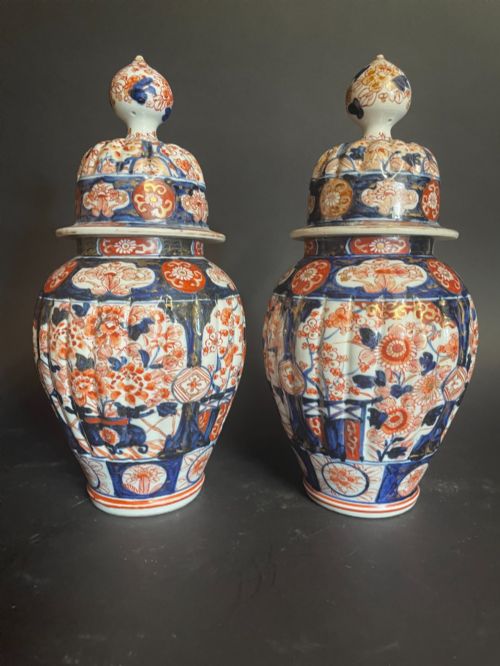
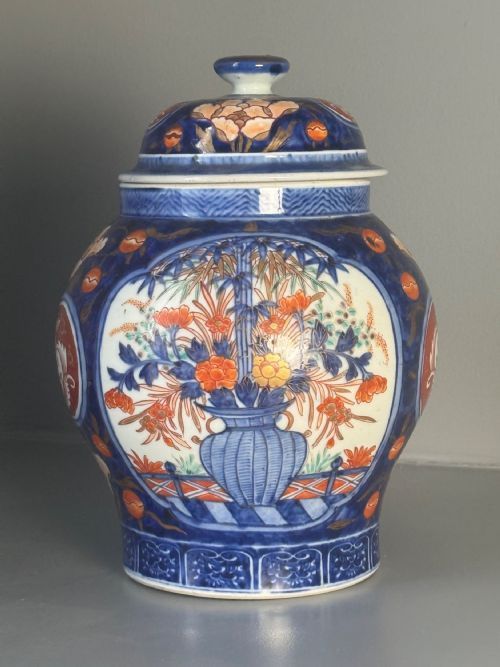
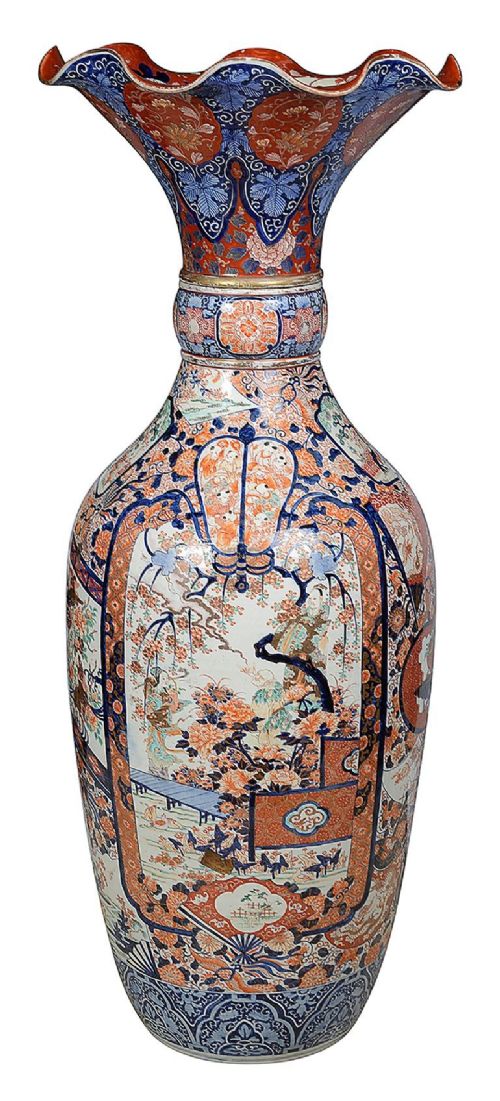
- A style of Japanese porcelain featuring underglaze blue and iron-red, often enriched with gold. Production centred on the port of Arita for domestic and export distribution.
- Biscuit Barrel
- A ceramic or porcelain container with a fitted lid, used on dining tables for dry biscuits. Victorian and Edwardian examples frequently paired porcelain bodies with metal mounts.
Blue Porcelain Jar: Frequently Asked Questions
How are these jars dated?
Dating relies on stylistic markers, factory marks, and the characteristics of the porcelain body and glaze. Nineteenth-century pieces often display distinct transfer-printing or hand-painted techniques that separate them from earlier periods.
Examining the foot ring and any associated makers' stamps provides further confirmation of the era of manufacture.
Were these jars meant for storage?
Many examples began as functional containers for tea, ginger, or dry foodstuffs. Over time, numerous pieces transitioned into purely decorative objects or were later adapted into table lamps.
The presence of a fitted lid usually indicates a container intended for dry goods or aromatics.
How do I style a jar at home?
These vessels suit placement on sideboards, mantelpieces, or tables where their cobalt decoration can contrast with surrounding furnishings. Lidded versions work well grouped in pairs or set individually as focal points.
Larger floor-standing examples function independently to fill empty corners or architectural voids.
What defines Japanese Imari style?
Imari wares combine underglaze cobalt blue with iron-red enamel and gold highlights. This palette creates a vibrant contrast across the porcelain surface.
The style developed in Arita during the Edo period and proved exceptionally popular in European export markets.