

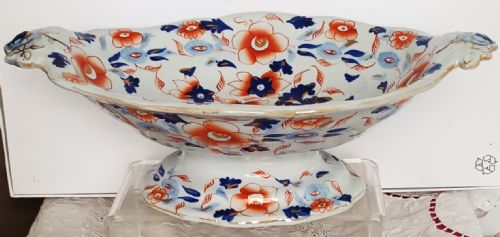
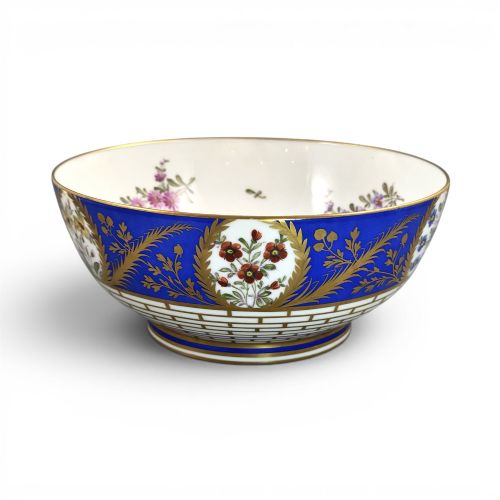
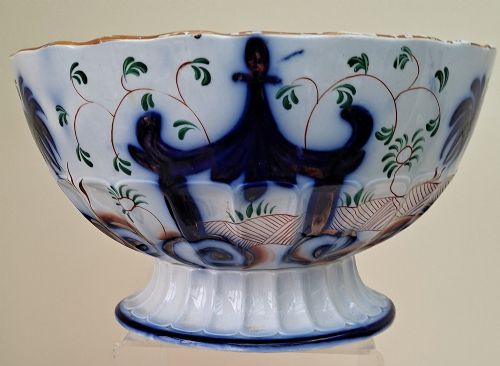


Blue Porcelain Footed Bowl
A blue porcelain footed bowl brings enduring colour and elevated form to a table, uniting centuries of ceramic artistry.
Blue Porcelain Footed Bowl
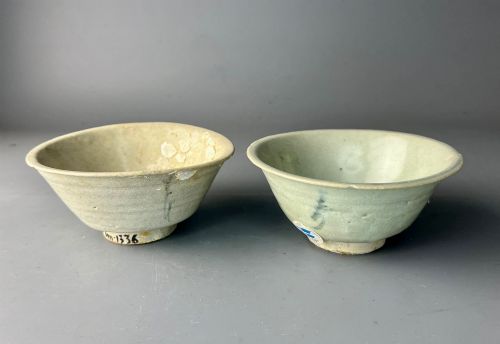
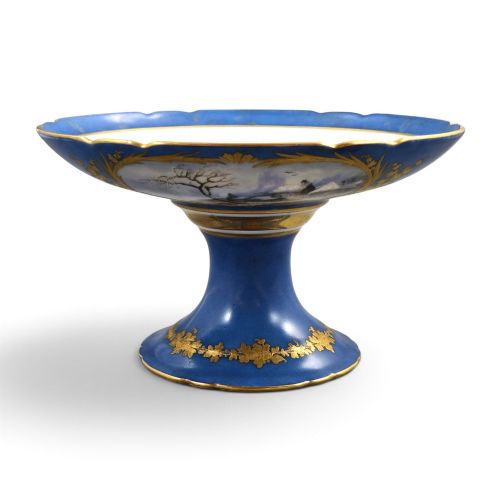
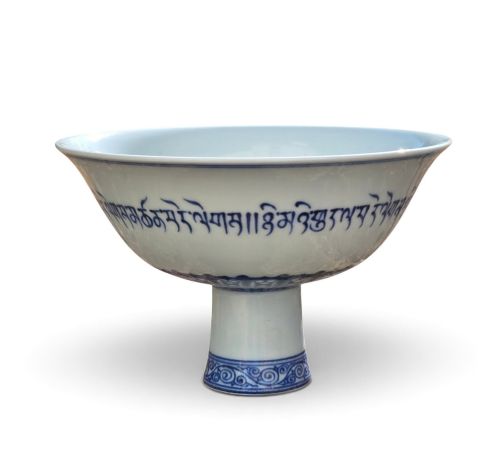
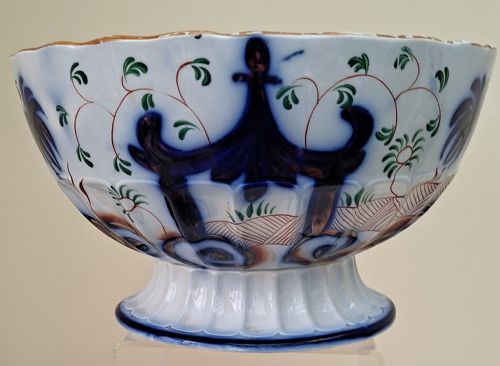
The blue porcelain footed bowl covers elevated ceramic vessels designed for display, service, or holding fruit, drawing on centuries of global production. Buyers searching this phrase encounter diverse forms ranging from traditional Chinese export cargo pieces to 19th-century English ironstone comports and intricate lustre wares.
The objects listed here span periods from the 17th century through the Victorian era to early 20th-century revivals. Forms include pedestal bowls, stem cups, comports, and tripod vessels, reflecting both utilitarian dining service and purely decorative display.
Origins vary widely across the selection, moving from Chinese Imperial and Kangxi periods through French Sèvres and Japanese Arita to English factories like Ridgway and Wedgwood. Each regional tradition imparts a distinct visual language to the blue porcelain footed bowl.
How they were made
Makers shaped fine clay bodies, primarily porcelain and ironstone, and applied cobalt underglaze pigments before firing at high temperatures. Many pieces then received secondary applications of enamel, gold leaf, and lustre glazes in subsequent low-temperature firings.
Specialised techniques defined specific traditions, such as the doucai style requiring precise overglaze enamel infill over underglaze blue outlines. Lustre wares relied on metallic salt films applied to glaze surfaces to produce iridescent optical effects.
Blue Porcelain Footed Bowl Retail Price Guide 2026
Typical asking prices for blue porcelain footed bowl among the pieces listed under this phrase on Sellingantiques today, from the lower quarter to the upper quarter. They describe what is for sale here now, not the wider market.
Listings feature porcelain, ironstone, and earthenware bodies decorated with cobalt underglaze, enamel, and metallic lustre glazes across multiple centuries.
What varies in quality
The sharpness and depth of the cobalt underglaze painting separate ordinary output from masterworks, alongside the precision of any secondary enamel or gilt detailing. Firing stability also dictates quality, as distortion or glaze pooling indicates lesser kiln control.
Artistic ambition shapes the upper tier of the range, visible in complex decorative schemes like Fairyland lustre or nuanced stylistic revivals rather than standard factory repetition.
Ridgway·Wedgwood·Sèvres·Samson Paris
The Blue Porcelain Footed Bowl Glossary
- Comport
- A large, elevated dish or bowl used historically for serving fruit or sweetmeats at the centre of a dining table. These vessels stand upon a distinct pedestal base.
- Cobalt Underglaze
- A blue pigment applied to ceramic bodies prior to glazing and high-temperature firing. This technique ensures the colour remains permanent and protected beneath a glossy vitreous layer.
- Doucai
- A Chinese porcelain decorating technique combining underglaze blue outlines with overglaze polychrome enamels. The term translates loosely as contrasting or fitted colours.
- Lustre Ware
- Pottery or porcelain featuring a metallic glaze that produces an iridescent, reflective surface sheen. Various metal oxides create distinct optical effects when fired in reduced oxygen atmospheres.
- Stem Cup
- A small drinking vessel or ritual cup raised on a tall, narrow foot rather than a flat base. This form has deep historical roots in Asian ceramic traditions.
Blue Porcelain Footed Bowl: Frequently Asked Questions
How were footed bowls used historically?
These elevated vessels served multiple roles in historic households, functioning primarily as centrepieces for displaying fruit, sweetmeats, or flowers during formal dining.
Smaller variants like stem cups served ritual or specialised drinking functions, while larger comports elevated courses to create visual hierarchy on a laid table.
How do I identify the period of a bowl?
Dating relies on combining stylistic evidence with paste characteristics, glaze texture, and any factory marks present on the base. Comparing motifs against known manufacturing periods helps narrow down the decade of production.
17th-century pieces often show specific cargo or imperial characteristics, whereas Victorian items frequently exhibit heavier ironstone bodies or distinct revivalist ornament.
Can I use these bowls for daily dining?
While these vessels are robust enough for careful handling, antique pieces with delicate enamel, gold leaf, or lustre glazes require gentle treatment. Hand washing is essential to preserve fragile overglaze decorations.
Modern practical use suits sturdier ironstone comports better than delicate porcelain stem cups or antique lustre wares.
What is the difference between porcelain and ironstone?
Porcelain is a vitrified ceramic material made from kaolin and petuntse, fired at high temperatures to achieve a translucent, non-porous body. It forms the basis of fine Asian and European decorative wares.
Ironstone is a heavy, durable earthenware developed in the 19th century to imitate porcelain while offering greater strength for practical service.