



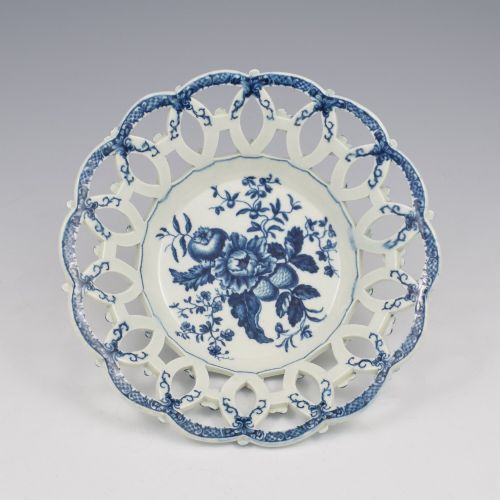

Antique Blue Fruit Bowl
An antique blue fruit bowl brings rich cobalt tones and heritage forms to a table, spanning centuries of porcelain, earthenware, and glass production.
Antique Blue Fruit Bowl
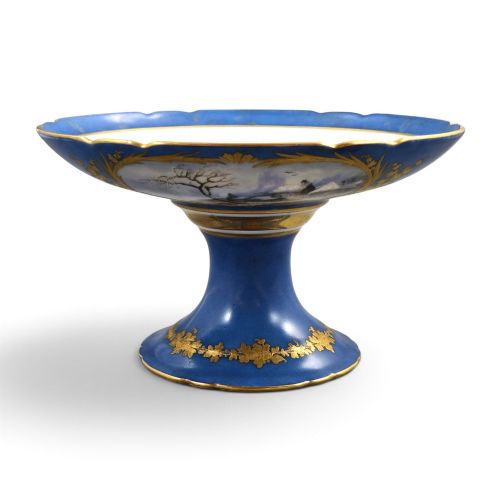
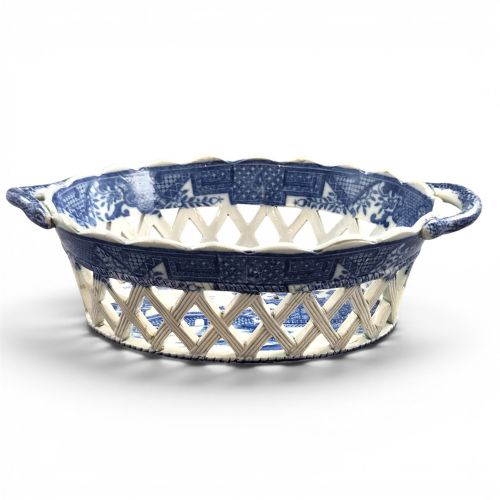
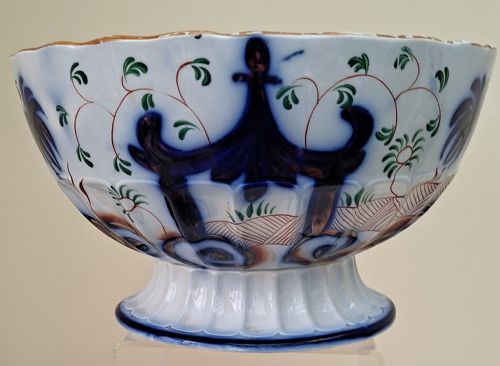
When you search for an antique blue fruit bowl, you encounter a varied selection of vessels designed to hold fruit or serve as decorative centrepieces on a dining table or sideboard. These range from substantial pedestal bowls and comports to reticulated chestnut baskets and footed pottery vessels.
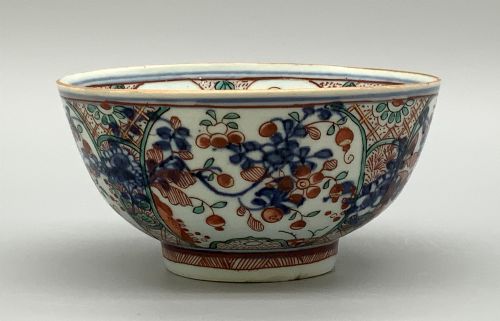
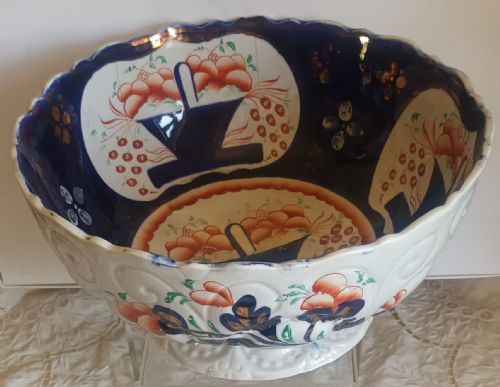
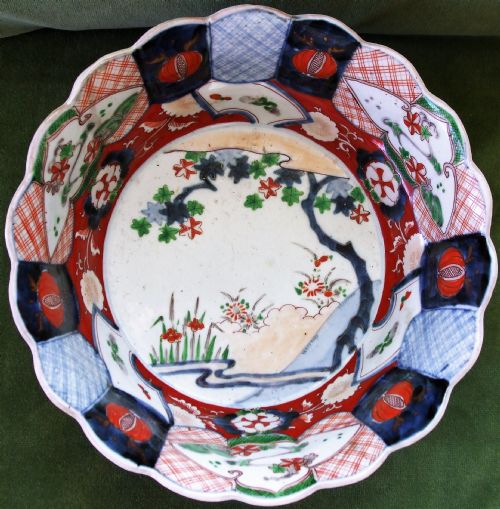
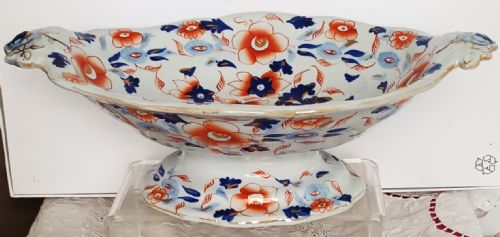
The pieces originating from English potteries, such as those featuring blue and white transfer printed patterns, sit alongside continental porcelain and earthenware. Japanese Imari examples with deep cobalt decoration also appear frequently among the listings.
Production dates stretch from the eighteenth century through the Victorian era and into the early twentieth century, taking in Georgian, Regency, and Art Deco styles. Each period brings its own characteristic weight and decorative vocabulary to the blue bowl form.
How they were made
Potters and ceramists shaped these vessels using clay bodies including porcelain, ironstone, and earthenware, often applying a white glaze before painting or transferring blue motifs by hand. Cobalt oxide provided the intense blue pigment, which withstood the high temperatures required for firing beneath a protective glaze.
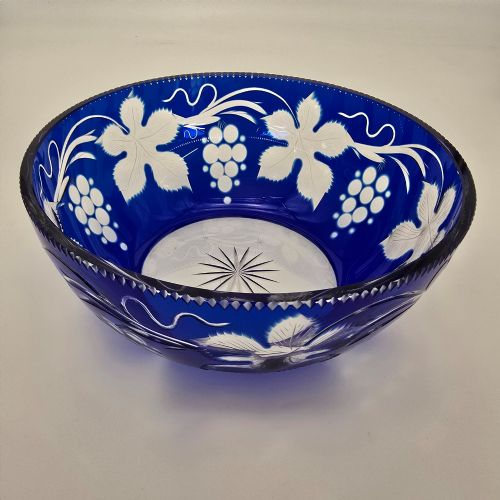
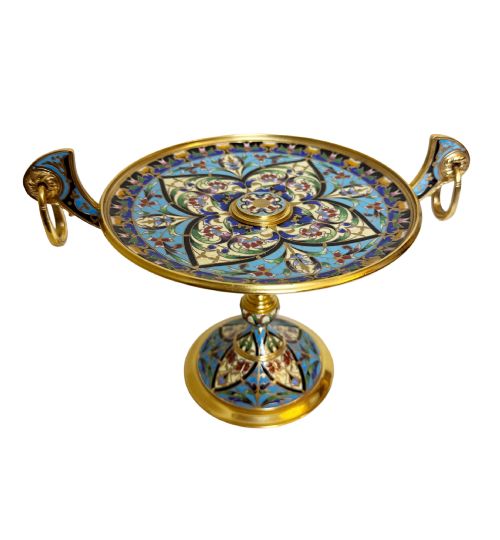
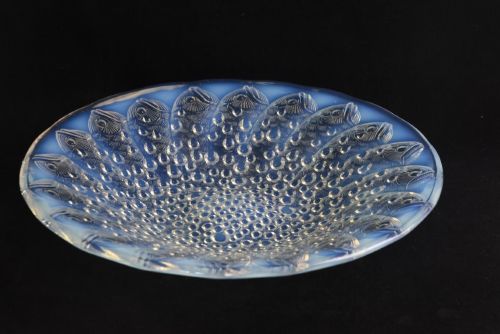
Glassmakers utilised blown and moulded techniques to create cobalt vessels, sometimes pairing the rich blue glass with gilt bronze mounts or silver frames. Metalworkers also worked in copper and enamel, setting cabochons into pedestal forms to achieve decorative contrast.
Antique Blue Fruit Bowl Retail Price Guide 2026
Typical asking prices for blue fruit bowl among the pieces listed under this phrase on Sellingantiques today, from the lower quarter to the upper quarter. They describe what is for sale here now, not the wider market.
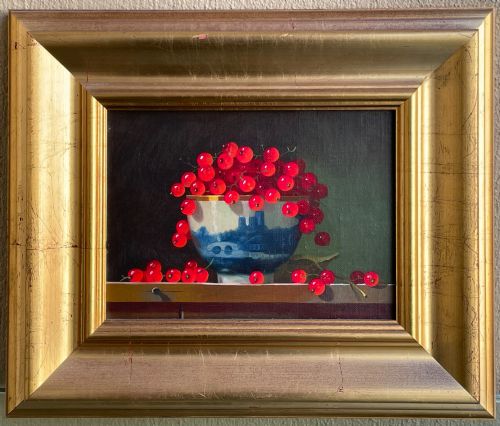
Several bowls feature sprawling pagodas and improbable bridges populated by industrious eighteenth-century imaginary tourists.
What varies in quality
The clarity and depth of the blue pigment set the finer vessels apart, particularly where hand-painted cobalt or detailed transfer printing shows crisp lines and rich tonal variation. Superior porcelain and ironstone exhibit a finer potting weight and more refined throwing or moulding.
Artistry in the painted or moulded decoration distinguishes standard utility wares from exhibition-standard centrepieces. The integration of mounts in gilt bronze or silver, alongside the precision of reticulated openwork on baskets, marks out the superior examples.
Minton·Spode·J. & R. Clews·J. & R. Riley·Doulton Burslem·Maling·R. Lalique·Loetz
The Antique Blue Fruit Bowl Glossary
- Imari
- A style of Japanese porcelain decorated in underglaze blue, iron red, and gilt, originating from the Arita area and widely exported.
- Comport
- A large shallow bowl raised on a high foot or pedestal, traditionally used for serving fruit or sweetmeats at dessert.
- Ironstone
- A type of durable earthenware patented in the nineteenth century, designed to offer a strong alternative to porcelain.
- Transfer printing
- A technique where an engraved copper plate transfers a blue pattern onto paper, which is then impressed onto the unglazed or bisque ceramic body.
- Reticulated
- Describes ceramic or basketwork featuring an open, pierced lattice design created by cutting out sections of the wall before firing.
Antique Blue Fruit Bowl: Frequently Asked Questions
How were antique blue fruit bowls used?
These vessels served primarily to display fresh fruit on dining tables or sideboards during the Georgian and Victorian periods.
Larger pedestal bowls and comports held heavy fruit displays, while specialised baskets were used for chestnuts or delicate sweetmeats.
What materials are these bowls made from?
The selection includes traditional ceramics such as porcelain, ironstone, and earthenware alongside cobalt glass.
Some examples also incorporate metal elements, including gilt bronze mounts, silver frames, and beaten copper set with enamel cabochons.
How do I identify a transfer printed bowl?
Transfer printed pieces display intricate patterns applied via engraved plates rather than direct freehand brushwork.
Examining the blue design under magnification often reveals the fine dot pattern or continuous lines characteristic of early transfer techniques.
What is the difference between a comport and a tazza?
A comport is typically a larger footed bowl designed specifically for holding fruit or sweet courses on the table.
A tazza is a smaller, shallow saucer-like dish raised on a single pedestal, often treated with greater decorative elaboration.