

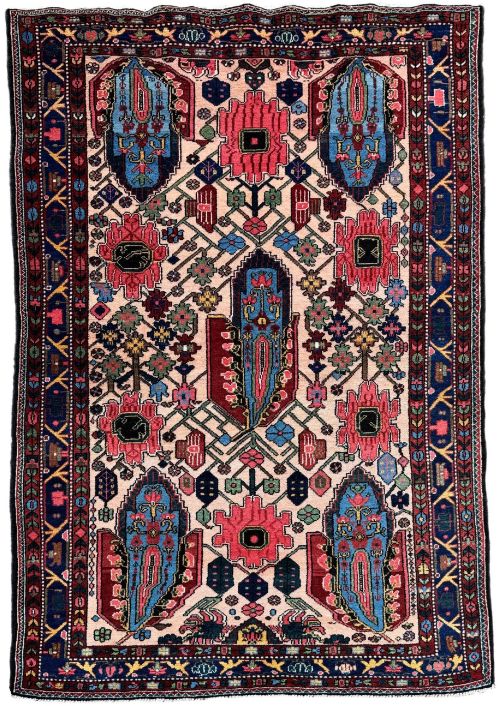
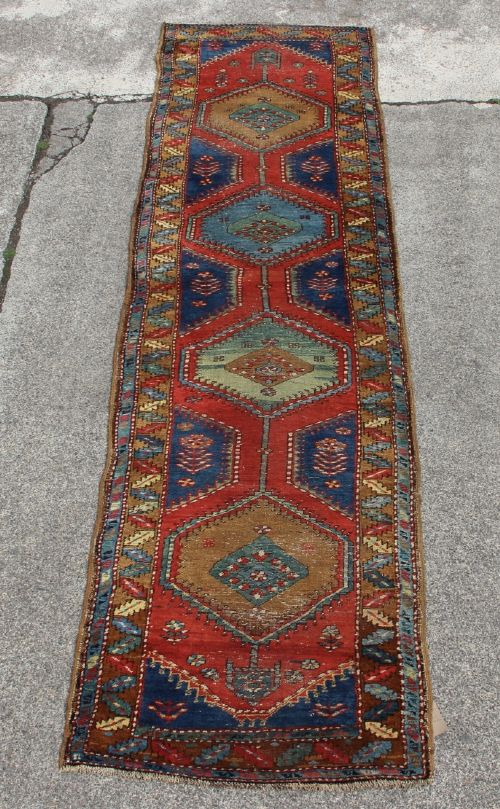
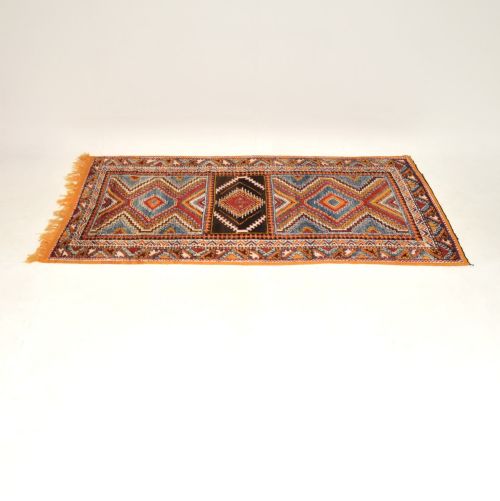
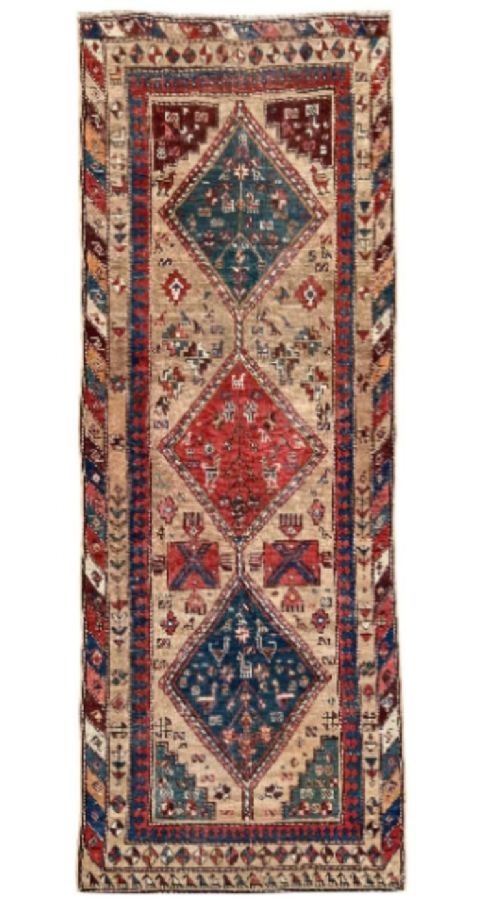
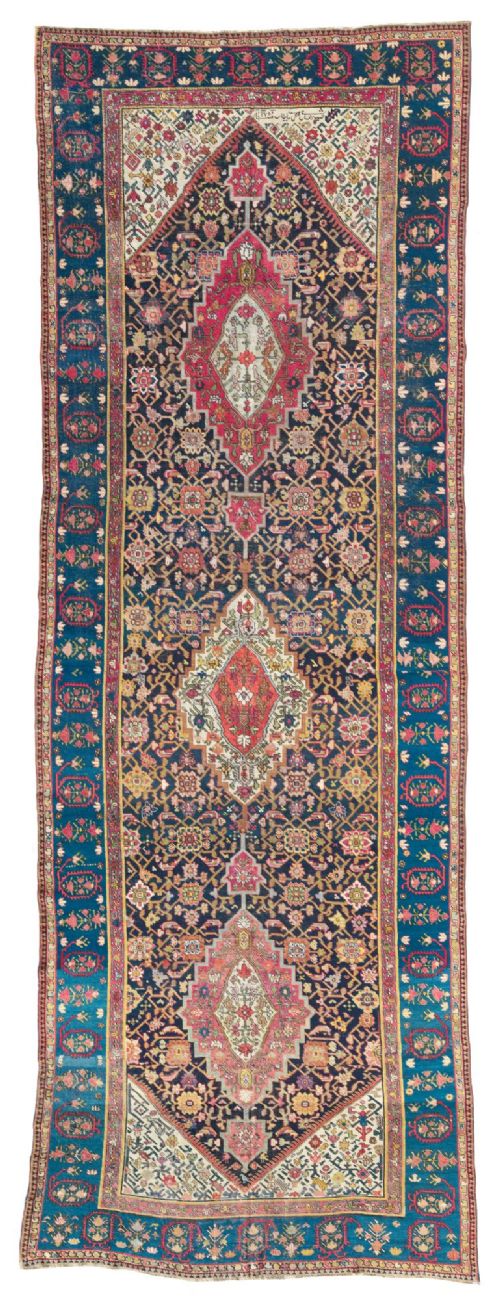
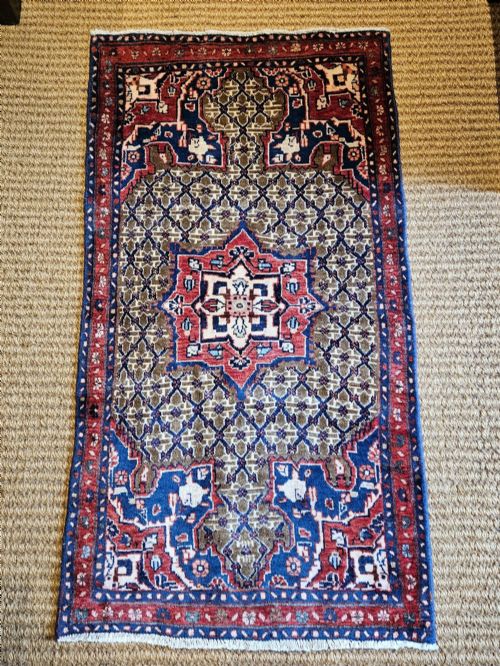
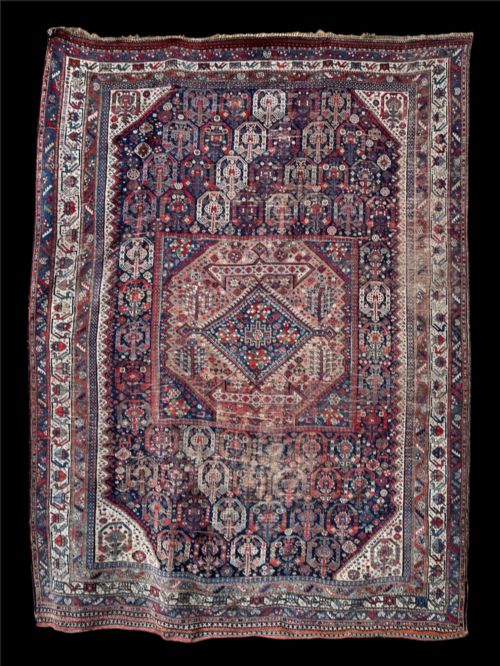
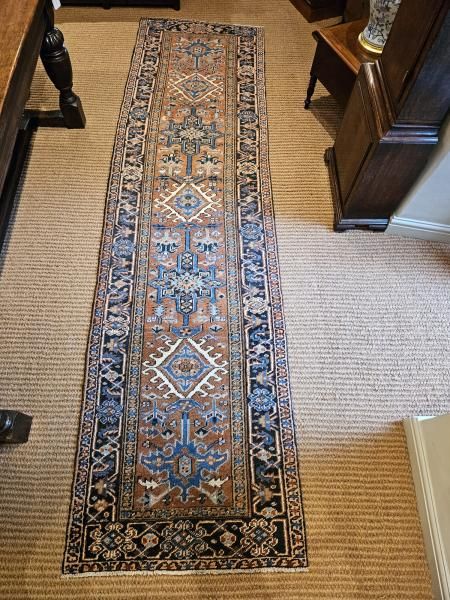
Blue Persian Runner
A blue persian runner brings depth and linear rhythm to a long hallway, offering durable wool construction and rich indigo tones.
Blue Persian Runner
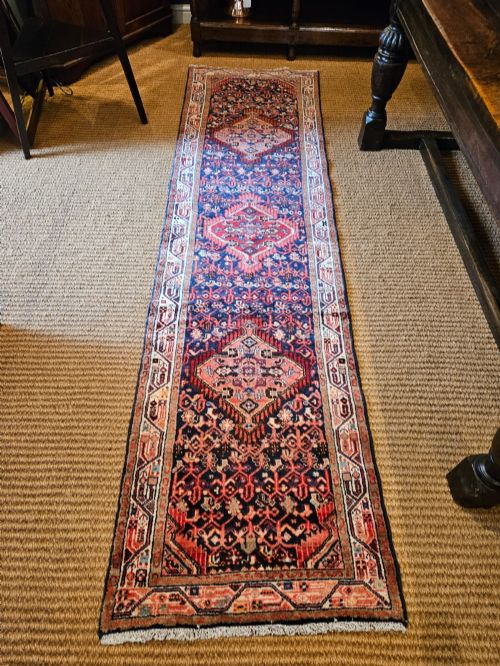
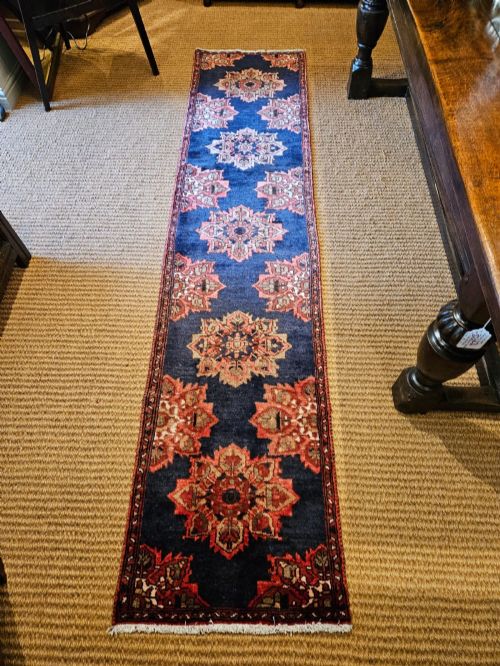
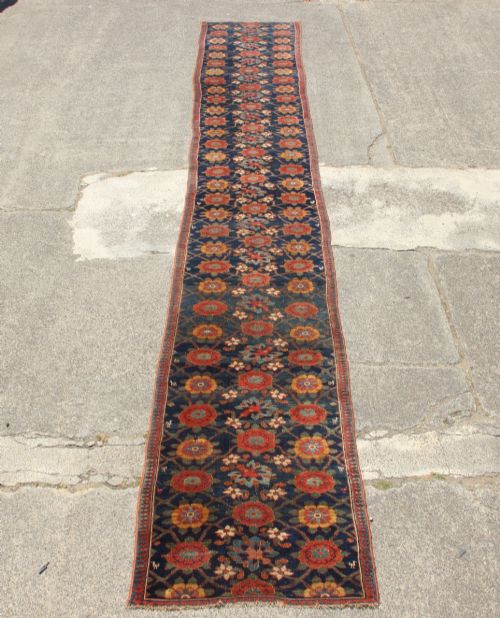
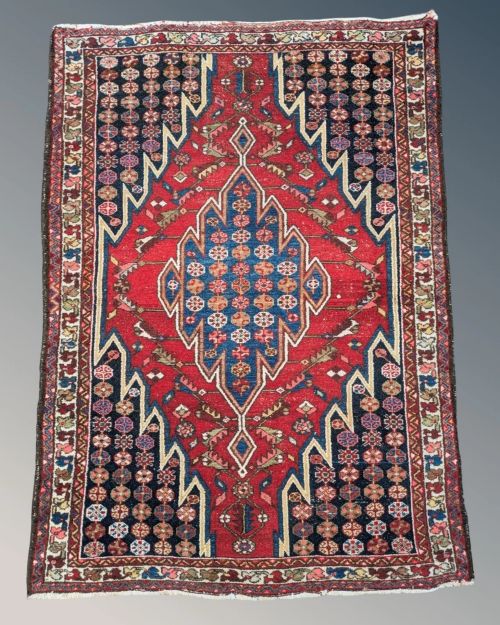
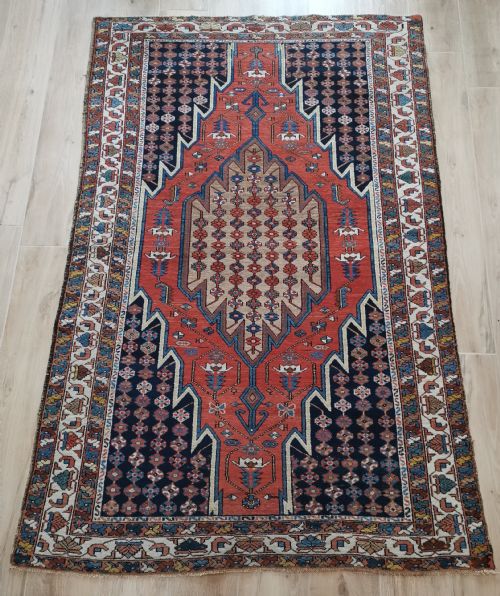
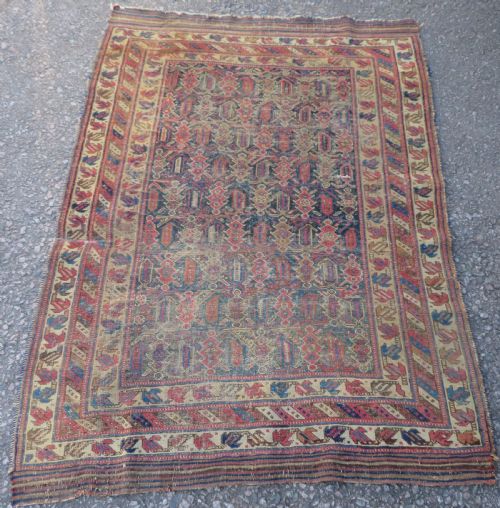
A blue persian runner provides an elongated format suited to corridors and galleries, drawing the eye along interior spaces with traditional tribal or regional patterns. When searching this phrase, buyers encounter hand-knotted textiles originating from village and nomadic workshops across nineteenth and early twentieth century Persia.
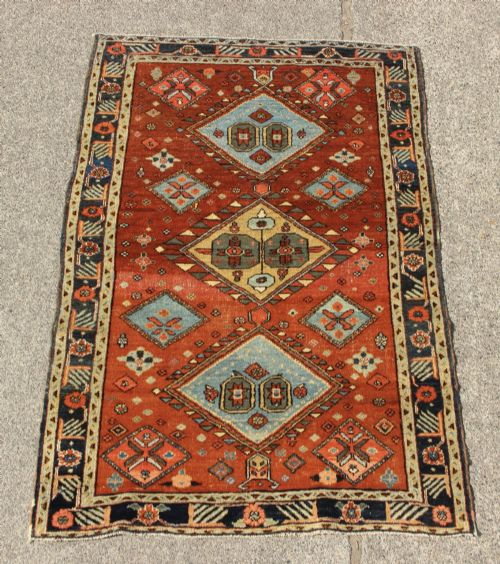
The pieces on this page span diverse weaving traditions including Kurdish, Bakshaish, Heriz, and Hamadan regions, often displaying indigo fields and geometric or medallion layouts. These long floor coverings serve both practical cushioning and strong decorative functions in traditional and contemporary settings.
Materials and Making
Makers utilised sturdy hand-spun wool for the pile and foundation yarns, providing resilience against heavy foot traffic in narrow spaces. Natural dyes yielded the characteristic deep blue and indigo grounds seen across these regional carpets.
Weavers knotted the wool pile onto cotton or wool warp and weft threads by hand, producing dense structures designed to endure decades of daily use.
Blue Persian Runner Retail Price Guide 2026
Typical asking prices for blue persian runner among the pieces listed under this phrase on Sellingantiques today, from the lower quarter to the upper quarter. They describe what is for sale here now, not the wider market.
Listings incorporate wool, cotton, and hand-spun wool materials spanning periods from the nineteenth century through the 1930s.
Evaluating Quality
Knot density and structural tightness dictate the longevity and definition of the pattern across the rug field. Finer knotting allows intricate geometric and floral motifs to remain sharp and distinct.
The depth and uniformity of natural dye saturation contribute significantly to the visual character of the piece. Skilful dyeing results in rich indigo variations that age gracefully over time.
The Blue Persian Runner Glossary
- Runner
- A long, narrow carpet format specifically proportioned for hallways, corridors, and stairs.
- Medallion
- A central ornamental design motif placed in the middle of the carpet field.
- Warp
- The vertical foundation threads stretched tightly on the loom before knotting begins.
- Weft
- The horizontal threads passed across the warp threads to secure the rows of knots in place.
- Pile
- The upright cut or looped wool surface forming the usable wear layer of the rug.
Blue Persian Runner: Frequently Asked Questions
Where should I place a runner?
These elongated carpets fit well in long entryways, narrow hallways, and corridors where foot traffic benefits from floor cushioning.
They also work effectively alongside kitchen islands or beside beds to add warmth underfoot.
How do I clean my rug?
Gentle regular vacuuming without a rotating brush helps remove embedded dust and grit from the wool pile.
Professional specialist cleaning remains recommended for deep washing to preserve the natural fibres and dyes.
Are these runners hand knotted?
The pieces recorded here are traditional hand-knotted textiles produced by village and nomadic weavers.
Individual knots tied by hand onto a wool or cotton foundation give each carpet its structural integrity.
How do I identify the period?
Stylistic markers, regional weaving structures, and natural dye palettes help distinguish nineteenth-century examples from later twentieth-century productions.
Materials such as hand-spun wool provide further indication of older manufacturing techniques.