


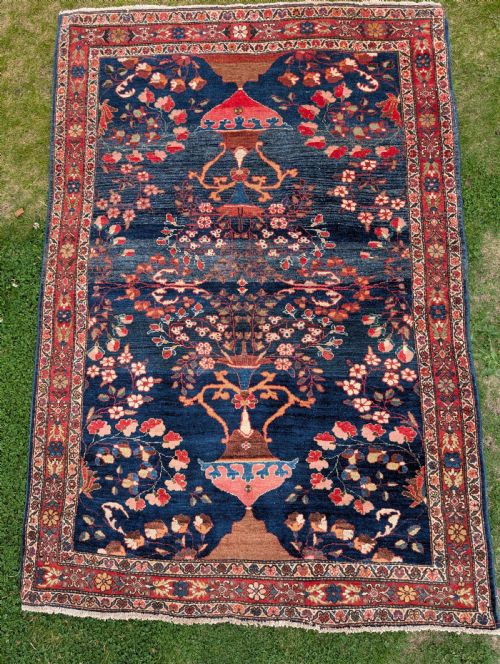
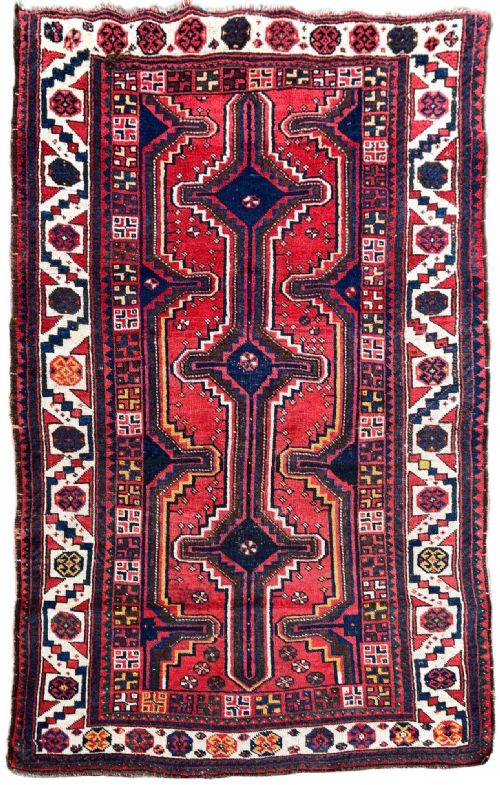
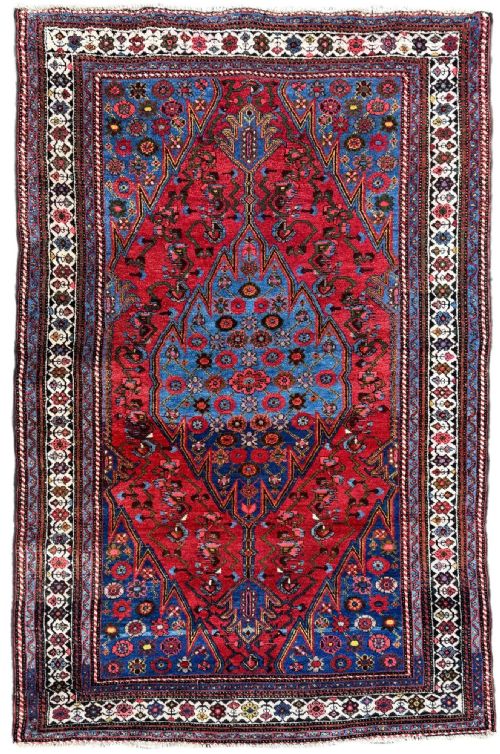
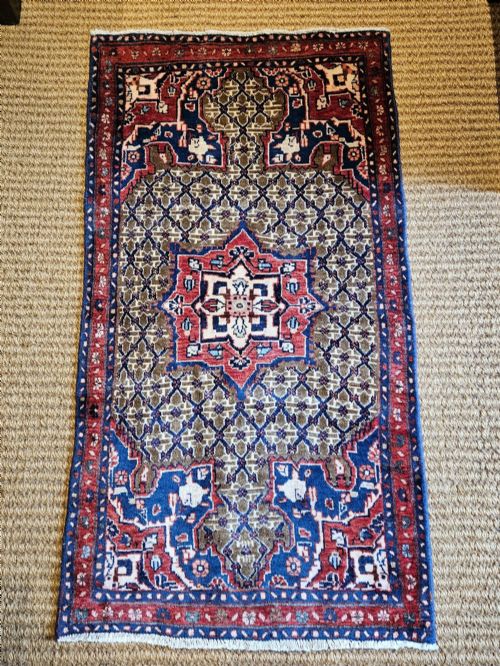
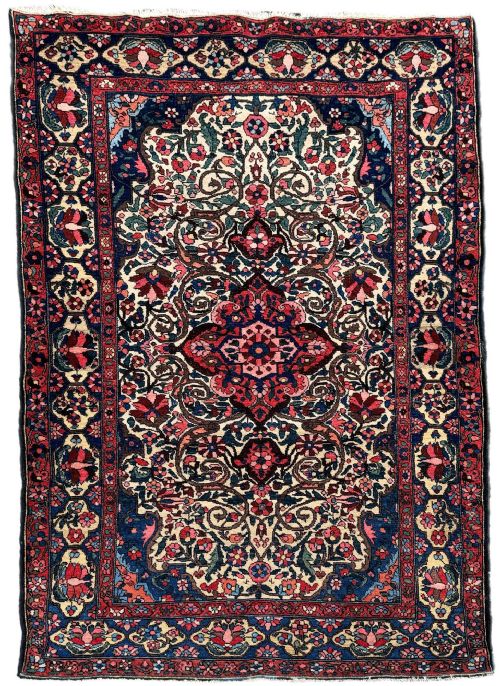
Blue Persian Area Rug
A blue persian area rug brings centuries of woven artistry, rich indigo dyes and enduring tribal character straight onto a wooden floor.
Blue Persian Area Rug
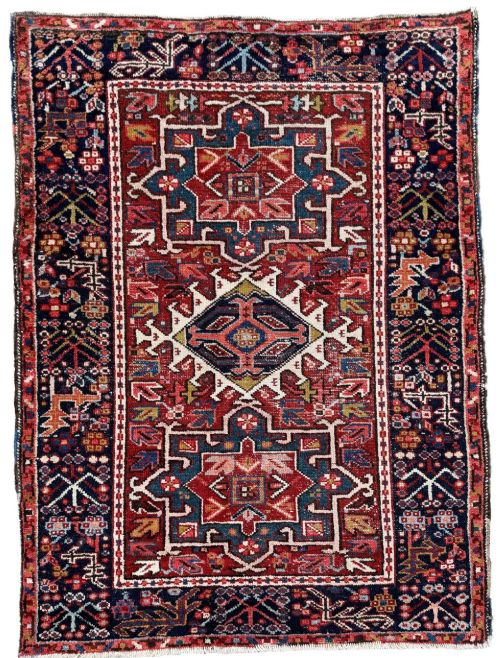
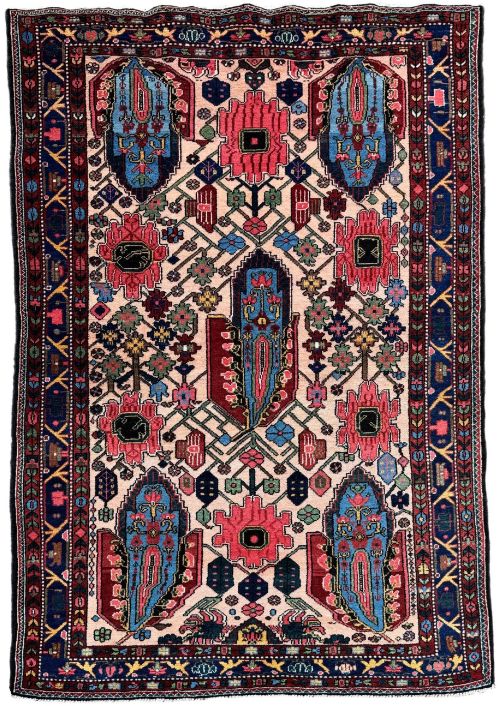
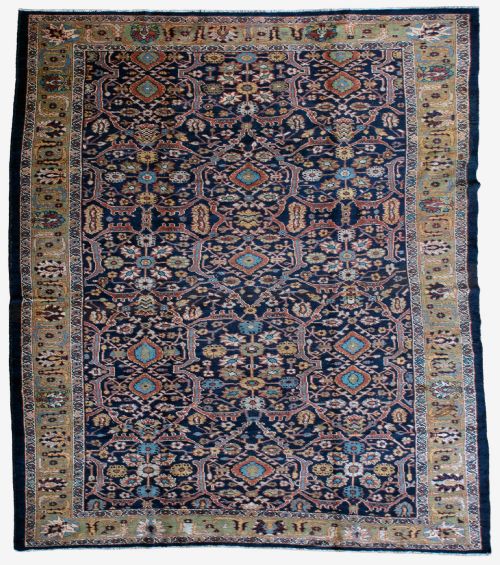
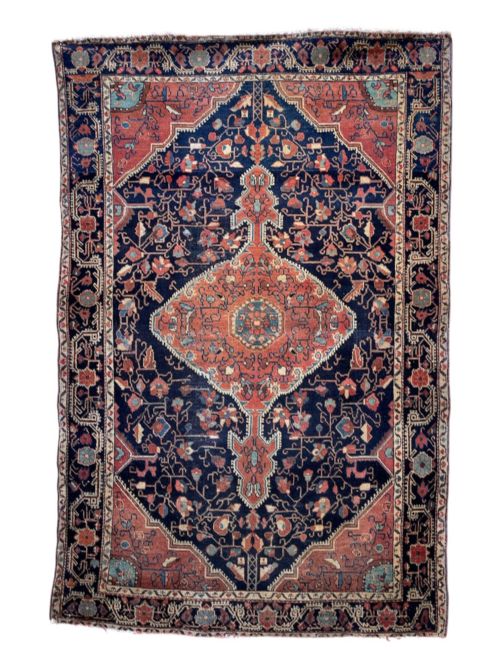
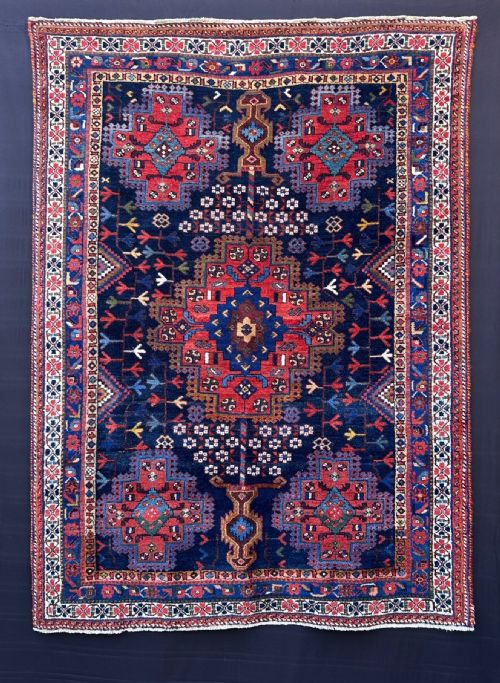
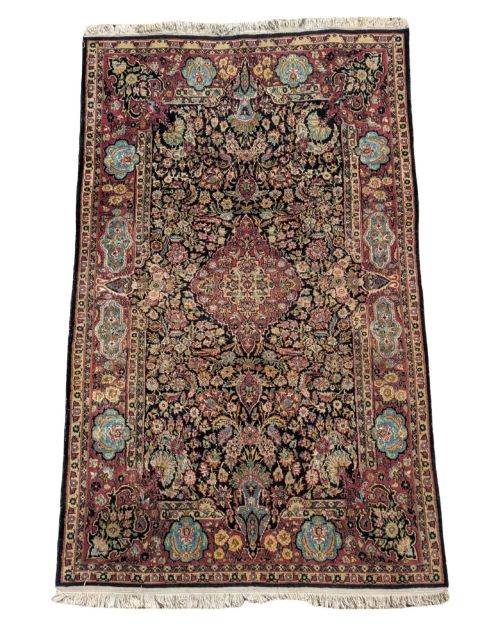
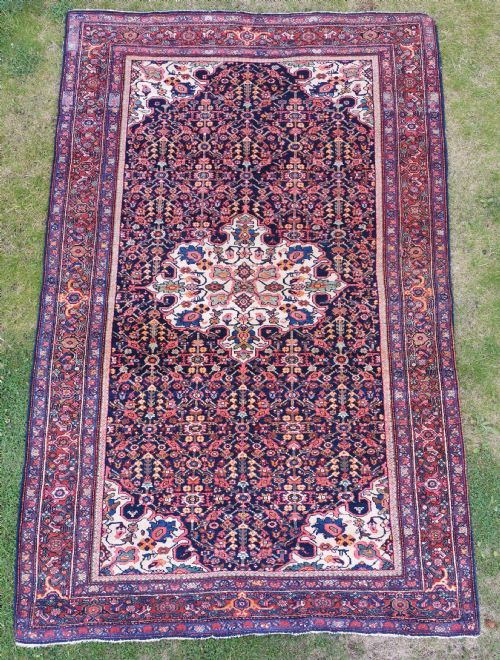
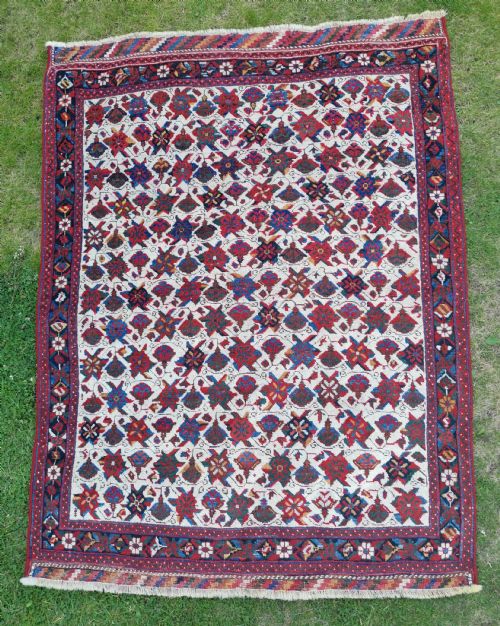
A blue persian area rug encompasses centuries-old woven floor coverings originating from various villages, towns and nomadic confederacies across Persia. These textiles span periods from the nineteenth century through to the mid-twentieth century, capturing diverse regional aesthetics.
Geometric medallions, repeating motifs and intricate floral fields define the visual landscape of these carpets. The palette relies heavily on rich indigo and softer sky blue tones set against contrasting grounds.
Materials and construction
Makers utilised durable wool and hand-spun wool for the pile, often supported by a sturdy cotton foundation. Selected examples incorporate silk highlights to accentuate specific details within the design.
Natural dyes provided the enduring colour schemes, yielding deep indigos and varied hues that mellow gracefully over decades of use.
Blue Persian Area Rug Retail Price Guide 2026
Typical asking prices for blue persian area rug among the pieces listed under this phrase on Sellingantiques today, from the lower quarter to the upper quarter. They describe what is for sale here now, not the wider market.
Listings feature wool, cotton and silk materials originating from nineteenth and twentieth-century Persian weaving traditions.
Distinctions in quality
The fineness of the knotting and the complexity of the geometric or floral layout dictate the standard of execution. Tighter construction yields crisper pattern definition and greater resilience underfoot.
The depth and consistency of the natural dyes, alongside the integrity of the wool, separate standard village weaving from exceptionally fine workshop production.
The Blue Persian Area Rug Glossary
- Medallion
- A central ornamental motif set in the middle of the carpet field. This design element anchors the symmetrical layout typical of many regional types.
- Pile
- The upright yarn loops that form the soft surface of the rug. It is sheared to an even height after knotting.
- Warp
- The vertical threads stretched tightly on the loom before weaving begins. The foundation yarns carry the entire structural weight of the piece.
- Weft
- The horizontal threads passed alternately over and under the warp threads between rows of knots. They stabilise the structural grid of the weaving.
- Natural Dyes
- Colourants derived from plants, insects and minerals rather than synthetic chemical sources. They produce subtle tonal variations known as abrage.
Blue Persian Area Rug: Frequently Asked Questions
How do I identify a tribal rug?
Tribal rugs typically display geometric patterns, asymmetrical village motifs and spontaneous colour choices woven by nomadic or semi-nomadic groups. These pieces reflect local traditions rather than strict urban workshop cartoons.
Makers used readily available materials like hand-spun wool and natural dyes, resulting in charming irregularities that distinguish them from formal city carpets.
Where should I place a large carpet?
Large carpets suit spacious living rooms, dining areas or entrance halls where the full field design remains visible. Positioning furniture partially on the rug helps anchor the seating arrangement.
Ensure adequate clearance around the edges to let the borders frame the floor space effectively.
How do I care for an older wool rug?
Regular gentle vacuuming without a rotating beater bar removes trapped grit from the wool pile. Professional cleaning by a specialist familiar with antique textiles preserves the natural fibres.
Keeping the piece out of direct, harsh sunlight prevents the natural indigo and accent dyes from fading prematurely.
What causes colour variation in the wool?
Natural dye batches varied according to plant harvests, water mineral content and mordant preparation methods. This inconsistency creates subtle shifts in tone across the field known as abrage.
Such tonal changes indicate traditional dyeing processes rather than a manufacturing flaw.