




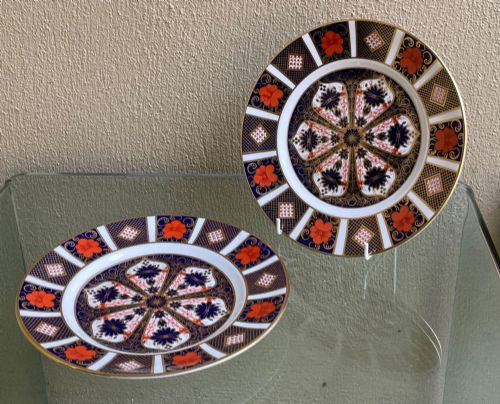
Blue Patterned Dish
A blue patterned dish brings centuries of ceramic artistry to your table, offering intricate cobalt designs across porcelain and ironstone.
Blue Patterned Dish
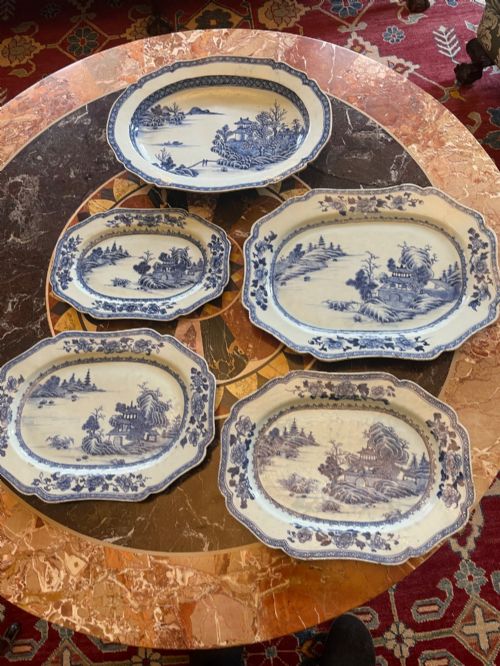
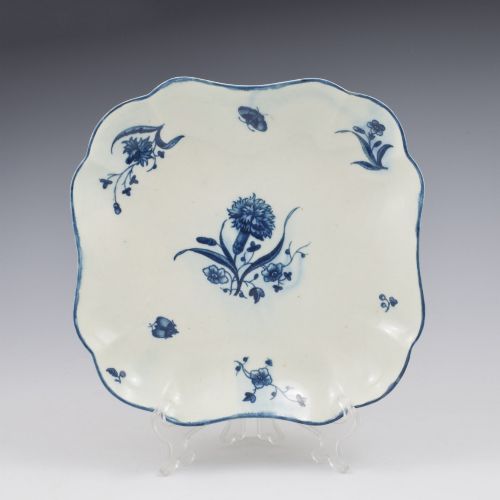
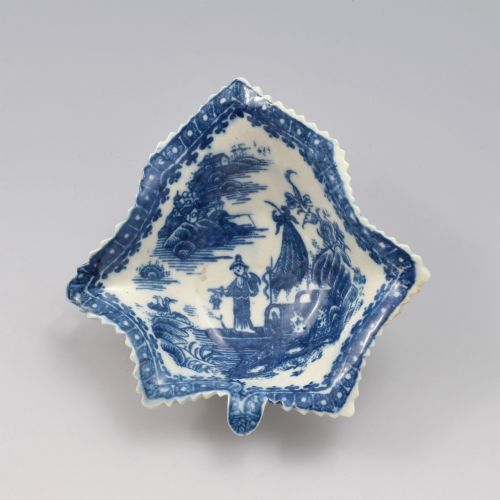
A blue patterned dish covers a vast array of tableware forms, from eighteenth-century porcelain dessert plates and pickle dishes to nineteenth-century ironstone platters and tureens. Buyers searching this phrase encounter everything from delicate English soft-paste porcelain painted with floral motifs to robust earthenware transferred with pastoral and exotic scenes.
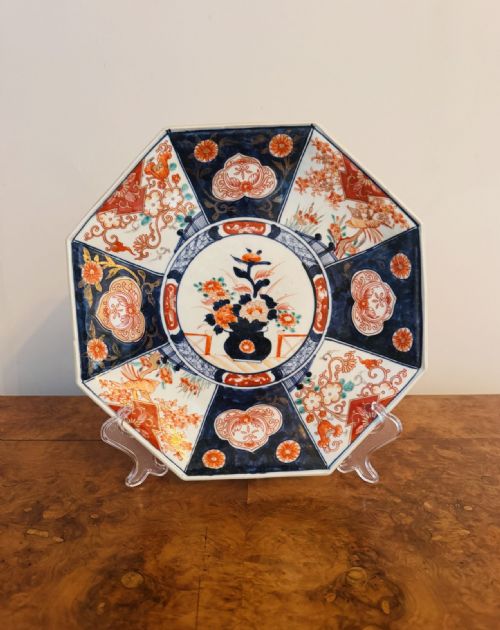
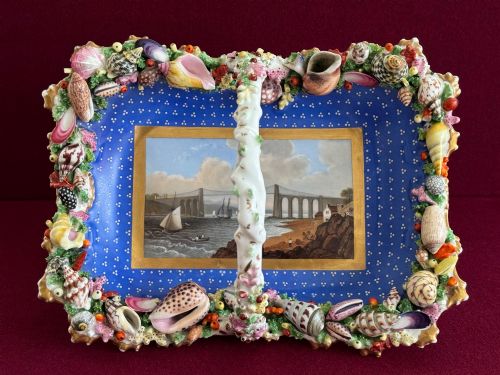
The selection ranges across several notable periods and geographic origins, including Georgian English factories, Victorian potteries, and Japanese Meiji period imports. Forms such as serving dishes, pedestal bowls, and octagonal plates dominate the selection, each carrying distinct blue decoration applied by hand or via early transfer printing.
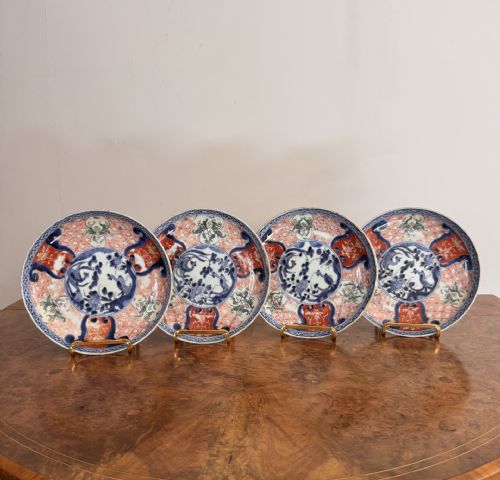
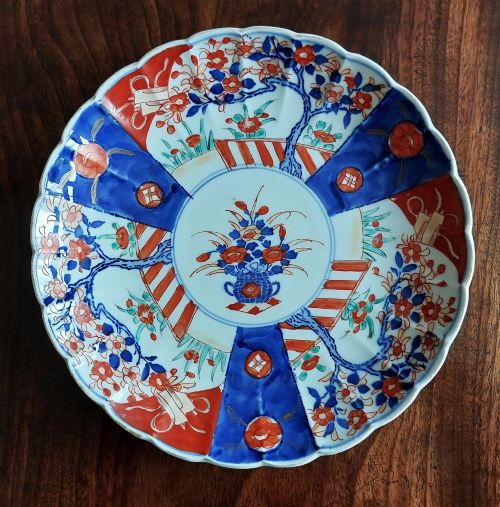
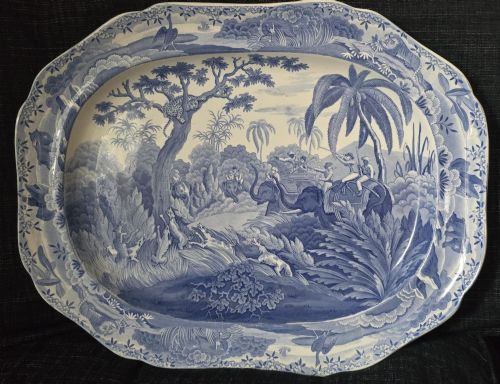
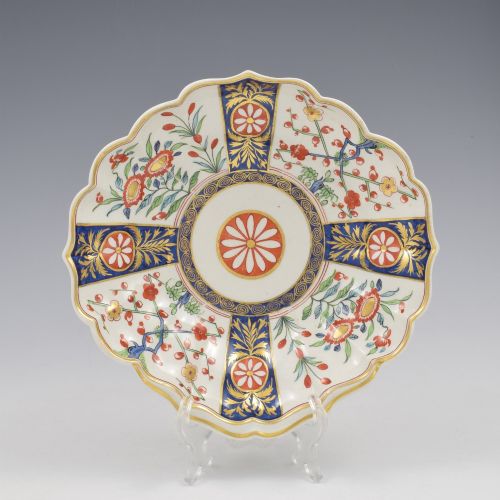
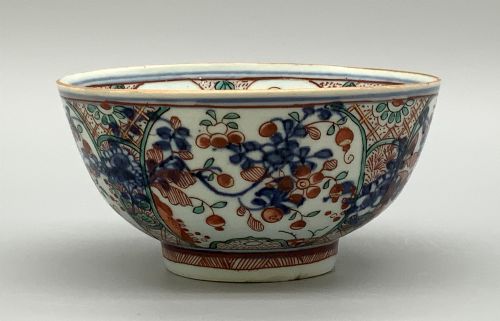
Many items display traditional styles like Imari, Chinoiserie, and blue and white transferware, capturing specific tastes from the 1700s through the early twentieth century. Whether you inspect a shell-shaped dessert dish or a large charger, each piece represents the enduring appeal of cobalt ornamentation on ceramic bodies.
Materials and production methods
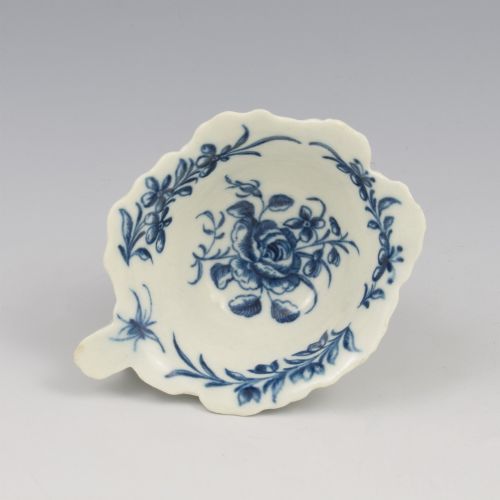
Potters utilised materials such as hard-paste porcelain, soft-paste porcelain, ironstone, and earthenware, applying cobalt oxide underglaze or coloured enamels to create the distinctive blue designs. Early English factories like Worcester and Bow developed specialised clay and glaze recipes that tolerated high kiln temperatures without distorting the hand-painted motifs.
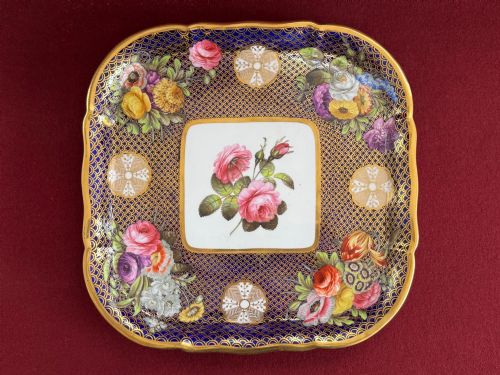
Transfer printing revolutionised production in the nineteenth century, allowing factories such as those run by John Rogers & Son and J. & R. Clews to apply complex landscape and animal patterns from copper plates onto pottery blanks. Gilding, gold leaf, and hand-colouring frequently augmented the blue underglaze, adding rich metallic highlights to plates and serving platters.
Blue Patterned Dish Retail Price Guide 2026
Typical asking prices for blue patterned dish among the pieces listed under this phrase on Sellingantiques today, from the lower quarter to the upper quarter. They describe what is for sale here now, not the wider market.
Listings include items manufactured in porcelain, ironstone, and earthenware, decorated with glaze, enamel, and gold leaf across the centuries.
Distinctions in quality and execution
Quality rests heavily upon the crispness of the blue pigment, the precision of the hand-painted brushwork or transfer application, and the purity of the underlying ceramic body. Superior examples exhibit deep, even cobalt tones without smudging, alongside sophisticated potting forms such as scalloped edges, pierced rims, or moulded relief details.
The reputation of the maker and the complexity of the pattern further elevate a piece within the range, distinguishing standard utilitarian wares from factory masterpieces designed for elite dining tables.
Minton·Spode·Royal Crown Derby·H & R Daniel·John Davenport of Longport·Mason
The Blue Patterned Dish Glossary
- Transferware
- Pottery decorated by applying a printed design from an engraved copper plate via tissue paper onto the ceramic surface before glazing and firing. This technique enabled factories to produce intricate pictorial scenes consistently across large services.
- Ironstone
- A durable heavy earthenware patented in the nineteenth century to imitate Chinese porcelain while offering superior resistance to chipping. It frequently forms the heavy platters, tureens, and footed comports found in this category.
- Imari
- A style of ceramic decoration originating in Japan and later copied by European factories, characterised by a palette of underglaze blue, iron red, and gilt. Pieces often feature complex panel designs containing floral and botanical motifs.
- Soft-paste porcelain
- An artificial porcelain composition fired at lower temperatures than hard-paste porcelain, common in eighteenth-century English factories such as Worcester, Bow, and Caughley. It possesses a warm, slightly translucent body that interacts distinctively with glazes.
- Comport
- A decorative footed dish or bowl elevated above the table surface, traditionally used for serving fruit or sweetmeats during dessert courses. These vessels often feature elaborate handles or moulded pedestals.
Blue Patterned Dish: Frequently Asked Questions
What periods do these dishes come from?
The selection spans multiple centuries, with items originating from the seventeenth, eighteenth, nineteenth, and early twentieth centuries. Georgian and Victorian examples appear frequently alongside Meiji period Japanese pieces.
Each period utilises distinct manufacturing techniques, from early soft-paste porcelain bodies to later ironstone compositions and transfer-printed earthenware.
Can I use antique serving dishes daily?
While many ironstone and sturdy earthenware dishes were built for heavy dining use, fragile eighteenth-century soft-paste porcelain requires careful handling. Hand washing is essential to preserve the delicate glazes, enamel colours, and any gold leaf detailing.
Consider displaying delicate platters and bowls on stands or using them sparingly for dry foods to protect their historic surfaces.
What is the difference between Imari and blue and white?
Blue and white pieces rely exclusively on cobalt blue pigment under the glaze, often depicting landscapes, floral arrangements, or architectural scenes. Imari incorporates a richer palette that combines underglaze blue with iron red enamel and gold leaf.
Imari patterns often feature dense geometric and floral panels inspired by Japanese export wares.