
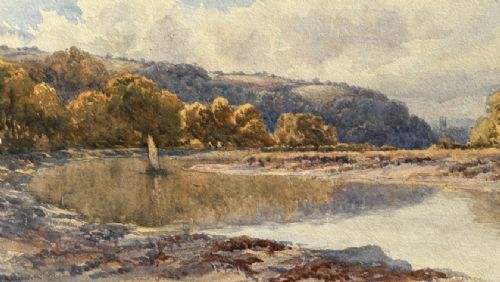

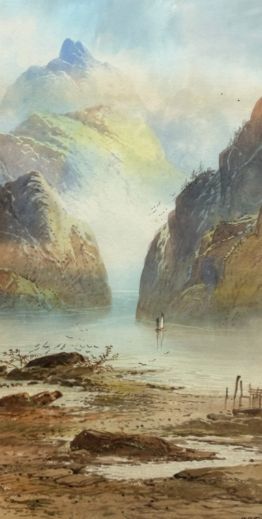
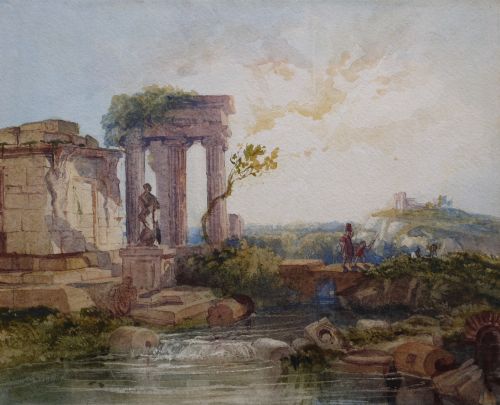

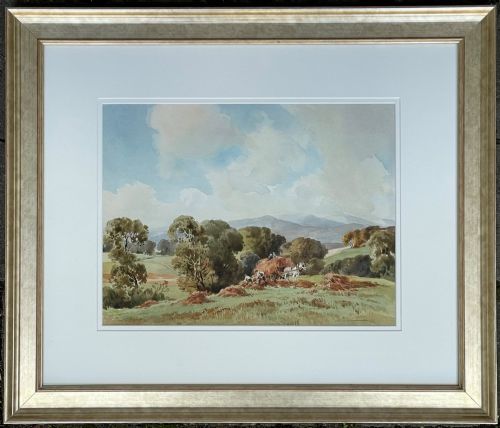
Blue Paper Landscape Art
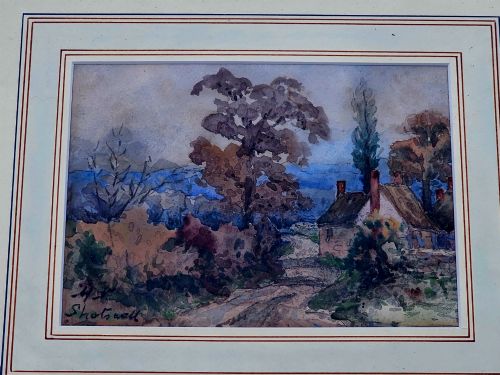
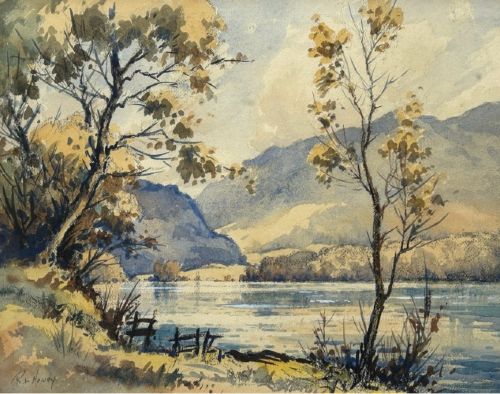
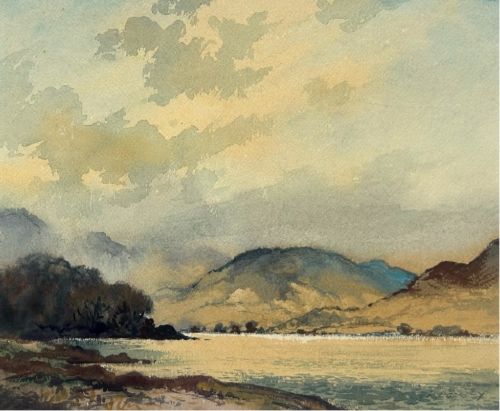
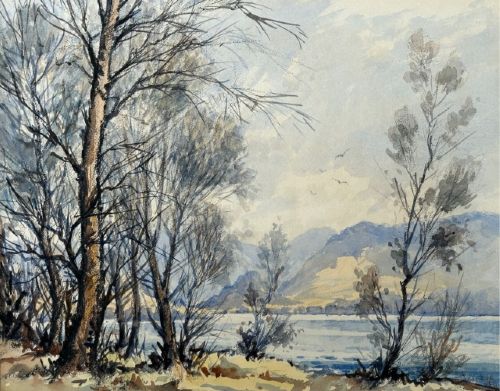
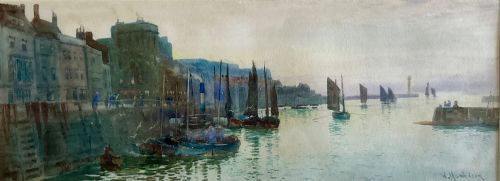
Blue paper landscape art captures atmospheric British and European scenes through watercolours and ink upon tinted grounds.
Blue Paper Landscape Art
When you search for blue paper landscape art, you find works executed on tinted or grey-blue supports that add an inherent atmospheric depth to the composition.
The selections here span the nineteenth and twentieth centuries, featuring British Impressionist, Victorian, and Edwardian watercolours alongside occasional prints.
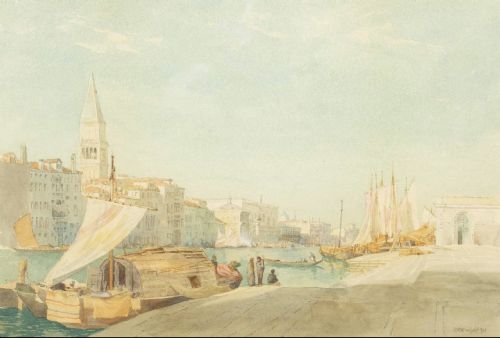
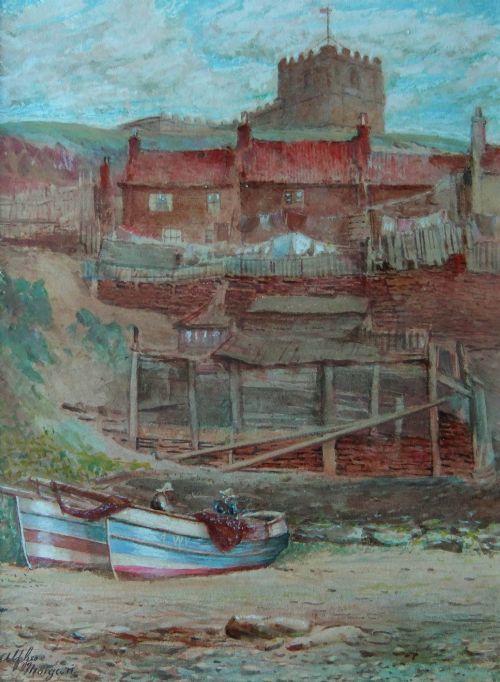
Most pieces portray coastal views, river valleys, and rural countryside created through watercolour pigment and ink.
Materials and Techniques
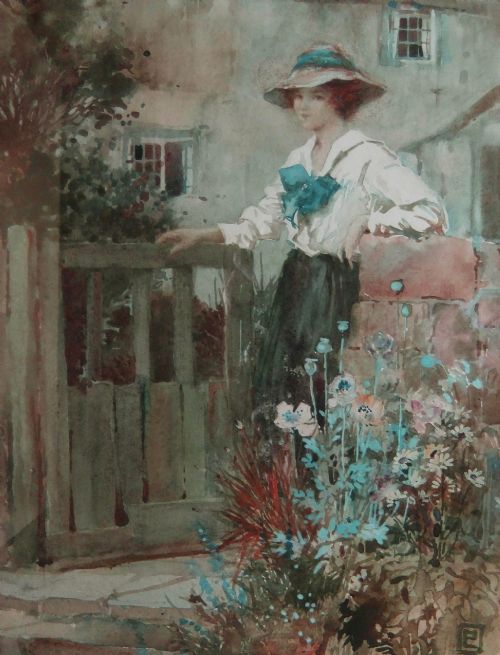
Artists utilise watercolour pigment and ink applied directly onto tinted paper sheets, letting the visible tone of the ground act as mid-tones and highlights.
Paper provides the primary fibrous support, frequently framed beneath protective glass alongside wooden surrounds.
The listings show works spanning the nineteenth century through the mid-twentieth century, executed in watercolour, ink, and pastel upon paper.
Assessing Quality
Quality rests upon the sureness of the brushwork and the artist's ability to use the coloured paper ground to unify light and shadow within the scene.
Stronger examples display confident handling of pigment and ink, preserving the freshness of the primary sketch rather than overworking the surface.
James Orrock·William Henry Earp·Percy Lancaster·Robert Leslie Howey·Thomas Bush Hardy
The Blue Paper Landscape Art Glossary
- Watercolour paint
- A water-soluble medium composed of pigment and binder that produces translucent washes.
- Woodblock print
- An image transferred by carving a design into wood, inking the raised surface, and pressing it onto paper.
- Tinted paper
- A coloured or grey-blue fibrous sheet used as the base medium instead of plain white stock.
Blue Paper Landscape Art: Frequently Asked Questions
What is blue paper landscape art?
These works are paintings and prints executed on tinted blue or grey paper supports rather than standard white sheets. The coloured ground contributes directly to the overall tone of the landscape.
Such pieces range from Victorian coastal scenes to mid-twentieth-century lake views by various British artists.
How should these watercolours be framed?
Works on paper require conservation mounting beneath glass to protect the delicate pigments and tinted ground from moisture and direct sunlight. Acid-free materials prevent discolouration of the paper over time.
Proper framing preserves the integrity of both the watercolour paint and the underlying paper support.
How do I identify the period?
Dating relies upon stylistic markers such as Victorian realism, Edwardian pastoral themes, or mid-century impressionism, alongside signatures and framing materials. Signatures and exhibition labels often provide further verification.
Examining the paper texture and pigment style helps distinguish nineteenth-century works from later twentieth-century examples.
Were these works made outdoors?
Many watercolours began as plein air field sketches capturing transient light and weather conditions before being finished in the studio. Artists favoured portable paper sheets for recording coastal and rural views.
The tinted paper surface allowed painters to quickly establish atmospheric tones while working on location.