




Blue Painted Linen Cupboard
A blue painted linen cupboard brings functional storage and regional character to a room, drawing the eye with its hand-finished surface.
Blue Painted Linen Cupboard
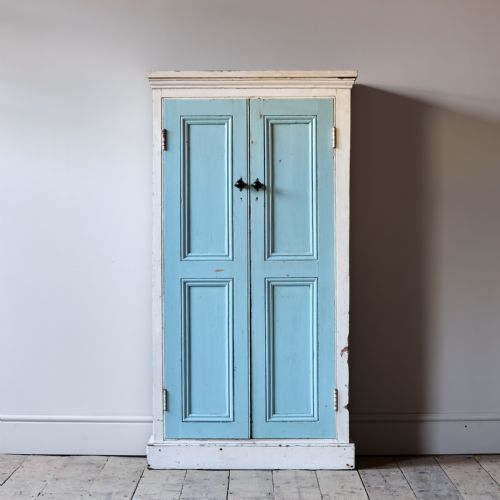
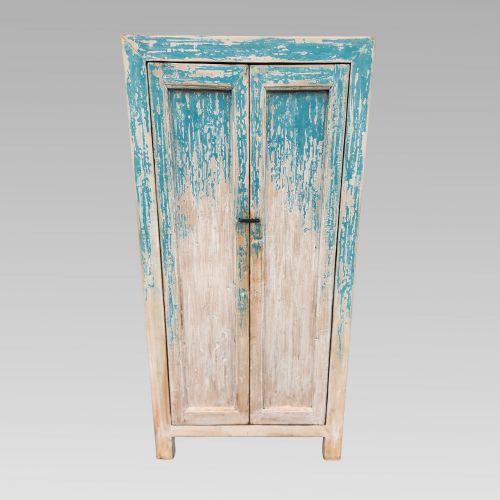
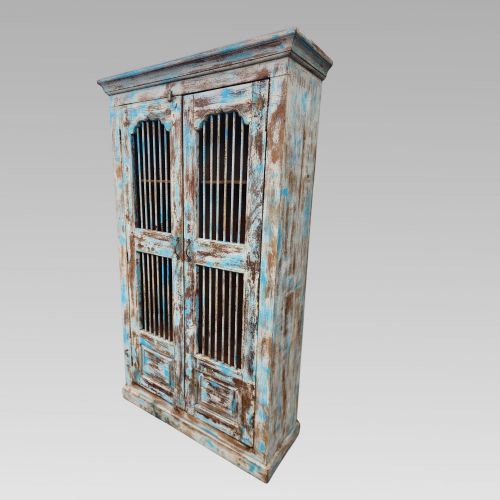
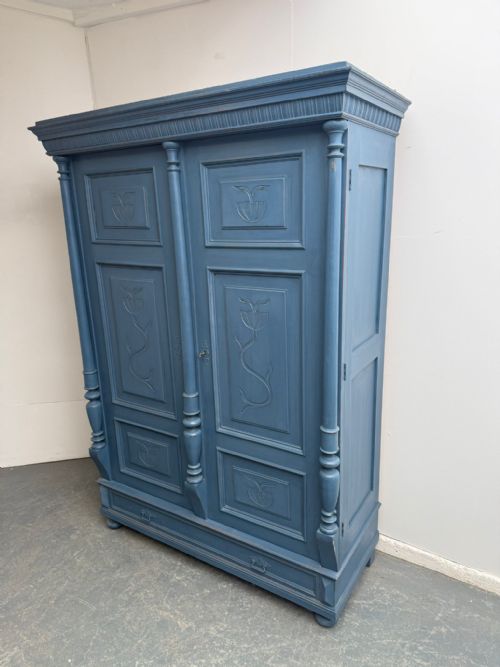
When searching for a blue painted linen cupboard, buyers encounter substantial storage pieces originating from various European and domestic traditions, predominantly spanning the eighteenth and nineteenth centuries. These items range from Scandinavian folk art cabinets and Swedish two-door cupboards to English and Welsh housekeepers' cupboards, alongside provincial pieces from France, Hungary, and India.
The form encompasses tall double-door wardrobes, cupboards on stands, and larger presses designed originally for domestic linens and household storage. Pine serves as the primary structural wood, frequently coated in historical or later blue paint finishes that define their aesthetic appeal within country and provincial interiors.
How they were made
Carpenters constructed these cupboards using native softwoods and hardwoods, predominantly pine, cedar, and teak, assembling frames with traditional joinery methods suited to utilitarian furniture. Iron and brass hardware, including hinges, latches, and escutcheons, secure the doors and drawers while providing functional detail.
Surfaces received layers of paint, often in blue pigments ranging from soft grey-blues to vibrant hues, applied over wood to protect the material and decorate the piece. Many examples display hand-painted folk motifs or distressed patination acquired through decades of domestic use.
Blue Painted Linen Cupboard Retail Price Guide 2026
Typical asking prices for blue painted linen cupboard among the pieces listed under this phrase on Sellingantiques today, from the lower quarter to the upper quarter. They describe what is for sale here now, not the wider market.
The inventory includes specialised forms such as housekeepers cupboards, linen presses, and marriage armoires originating from regions across Europe and India.
What varies in quality
The integrity of the original timber construction and the preservation of authentic surface paint largely distinguish the standard of these cupboards. Pieces retaining their early or original blue painted finishes hold greater stylistic interest than those with modern, uncharacteristic repainting.
Proportion and regional detailing also separate standard utilitarian items from finer folk art examples. Well-executed vernacular mouldings, intact original ironwork, and structurally sound frames indicate superior craftsmanship within provincial traditions.
The Blue Painted Linen Cupboard Glossary
- Linen cupboard
- A tall storage piece designed specifically for household textiles, sheets, and garments. These cabinets typically feature internal shelving or hanging space behind one or two doors.
- Gustavian
- The Swedish neoclassical style spanning the late eighteenth and early nineteenth centuries. It is characterised by restrained classical proportions and pale painted finishes.
- Cupboard on stand
- A cabinet form raised upon a separate base with legs or a plinth. This elevated design lightens the visual weight of heavy storage furniture.
- Armoire
- A large wardrobe or cupboard with doors enclosing a space for hanging clothes or shelves. Continental European examples often feature substantial cornices and double doors.
- Escutcheon
- A protective plate surrounding a keyhole. These metal fittings add decorative accent to the cupboard doors and prevent wear around the lock.
Blue Painted Linen Cupboard: Frequently Asked Questions
What is a blue painted linen cupboard?
A blue painted linen cupboard is a storage cabinet historically used for household textiles, finished with a blue painted surface. These pieces originate from various regional traditions, including Scandinavian, British, and continental European workshops.
Such cabinets range from simple country pine cupboards to more decorative folk art wardrobes. Their blue painted exteriors provide a distinct decorative focal point for modern interiors.
How were linen cupboards used historically?
Historically, these cupboards stored household linens, bedding, and garments before built-in closets became standard in domestic architecture. They kept textiles clean and organised within bedrooms, hallways, and domestic service rooms.
Housekeepers and families relied on their deep shelves and hanging spaces for everyday storage. Their robust construction ensured they could withstand heavy daily use in busy households.
How do I style a blue painted cupboard at home?
A blue painted cupboard works well as a standalone storage piece in a bedroom, hallway, or living area. Its interior shelving accommodates folded clothes, books, or tableware depending on the room's function.
Allowing the painted surface and patination to remain visible creates a focal point against neutral walls. The surrounding decor can complement the specific shade of blue, whether soft grey-blue or a deeper regional tone.
How can I tell the period of a painted cupboard?
Dating a painted cupboard involves examining the timber construction, tool marks, and hardware. Eighteenth and nineteenth-century pieces often display hand-sawn boards, pegged joints, and forged iron hinges.
The paint layers themselves offer clues, as early mineral pigments and traditional binders weather differently than modern synthetic paints. Stylistic details like Gustavian fluting or rustic folk motifs also point to specific regional eras.