
Distressed Paint Cabinet
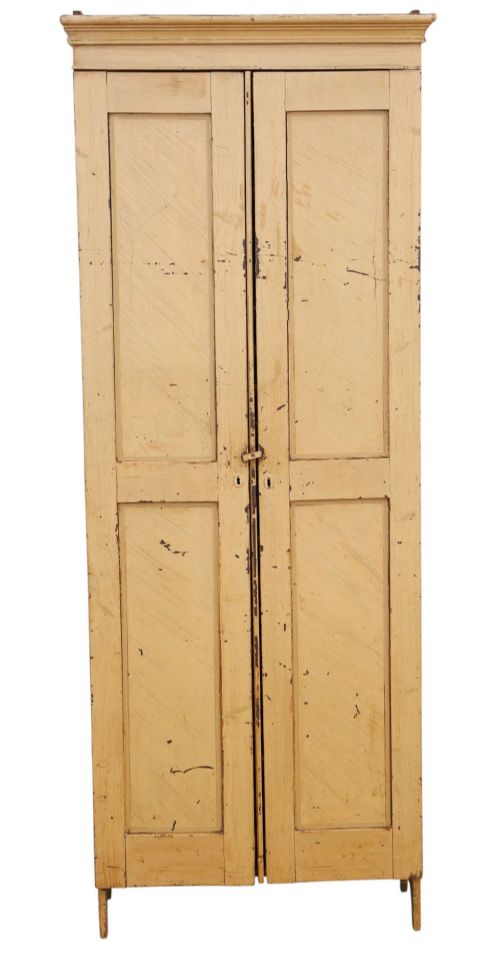
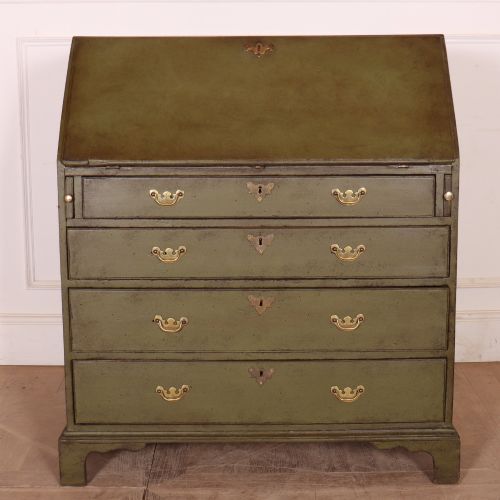
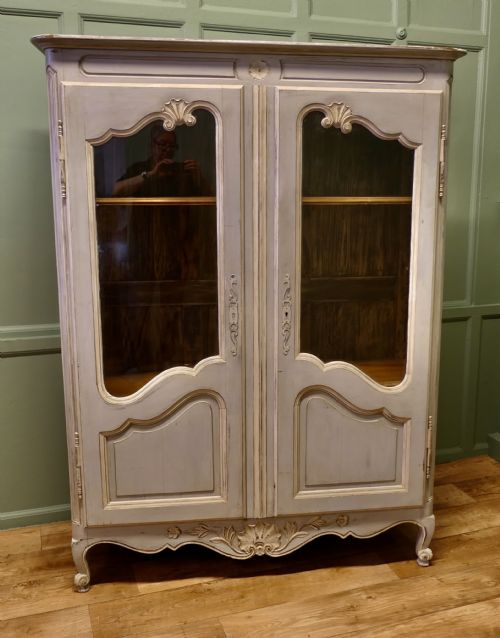
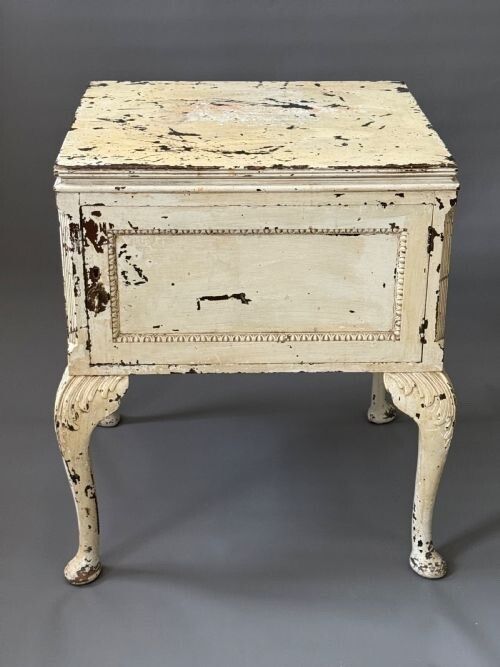
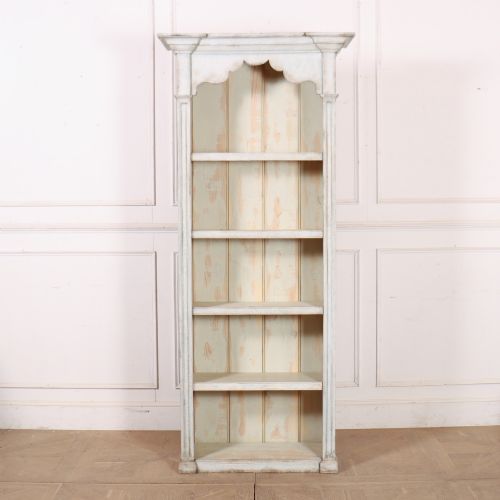
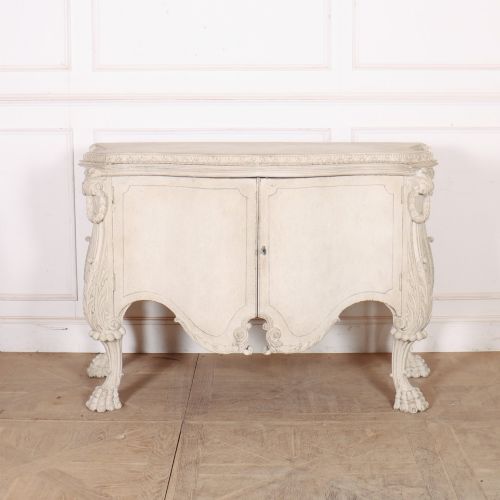
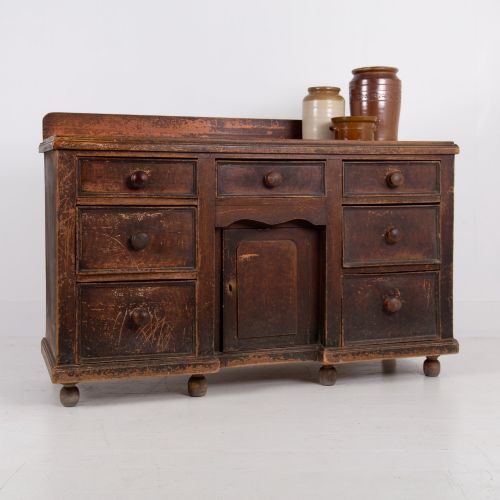
A distressed paint cabinet brings architectural presence and accumulated texture to a room, ranging from provincial pine cupboards to grand painted armoires.
Distressed Paint Cabinet
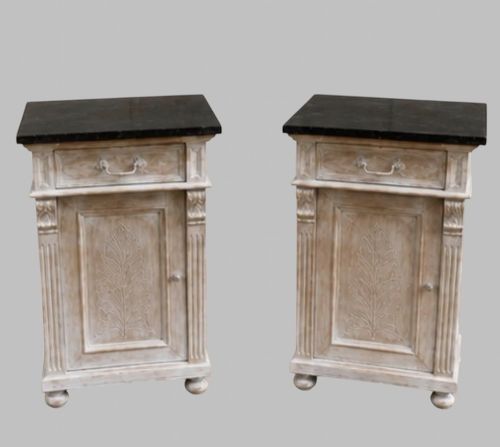
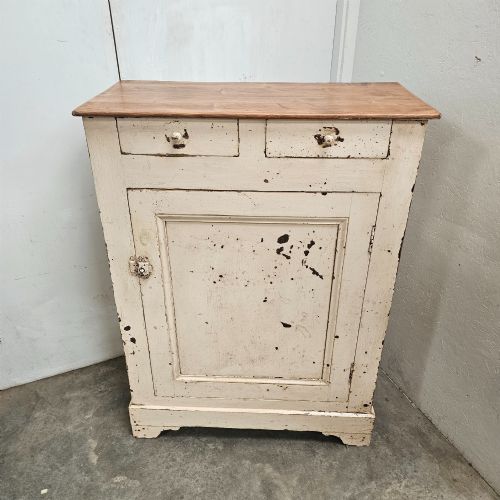
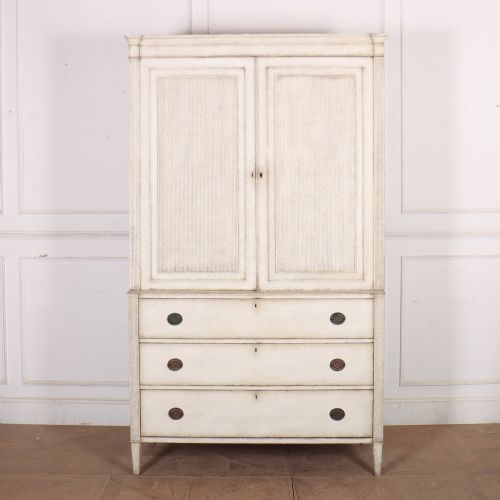
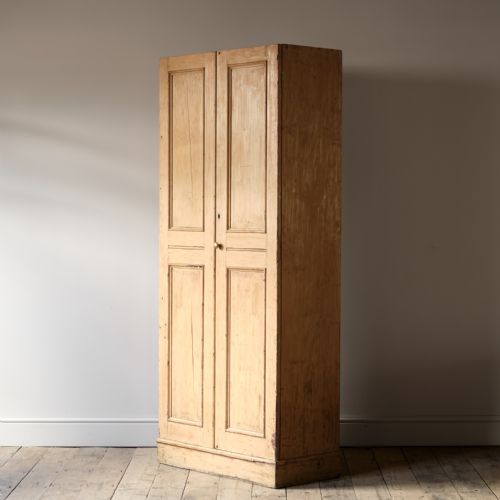
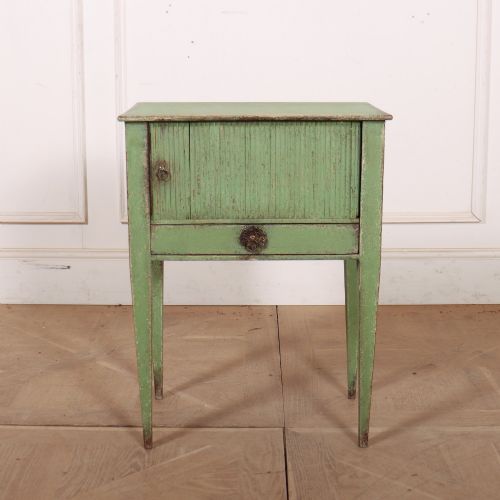
A distressed paint cabinet encompasses storage forms from the eighteenth to the early twentieth century, including tall kitchen housekeepers' cupboards, bedside cabinets, vitrines, and linen cupboards. These pieces arrive from varied regional traditions such as Scandinavian country, French provincial, English country, and Gustavian workshops.
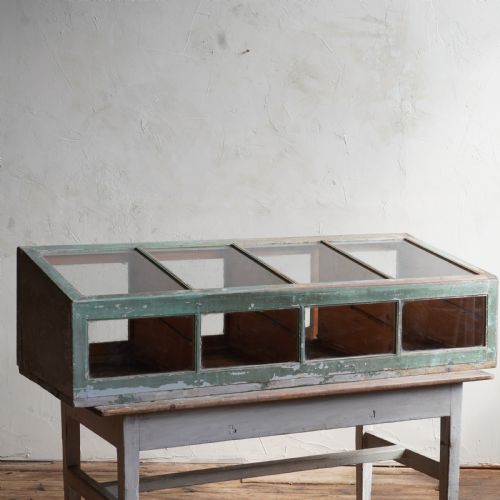
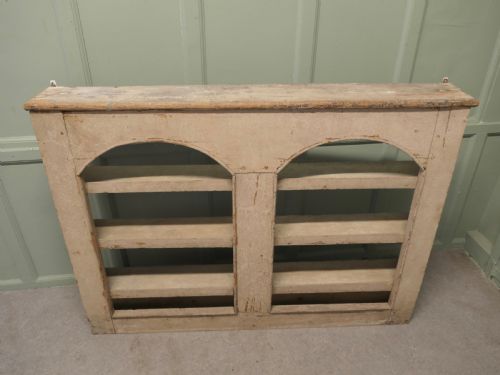
The most common iterations on this page are pine and painted wood cupboards, alongside specialised forms like the confiturier, shop counters, and corner cupboards. Buyers select these items for functional storage combined with surface character developed over decades of use.
Materials and construction
Makers utilised native softwoods and hardwoods including pine, teak, cedar, and mahogany, constructing carcasses with panelled doors, dovetailed drawers, and occasionally iron or brass hardware. Structural elements often relied on traditional joinery suited to regional vernacular furniture.
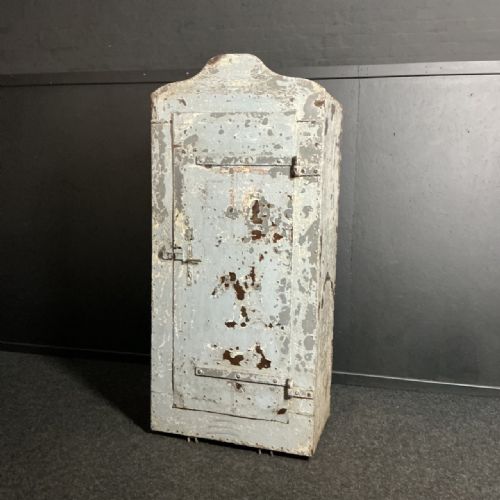
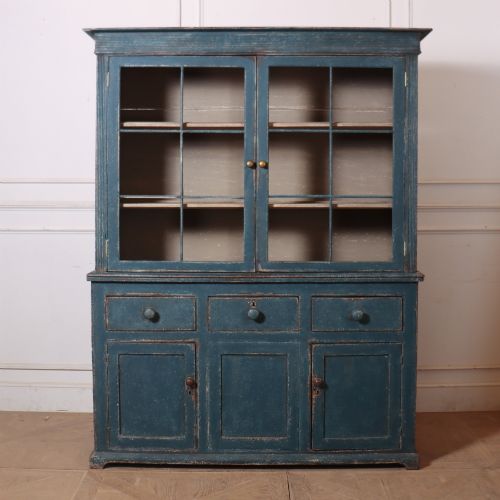
Surfaces received layers of decorative paint, polychrome finishes, or cream, teal, and blue pigments that weathered naturally over time or gained patina through domestic application. Glass panels appeared in display cabinets and bookcases, while steel featured in industrial storage.
Listings feature eighteenth and nineteenth-century forms alongside early twentieth-century pieces, constructed from pine, painted wood, teak, and steel.
Assessing quality
The distinction between standard utility furniture and superior examples lies in the integrity of the original paint surface and the balance of proportions. Retaining genuine historic layers of paint rather than modern redecoration elevates a piece significantly.
Fine construction details, such as untouched interior shelving, original brass or iron fittings, and well-executed regional carving on items like Swedish corner cupboards or Italian enfilades, separate basic utilitarian boxes from more resolved decorative statements.
The Distressed Paint Cabinet Glossary
- Confiturier
- A small French jam cupboard designed for domestic storage. These compact cabinets typically feature a single door and drawer.
- Enfilade
- A long sideboard or storage unit originating in France. They provide substantial surface area and internal capacity.
- Almirah
- A traditional Indian standing cupboard used for storage. These pieces frequently incorporate sturdy teak or cedar construction.
- Vitrine
- A glass-fronted cabinet used for displaying books or objects. Eighteenth and nineteenth-century examples often incorporate decorative painted finishes.
- Commode
- A low chest of drawers or cabinet. Serpentine forms feature curved fronts that demand advanced cabinetmaking skill.
Distressed Paint Cabinet: Frequently Asked Questions
What is a distressed paint cabinet?
A distressed paint cabinet is a storage piece finished in paint that has developed wear, chipping, or fading over time through age and use. These items span various regional traditions and centuries.
They function as practical storage units while adding texture and decorative character to domestic interiors.
How do I date a painted cupboard?
Dating relies on construction methods, timber types, and the composition of the paint layers. Regional styles and hardware also provide clues to the decade of manufacture.
Examining internal fixings and drawer construction helps determine whether a piece originates from the eighteenth, nineteenth, or early twentieth century.
Where were these cabinets made?
The pieces originate from workshops across Europe, Britain, and Asia, reflecting distinct local furniture-making traditions. Origins include Scandinavian, French, Italian, Dutch, and Indian regions.
Each geographical area utilised local timbers like pine, teak, or cedar and applied characteristic regional paint palettes.
Are the paint finishes original?
Paint finishes vary between untouched historical layers and later decorative applications accumulated over the life of the furniture. Original surfaces show natural craquelure and wear consistent with age.
Examination under magnification can help reveal the sequence of finishes applied to the timber substrate.